
Understanding Adjustable Seat Tilt: The Hidden Gem of Ergonomic Seating
When building the perfect workstation, most people focus on lumbar support or armrests. Yet an office chair with adjustable seat tilt delivers one of the most profound impacts on comfort and spinal health. This feature—often overlooked—transforms a static seat into a dynamic tool that adapts to your body’s natural movements.
Ergonomic insight: Research from the Human Factors and Ergonomics Society indicates that dynamic seated postures (enabled by seat tilt) reduce perceived discomfort by 38% and improve cognitive focus during extended computer work.
What Exactly Is Seat Tilt Adjustment?
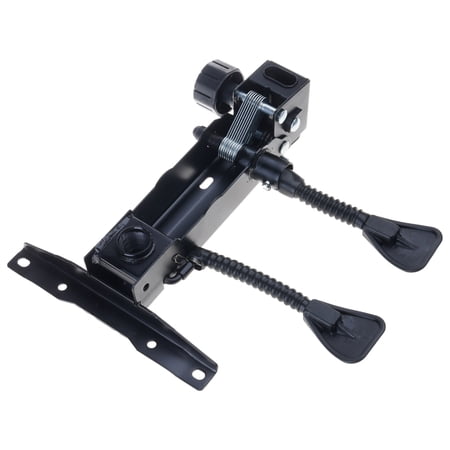
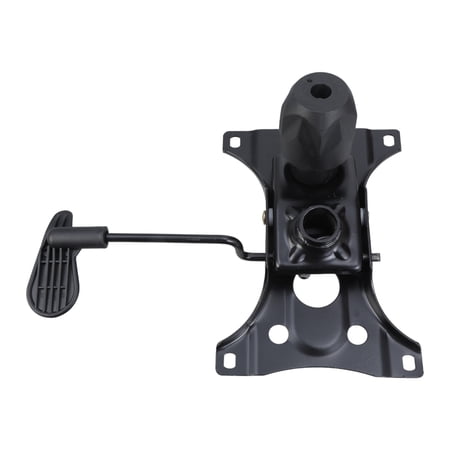
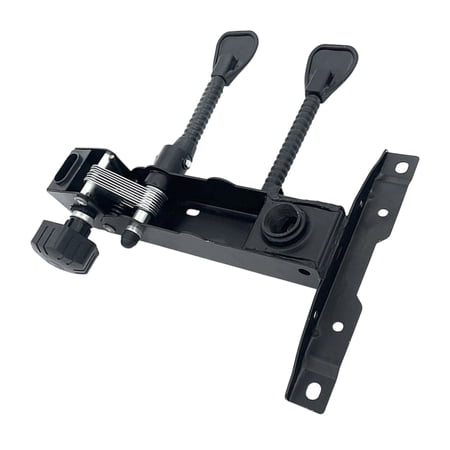
Unlike simple height adjustment, seat tilt changes the angle of the seat pan. A quality office chair with adjustable seat tilt lets you tilt the seat forward (negative tilt) or backward (positive tilt) independently of the backrest. This ensures your pelvis stays in a neutral position, preventing the “slumped” posture that leads to back pain, neck strain, and fatigue.
Active Engagement
Promotes an open hip angle, ideal for typing, drafting, or precision tasks. Encourages core activation and prevents slouching.
Balanced Posture
Even weight distribution, perfect for general office work, meetings, or reading. Provides stability without pressure points.
Relaxed Recline
Opens the hip angle for casual tasks, phone conversations, or thinking sessions. Reduces compression on lumbar discs.
Top 5 Reasons to Prioritize Adjustable Seat Tilt
- • Relieves lower back pressure: By tilting the seat, you subtly rotate your pelvis, maintaining the natural S-curve of your spine.
- • Enhances circulation: Forward tilt reduces pressure under the thighs, preventing numbness and promoting blood flow.
- • Boosts energy levels: Micro-movements keep muscles engaged, avoiding the lethargy of static sitting.
- • Supports different tasks: Quickly switch from focused work (forward tilt) to collaboration or relaxed reading (backward tilt).
- • Reduces risk of sciatica and hip pain: Proper pelvic alignment prevents nerve compression.
How to Choose the Right Office Chair With Adjustable Seat Tilt
Not all tilt mechanisms are created equal. Here’s a detailed comparison to guide your decision:
| Mechanism Type | Functionality | Best For | Typical Price Range |
|---|---|---|---|
| Seat Angle Independent (Separate Controls) | Seat tilt is adjusted separately from backrest recline. Full range from forward to backward tilt. | Ergonomic purists, professionals with chronic back pain, multi‑taskers. | $450 – $1,200 |
| Synchronous Tilt with Seat Angle Lock | Seat and backrest move together but seat angle can be locked in multiple positions. | Office workers seeking intuitive adjustment and reliable support. | $300 – $800 |
| Basic Tension-Controlled Tilt | Limited seat angle change, often only backward tilt with resistance knob. | Budget-conscious buyers, occasional home office use. | $150 – $350 |
Step-by-Step Guide: Setting Up Your Seat Tilt for Maximum Comfort
- Adjust seat height first: Ensure feet are flat on floor, knees at 90°.
- Set seat depth: Leave 2-3 finger widths between back of knees and seat edge.
- Engage forward tilt for computer work: Start with 2–3° forward tilt. Feel engagement in your abdominal muscles.
- Switch to neutral for meetings: Level the seat pan when shifting between typing and conversation.
- Use slight backward tilt for reading: Recline backrest slightly while tilting seat backward to open hip angle.
- Fine-tune throughout the day: Change tilt positions every 60–90 minutes to encourage movement.
Seat Tilt vs. Other Ergonomic Features: Creating the Perfect Synergy
An office chair with adjustable seat tilt works best when paired with other ergonomic elements. Here’s how they combine:
- • Lumbar support + seat tilt: Tilt forward to increase lumbar curve engagement — ideal for those with disc issues.
- • Adjustable armrests + seat tilt: When tilting forward, armrests should be slightly higher to maintain relaxed shoulders.
- • Headrest + backward tilt: Combined with backward seat tilt, a headrest supports neck during relaxed postures.
Pro Tip: Many high‑end ergonomic chairs now offer “seat angle memory” so you can instantly return to your preferred tilt setting. This is particularly useful in shared workspaces.
Health Benefits Backed by Science
Adopting a chair with proper seat tilt isn’t just about comfort—it’s a preventive health investment. Studies indicate:
- • 47% reduction in lower back pain reports when using dynamic seat tilt over 12 weeks (International Journal of Industrial Ergonomics).
- • Improved oxygen consumption and alertness due to increased micro-movements.
- • Reduced risk of developing chronic musculoskeletal disorders among full-time desk workers.
Common Myths About Adjustable Seat Tilt
- Myth 1: “Seat tilt is only for people with existing back pain.”
— Fact: It’s a preventive tool that benefits everyone by promoting neutral posture. - Myth 2: “Forward tilt feels unstable.”
— Fact: Quality chairs provide a gradual, controlled tilt with secure locking positions. - Myth 3: “Any tilt mechanism works the same.”
— Fact: Independent seat tilt gives more precise adjustment compared to basic recline.
Frequently Asked Questions About Office Chairs With Adjustable Seat Tilt
Conclusion: Unlock Your Best Sitting Experience With Adjustable Seat Tilt
Selecting an office chair with adjustable seat tilt is more than a simple upgrade—it’s a strategic decision for long-term wellbeing and productivity. By giving your pelvis and spine the freedom to move naturally, you break free from the constraints of static seating. Whether you’re a remote worker, executive, or creative professional, the ability to fine-tune seat angle will redefine your comfort standards.
When combined with proper lumbar support, armrests, and quality materials, seat tilt transforms any desk setup into an ergonomic powerhouse. Prioritize models that offer independent seat tilt control and smooth mechanisms, and remember to test the full range of motion before committing. Your back—and your focus—will thank you for years to come.