

The Pursuit of Personalized Comfort: Why Adjustability is Key
Imagine a chair that feels like it was custom-built just for you. That's the promise of a truly comfortable adjustable office chair. Unlike static seating, an adjustable chair acts as a dynamic support system, evolving with your posture and tasks throughout the day. For the modern professional, especially those working from home or in hybrid settings, investing in a chair that offers a wide range of adjustments is not a luxury—it's a fundamental necessity for long-term health and peak performance.
Ergonomic Insight: Research from leading ergonomics institutions highlights that personalized adjustability can reduce reported discomfort by up to 50% and increase concentration spans by over 30%. The ability to create a 'neutral posture'—where joints are aligned and muscles are relaxed—is the cornerstone of all-day comfort.
The Anatomy of Adjustability: Beyond Basic Height Control
When searching for the most comfortable adjustable office chair, it's essential to understand the key adjustment points that collectively create a personalized seating experience. Here are the critical components that separate a standard chair from an ergonomic masterpiece:
1. Dynamic Lumbar Support
Look for chairs where the lumbar support can be adjusted both in height and depth. This allows you to fill the natural curve of your lower back precisely, preventing the dreaded 'slouch' that leads to back pain. Some advanced chairs even feature active lumbar mechanisms that move with you.
2. 4D Armrests
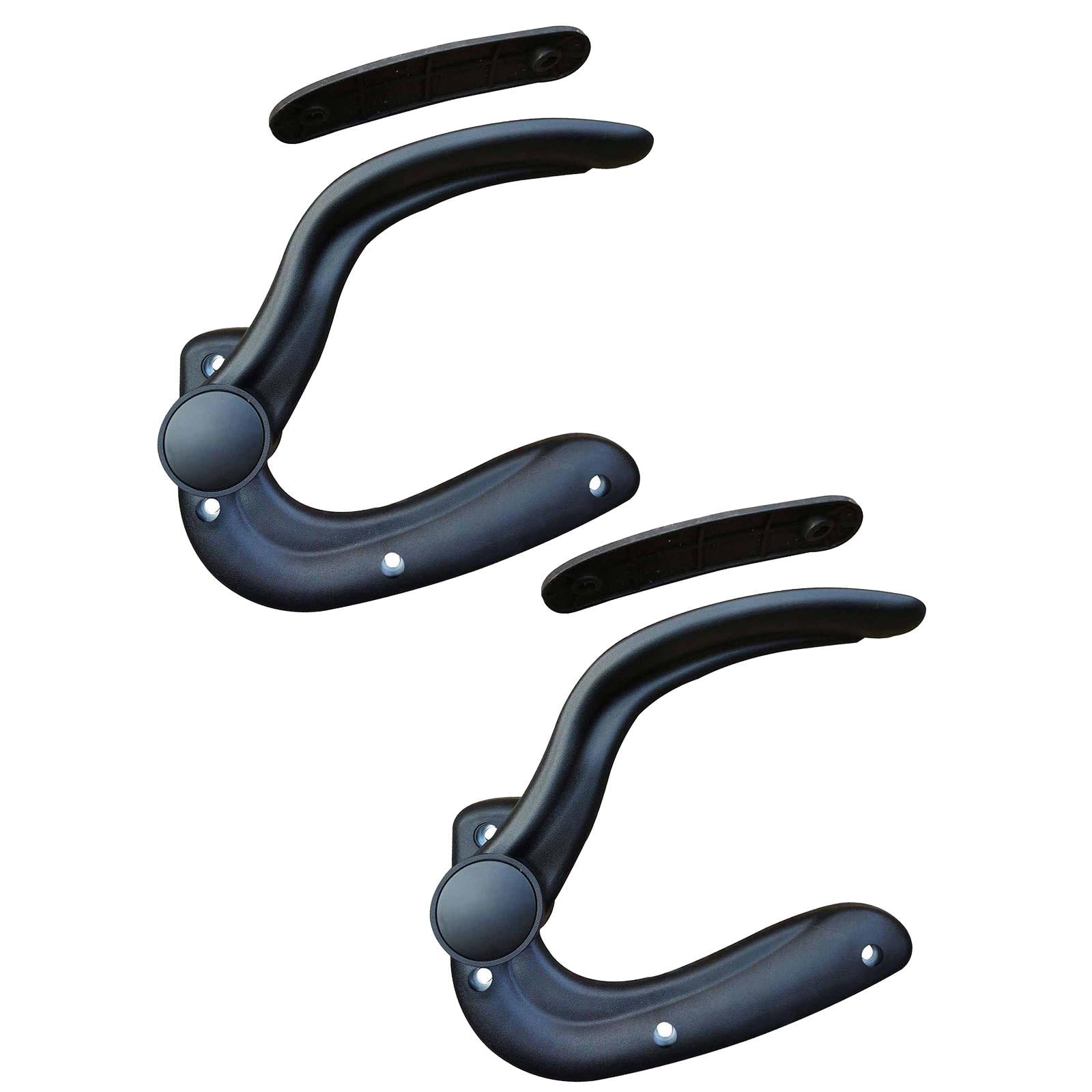
Armrests should move in four directions: up/down, left/right, forward/back, and pivot/tilt. This lets you position them to support your forearms at desk height, reducing shoulder strain and encouraging a relaxed, open posture during typing or mousing.
3. Seat Depth Adjustment
This feature allows you to slide the seat pan forward or backward. Proper seat depth ensures you have 2-3 finger-widths of space between the back of your knees and the seat edge, promoting healthy blood circulation and preventing pressure behind the knees.
4. Synchronized Tilt Mechanism
A high-quality tilt mechanism allows the seat and backrest to move in a coordinated, natural ratio. Paired with adjustable tilt tension (to control the recline force), it lets you rock back comfortably, promoting movement and relieving spinal compression without losing support.
Matching Materials to Your Comfort Style
The materials of your adjustable chair are just as important as its mechanical parts. The most comfortable adjustable office chair will use high-quality materials that complement your environment and physical needs:
- Breathable Mesh: Ideal for those who run warm or live in hotter climates. High-performance mesh provides exceptional airflow, preventing heat buildup and keeping you cool during long work sessions. It also offers firm, even support that conforms to your back.
- High-Density Foam: For a more traditional, plush feel, look for chairs with high-density, cold-cured foam. Unlike cheap foam that compresses quickly, this material retains its shape and cushioning for years, offering a luxurious, supportive seat.
- Premium Fabric or Leather: These materials provide a softer, warmer feel. Top-grain leather offers durability and a classic aesthetic, while high-quality fabrics provide a comfortable, breathable alternative with a variety of textures and colors.
The 'Set-It-and-Forget-It' Myth
A common misconception is that you set your chair once and never touch it again. The truth is that the most comfortable adjustable office chair is one you adjust frequently. Your body changes throughout the day, and your tasks vary. Adjusting your armrests when switching from typing to reading, or using the tilt mechanism to shift your weight during a long call, keeps your body in motion. This micro-movement is vital for circulation, energy levels, and overall comfort. Embrace the adjustments—they are your tools for sustained wellness.
Step-by-Step Guide to Dialing in Your Comfort
Once you have your chair, follow these steps to achieve optimal personalization:
- Start with Seat Height: Adjust so your feet are flat on the floor and your thighs are parallel to the ground. Your knees should be at a 90-110 degree angle.
- Set Seat Depth: Slide the seat pan until you have a comfortable fist-sized gap between the back of your knees and the seat edge.
- Position Lumbar Support: Adjust the lumbar mechanism so it fits snugly into the curve of your lower back, providing even pressure without feeling like it's pushing you forward.
- Fine-Tune Armrests: Relax your shoulders and let your arms hang naturally. Raise the armrests until they just touch your elbows. Adjust the width and angle so your wrists remain straight while typing.
- Configure Tilt Tension and Lock: Set the tilt tension so you can recline with gentle, consistent pressure. Use the tilt lock to find your preferred working angle, but don't lock it in a rigid position—allow for some movement.
Data-Backed Benefits: The ROI of a Superior Chair
The investment in a high-quality, fully adjustable chair pays tangible dividends. According to a 2023 survey by a leading ergonomic research group, professionals using advanced adjustable chairs reported:
- 67% reduction in daily fatigue compared to those using non-adjustable or basic chairs.
- An average of 1.5 more productive hours per day due to reduced discomfort and distraction.
- 80% said their chair positively impacted their professional image and confidence during video calls.
These statistics underscore that the most comfortable adjustable office chair is not an expense but a strategic investment in your most important asset: your health and productivity.