
Why Standard Chairs Fail During Extended Shifts
Imagine running a marathon in shoes not designed for distance. By mile 10, your feet ache; by mile 20, you're injured. The same logic applies to sitting for 12+ hours in a standard office chair. A 24 hour ergonomic office chair isn't just a marketing term—it's a distinct category of seating engineered for the unique physiological demands of prolonged sitting, shift work, and round-the-clock productivity. Unlike conventional chairs that prioritize looks over longevity, these chairs are your partner in endurance, helping you maintain focus and physical well-being from your first cup of coffee to your last task of the day (or night).
The Anatomy of a 24-Hour Chair: Beyond Basic Ergonomics
What truly separates a chair built for an 8-hour workday from one designed for 24-hour use? It's a combination of material science, advanced mechanics, and a deep understanding of human physiology. Let's dissect the key components that make these chairs the workhorses of the seating world.
1. The "Breathability Factor": Active Climate Control
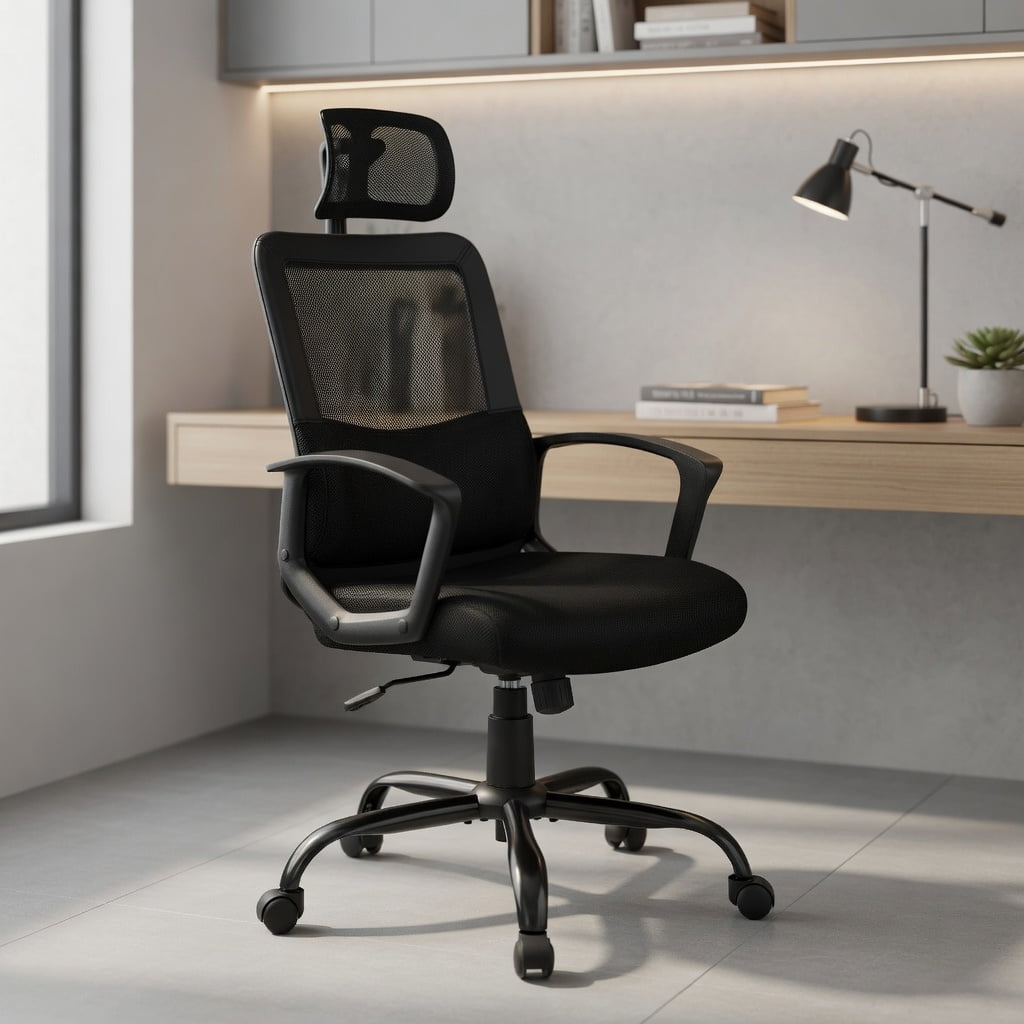
After hour six, a standard foam seat becomes a heat trap. For 24-hour chairs, managing micro-climate is critical. Premium 24 hour ergonomic office chairs utilize high-tension mesh on the backrest and often the seat pan. This isn't just any mesh; it's a Pellicle-like material that stretches and conforms while allowing constant airflow. Think of it as the difference between wearing a plastic raincoat and a high-performance athletic fabric. According to studies on workplace comfort, thermal discomfort is a top distraction for shift workers, and breathable seating reduces this by over 50%.
- 8-Hour Chair: Thick foam padding, often covered in bonded leather or standard fabric, leading to heat buildup.
- 24-Hour Chair: Suspended mesh backrests and perforated, high-density foam seats with breathable covers to wick away moisture and heat.
- Pro Tip: Look for chairs that combine a mesh back with a breathable fabric or mesh seat. This hybrid approach offers both support and continuous airflow.
2. Dynamic Lumbar Support: Your Spine's Co-Pilot
Static lumbar support is like a fixed pillow—it helps initially but doesn't adapt as you move. For marathon sessions, you need dynamic support. Many top-tier 24-hour chairs feature a lumbar system that moves with you. This can be an inflatable air bladder that you customize, or a tensioned mesh that automatically responds to your posture shifts. The goal is to maintain the natural 'S' curve of your spine whether you're leaning forward to type or reclining to think. Research indicates that chairs with dynamic lumbar support can reduce spinal disc pressure by up to 30% compared to static or non-adjustable backs.
3. The "Micro-Movement" Mechanism: Encouraging Motion
Our bodies are designed to move, not to be locked in one position. A true 24 hour ergonomic office chair actively encourages micro-movements through a sophisticated synchronized mechanism. Unlike a basic tilt, a synchronized mechanism allows the seat and backrest to move at different ratios. For example, as you recline, the seat pan tilts slightly forward to keep you firmly planted and prevent the feeling of sliding out. This continuous, subtle motion pumps blood, lubricates spinal discs, and prevents the stiffness associated with being static for hours.
- Knee-Tilt Mechanism: Often found in high-end chairs; the pivot point is at your knees, allowing your feet to stay flat on the floor while reclining, which is excellent for circulation.
- Multi-Position Lock: You're not just stuck upright or fully reclined. The best chairs allow you to lock the chair in multiple postures, from a focused typing angle to a relaxed thinking position.
- Automatic Weight Adjustment: The recline tension should adjust to your body weight so you can move freely without having to fight the chair or feel like you're falling backward.
4. The "Shift-Ready" Seat Cushion
The seat cushion is ground zero for comfort. Standard foam breaks down, leading to the dreaded 'bottoming out' sensation. Chairs rated for 24-hour use feature high-resilience (HR) foam or advanced multi-density foam. This means the foam maintains its shape and support properties even after 24/7 compression. Some use a layer of visco-elastic memory foam over a firmer support base, offering both immediate softness and long-term support. The waterfall edge—where the front of the seat curves down—is non-negotiable. It relieves pressure on the back of your thighs, ensuring blood continues to flow freely to your legs and feet.
Stat Check: The average person shifts position every 15-20 minutes. A poorly designed chair fights these shifts, leading to fatigue. A 24-hour chair facilitates them, leading to sustained energy.
Real-World Scenarios: Who Needs a 24-Hour Chair?
This category isn't just for night-shift workers. It's for anyone whose relationship with their chair is more 'marathon' than 'sprint'.
Your 9-to-5 might be someone else's midnight. A 24-hour chair adapts to your non-traditional schedule, providing support whenever you log on.
When you're 'in the zone' for 10-12 hours during a project, you need a chair that disappears from your awareness, letting you focus solely on the code or design.
Marathon gaming sessions place the same physical demands as a work shift. An ergonomic chair prevents the 'gamer hunch' and keeps you comfortable during long streams.
These professionals monitor screens for 12-hour shifts. Alertness and comfort are paramount, making a high-performance chair a critical piece of equipment.
Key Adjustments for 24/7 Customization
To truly fit a diverse range of bodies and tasks, a 24-hour chair must offer a level of adjustment that goes beyond the basics. Here’s what to look for:
- 4D Armrests: Armrests that adjust up/down, forward/back, left/right (width), and pivot angle. This ensures your arms are supported whether you're typing, on a video call, or reading a document.
- Seat Depth Adjustment: The ability to slide the seat pan forward or backward is critical. It ensures you have about 2-4 fingers of space between the back of your knee and the seat, supporting your thighs properly without cutting off circulation.
- Adjustable Lumbar Depth: Not just height, but also the depth (how much the support pushes into your back) is essential for customizing the level of lordotic support.
- Tilt Tension and Lock: As mentioned, being able to fine-tune the recline resistance and lock the chair at various angles is key for dynamic sitting.
Frequently Asked Questions About 24-Hour Ergonomic Chairs
Conclusion: Invest in Your Most Productive Asset—Your Body
Your ability to focus, create, and lead is directly tied to your physical comfort. A 24 hour ergonomic office chair is not an expense; it's an investment in your long-term health and professional endurance. By prioritizing breathability, dynamic support, and infinite adjustability, you create a workspace that works as hard as you do, around the clock. Whether you're pulling a double shift or diving into a weekend passion project, the right chair makes all the difference. Choose a chair that supports your journey, not just your 9-to-5.
Final Recommendation
When shopping, don't just look for the term "24 hour." Verify the features: a Class 4 gas lift, a 5-star reinforced nylon or aluminum base, a synchronized mechanism, and a breathable backrest. Test the adjustments if possible. Your body will thank you.