
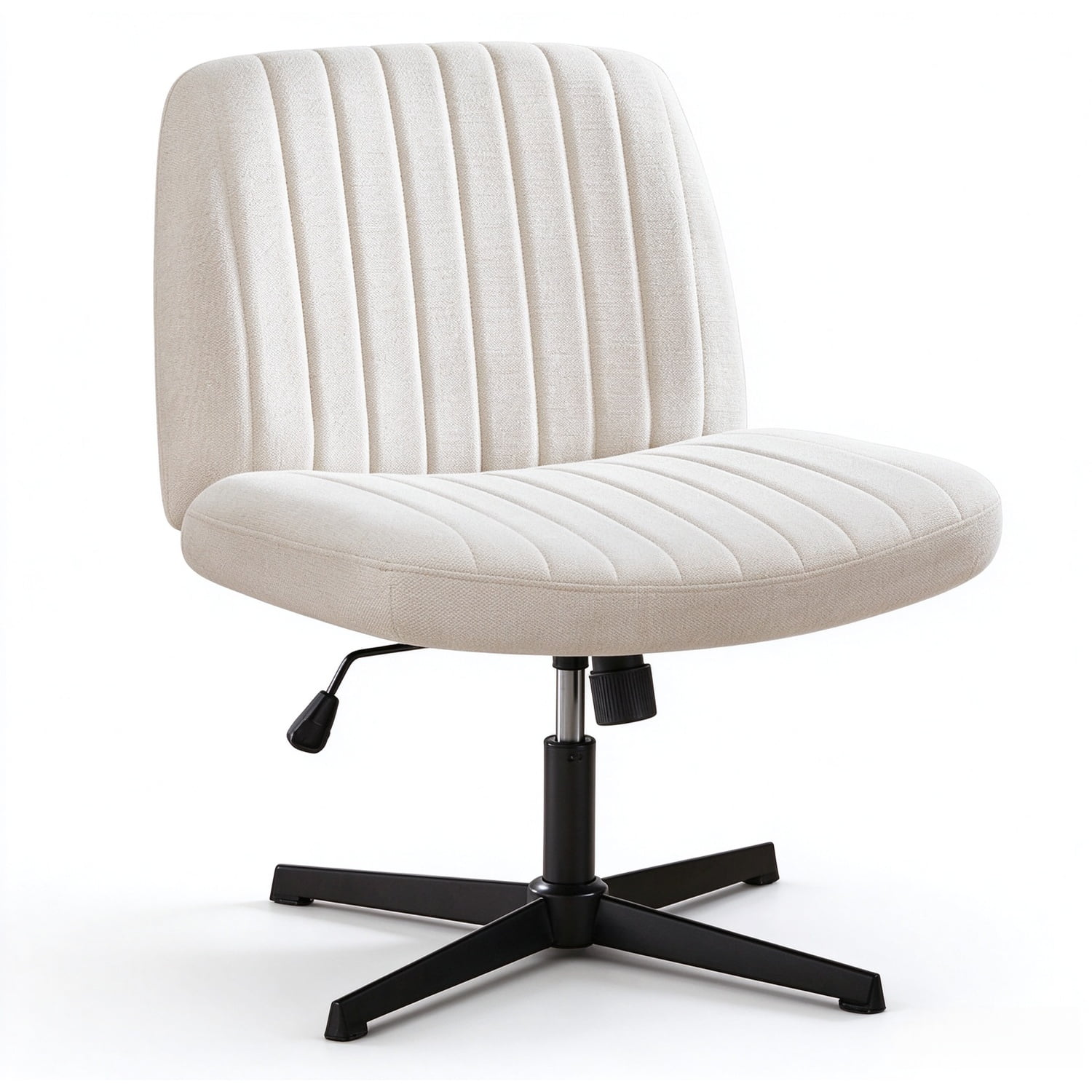
Why Choose a Stationary Home Office Desk Chair (No Wheels)?
For many home workers, the classic rolling office chair can be more of a distraction than a benefit. Perhaps you're tired of constantly scooting back to your desk, or you have beautiful hardwood floors that you want to keep scratch-free. A home office desk chair with no wheels offers a simple yet effective solution: the stability of a fixed base combined with modern ergonomic features. These chairs are gaining popularity among remote workers, designers, and anyone who values a "set it and forget it" seating position.
Did you know? According to a 2023 home office survey, nearly 38% of remote workers reported that their chair rolls unintentionally during the workday, causing micro-interruptions. Switching to a no-wheel chair can eliminate this friction and help maintain focus.
Core Benefits of a No-Roll Desk Chair
- Floor protection: No casters means zero scratches on hardwood, laminate, or tile. Glides or fixed feet are gentle on surfaces.
- Stability for yoga balls or active sitting: Some stationary chairs have a slight rock or tilt, but they won't roll away when you shift weight.
- Ideal for low-pile carpet: On thin carpets, rolling chairs often get stuck; a fixed base sits solidly without digging in.
- Minimal maintenance: No wheels to clean hair from or replace — just a sturdy base that lasts.
- Clean, modern aesthetic: Many no-wheel designs resemble sleek lounge or task chairs that blend with home decor.
Key Ergonomic Features to Look For
Just because a chair doesn't roll doesn't mean it skimps on support. The best stationary office chairs offer a full range of ergonomic adjustments. Here’s what to prioritize:
| Feature | Why It Matters | What to Look For |
|---|---|---|
| Lumbar Support | Prevents slouching during long work sessions | Adjustable height and depth; built-in or via cushion |
| Seat Comfort & Depth | Ensures thighs are supported without pressure behind knees | Waterfall edge, high-density foam, at least 2" thick |
| Base Type | Determines stability and floor compatibility | 5-star fixed base with glides (felt or rubber) or 4-leg sled base |
| Adjustability | Customizes fit for your body and desk height | Seat height adjustment (pneumatic), tilt tension, armrest options |
| Material & Breathability | Affects comfort over 8+ hours | Mesh back, breathable fabric, or perforated leather |
Who Benefits Most from a Chair Without Casters?
While rolling chairs dominate the market, a stationary alternative suits specific scenarios perfectly:
📌 Focused Workers
If you prefer to stay anchored at your desk without micro-adjustments, a fixed chair keeps you centered.
🏠 Small Spaces
No accidental bumping into walls or furniture; the chair stays where you put it.
🪑 Hard Floor Users
Protect expensive floors from scratches and eliminate the need for a plastic chair mat.
🧘 Active Sitters
Some no-wheel chairs allow slight rocking or perching without rolling away.
Fixed Base vs. Casters: Quick Comparison
To help you decide, here's how stationary chairs stack up against traditional wheeled chairs in key areas:
| Aspect | No-Wheel Chair | Wheeled Chair |
|---|---|---|
| Mobility | Stationary (swivels but doesn't roll) | Easily movable across the room |
| Floor safety | Excellent for hardwood/tile (glides) | Can scratch floors unless soft casters or mat used |
| Stability | Rock-solid, no unintended rolling | May roll on sloped or uneven floors |
| Carpet compatibility | Works well on any carpet without sinking | Needs specific casters for thick carpets |
| Typical use case | Focused desk work, home offices with delicate floors | Dynamic environments, multi-tasking, reaching files |
Common Myths About No-Wheel Office Chairs
Let's clear up a few misconceptions:
- Myth: "They are just fancy dining chairs." Reality: Quality models include pneumatic height adjustment, lumbar support, and ergonomic contours — far beyond a static wooden chair.
- Myth: "You can't adjust height." Reality: Most have a gas lift mechanism just like wheeled chairs; only the base is different.
- Myth: "They tip over easily." Reality: A wide 5-star fixed base provides excellent stability, often better than some rolling bases.
- Myth: "Hard to move when you need to." Reality: They are lightweight enough to lift slightly and reposition, and the swivel function gives you rotational access.
Materials & Durability: What to Expect
Stationary chairs are built to last. Look for these construction details:
Base Materials
- Nylon/plastic base: lightweight, corrosion-proof, good for standard use.
- Steel or aluminum base: heavier, higher weight capacity (350+ lbs).
- Glides: felt (hard floors) or rubber (carpet/anti-slip).
Upholstery Choices
- Mesh: breathable, modern, easy to clean.
- Fabric: cozy, wide color range, may stain.
- Leather/faux leather: elegant, wipes clean, less breathable.
Frequently Asked Questions: No-Wheel Home Office Chairs
Conclusion: Is a Stationary Chair Right for Your Home Office?
Choosing a home office desk chair without wheels comes down to your work style and floor type. If you value a stable, non-slip seat that protects your floors and keeps you anchored, it's a smart upgrade. You don't sacrifice ergonomics—modern stationary chairs offer lumbar support, adjustability, and comfort on par with the best rolling chairs. Plus, you'll never have to chase after a runaway chair again.
Browse our curated selection above to find a model that fits your body, decor, and budget. Whether you prefer mesh breathability, plush upholstery, or heavy-duty construction, the perfect stationary seat awaits.