
Why Your Small Workspace Demands a Specialized Ergonomic Chair
Working from a home office, apartment nook, or compact corporate cubicle presents unique challenges. A standard office chair can overwhelm a small area, making the space feel cluttered and restricting movement. However, compromising on ergonomics for the sake of size is a recipe for discomfort and long-term health issues. This is where the ergonomic office chair for small spaces becomes essential—it’s engineered to deliver exceptional support within a minimal footprint.
Key Insight: According to a 2024 home office report, 68% of remote workers now operate from spaces under 100 square feet. In these environments, every inch counts. A compact ergonomic chair can free up to 25% more floor space compared to a traditional executive model, while still providing crucial back and posture support.
Defining the "Small Space" Ergonomic Chair
What sets these chairs apart is their thoughtful, condensed design without sacrificing the core principles of ergonomics. They are not simply smaller versions of regular chairs; they are meticulously crafted to provide a full range of adjustments and support within a narrower frame. Key characteristics include:
- Slim Profile Backrest: Typically under 19 inches wide, allowing the chair to slide easily under standard desks and fit in tight corners.
- Compact Seat Base: A seat width between 17 and 20 inches offers ample hip support without extending beyond the desk boundary.
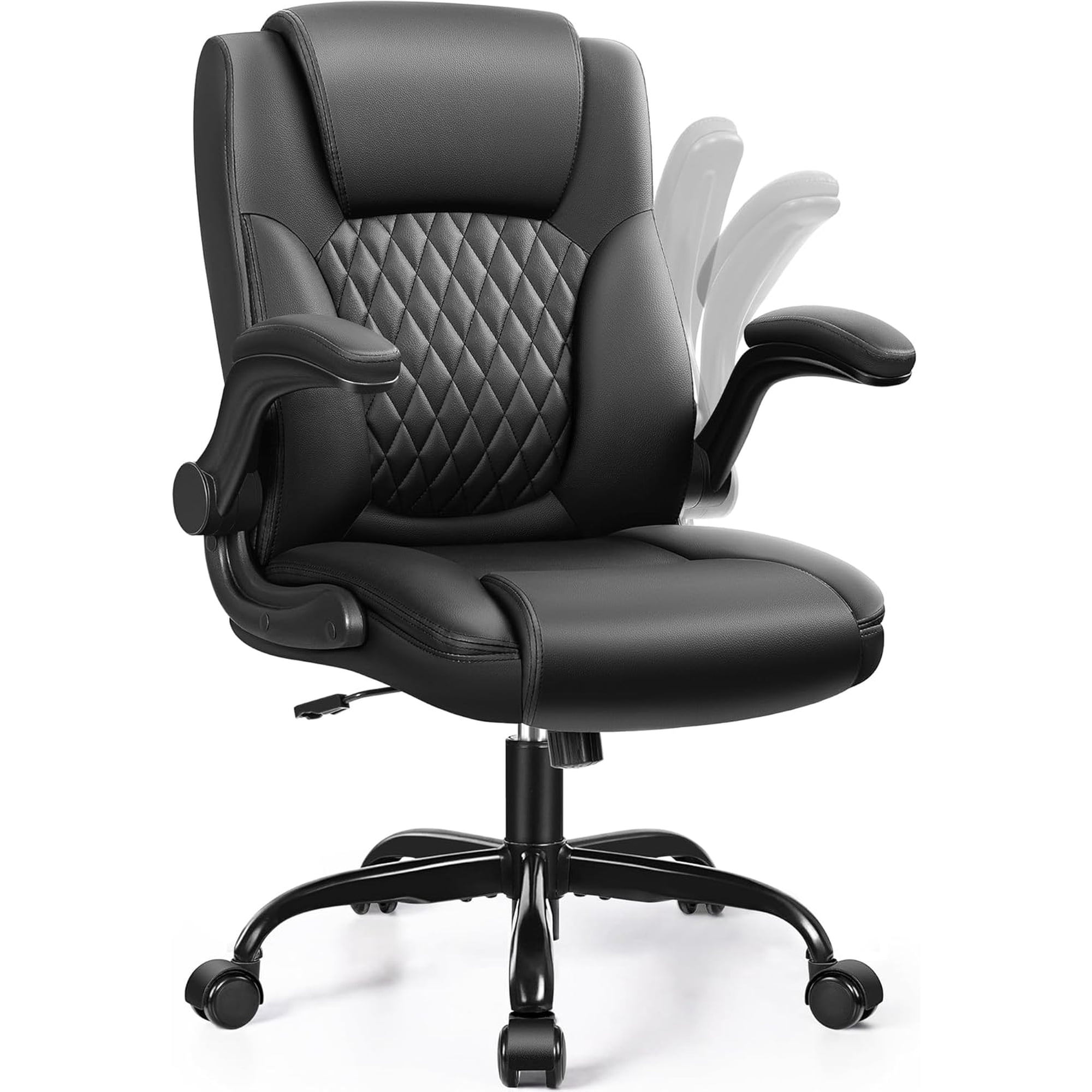
- Space-Saving Armrests: Features like 3D or flip-up armrests allow you to pull the chair directly under the desk when not in use, maximizing walkway space.
- Low-Profile Casters: Smooth-rolling casters designed for maneuverability in limited areas, preventing snagging on desk legs or furniture.
- Breathable Materials: Mesh backs are common, as they provide an open, airy feel that prevents the chair from appearing bulky or heavy in a small room.
Critical Ergonomic Features for Compact Chairs
When space is at a premium, every ergonomic feature must earn its place. Here’s what to prioritize to ensure your small-space chair doesn’t just fit physically, but also supports your body effectively throughout the day.
| Ergonomic Feature | Why It Matters in Small Spaces | What to Look For |
|---|---|---|
| Adjustable Seat Depth | Allows you to fine-tune the chair to your leg length, preventing pressure behind the knees, which is crucial when the chair’s overall length is minimized. | A sliding seat mechanism with 1.5 to 2 inches of adjustment. |
| Dynamic Lumbar Support | Prevents slouching and maintains the natural S-curve of the spine, especially important when working in a smaller, potentially less-adjustable setup. | Height-adjustable lumbar pad or a tension-adjustable backrest. |
| 4D or Flip-Up Armrests | Provides flexibility. Flip-up arms let you push the chair entirely under the desk, while adjustable arms ensure proper elbow support when in use. | Armrests that adjust in height, width, and pivot, or a simple flip-up design. |
| Multi-Function Tilt Mechanism | Enables you to recline and lock at different angles, offering micro-movements that are vital for circulation during long sits, all within a compact frame. | Separate controls for tilt tension and tilt lock with a synchro-tilt feature. |
| Durable, Smooth Casters | Essential for maneuvering in tight quarters. High-quality casters prevent damage to hard floors and glide effortlessly. | Dual-wheel casters rated for your floor type (hardwood, carpet). |
Health and Productivity Benefits of the Right Fit
The benefits of selecting a specialized ergonomic chair for your small space extend far beyond just fitting the room. It directly influences your physical health and mental focus. When a chair fits your body and your environment correctly, you experience:
Enhanced Postural Awareness
A snug, well-fitted chair encourages natural alignment, reducing the tendency to lean awkwardly to one side, which is common in oversized chairs in tight spaces.
Improved Circulation
Proper seat depth and a waterfall edge promote blood flow to the legs, preventing numbness and fatigue that can set in after hours of stationary work.
Greater Perceived Space
A visually light, compact chair makes a room feel larger and more open, reducing feelings of confinement and boosting mental clarity and creativity.
Increased Productivity
When you are not fighting with your chair for space or struggling to adjust, you can focus entirely on your tasks. Comfort and spatial harmony are silent productivity drivers.
Materials and Construction: Balancing Durability with Design
Selecting the right materials for an ergonomic chair in a small space is a balancing act. You need durability, ease of maintenance, and a design that doesn't overwhelm the room. Here’s a look at the common materials used and their best applications for compact seating.
Mesh vs. Fabric vs. Leather in Compact Designs
Premium Mesh
- Best For: Warm climates, maximum breathability
- Space-Saving Advantage: Creates a "see-through" effect, visually lightens the room
- Durability: Good (5-7 years with proper use)
- Maintenance: Easy, just wipe with damp cloth
Performance Fabric
- Best For: Cozy aesthetics, variety of colors
- Space-Saving Advantage: Can blend with decor to create a seamless look
- Durability: Moderate (3-5 years)
- Maintenance: May require spot cleaning or professional care
Bonded Leather
- Best For: Professional look on a budget
- Space-Saving Advantage: Offers a sleek, low-profile appearance
- Durability: Moderate (3-5 years)
- Maintenance: Easy to wipe clean
Mesh Back + Fabric Seat
- Best For: The optimal hybrid for most users
- Space-Saving Advantage: Mesh back reduces bulk, fabric seat provides comfort
- Durability: Good (5-8 years)
- Maintenance: Minimal, with durable seat material
Quick Comparison: Top Materials for Compact Ergonomic Chairs
| Material Type | Durability | Comfort Level | Visual Impact in Small Space | Ideal User |
|---|---|---|---|---|
| High-Performance Mesh | Excellent (7-10 years) | High (breathable, supportive) | Minimal, open and airy | Tech workers, hot climates, modern offices |
| Soft Knit Fabric | Good (5-7 years) | High (plush, cozy) | Can be neutral or a color accent | Home offices, creative professionals |
| Eco-Leather | Good (5-7 years) | Medium-High (smooth, firm) | Sleek and streamlined | Executive home offices, formal settings |
Your Step-by-Step Guide to Choosing the Perfect Small-Space Ergonomic Chair
Finding the right chair for a compact area involves a specific process. Follow this guide to ensure your selection is a perfect match for both your body and your space.
Step 1: Measure Your Territory with Precision
- Under-Desk Clearance: Measure the width between your desk legs and the depth from the front of the desk to the wall or other obstacles.
- Overall Floor Footprint: When the chair is in its normal position, trace the area it will occupy. Add 12-18 inches for movement.
- Desk Height: Ensure the chair's maximum seat height allows your thighs to be parallel to the floor.
Step 2: Define Your Usage and Movement Patterns
Movement & Activity Matrix
Look for chairs with swivel capability and armrests that don't impede movement between desks or filing cabinets.
A chair with a streamlined back and headrest that doesn't protrude will look professional on camera and save space.
Prioritize advanced lumbar support and a tilt mechanism that allows you to recline within your small space without hitting the wall behind you.
If you often turn to speak with others, a chair with a 360-degree swivel and a smaller radius is essential.
Step 3: Set a Realistic Budget for Your Investment
View this as an investment in your health and workspace harmony. Here are the typical tiers for quality compact ergonomic chairs:
Essential Compact
Basic ergonomic features, good for part-time use or tight budgets.
Mid-Range Space-Saver
Optimal balance: full adjustability (seat depth, lumbar, armrests) in a slim design.
Premium Compact
High-end materials, advanced ergonomic engineering, and exceptional durability for daily use.
Frequently Asked Questions About Ergonomic Office Chairs for Small Spaces
Conclusion & Final Recommendations: Master Your Compact Workspace
Selecting the right ergonomic office chair for a small space is a strategic decision that harmonizes your physical well-being with your environment. It's about proving that you don't need a massive throne to achieve peak comfort and productivity. By focusing on chairs that offer a slim profile, key adjustability features, and space-smart materials, you can transform any corner into a powerhouse of efficiency and support.
Final Selection Summary
Choose a mesh-back chair with a waterfall seat and flip-up armrests. This combination offers excellent breathability and the ultimate flexibility to tuck the chair away, keeping your space feeling open and clutter-free.
A sleek, fabric-upholstered chair with 4D armrests and a sturdy, compact base provides a professional look with the precise adjustability needed for long workdays in a confined area.
Look for a stylish, low-back ergonomic chair with a polished aluminum base. Its smaller visual footprint and sophisticated design will complement your living space when not in use as a work chair.