
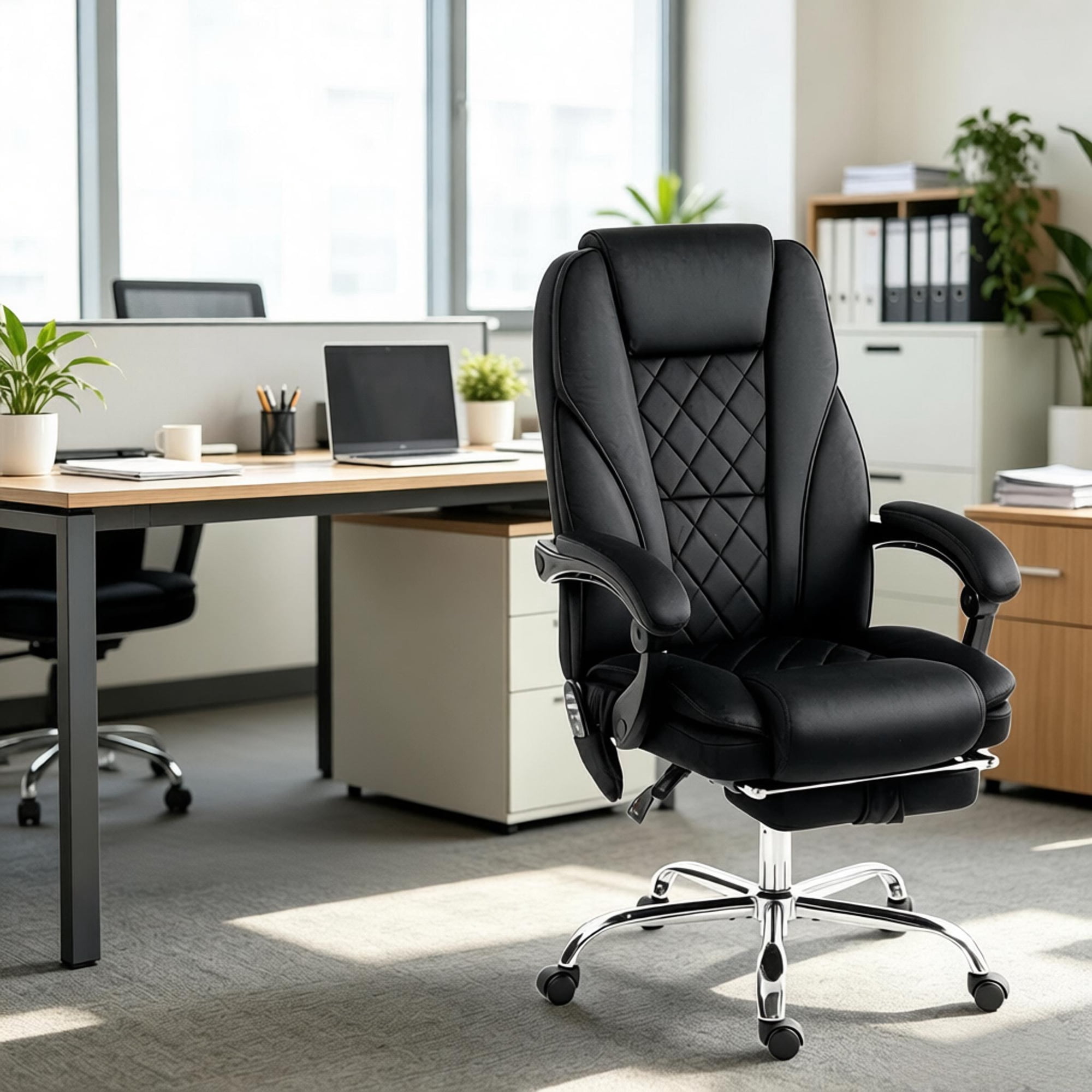

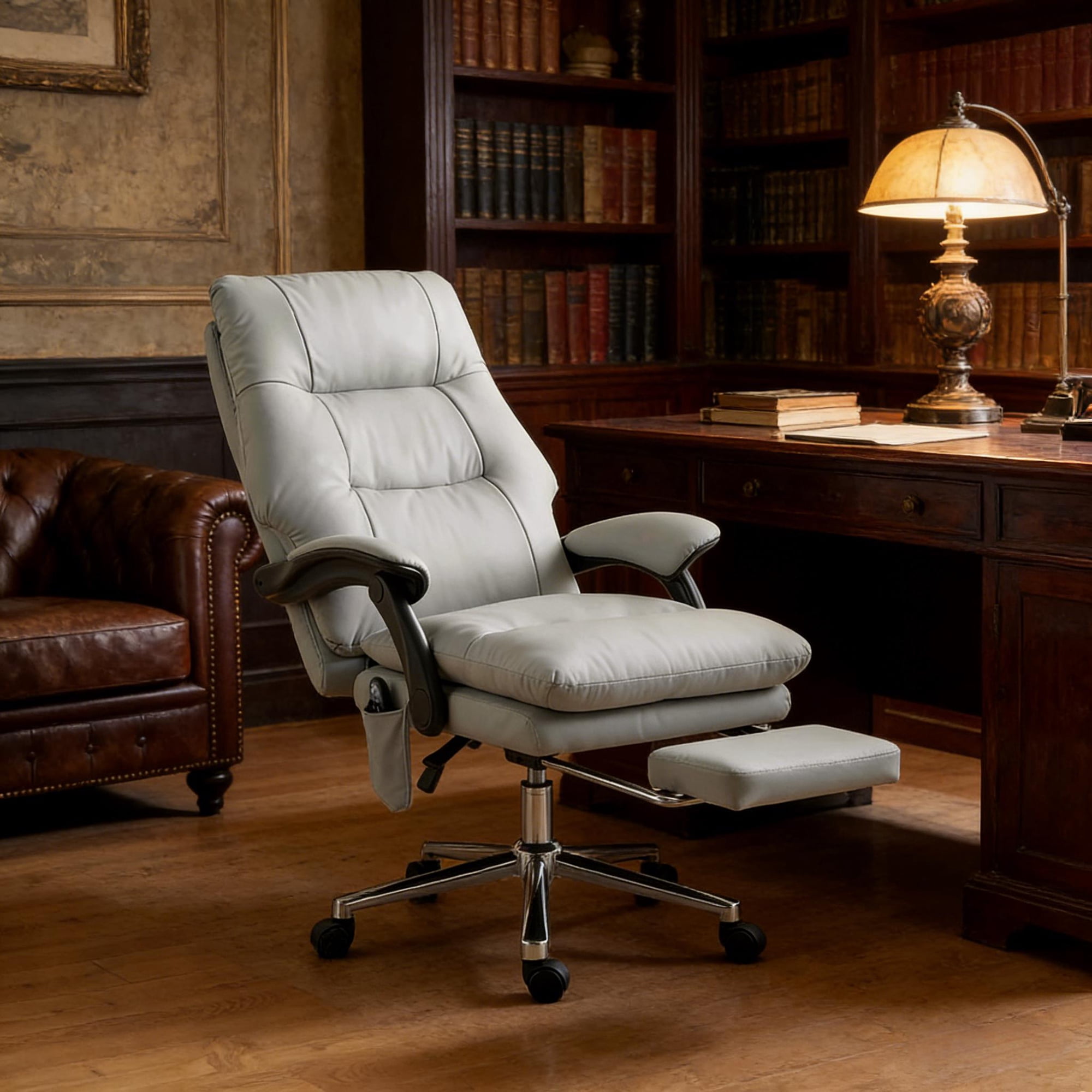
Why Consider a Laying Down Office Chair?
For decades, office chairs were designed to keep you upright—often at the expense of circulation, spinal health, and mental breaks. The laying down office chair (also known as a reclining or zero‑gravity task chair) changes that paradigm. It acknowledges that humans aren’t meant to sit still for eight hours. By allowing you to recline to near‑horizontal angles, these chairs offer a unique blend of ergonomics and restorative rest.
Wellness insight: A 10‑minute power nap in a reclined position can improve cognitive performance by up to 34% (NASA study on napping). Laying down chairs make this feasible without leaving your office.
Key Features of a Quality Laying Down Chair
- Multi‑lock recline mechanism: Allows infinite adjustment between 90° and 150° (some even 180°).
- Integrated/extendable footrest: Supports calves and feet when reclined, reducing pressure on lower back.
- Headrest with pillow: Crucial for neck support in laid‑back positions.
- Stable base & casters: Reinforced five‑star base (often aluminium) prevents tipping even when fully reclined.
- Breathable upholstery: High‑grade mesh or premium fabric to avoid overheating during rest.
How It’s Different: Recline vs. Tilt vs. Zero‑Gravity
Standard office chairs often have a tilt mechanism that leans the backrest a few degrees. A laying down chair uses a synchronized mechanism: when you recline, the seat tilts slightly upward, keeping you from sliding forward. Zero‑gravity models take this further—your legs rise above heart level, mimicking the posture astronauts use during launch to distribute weight evenly. This position is proven to reduce spinal disc pressure by up to 90% compared to sitting upright.
⚡ Energy Recovery
Short rests reduce fatigue and restore focus. 62% of remote workers say they would use a nap chair if available (2023 survey).
🧘 Spinal Decompression
Reclining opens up the intervertebral discs, allowing nutrients to flow and reducing stiffness.
🩸 Circulation Boost
Elevated legs in zero‑gravity mode improve venous return and reduce risk of deep vein thrombosis during long sitting sessions.
🎯 Deep Work Readiness
After a 15‑minute reset, concentration levels can increase—ideal for executives and creatives.
Who Benefits Most from a Laying Down Office Chair?
While any desk worker can appreciate a quick recline, these chairs are particularly valuable for:
- Executives with back‑to‑back meetings: A quick recline between calls resets posture.
- Creative professionals: Writers, designers, and strategists often think best while relaxed.
- People with chronic back pain: Alternating between upright and reclined positions reduces static load on the spine.
- Home office users: Flexibility to nap, read, or stretch without moving to a couch.
- Gamers and streamers: Long sessions demand positions that vary.
Anatomy of a High‑End Laying Down Chair
To help you evaluate options, here’s a breakdown of critical components and what to look for:
| Component | Why It Matters | Ideal Spec |
|---|---|---|
| Recline range | Determines how flat you can go. 180° = fully flat (like a bed). 150° is typical for zero‑gravity. | ≥150° with footrest extension |
| Locking mechanism | Must hold position securely under body weight. | Multi‑position lock, tested for 10,000+ cycles |
| Base material | Stability during recline. Nylon bases can flex; metal is stiffer. | Reinforced steel or aluminium alloy |
| Weight capacity | Higher capacity = stronger frame and gas lift. | ≥350 lbs for heavy‑duty use |
| Upholstery breathability | Prevents sweating during rest. | Mesh back + fabric/leather seat, or 3D spacer fabric |
Zero‑Gravity vs. Traditional Recliner: What’s the Difference?
Many people confuse zero‑gravity office chairs with simple recliners. The main distinction is the seat angle. In a standard recliner, as the back goes down, your legs go up, but the seat remains relatively fixed. In a zero‑gravity chair, the seat tilts forward slightly, creating a “floating” sensation where your thighs and torso are at roughly 120°–130°, and your knees are higher than your hips. This posture is recommended by chiropractors to take the load off the lumbar spine.
Practical Considerations Before Buying
Before you invest in a laying down office chair, measure your workspace:
- Room behind the chair: When fully reclined, most chairs need 30–50 cm of clearance from the wall. Some models have “wall‑hugger” technology that slides the seat forward as you recline.
- Desk height compatibility: In upright mode, armrests should slide under your desk. Look for chairs with adjustable armrests (4D preferred).
- Footrest type: Some have a fold‑out footrest, others a fixed ottoman. Ensure it supports your calves comfortably.
Ergonomics of Napping at Work: A Quick Guide
If you plan to use your chair for power naps, follow these tips:
- Set a timer for 10–20 minutes to avoid sleep inertia.
- Use a neck pillow or the chair’s integrated headrest to keep cervical spine neutral.
- Keep a light blanket nearby if your office is air‑conditioned.
- After waking, slowly bring the chair upright and stretch for 30 seconds before resuming work.
Durability & Maintenance
Because laying down chairs have more moving parts (recline mechanism, footrest slides), they require occasional checks. Lubricate the gas lift and pivot points once a year with silicone spray. Vacuum fabric or wipe leather with a damp cloth. Quality chairs come with 5‑ to 10‑year warranties on the frame and mechanism.
Laying Down Chairs vs. Traditional Office Chairs: Cost‑Benefit
Initial investment is higher (usually $600–$2,000) compared to standard task chairs ($200–$800). However, the ability to rest without leaving your desk can reduce the need for separate break areas in home offices. Health benefits—fewer sick days due to back pain, better focus—often offset the price within a year. For companies, providing one or two laying down chairs in a relaxation room boosts employee morale and productivity.
Example Scenario: The Hybrid Executive
Alex, a sales director, spends 4 hours in video calls and 3 hours analyzing reports. Mid‑afternoon energy slump hits. Instead of coffee (which disrupts sleep later), Alex reclines the chair to 150°, elevates legs, and sets a 12‑minute meditation timer. Returns to work with sharper focus and closes two deals. This is the real‑world value of a laying down office chair.
Summary of Benefits
- Supports alternating postures throughout the day
- Reduces lower back pressure by up to 45% in reclined mode
- Encourages micro‑breaks that enhance cognitive function
- Premium materials add a sophisticated look to any office