
The Resurgence of Wood in Office Seating
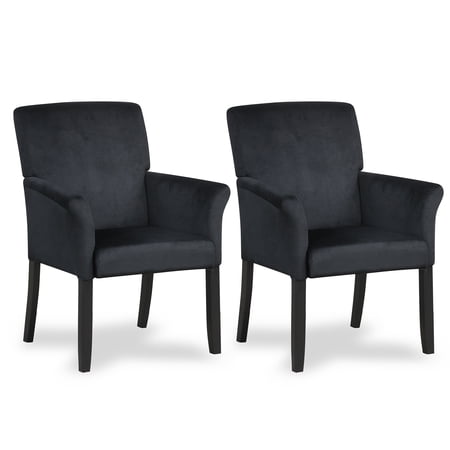
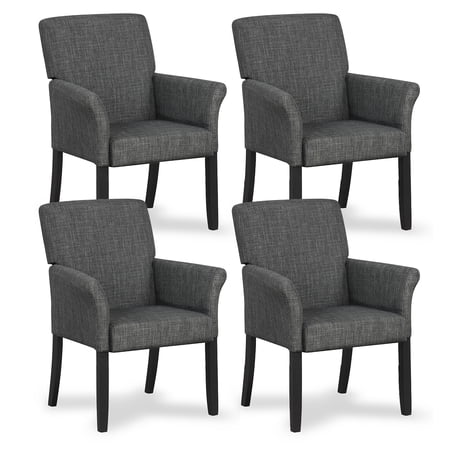
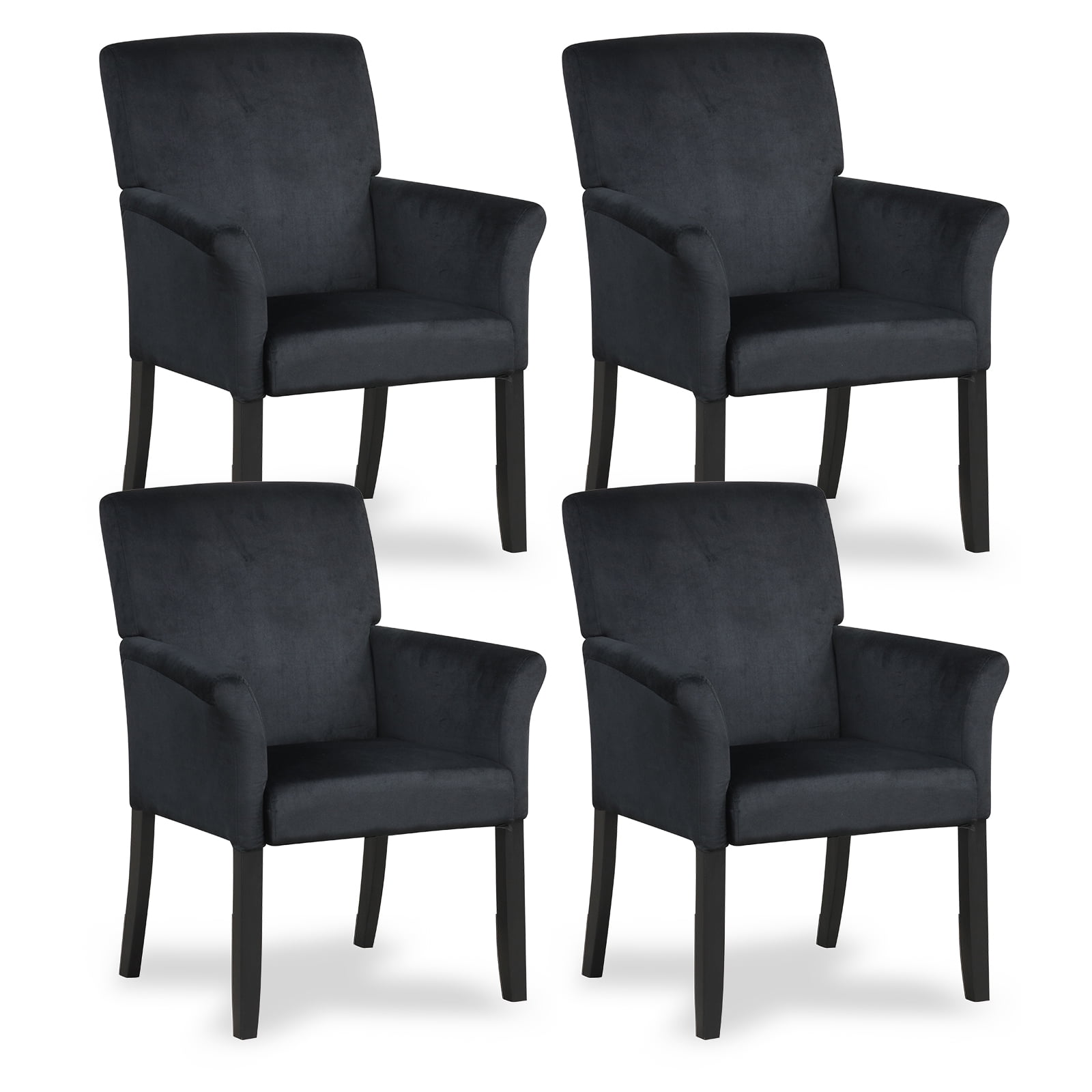
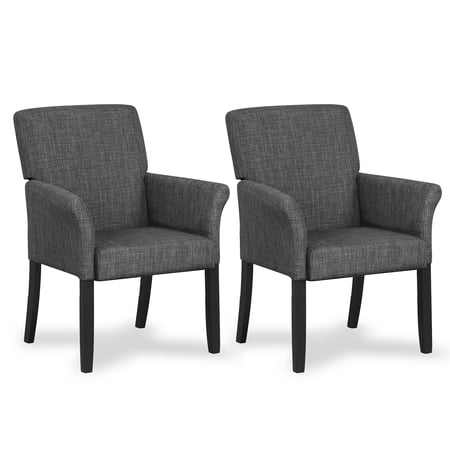
Walk into a modern executive suite or a trendy startup loft, and you'll notice a design trend that bridges the gap between corporate professionalism and organic comfort: the office chair with wooden legs. Unlike the ubiquitous chrome or black plastic bases, wooden legs introduce a tactile, warm element that softens the sterile feel of a typical office. They whisper craftsmanship and durability, reminding us of a time when furniture was built to last generations.
But this isn't just about nostalgia. The integration of wood into ergonomic seating represents a thoughtful blend of nature and technology. According to a 2023 design trend report by the American Society of Interior Designers (ASID), 68% of office workers expressed a preference for workspaces that incorporate natural materials, citing improved mood and reduced stress. A chair with wooden legs doesn't just support your back; it supports your psychological comfort, making long hours at a desk feel less institutional and more inviting.
Design Insight: Think of an office chair with wooden legs like a well-tailored suit paired with leather shoes. The fabric (upholstery) makes the statement, but the foundation (the legs) provides the class and structure. It elevates the entire ensemble from purely functional to aesthetically complete.
Anatomy of a Wood-Leg Chair: More Than Just a Base
Choosing the right wood-leg chair involves understanding the materials and design philosophies that set them apart. Let's break down the key components that define these elegant pieces.
1. The Soul of the Chair: Types of Wood Used
The type of wood significantly impacts the chair's durability, weight, and visual tone. Here are the most common hardwoods you'll encounter:
- Oak: The workhorse. Recognizable by its prominent grain, oak is incredibly strong and resistant to wear. It takes stains well, appearing in finishes from light honey to deep espresso. An oak base suggests reliability and a classic, unpretentious strength.
- Walnut: The aristocrat. With its rich, dark chocolate color and straight grain, walnut exudes luxury. It's a favorite for executive chairs, providing a sophisticated contrast against lighter upholstery like tan leather or cream fabric.
- Maple: The modernist. Maple has a fine, even grain and a light, natural color that fits perfectly in Scandinavian or minimalist offices. It's often left with a clear coat to highlight its clean, subtle beauty.
- Beech: The versatile performer. Beech wood is hard, tough, and has a close grain, making it ideal for curved legs. It's frequently used in mid-century modern designs and is excellent for staining to match specific color palettes.
When evaluating a chair, check if the wood is solid or a veneer. Solid wood legs offer longevity and can be refinished, while high-quality veneers over plywood provide stability and resistance to warping at a more accessible price point.
2. Design Philosophies: From Mid-Century to Modern
Wooden legs are a defining feature of several enduring design styles. Understanding these can help you match a chair to your office's personality.
Mid-Century Modern
Characterized by angled, tapered legs (often called "hairpin" or "pegs") that give the chair a light, airy feel. The focus is on clean lines and organic shapes. These chairs often feature molded plywood seats or simple upholstery. They are perfect for creative agencies or home offices aiming for a retro-chic vibe.
Scandinavian Minimalism
Similar to mid-century but even simpler. Legs are often straight, round, and made from pale woods like ash or beech. The design prioritizes function and simplicity, with the wood's natural grain serving as the primary decoration. These chairs promote a calm, uncluttered workspace.
Industrial Loft
This style contrasts raw materials. You might see a chair with a black leather seat and backrest supported by thick, sturdy wooden legs with visible joinery. It's a blend of rugged and refined, suggesting a workspace that values both heritage and modernity.
3. Practical Integration: Matching Wood Legs with Upholstery
The magic happens when the wooden base meets the seat material. Here’s a quick guide to successful pairings:
| Wood Finish | Ideal Upholstery Pairing | Vibe Created |
|---|---|---|
| Light Oak / Maple | Navy blue fabric, grey mesh, or cream leather | Coastal, airy, and approachable |
| Medium Walnut | Tan or cognac leather, emerald green velvet | Luxurious, warm, and confident |
| Dark Espresso | Black leather, charcoal fabric, or white boucle | Dramatic, formal, and grounded |
| Natural Beech | Brightly colored fabric (mustard, teal), or pastels | Playful, creative, and energetic |
A helpful analogy: pairing wood and upholstery is like matching wine with food. A light, crisp white (light wood) goes with delicate fish (light fabric), while a full-bodied red (dark wood) complements a rich steak (dark leather). Getting the balance right creates a harmonious and satisfying whole.
4. The Durability Factor: Wood vs. Metal
A common misconception is that wood is less durable than metal. While metal bases (like chrome or aluminum) are certainly strong, high-quality wooden legs are engineered for longevity. The key is in the joinery and the wood's thickness.
- Joinery: Look for chairs where the legs are securely attached to the chair's undercarriage, often with metal brackets or mortise-and-tenon joints. This prevents wobbling.
- Weight Capacity: Don't assume a wooden base is weaker. Many solid wood chairs are rated for 275-300 lbs. However, always verify the manufacturer's specifications. If you need a higher capacity, look for chairs with thicker legs and reinforced attachment points.
- Maintenance: Wood requires a little love. Keep it away from direct sunlight to prevent fading and dry it immediately if spills occur. Applying furniture wax once a year can keep the finish vibrant.
According to furniture engineering studies, a well-constructed hardwood chair base can withstand decades of use, often outlasting the gas lift or upholstery, which are the first components to wear out on any office chair.
Frequently Asked Questions About Wooden Leg Office Chairs
Conclusion: Invest in a Chair with Character
Choosing an office chair with wooden legs is a decision to infuse your workspace with personality and timeless appeal. It's a move away from the disposable, all-plastic office furniture and towards pieces that feel intentional and enduring. Whether you're drawn to the clean lines of Scandinavian design or the bold statements of industrial lofts, there's a wood-leg chair that can anchor your office in both comfort and style.
Remember, the best chair is one that supports your body for the hours you spend working and pleases your eye every time you look at it. The natural grain of wood ensures that your chair is not just a tool, but a unique companion in your daily professional journey. Explore the options, pay attention to the craftsmanship, and choose a foundation that will stand strong for years to come.