

The Rise of the “Sleep-Friendly” Office Chair
Imagine this: after four hours of intense focus, your eyes feel heavy. You have a 20-minute break, but the office couch is taken, and your car is too far. What if your chair could transform into a nap pod? That's the promise of an office chair for sleeping. It’s not just a gimmick; it's a response to how modern work—remote, hybrid, or high-stress—demands flexibility. According to a 2023 workplace wellness study, 45% of employees admit they would take a short nap if they had a comfortable, private spot. The desk chair is the new frontier.
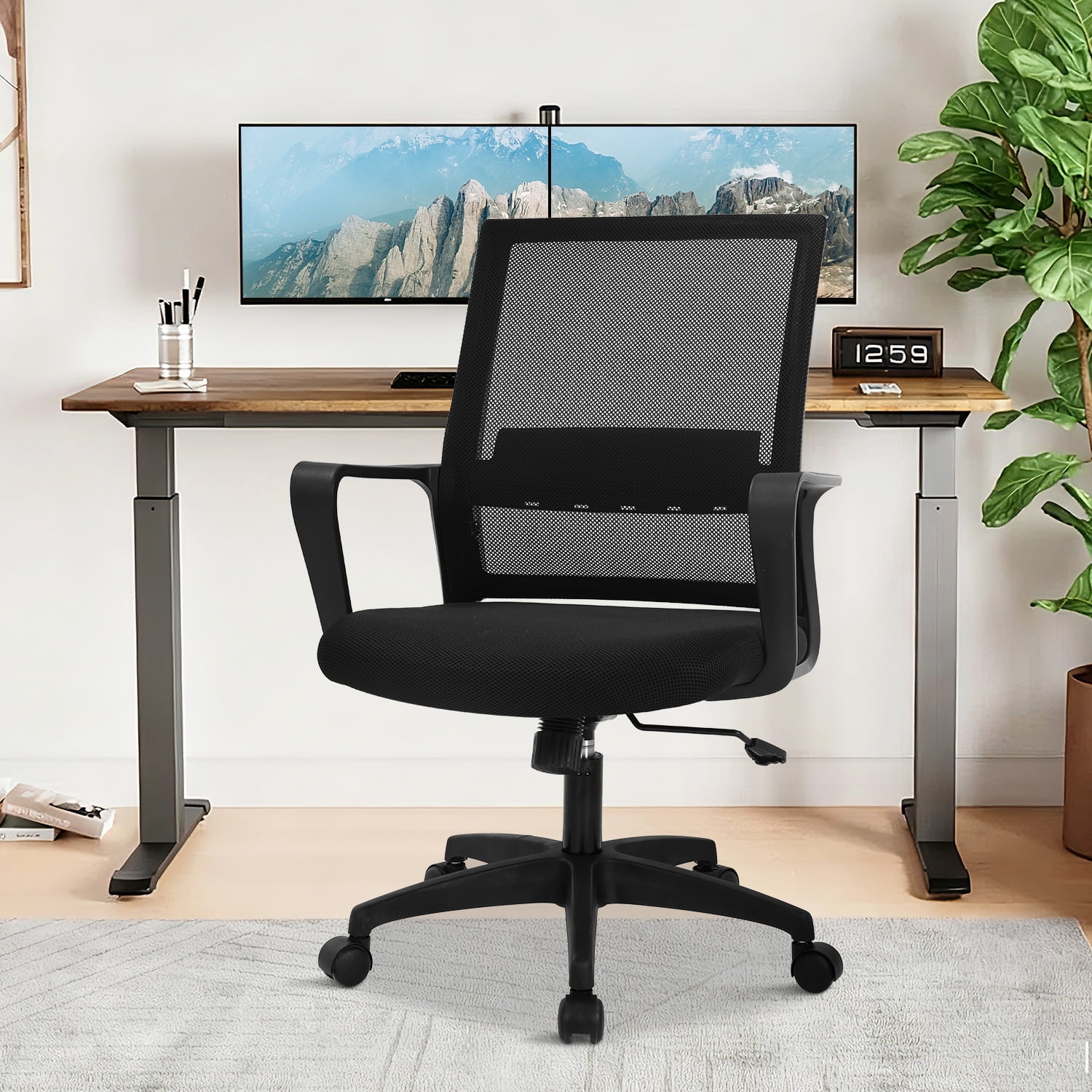
Ergonomics meets siesta: A true office chair for sleeping combines the adjustability of a high-end task chair (height, armrests, lumbar) with the recline capability of a lounge chair. Think of it as a 2-in-1 workstation and rest station.
Why Standard Office Chairs Fail for Napping
Traditional executive or mesh chairs recline maybe 30–40 degrees. Your head hangs unsupported, your legs dangle, and you wake up with a stiff neck. That's not restful. A dedicated “sleep office chair” solves this with three core innovations:
- Full recline (up to 170°): Some models lie nearly flat, with synchronized tilt mechanisms that keep your back aligned.
- Integrated or extendable footrest: Hidden under the seat, it slides out to support your legs, preventing circulation cutoff.
- Multi-position headrest: Adjusts to cradle your neck whether you're upright or supine.
Key Features of a Quality Office Chair for Sleeping
Not all reclining chairs are created equal. When hunting for the perfect model, pay attention to these engineering details:
| Feature | Why It Matters for Sleep | What to Look For |
|---|---|---|
| Recline angle & mechanism | A shallow recline won't let you truly relax; you need near-horizontal to unload the spine. | 135° minimum, ideally 150°–180° with infinite lock positions. |
| Footrest design | Without leg support, blood pools in your feet; you'll wake up restless. | Extendable, padded ottoman that stows away when not in use. Some are calf-support only; full-length is better. |
| Material breathability | Sleeping makes you warmer; sticky fabric ruins the nap. | Breathable mesh, cool-touch fabric, or perforated PU leather. |
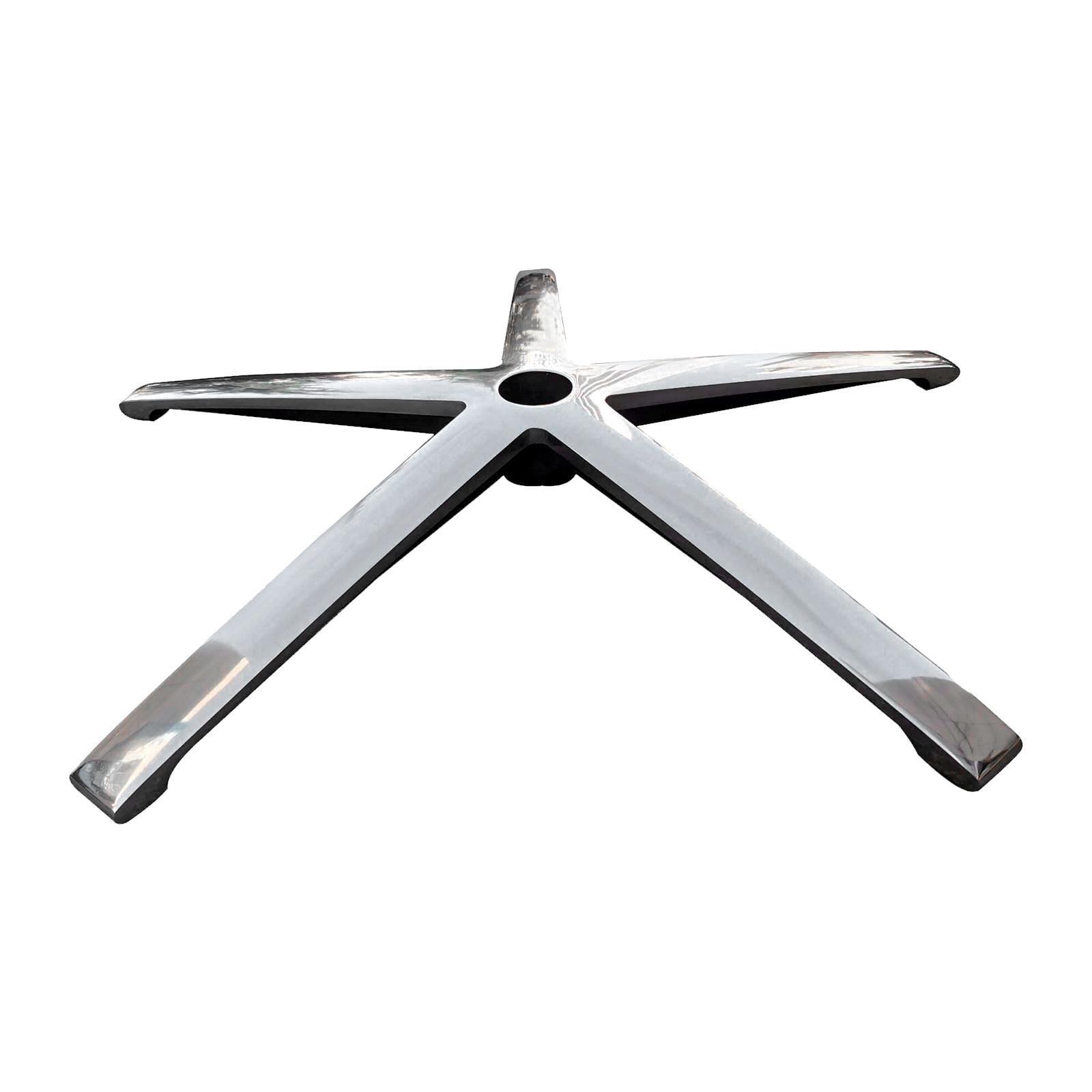
| Stability during recline | A chair that tips backward is dangerous. The base must support the shifted center of gravity. | Wider five-star base, metal frame, and casters that lock or heavy-duty brakes. |
| Armrest mobility | Fixed arms can get in the way when you recline or try to curl up. | Flip-up or drop-down armrests that clear the way for stretching. |
Types of “Sleep” Office Chairs
The market offers variations to suit different spaces and sleeping styles:
- The Convertible Task Sleeper: Looks like a normal high-back chair, but with a hidden footrest and a lever to drop the back to 150°. Ideal for open-plan offices.
- The Zero-Gravity Office Recliner: Borrows from zero-gravity patio furniture. Elevates legs above heart level, reducing stress on the spine. Often bulkier but supremely comfortable.
- The Compact Nap Chair: For small home offices. It doesn't recline fully but has a padded head tent (like a hood) and a retractable leg rest. Great for catnaps.
- Overnight Shift Chairs: Used in 24/7 call centers or medical stations. They are durable, easy to clean, and designed for repeated flat recline during breaks.
Health Benefits: Beyond Just a Nap
Using a dedicated office chair for sleeping isn't just about comfort—it has measurable wellness impacts:
Lower cortisol levels
A 20-minute power nap reduces stress hormone by 30%, improving afternoon focus.
Spinal decompression
Reclining takes pressure off lumbar discs—especially beneficial for herniated disc sufferers.
Heart health
Legs-elevated position improves venous return and reduces heart workload during short rest.
Analogies: Chair as a Swiss Army Knife
Think of an ordinary office chair like a simple kitchen knife—great for chopping vegetables, useless for opening a wine bottle. An office chair for sleeping is the Swiss Army knife of seating. It has the blade (ergonomic work mode), the corkscrew (recline mechanism), and the scissors (footrest). You don't need to move to another room; you just “unfold” the tool you need at the moment—productivity or recovery.
Data Snapshot: Sleep and Work Performance
According to the National Sleep Foundation, adults who nap 10–20 minutes report 34% higher alertness and 50% better memory recall. Yet 60% of office workers say they have no adequate napping space. Investing in a chair that enables brief, high-quality sleep directly attacks this deficit.
Material & Comfort Considerations for Sleeping
You'll be in the chair longer (maybe an hour for a deep nap), so material choice matters even more:
Best materials for sleep chairs
- Breathable mesh: Ideal for warm climates; prevents sweat buildup.
- Memory foam + cooling gel: Conforms to side-sleeping positions (some people curl up).
- Easy-clean fabric: For break rooms or medical settings.
Materials to avoid
- Bonded leather: Can crack and stick to skin; poor breathability.
- Thin mesh without padding: Causes pressure marks on cheeks/shoulders.
- Velvet: Too hot and hard to clean if used for sleeping.
Selection Guide: 4 Steps to Your Ideal Nap Chair
- Measure your space: When fully reclined, a chair needs about 6 feet of clearance from the wall. Ensure you have that.
- Check weight capacity: For stability during recline, look for 350 lb+ ratings even if you're lighter—it indicates stronger tilt mechanisms.
- Test the lock positions: You need a chair that stays put at any recline angle, not just locked upright or flat.
- Consider casters vs. glides: If you nap in the same spot, locking casters or glides prevent rolling when you shift in your sleep.
Maintenance & Longevity
A quality office chair for sleeping is a long-term investment. Expect to pay $400–$1,200 for a durable model. Maintenance includes lubricating the recline mechanism every 6 months and tightening bolts. Fabric chairs may need periodic vacuuming to remove dust mites (important for allergy-free sleep).
Frequently Asked Questions: Office Chair for Sleeping
Final Verdict: Reclaim Your Energy
The line between work and rest is blurring. An office chair for sleeping isn't a luxury; it's a tool for sustained performance. Whether you're a remote worker stealing 20 minutes between meetings, a night-shift nurse, or a CEO who values sharp decision-making, the right chair can be your secret weapon. Prioritize adjustability, material comfort, and stability. A good model will serve you for 5–10 years, paying back in productivity and wellbeing.