
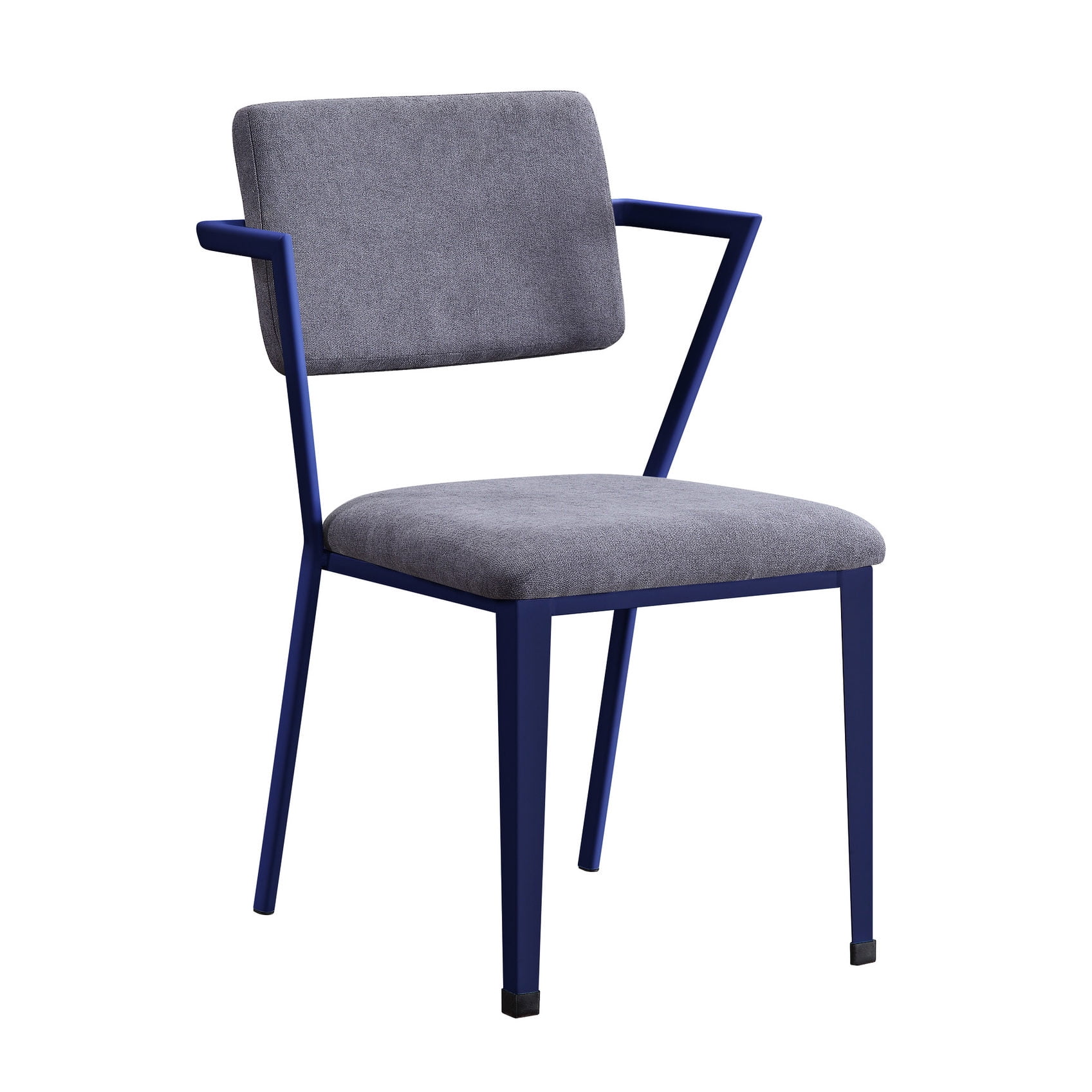
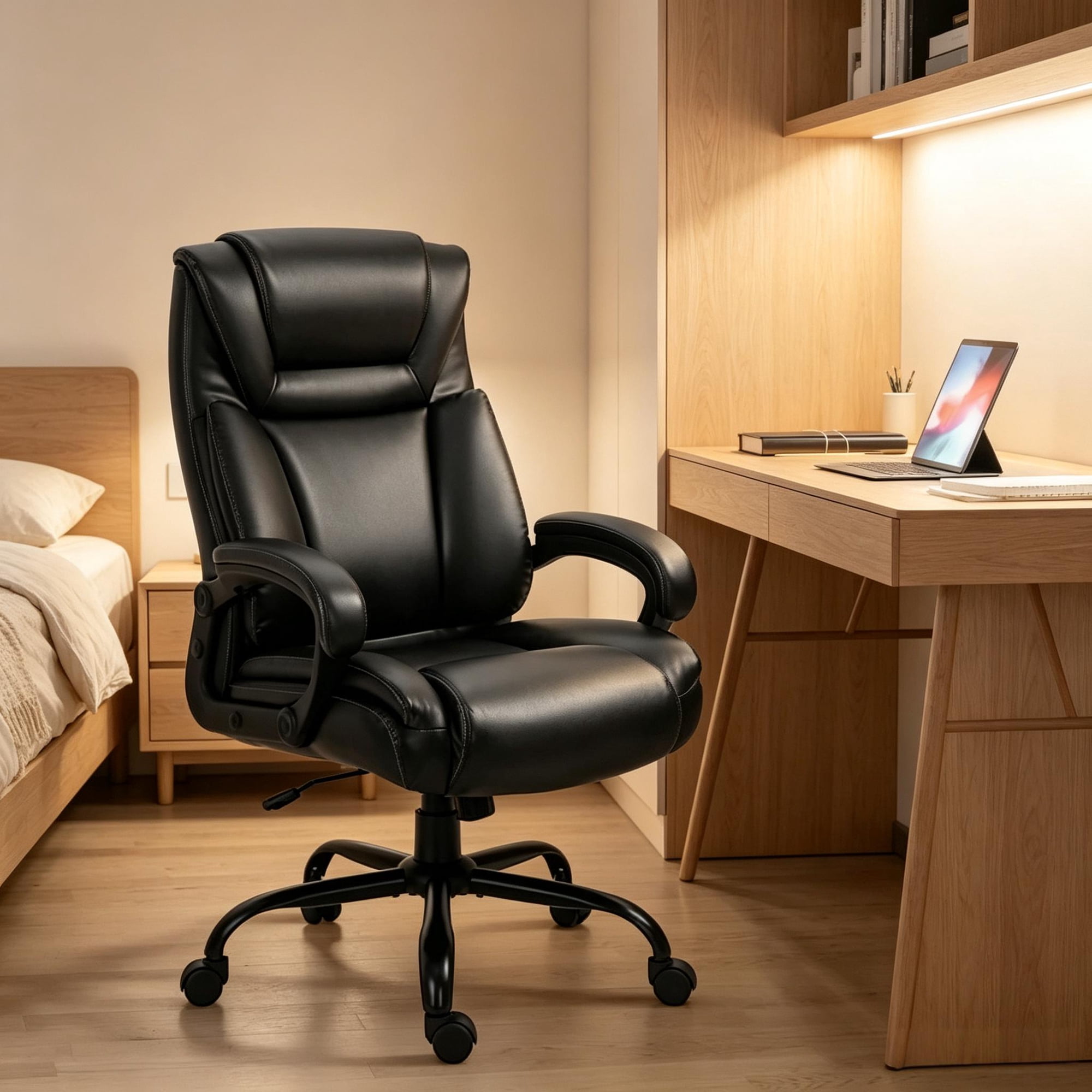
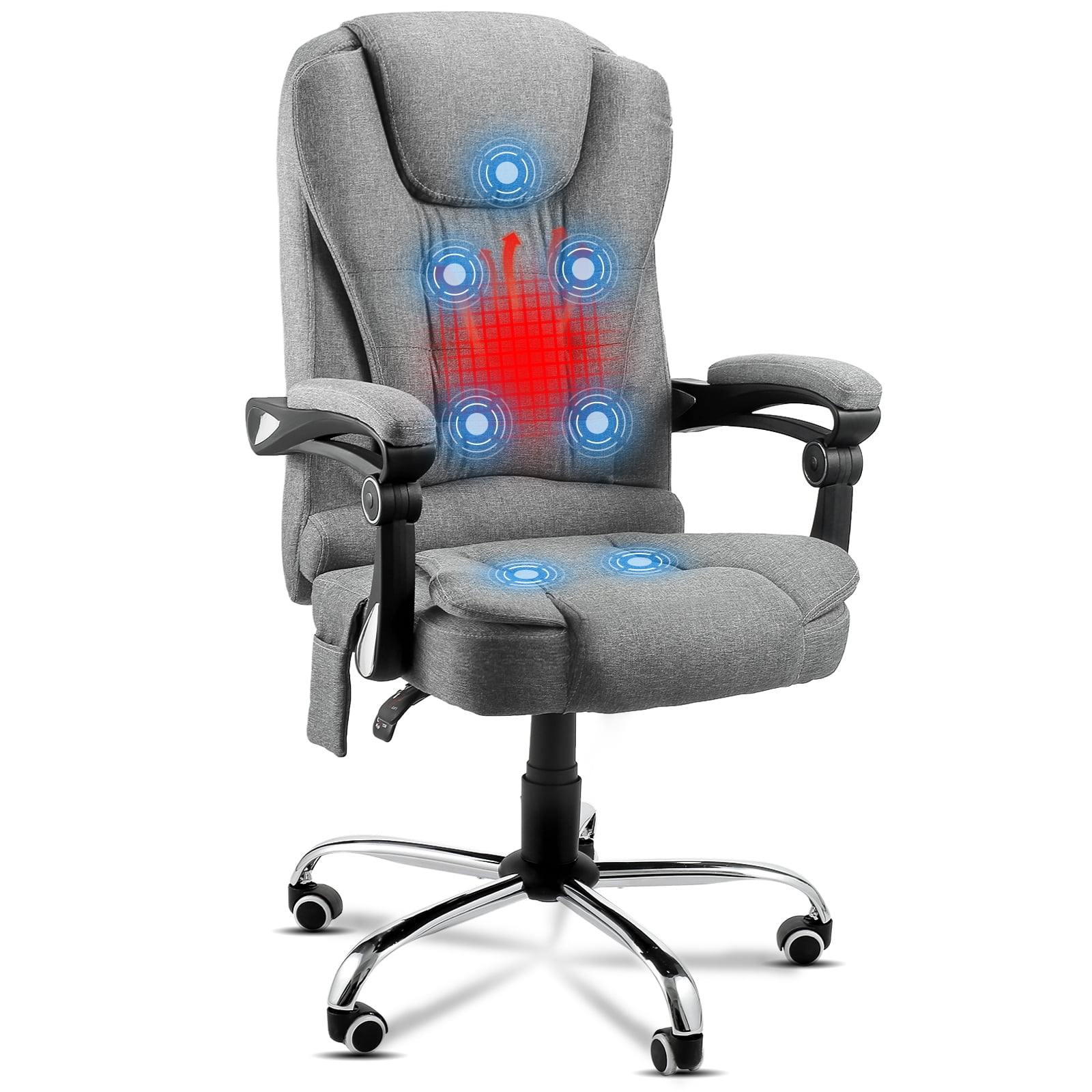
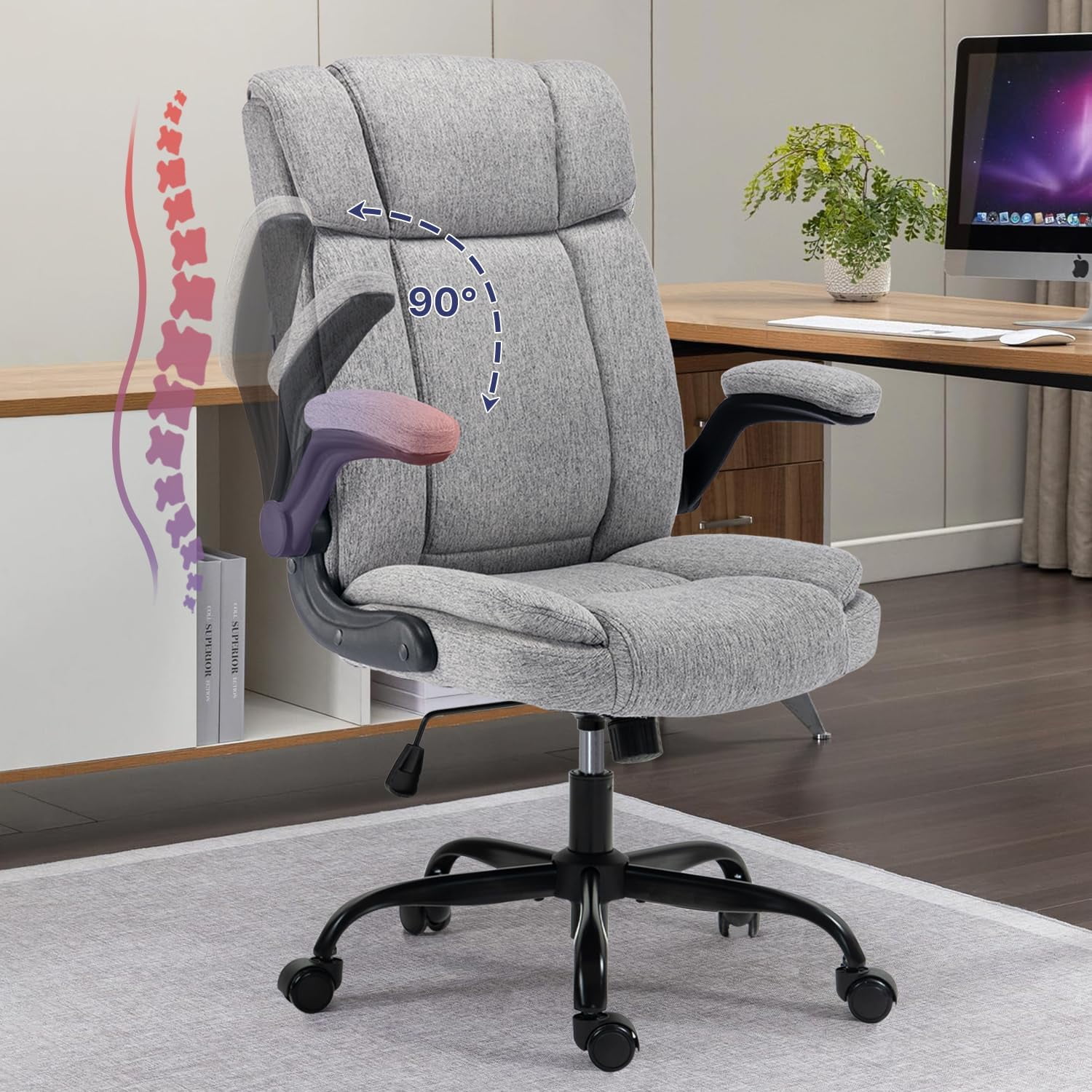
Why Choose a Fabric High Back Office Chair?
Imagine settling into your chair after a long morning. Instead of the shock of cold leather or the stickiness of synthetic materials, you're greeted by a warm, breathable surface that seems to welcome you. This is the everyday reality of a fabric high back office chair. While leather often dominates the executive suite, a growing number of professionals are discovering that high-quality fabric offers a superior experience for extended work sessions. It’s like choosing a tailored wool suit over a plastic raincoat—both serve a purpose, but one breathes with you, moves with you, and feels inherently more comfortable.
A high back chair provides critical support for your entire spine, from your pelvis to your shoulder blades. When upholstered in fabric, this support system is enhanced by a material that actively contributes to your comfort. Unlike a rigid surface, fabric has a natural give, reducing pressure points and providing a "cozy" yet supportive feel. According to ergonomic studies, perceived comfort significantly reduces muscle tension and fatigue, allowing you to focus better on complex tasks.
The Fabric Advantage: Breathability, Durability, and Design
The magic of a fabric chair isn't just in the foam; it's in the skin. Modern office fabrics are engineering marvels. We've moved far beyond the rough, staticky textiles of the past. Today's fabrics are designed to be performance materials. Think of them like high-tech sportswear for your chair—they wick moisture, resist stains, and stand up to years of daily use. Here’s a deeper look at why fabric is often the unsung hero of ergonomic seating.
1. Breathability and Temperature Regulation
This is the single biggest differentiator. Leather and vinyl are non-porous; they trap heat and moisture against your body, leading to that uncomfortable "sweaty back" feeling. Fabric, by its very nature, is a woven structure with thousands of tiny air pockets. This allows for constant airflow. A breathable fabric office chair acts as a climate regulator, wicking away humidity and preventing heat buildup. For anyone working long hours or living in a warmer climate, this isn't just a luxury—it's a necessity for maintaining focus and comfort.
2. A Spectrum of Styles and Textures
Fabric opens up a world of design possibilities that leather simply can't match. From the sleek, professional look of a charcoal tweed to the modern appeal of a vibrant knit or even a plush velvet, fabric allows you to personalize your workspace. This variety means you're not just buying a chair; you're choosing a piece that complements your office's aesthetic. Whether you need a dark grey office chair that blends in or a cognac leather office chair's fabric cousin in a rich textured weave, the options are nearly limitless.
3. Enhanced Grip and Stability
Have you ever found yourself slowly sliding forward in a leather chair? The smooth surface can be a culprit. Fabric provides a natural grip. It holds you gently in place, ensuring that your posture remains stable throughout the day. This subtle friction means you maintain the ergonomic adjustments you've set, preventing the micro-adjustments and fidgeting that can lead to distraction and discomfort.
4. Durability and Longevity of Modern Fabrics
It's a common myth that fabric is less durable than leather. High-performance fabrics, often with high rub-count ratings (tested by the Wyzenbeek method), can withstand decades of use. Solution-dyed fabrics, where the color is part of the fiber itself, are incredibly resistant to fading from sunlight and cleaning agents. When comparing a cheap bonded leather that might peel in two years to a high-quality commercial-grade fabric, the fabric will almost certainly outlast it. A well-made fabric high back office chair is an investment in long-term durability.
Your 5-Step Guide to Choosing the Perfect Fabric High Back Chair
Selecting the right chair can feel overwhelming. Use this simple, step-by-step approach to cut through the noise and find your perfect match.
Step 1: Assess Your "Sitting Style"
Are you a sit-forward task worker, or do you like to lean back and think? If you're constantly typing and leaning in, you'll need a chair with adjustable armrests and a responsive tilt mechanism. If you spend hours in meetings or on calls, prioritize a chair with a generous recline and a comfortable headrest. Your sitting style dictates the features you'll use most.
Step 2: Decode the Fabric Type
- Mesh Fabric: The ultimate for breathability. Best for hot environments or those who run warm.
- Polyester/Nylon Weave: The workhorse. Highly durable, stain-resistant, and available in countless colors and patterns.
- Performance Velvet: Adds a touch of luxury and softness. Look for "stain-resistant" treatments if you're prone to spills.
- Wool or Wool-Blend: Classic, warm, and incredibly durable. Excellent for a traditional, high-end office look.
Step 3: Prioritize the Lumbar Mechanism
A high back is only as good as the support it provides. Look for chairs with adjustable lumbar support. The best systems allow you to adjust both the height (to fit the curve of your spine) and the depth (how much it pushes into your back). This is non-negotiable for preventing lower back pain.
Step 4: Check the "Waterfall Edge"
Run your hand under the front edge of the seat. Is it hard and square, or does it slope gently downward? A "waterfall edge" is crucial. It relieves pressure on the back of your thighs, promoting healthy blood circulation to your legs and feet. Without it, you may experience numbness or discomfort after an hour or two.
Step 5: Consider the Long-Term Maintenance
While fabric is beautiful, it does require some care. Ask yourself: Will this chair be in a high-traffic area? Do I eat at my desk? For high-risk areas, choose a fabric with a stain-resistant finish or a darker color that hides wear. Remember, regular vacuuming is the simplest way to keep your chair looking new for years.
Statistics That Support the Switch to Fabric
Research in workplace ergonomics continually highlights the importance of environmental comfort. A study by the Human Factors and Ergonomics Society found that workers in chairs with breathable upholstery reported a 15% higher comfort rating over an 8-hour period compared to those in non-breathable materials. Furthermore, proper lumbar support, a staple in quality fabric high back office chairs, can reduce spinal disc pressure by up to 40%, according to research published in the journal 'Spine'.
Fabric vs. Leather: A Quick Comfort Check
| Feature | Fabric High Back Chair | Leather High Back Chair |
|---|---|---|
| Breathability | Excellent — allows air to circulate. | Poor — can trap heat and moisture. |
| Initial Feel | Warm and soft. | Cool and firm. |
| Maintenance | Requires vacuuming and occasional spot cleaning. | Easy to wipe clean. |
| Color Variety | Virtually unlimited. | Limited to natural and dyed leather tones. |
| Best For | All-day comfort, temperature-sensitive users, style diversity. | High-traffic areas, spill-prone environments, traditional aesthetics. |
Frequently Asked Questions About Fabric High Back Office Chairs
Conclusion: Invest in the Comfort You Deserve
A fabric high back office chair is more than just a place to sit; it's a workstation that actively contributes to your well-being and productivity. By choosing fabric, you're opting for breathability, personalized comfort, and a style that reflects your professional space. Don't view it as an alternative to leather, but rather as an upgrade in daily ergonomic experience. Use the guide above, consider your personal needs, and invest in a chair that will support you through countless hours of focused work.