
Why a Dedicated Home Office Chair with Back Support is Non-Negotiable
Working from home has blurred the lines between our personal and professional lives. If you're reading this, you've likely felt the familiar ache in your lower back after a long day hunched over a laptop or sat on a dining room chair. The truth is, your body is not designed for static, unsupported sitting. A home office chair with back support is not a luxury; it's the cornerstone of a productive and healthy workspace. It's the single most important tool you can invest in to protect your spine, enhance your focus, and make those eight-hour workdays feel less like a marathon and more like a sustainable routine.
Did you know? According to a study published in the journal "Ergonomics," using an ergonomic chair with adequate lumbar support can reduce spinal disc compression by up to 40% compared to a standard, non-adjustable office chair. This reduction directly translates to less fatigue and a lower risk of developing chronic lower back pain.
Decoding Back Support: Anatomy of an Ergonomic Home Office Chair
When we talk about back support, we're referring to a holistic system of design features working in harmony. It's more than just a pillow on the back of a chair. Let's break down the critical components that separate a truly supportive chair from a simple seat.
1. The Holy Grail: Adjustable Lumbar Support
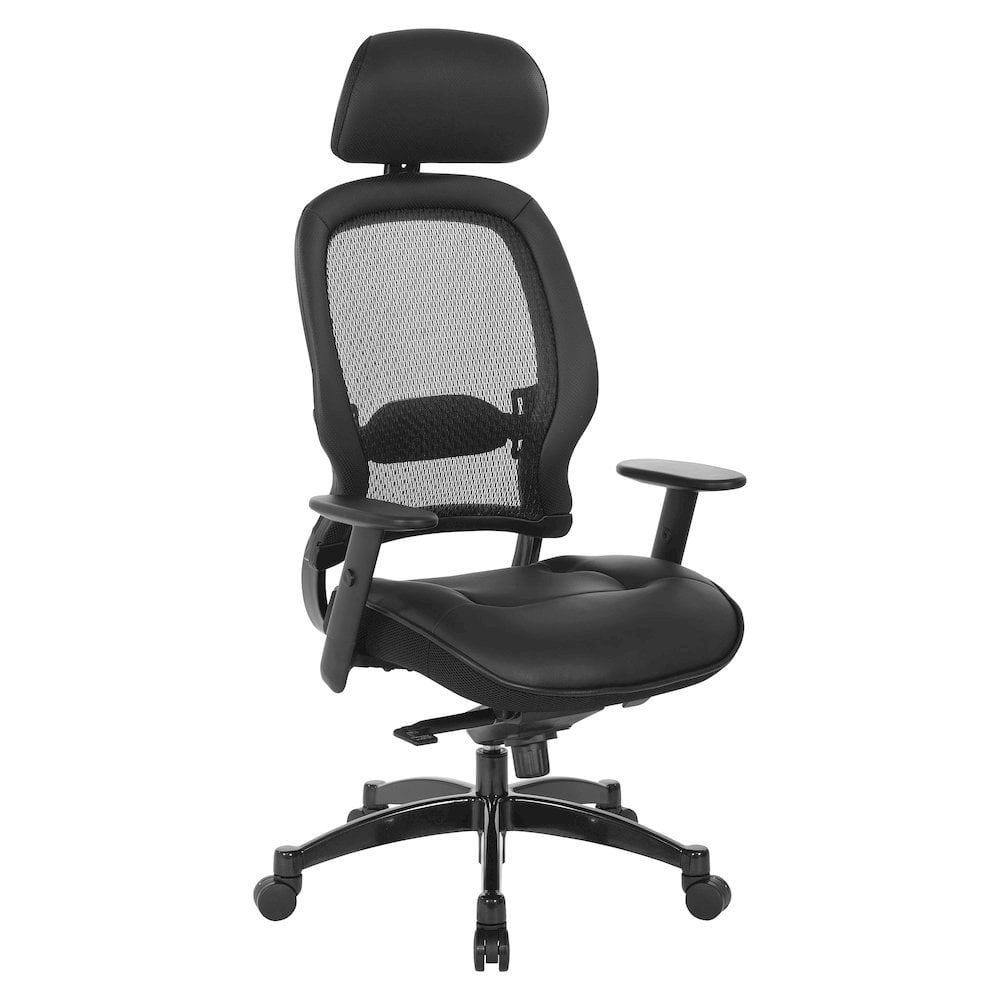
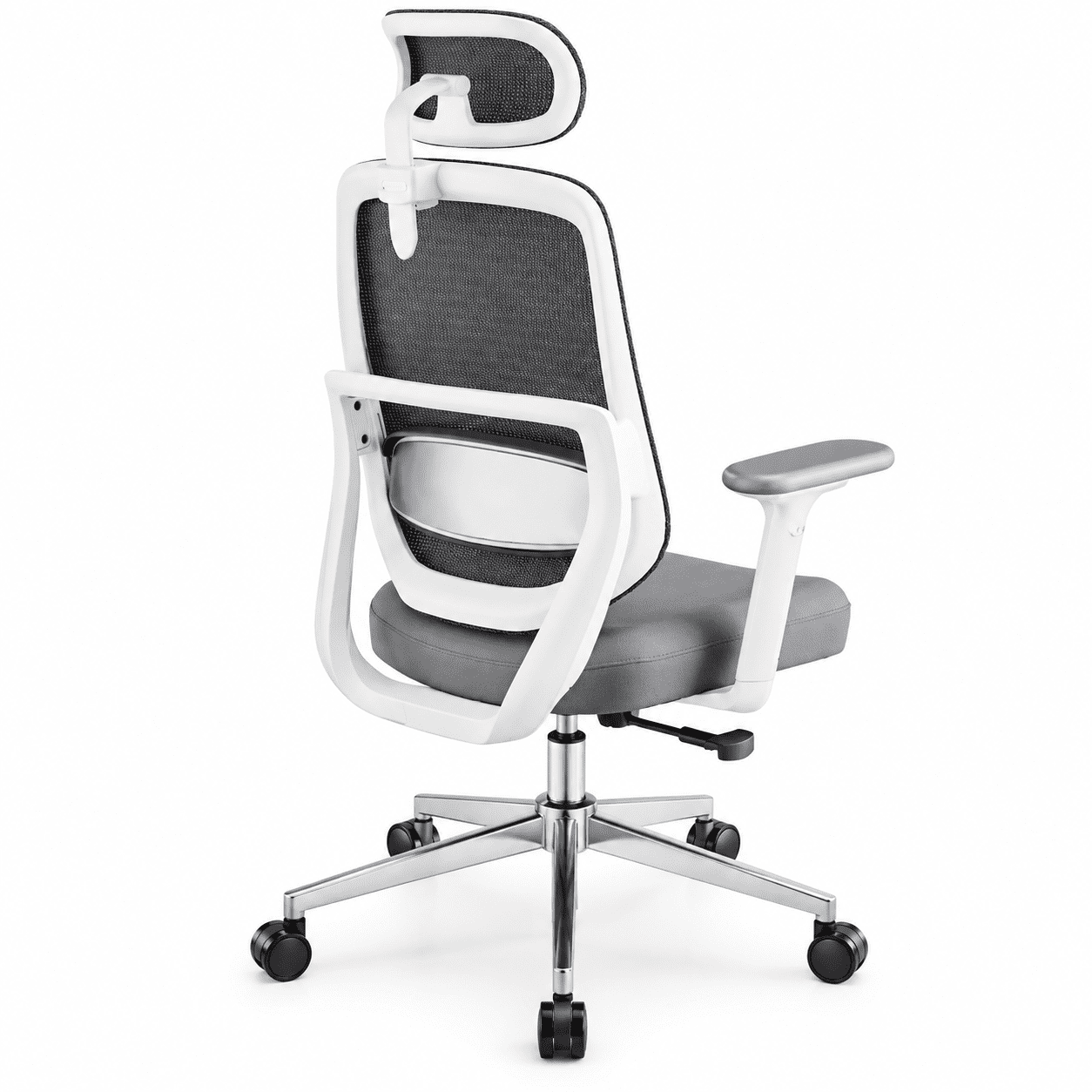
Think of your spine's natural 'S' curve. The inward curve in your lower back (the lumbar region) is particularly vulnerable when you sit. A chair without proper lumbar support allows you to slump, flattening this curve and putting immense pressure on your spinal discs. A good chair will have a lumbar support mechanism that adjusts in both height and depth. Height adjustment ensures the support hits the right spot on your back, while depth adjustment (how much it pushes forward) fills the gap between your back and the chair, providing that 'locked-in' feeling.
2. The Foundation: Seat Depth and a Waterfall Edge
Imagine trying to sit upright with the back of your knees pressing hard against the seat. Uncomfortable, right? That's what happens when a seat is too deep. You can't use the backrest properly, leading to slouching. An ergonomic chair allows you to adjust the seat depth so there's a 2-3 finger width gap between the back of your knee and the seat pan. Additionally, a 'waterfall' front edge—where the seat curves gently downward—relieves pressure on the back of your thighs, promoting healthy blood circulation to your legs and further encouraging you to sit back properly.
3. The Dynamic Duo: Backrest Recline and Tilt Tension
Sitting perfectly still at a 90-degree angle for hours is neither natural nor healthy. Your body craves movement. A quality home office chair will feature a synchronized recline mechanism that allows the backrest to move independently of the seat, or a tilt mechanism where the whole seat and back move together. The key is adjustable tilt tension. This allows you to set how much force is needed to recline. A looser tension lets you subtly rock and shift your posture throughout the day, which pumps nutrients into your spinal discs and prevents stiffness. Think of it as your chair encouraging micro-movements, your spine's best friend.
4. Material Matters: Mesh vs. Upholstery for Back Health
The material covering the backrest plays a huge role in comfort and, by extension, support. If you get too hot, you'll fidget and lose your good posture. Here’s a quick, practical breakdown for a home office environment:
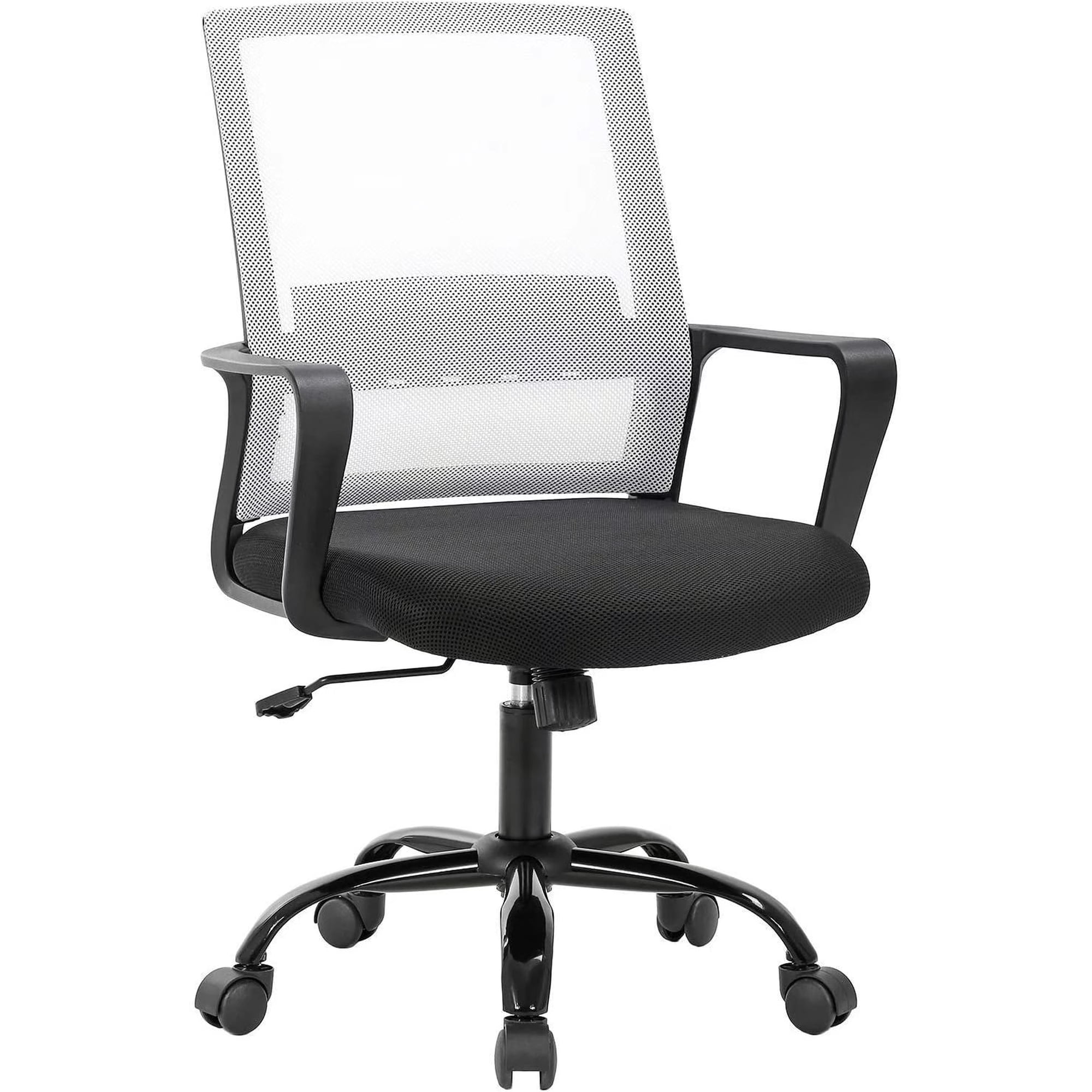
- Excellent air circulation, keeping you cool.
- Conforms to the shape of your back for dynamic support.
- Generally more flexible and responsive to movement.
- Ideal for long hours and warmer climates.
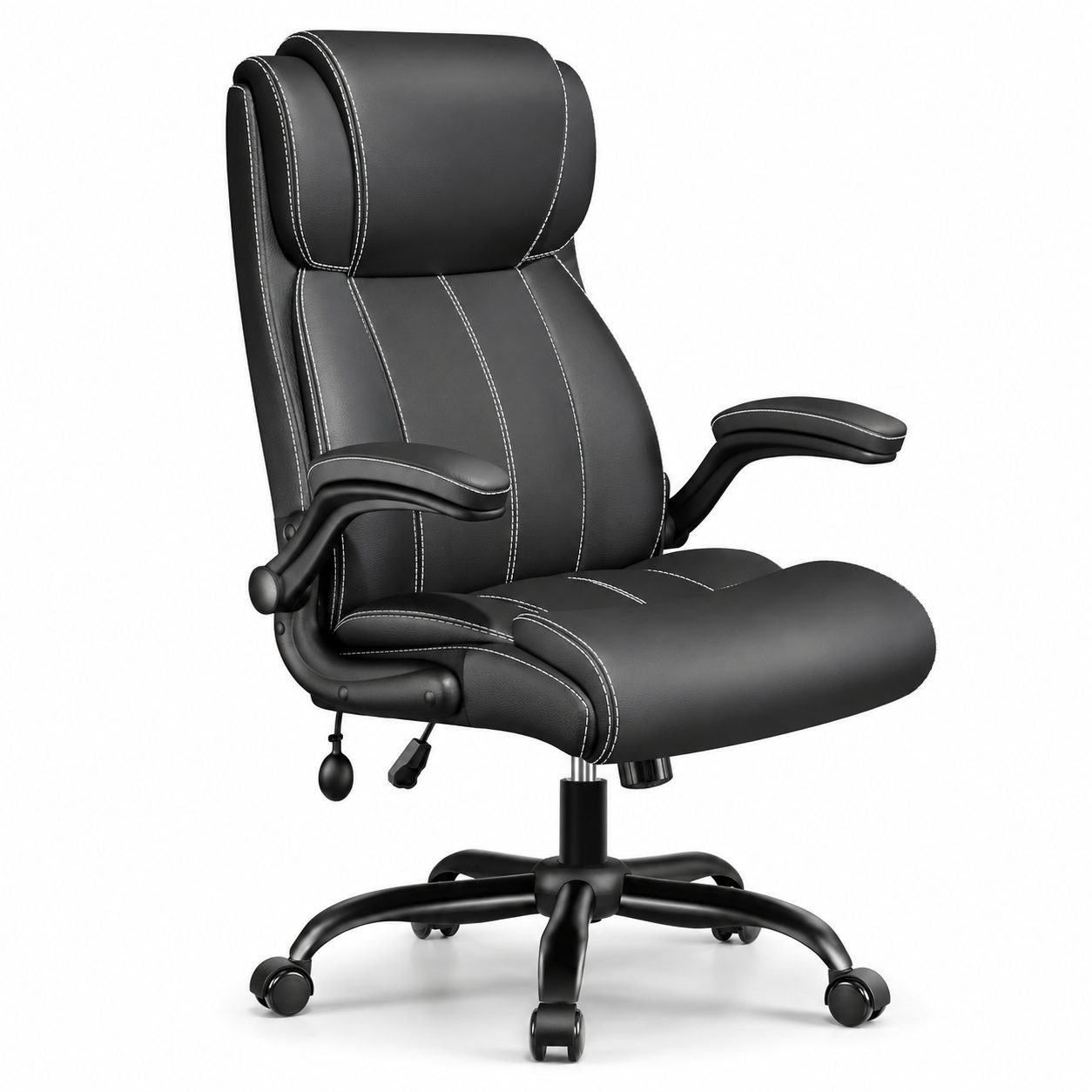
- Can feel more luxurious and 'executive'.
- Fabric offers good breathability; leather can get hot.
- Requires a plush but firm foam to maintain support.
- May provide a more 'hugged' feeling, but can sag over time.
5. The 4D Armrest Factor: Supporting Your Upper Body
Back support isn't just about your spine; it's about your entire upper body. If your armrests are too high, your shoulders hunch up, causing neck and upper back tension. If they're too low, you slump to the side. 4D armrests (adjustable up/down, left/right, forward/back, and pivot) are a game-changer. They allow you to position your arms so your shoulders are relaxed and your elbows are at a 90-degree angle, taking the load off your upper back and allowing you to maintain a neutral spine position.
Your 5-Step 'Test Drive' for a New Chair
Before you commit to a chair (or after it arrives), use this quick checklist to ensure it's the right fit for your body.
- The Height Check: Adjust the seat height so your feet are flat on the floor, thighs parallel to the ground. Your knees should be roughly level with your hips.
- The Lumbar Locator: Adjust the lumbar support so the most prominent part presses comfortably into the curve of your lower back. You should feel supported, not poked.
- The Seat Depth Test: While sitting upright with your back against the lumbar support, make a fist and try to slide it behind your calf, against the front edge of the seat. You should be able to fit your fist (or 2-3 fingers) comfortably.
- The Armrest Alignment: Sit with your arms relaxed at your sides, then bend your elbows to 90 degrees. Adjust the armrests to just lightly support the point of your elbow, keeping your shoulders down and relaxed.
- The Recline Rhythm: Adjust the tilt tension so you can recline back with a gentle push, and it returns you to an upright position with equal control. Test the locking mechanisms if available.
Beyond the Back: Ripple Effects of Proper Seating
Sharpened Focus
Discomfort is a major distraction. By eliminating physical nagging, you free up mental energy for deep work and creative thinking.
Improved Digestion
Slouching compresses your internal organs. An upright posture supported by a good chair allows your digestive system to function more efficiently.
Elevated Mood
Research suggests a link between posture and mood. Sitting upright can lead to higher self-esteem and a more positive outlook during the workday.
Energy Preservation
Your body doesn't have to work as hard to hold itself up against gravity. This reduces overall fatigue, leaving you with more energy for life after work.