
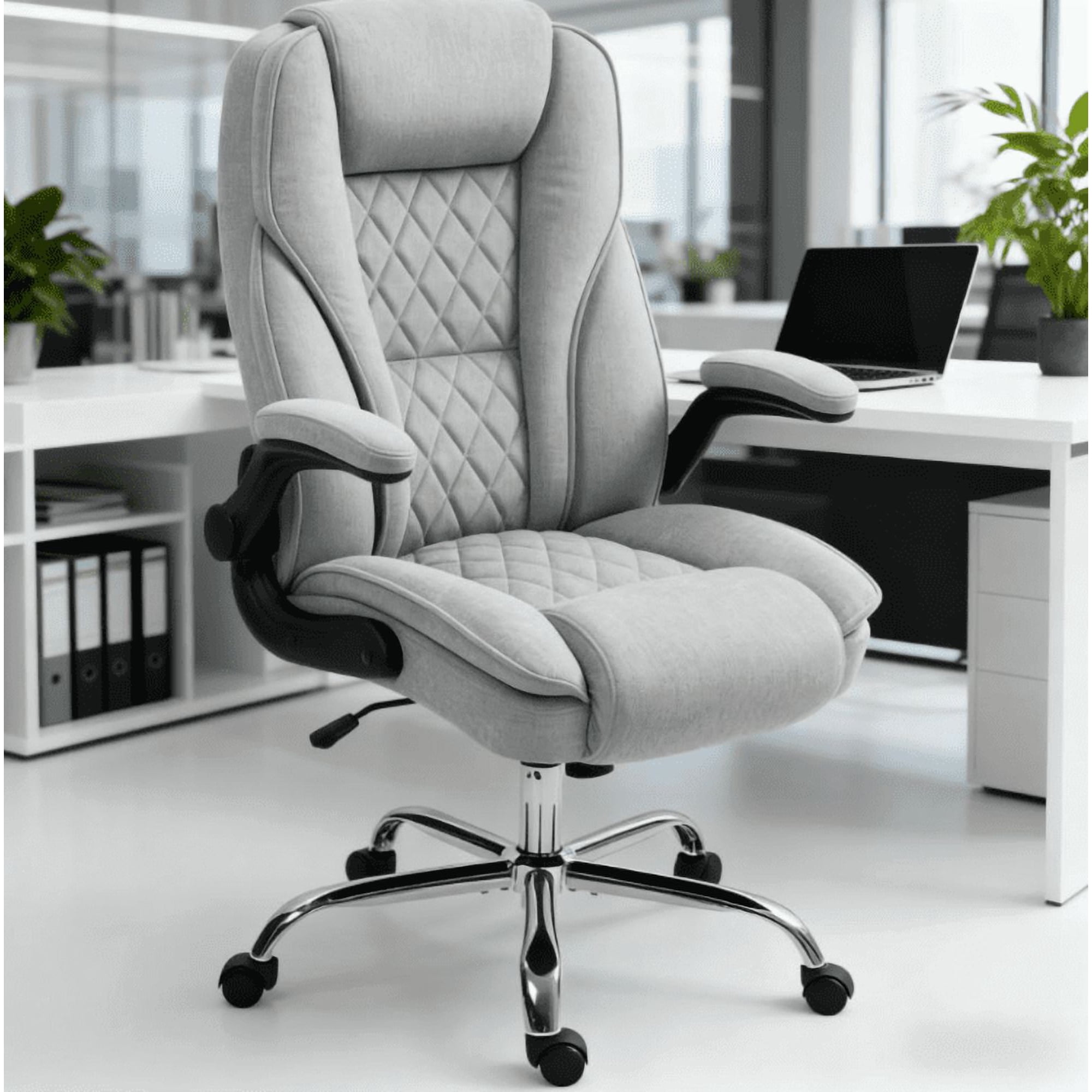
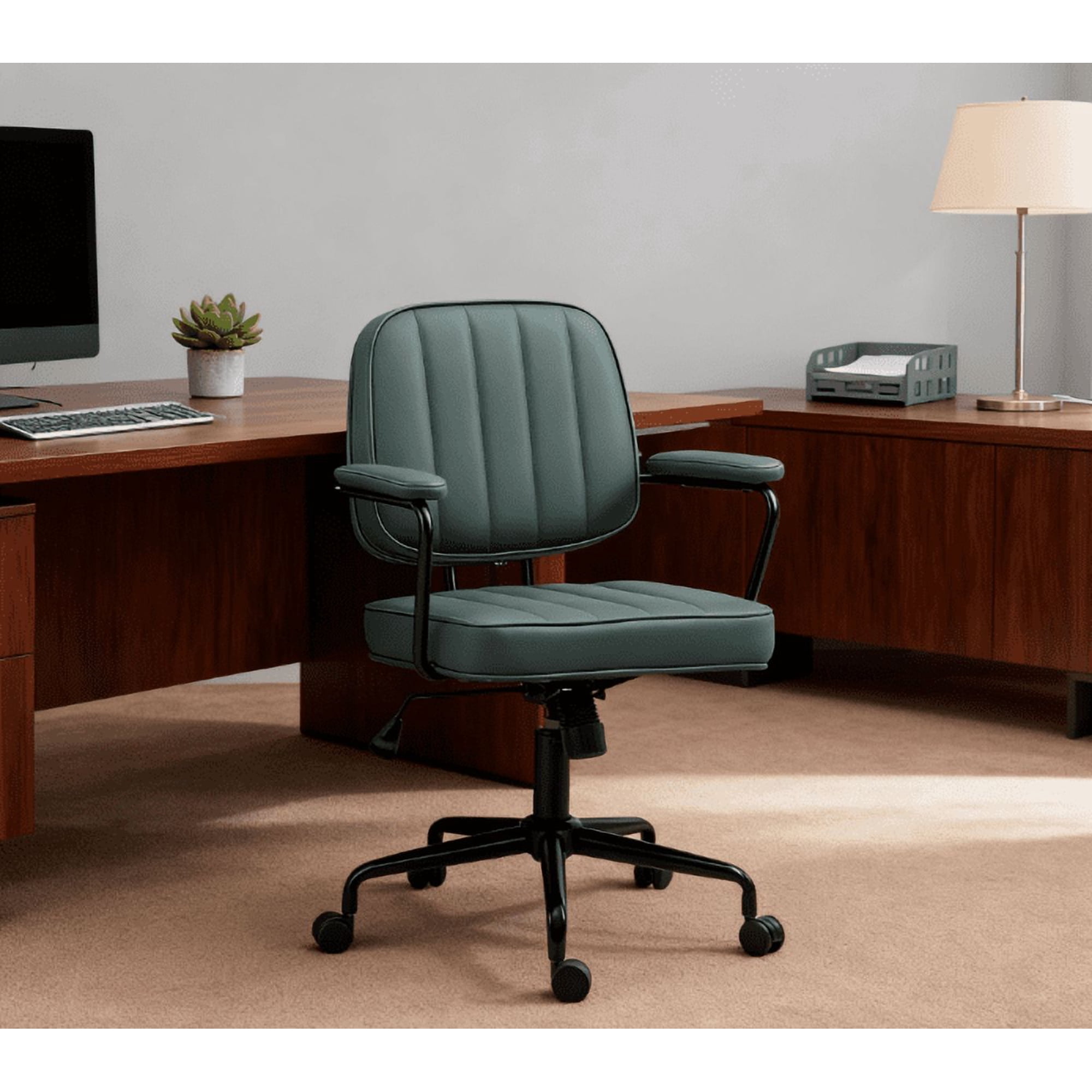
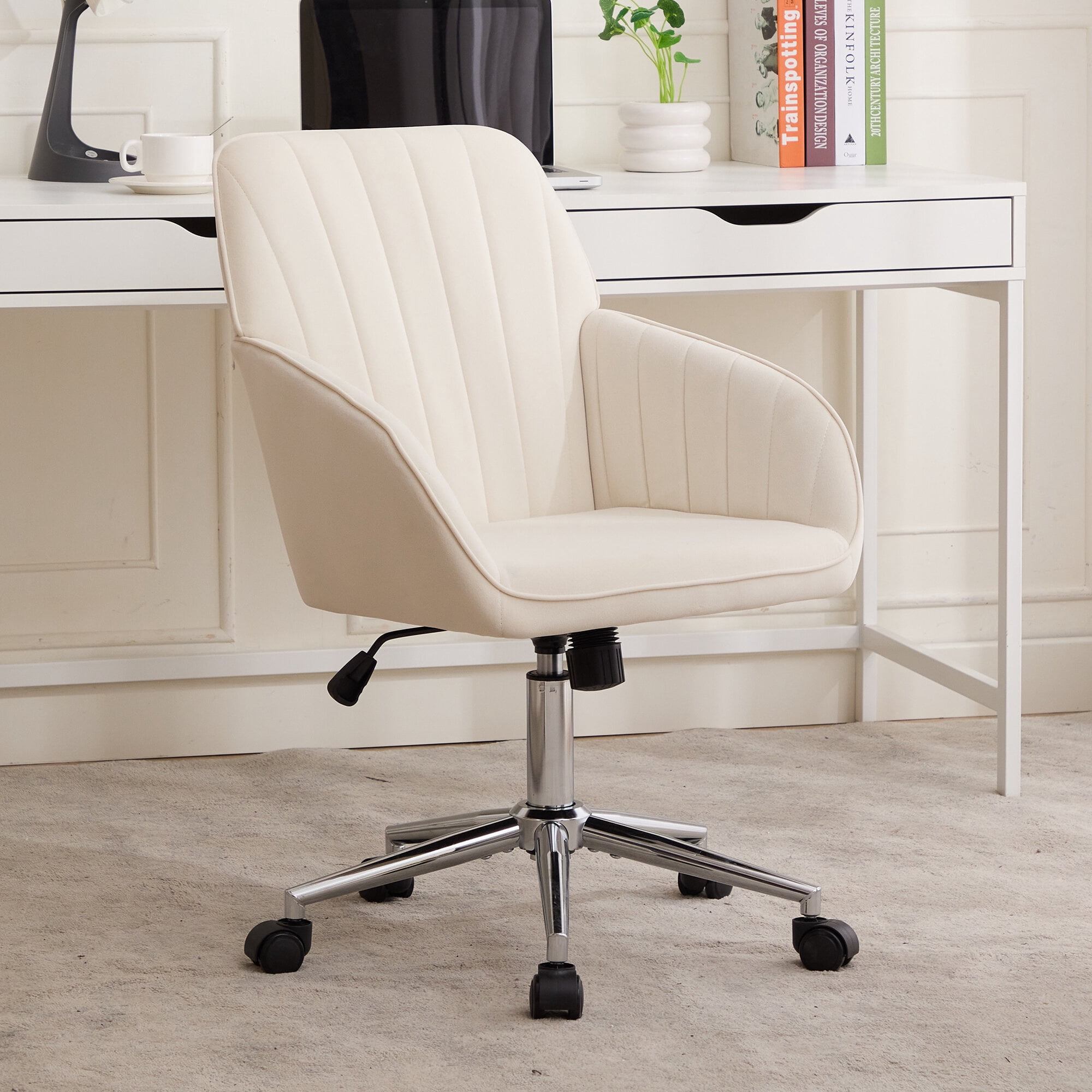
Why Your Home Office Deserves a "Nice" Chair
Imagine this: you're settling into your home workspace for a few hours of focused work. Instead of perching on a stiff, unsightly chair that groans every time you move, you sink into a chair that feels like it was made for you—supportive in all the right places, and stylish enough that you wouldn't mind it in your living room. That's the essence of a nice office chair for home.
It's not just about looks, though aesthetics matter when your office doubles as a guest bedroom or a corner of your living area. It's about creating an environment where you can do your best work without sacrificing your physical well-being. According to a study by the British Chiropractic Association, 74% of UK adults have experienced some form of body ache or pain from working from home, often linked to poor seating. Investing in a quality chair is an investment in your daily comfort and long-term health.
Decoding the "Nice" Factor: What to Look For
Selecting a nice office chair for home involves more than just picking a color that matches your curtains. It's a mix of science (ergonomics) and art (design). Let's break down the essential elements.
1. Ergonomic Essentials: The Hidden Framework
Like a high-performance car, a great chair has features you can't see but you'll definitely feel. These are non-negotiable for a chair you'll use daily:
- Adjustable Lumbar Support: Your lower back has a natural inward curve. A chair with adjustable lumbar support (both height and depth) fills that space, preventing the slouching that leads to backache. Look for chairs with a firm, contoured pad or a dynamic mechanism that moves with you.
- Seat Depth Adjustment: This often-overlooked feature is crucial. You should be able to sit with your back against the backrest while leaving 2-3 finger widths between the back of your knee and the seat edge. Too deep, and it cuts off circulation; too shallow, and you lack thigh support.
- 4D Armrests: Armrests that adjust in height, width, depth, and angle allow you to keep your shoulders relaxed and elbows at a 90-degree angle. They should support your forearms without hunching or splaying.
- Synchronous Mechanism: This allows the backrest and seat to move in a natural ratio (usually 3:1) as you recline. It keeps you supported through a range of motion, encouraging dynamic sitting rather than being frozen in one position.
2. Aesthetic Harmony: Blending with Your Home
A "nice" chair shouldn't look like it was stolen from a sterile corporate cubicle. It should feel like a natural part of your home. Consider these stylistic avenues:
- Mid-Century Modern: Characterized by clean lines, tapered wooden legs, and rich upholstery (velvet, leather). These chairs add a touch of retro sophistication and work beautifully in spaces with wooden furniture.
- Scandinavian Minimalism: Think light woods, pale fabrics (grey, beige, cream), and simple, functional forms. These chairs create a calm, airy feel and are masters of understated elegance.
- Industrial Loft: Featuring exposed stitching, metal accents, and materials like distressed leather or heavy-duty canvas. These chairs have a sturdy, grounded presence that suits a more rustic or urban decor.
- Contemporary Chic: A category for sleek, modern designs. This often includes high-back chairs with sculptural forms, bold colors (like a deep emerald or blush pink), and mixed materials like polished aluminum and soft fabric.
3. Material Matters: Comfort, Durability & Vibe
The material dictates not only the chair's look but also its feel and longevity. Here’s a quick guide for the home user:
Breathable Mesh
- Best for: Warm climates, long work hours, those who run hot.
- Vibe: Modern, technical, airy.
- Care: Easy to wipe down, but can trap dust.
Luxurious Leather/Faux Leather
- Best for: A classic or executive look, easy cleanup of spills.
- Vibe: Sophisticated, warm, substantial.
- Care: Wipe clean; real leather needs occasional conditioning.
Cozy Fabric (Velvet, Wool, Polyester)
- Best for: Adding color/texture, colder climates, comfort-seekers.
- Vibe: Soft, inviting, homely.
- Care: May require spot cleaning or professional cleaning for stains.
Sustainable Materials
- Best for: Eco-conscious buyers. Look for recycled fabrics, FSC-certified wood, or bio-based foams.
- Vibe: Responsible, natural, thoughtful.
- Care: Varies by material, but often durable.
4. Right-Sizing for Your Space and Body
A chair that's too big or too small for you or your room will never feel "nice." Consider these dimensions:
- Seat Width & Depth: Ensure the seat pan comfortably supports your thighs without pressure on the back of your knees. For larger users, look for "big and tall" rated chairs with wider seats.
- Backrest Height: High-back chairs offer more shoulder and neck support, great for taller individuals or those who like to recline. Mid-back chairs encourage more upright posture and feel less enclosing.
- Chair Footprint: Measure your space. A chair with a large, five-star base needs room to swivel. If your desk is against a wall, ensure the chair won't hit the wall when you lean back.
5. The "Nice" Test: Features for Home Comfort
Beyond the basics, certain features elevate a chair from "functional" to "nice":
- Adjustable Tilt Tension: Lets you tailor how much effort it takes to recline. You want it to support you, not fling you backwards.
- Multi-Lock or Infinite Recline: Allows you to lock the chair at various angles, perfect for leaning back to read, think, or watch a webinar.
- Quiet-Roll Casters: Essential for home use, especially on hardwood or tile floors. Look for soft rubber or polyurethane wheels that won't scratch or make noise.
- Gas Lift with Range: Ensure the chair can go low enough for you to place your feet flat on the floor and high enough to align with your desk.
Frequently Asked Questions About Nice Home Office Chairs
Final Thoughts: Your Home, Your Workspace, Your Chair
Finding the right nice office chair for home is a personal journey. It's about marrying the technical requirements of ergonomics with the emotional appeal of great design. A chair is where you'll spend thousands of hours—working, creating, connecting. It should support your body, please your eye, and make your home office a place you actually want to be.
Start by identifying your must-have ergonomic features, then explore the styles and materials that resonate with you. Don't be afraid to invest a little more for a chair that will serve you well for the next decade. After all, your comfort and productivity are worth it.