
Why Your Workspace Demands a Good Chair for Office Work
In today's hybrid and desk-bound work culture, the question isn't just about having a chair — it's about having the right chair. A good chair for office work acts as your silent partner, ensuring you stay focused, energized, and free from nagging aches. According to the Occupational Safety and Health Administration (OSHA), prolonged sitting with poor posture contributes to over 70% of work-related musculoskeletal disorders. Choosing a supportive, ergonomic chair is a proactive step toward long-term wellness.
Industry Insight: Recent workplace studies reveal that employees who use high-quality ergonomic chairs report a 45% increase in concentration and a 34% reduction in fatigue by mid-afternoon. Your chair directly influences your output and mood.
Anatomy of a Great Office Chair: Key Ergonomic Features
Not all chairs are created equal. When you search for a good chair for office work, these core components define excellence:
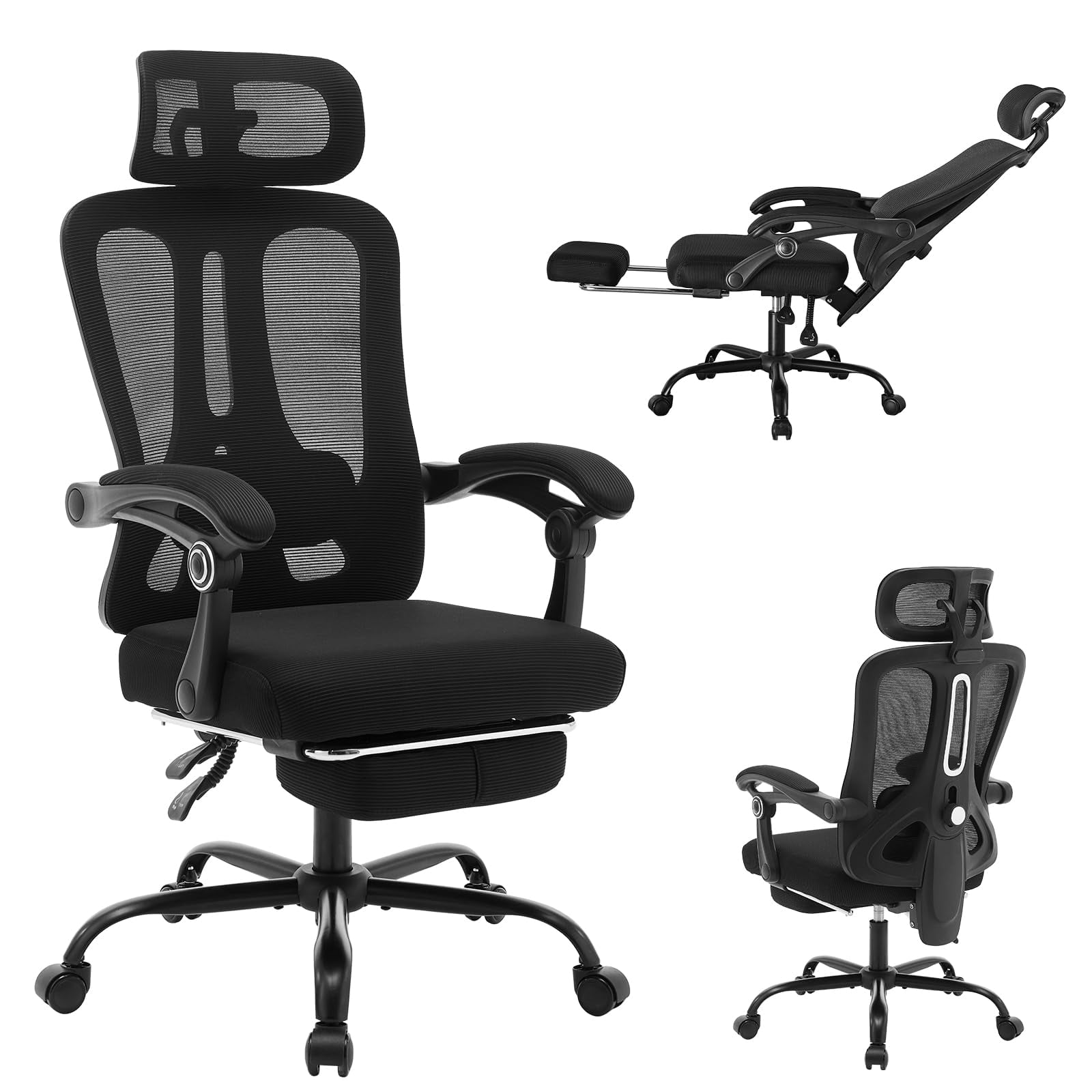
- Adjustable Lumbar Support: Dynamic support that follows your spine's natural curve, preventing slouching and lower back strain.
- Seat Depth & Width: A seat pan that allows 2-4 fingers of space between the edge and your knees ensures proper circulation and thigh support.
- Multi-Dimensional Armrests: Height, width, and pivot adjustments keep your shoulders relaxed and wrists aligned with the keyboard.
- Breathable Material: Mesh or high-quality fabric reduces heat buildup during long sessions, keeping you cool and dry.
- Recline Mechanism & Tension Control: Allows you to shift postures naturally, reducing static muscle fatigue.
+25% Focus Gain
Ergonomic seating reduces micro-movements and discomfort, letting you concentrate on complex tasks longer.
Reduced Back Pain
Proper lumbar support can lower spinal pressure by up to 40%, mitigating chronic back issues.
Natural Alignment
Encourages a neutral spine position, preventing forward head posture and rounded shoulders.
Matching Chair Types to Your Work Style
Your daily routine dictates which features matter most. Use this guide to align your choice with your professional habits:
If you spend 6+ hours typing and analyzing data, prioritize seat depth adjustment, dynamic lumbar, and swivel flexibility. Mesh backs keep you cool during intense sprints.
Look for a sleek design that fits your décor plus high adjustability. A chair with a headrest adds comfort during calls and breaks.
Frequent movement? A chair with a free-flow recline and 360-degree swivel encourages dynamic sitting and easy collaboration.
Combine premium materials (leather/fabric) with robust ergonomics. High-back designs offer support and convey professionalism.
📐 Pro Tip: The 90-90-90 Rule
When seated, aim for feet flat on the floor (knees at 90°), hips at 90°, and elbows at 90° with wrists straight. A good chair for office work should enable this alignment effortlessly. Use a footrest if your desk height is fixed.
Material Matters: Choose Durability & Comfort
| Material | Best For | Durability | Comfort Notes |
|---|---|---|---|
| Breathable Mesh | Warm climates, long sessions | High (7-10 yrs) | Airflow prevents sweat; consistent support |
| High-Quality Fabric | All-around comfort, home office | Good (5-8 yrs) | Soft feel, variety of colors, moderate breathability |
| Top-Grain Leather | Executive suites, traditional offices | Excellent (10+ yrs) | Luxurious, molds to body, requires conditioning |
| Faux Leather / PU | Budget-friendly professional look | Fair (3-5 yrs) | Easy to clean, may peel over time |
Health-Boosting Features Every Worker Needs
Spinal Preservation
Adjustable lumbar reduces compression on discs, lowering sciatica risk.
Enhanced Circulation
Waterfall seat edges prevent leg numbness and improve blood flow.
Neck & Shoulder Ease
Height-adjustable armrests relieve trapezius tension and prevent strain.
Energy Conservation
Proper support reduces muscle fatigue, keeping you alert through the afternoon.
⚡ Did you know? A 2023 study by the Human Factors and Ergonomics Society found that workers with fully adjustable ergonomic chairs took 35% fewer sick days related to back/neck issues compared to those using standard task chairs.
How to Test and Select a Good Chair for Office Work (Even Online)
Buying online doesn't mean guessing. Use these criteria to virtually assess any chair:
- Check adjustment range: Ensure seat height (typically 16-21 inches), armrest adjustability (width/height), and lumbar depth adjustability are clearly listed.
- Read warranty details: A minimum 5-year warranty on mechanism and frame indicates manufacturer confidence.
- Weight capacity: Look for at least 275 lbs for standard use; 350+ lbs for heavy-duty durability.
- Return policy: Prefer brands offering 30-day trial periods — comfort is personal.
- Verified reviews: Focus on feedback from users with similar body types and work durations.
Remember: the best chair is the one that disappears under you, allowing you to focus entirely on your work without physical distraction.
Common Myths About Office Chairs Debunked
- Myth #1: "All office chairs are the same." – Truth: Ergonomics, materials, and adjustability vary massively; your spine deserves precision engineering.
- Myth #2: "Expensive chairs are only for executives." – Truth: Investing in a good chair for office work prevents costly medical bills and boosts daily performance.
- Myth #3: "Mesh chairs aren't comfortable for long hours." – Truth: Premium mesh with tension control provides firm, adaptive support that often outlasts foam cushions.
- Myth #4: "You don't need a headrest unless you recline." – Truth: Even upright sitting benefits from a supportive headrest to prevent forward head posture.
Frequently Asked Questions About Choosing a Good Chair for Office Work
Conclusion: Invest in Your Best Work Companion
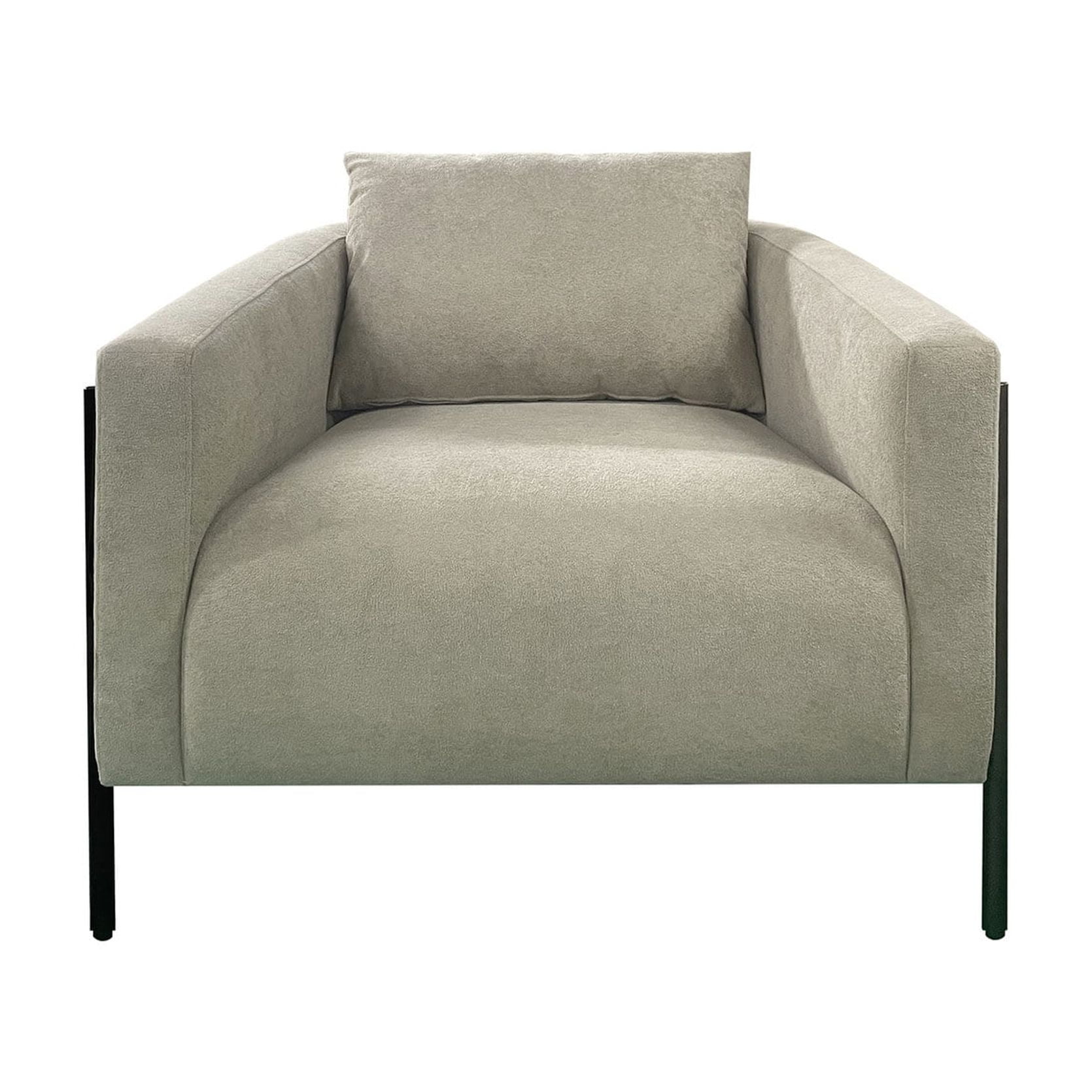
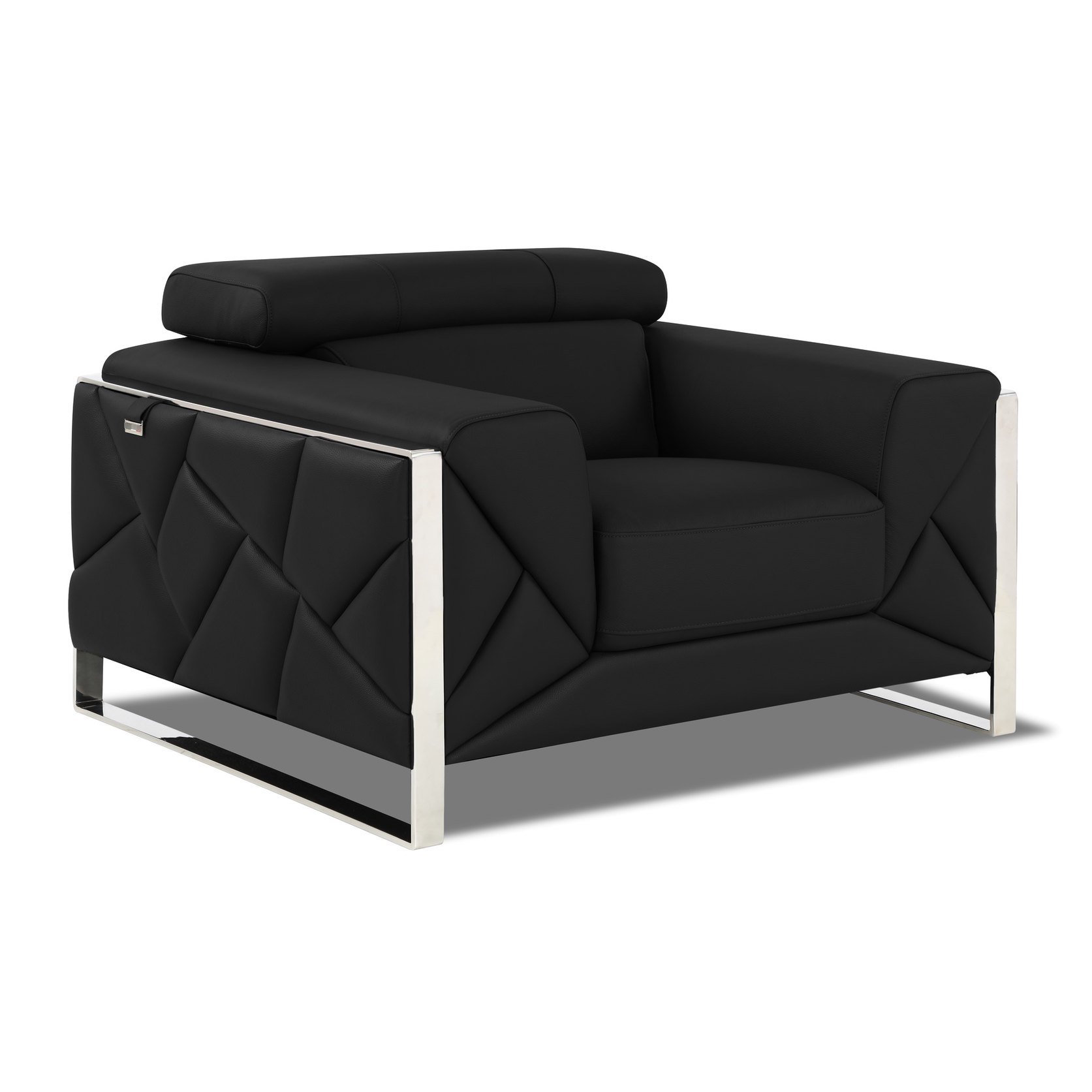
Finding a good chair for office work is not just a purchase—it's an investment in your health, focus, and career longevity. By prioritizing ergonomic adjustability, quality materials, and proper fit, you create a workspace that supports both your body and your goals. The chairs showcased above represent some of the best options on the market, blending modern ergonomics with style.
Take the time to assess your needs, test features when possible, and remember: your chair should empower you to do your best work, day after day. Browse the selections, read the specifications, and choose the seat that will stand by you for years to come.