
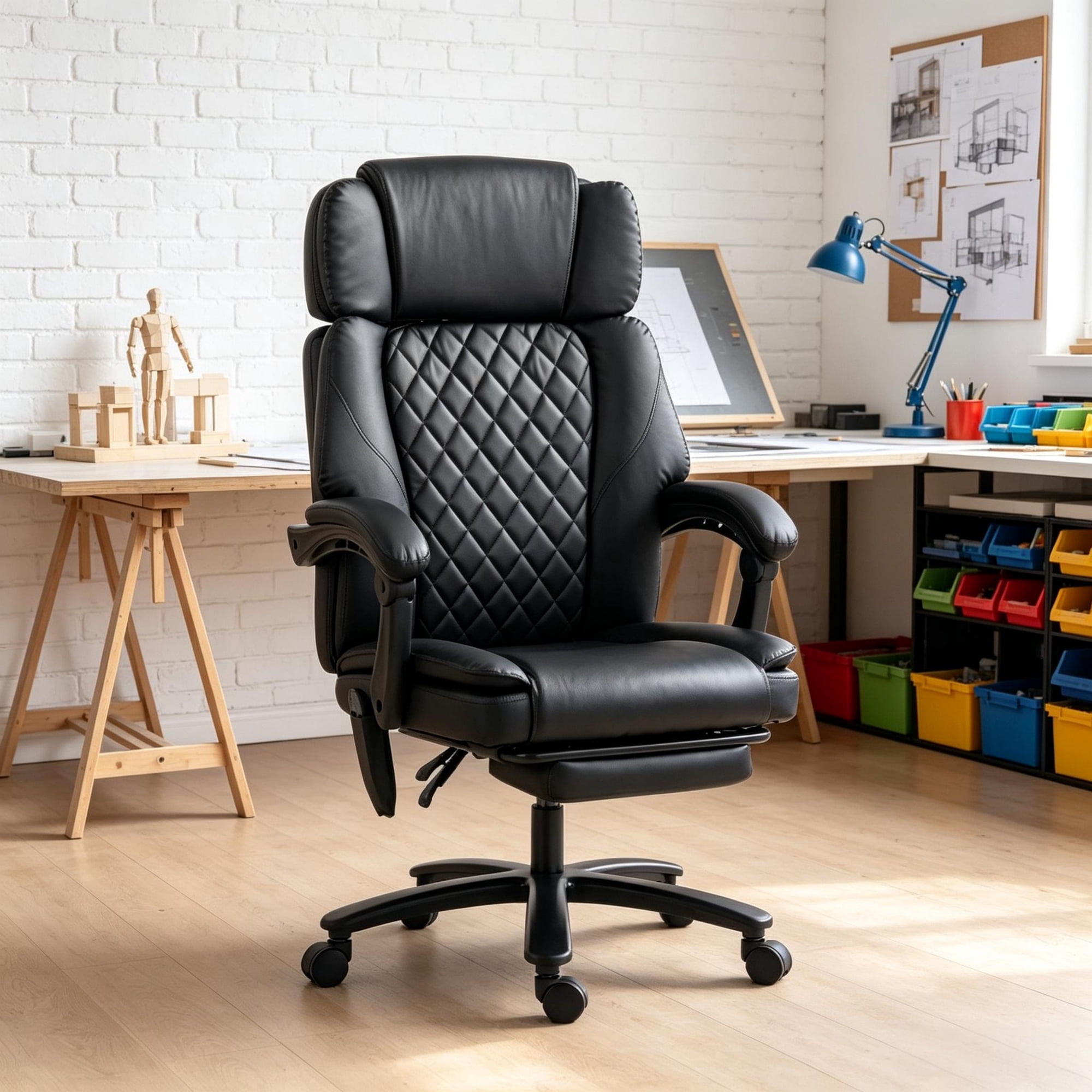
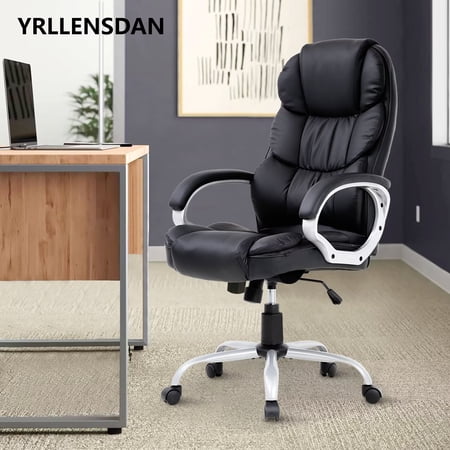
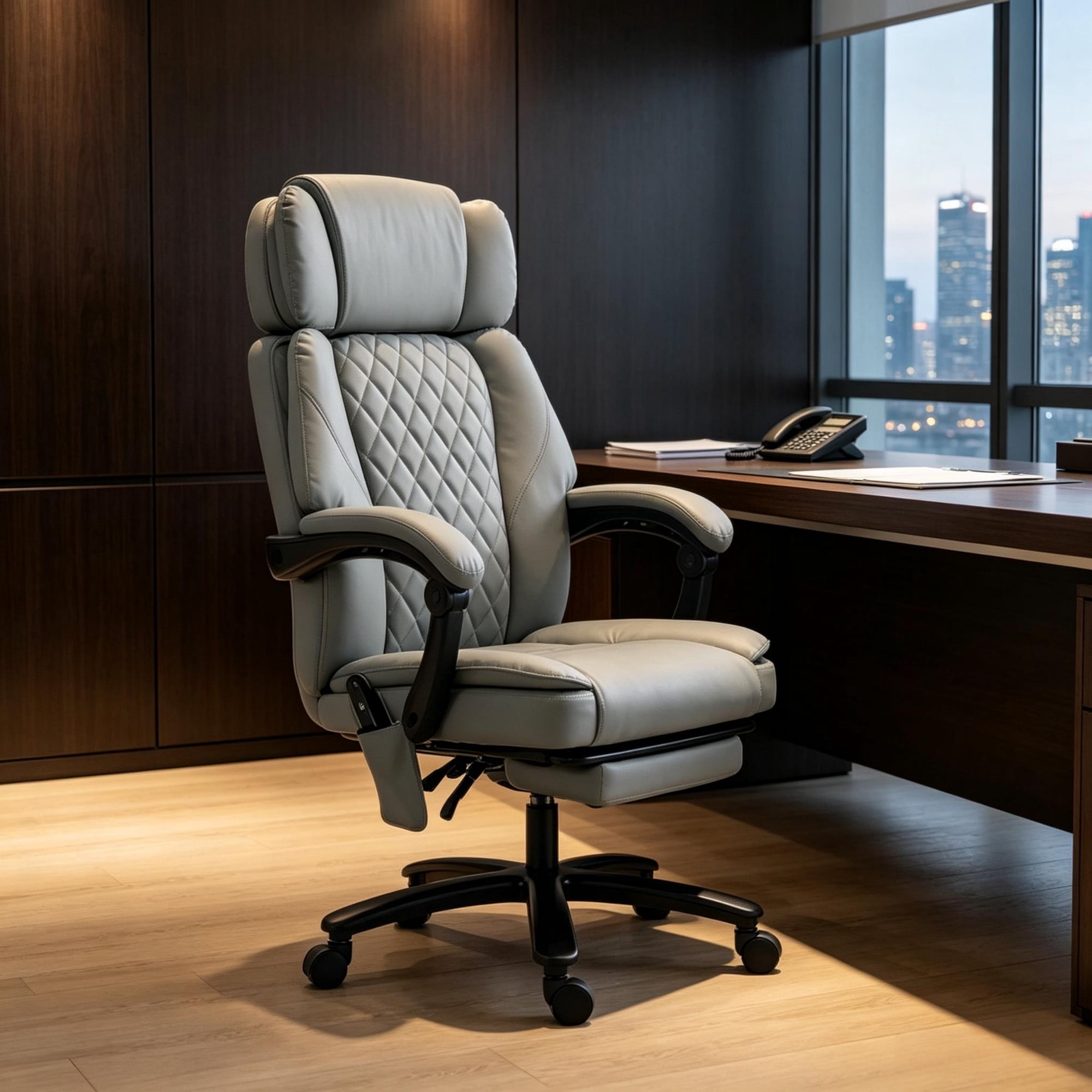
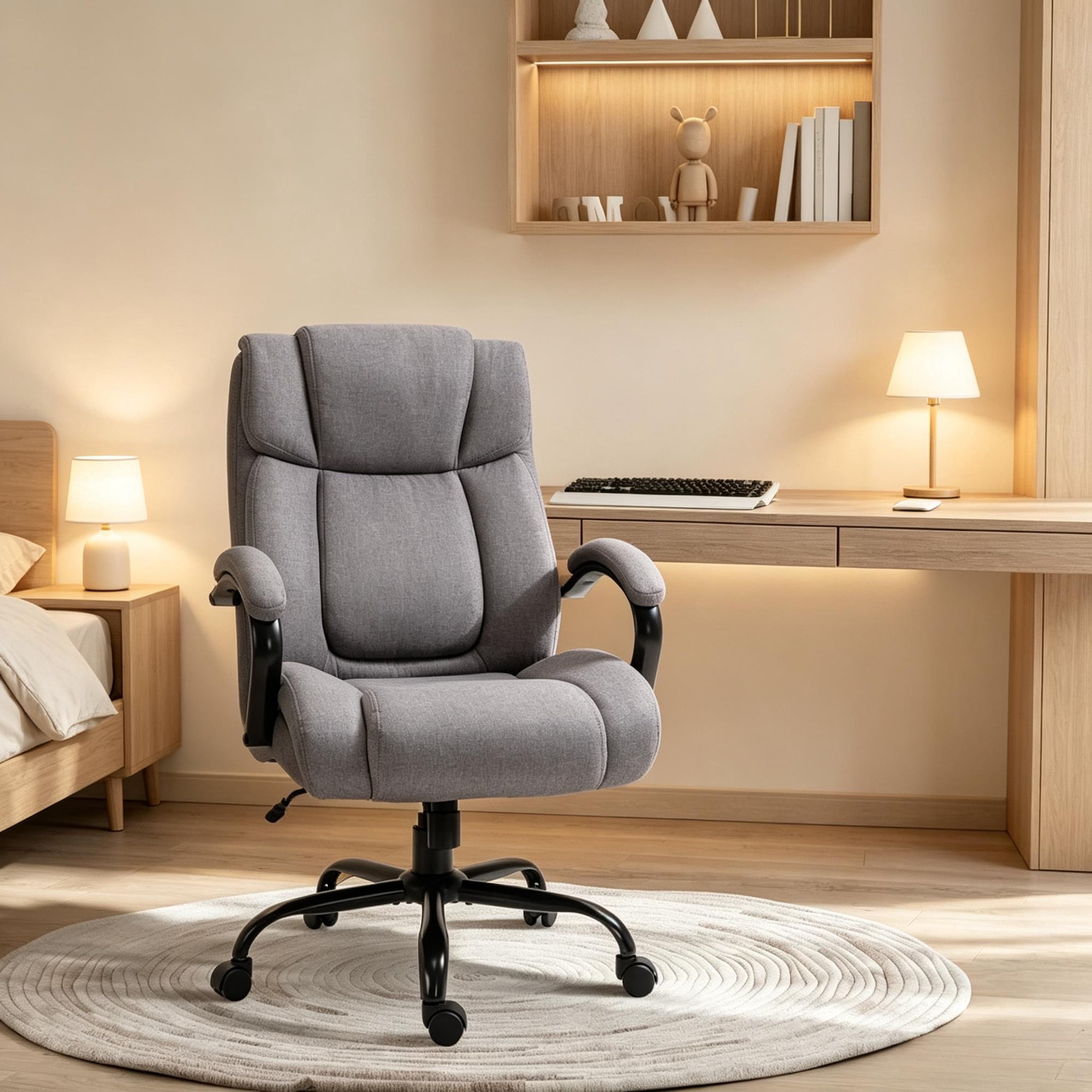
Introduction: The Quest for the Perfectly Comfortable Office Chair
Imagine sitting down at your desk at 8 AM, and when you glance at the clock again, it’s past noon—not because you’re bored, but because you were so deeply focused that you forgot about the chair beneath you. That’s the magic of a genuinely office desk chair comfortable enough to disappear into your work. For millions of professionals working from home or in corporate settings, the chair is the most used piece of furniture, yet it’s often an afterthought.
We’ve moved beyond the era of stiff, boardroom-style perches. Today’s best chairs marry scientific ergonomics with materials that feel like a supportive cloud. But with terms like "high-density foam," "synchronous tilt," and "4D armrests" flying around, how do you find the one that’s truly comfortable for *your* body? This guide isn't just a list of products; it’s a deep dive into the anatomy of comfort. We’ll explore why your back aches at 3 PM, what features actively promote better posture, and how to choose a chair that feels custom-made for you—without breaking the bank.
Did you know? A study by the Journal of Physical Therapy Science found that workers using ergonomically optimized seating reported a 32% reduction in musculoskeletal discomfort and a 21% increase in self-reported productivity. The right chair is literally a performance upgrade.
The Anatomy of Comfort: What Makes a Chair Feel 'Just Right'?
Comfort isn't a single feature; it's a symphony of design elements working in harmony. Think of your office chair like a high-performance car seat—it must hold you securely during long drives but also allow for micro-movements. Here are the critical components that separate a truly comfortable chair from a mediocre one.
1. The Seat Cushion: Beyond 'Soft' or 'Hard'
The cushion is your foundation. A common misconception is that softer equals more comfortable. In reality, a seat that's too soft allows your pelvis to sink and rotate backward, flattening the natural curve of your lower back and leading to pain. The gold standard is high-density foam (often cold-cured foam) that provides enough resistance to support your sit bones (ischial tuberosities) while contouring slightly.
- Contour vs. Flat: Some chairs have a slight "waterfall" edge—a gentle downward curve at the front of the seat. This relieves pressure on the back of your thighs, preventing that numb, "pins and needles" feeling after an hour of sitting.
- Seat Depth Adjustment: This is a non-negotiable feature for comfort. Being able to slide the seat pan forward or backward ensures that taller users get full thigh support, while shorter users aren't forced to have the edge digging into their calves.
- Memory foam or Gel Infusions? Memory foam molds to your shape but can sometimes feel hot. Gel-infused foams or phase-change materials actively wick away heat, keeping the seat cool during long summer workdays.
2. Lumbar Support: The Unsung Hero of All-Day Comfort
You can have the plushest seat in the world, but if your lower back is unsupported, you'll be shifting uncomfortably within 20 minutes. Adjustable lumbar support is like having a personal assistant for your spine. The best systems allow you to adjust not just the prominence (how much it pushes forward) but also the vertical position.
Passive Lumbar
A built-in curve in the backrest. Better than nothing, but one-size-fits-all rarely fits all.
Active/Adjustable Lumbar
Mechanisms (like air bladders or sliding pads) that let you dial in the exact pressure point you need. This is the premium comfort choice.
3. Backrest: High-Back vs. Mid-Back & Recline Tension
Do you prefer to lean back when thinking? Your chair's backrest and recline mechanism are vital.
- High-Back Chairs: Offer support for the entire spine, including the upper back and shoulders. Ideal for taller individuals or those who want to recline fully without losing head/neck support.
- Mid-Back Chairs: Focus on lumbar and lower-to-mid back. Often paired with a separate headrest if needed.
- Synchronous Tilt: This mechanism allows the seat and backrest to move at a slightly different ratio (e.g., 2:1 or 3:1). As you lean back, the seat tilts up slightly, keeping you centered and preventing your feet from leaving the floor. This promotes a dynamic sitting posture, which is inherently more comfortable than being locked in one position.
The tilt tension knob is equally important. You should be able to adjust the resistance so that leaning back feels natural and supported, not like you're fighting a spring or falling into a void.
4. Breathability: The Climate Control of Your Chair
Nothing ruins comfort faster than a sweaty back. This is where material choice plays a starring role.
5. Armrests: 4D is Your Best Friend
Static armrests are a common source of shoulder and neck tension. Adjustable armrests—often called 4D—allow you to move them up/down, forward/back, left/right (pivot), and sometimes even widen/narrow them. This lets you position them so your elbows rest at a 90-degree angle, keeping your shoulders relaxed. It’s a small adjustment that makes a monumental difference in upper body comfort.
Your 4-Step 'Try Before You Buy' Checklist
When testing a chair (in-store or at home with a good return policy), follow this routine:
- The 15-Minute Sit: Set a timer. Sit as you normally would—working, reading, leaning back. Note any hotspots (back of thighs, shoulders).
- The Lumbar Test: Slide your hand behind your lower back. Is there a gap? Can you feel the support? Adjust it and see if it fills the curve of your spine.
- The Recline Check: Lock the tilt at different angles. Lean back with force. Does the chair move smoothly? Does it feel stable?
- The Armrest Adjust: Set the armrests so they just lightly touch your elbows when your arms are relaxed. Type for a minute. Do your shoulders hunch?
Pro Tip: Wear the kind of clothes you typically work in (e.g., jeans vs. shorts) when testing, as material friction and breathability can feel different.
Comfort by Body Type: One Size Doesn't Fit All
A comfortable chair for a petite person will be a terrible fit for someone tall and broad. Manufacturers are finally recognizing this.
| Body Type | Key Comfort Features to Prioritize |
|---|---|
| Petite (under 5'4") | Shorter seat depth, lower backrest height, lighter tilt tension mechanism. |
| Tall (over 6'0") | Extended seat depth, high backrest (at least 22 inches), taller cylinder for seat height. |
| Plus-Size / Big & Tall | Extra-wide seat (22+ inches), higher weight capacity (400lbs+), reinforced frame, wider backrest. |
According to ergonomic data from the National Institute for Occupational Safety and Health (NIOSH), a mismatch between chair dimensions and user anthropometry is a primary cause of seated discomfort. Don't just buy a chair; buy a chair that fits *you*.
Separating Comfort Myths from Facts
- Myth: "A firm chair is always better for your back."
Fact: A chair that's too firm creates pressure points. You need adequate cushioning to distribute your weight evenly. - Myth: "Expensive chairs are automatically comfortable."
Fact: Price often buys durability and advanced mechanisms, but if the design doesn't match your body, it won't be comfortable. A mid-priced chair with the right adjustments can be perfect. - Myth: "You don't need a headrest if you sit upright."
Fact: Even if you sit upright most of the time, a headrest provides crucial support during moments of recline and rest, reducing neck strain over a long day.
The 'Micro-Movement' Factor: Why Static Comfort Fails
Here’s a counterintuitive truth: a chair that’s too comfortable in a static way might encourage you to sit still for too long. The best chairs for all-day comfort actually promote movement. Features like a "knee-tilt" mechanism (where the front of the seat remains relatively stable while the back tilts) or a "dynamic seat edge" allow you to shift your position frequently. This micro-movement pumps blood, lubricates spinal discs, and prevents the stiffness that leads to "desk potato" fatigue. Think of your chair as a partner in movement, not a prison.
Frequently Asked Questions About Comfortable Office Chairs
Conclusion: Invest in Your Daily Well-Being
Finding the perfect office desk chair comfortable enough for your body is one of the most impactful investments you can make in your professional life. It’s not a luxury; it’s a tool for sustained focus, physical health, and overall job satisfaction. We spend roughly 90,000 hours of our lives at work—ensuring a significant portion of those hours are spent in a supportive, comfortable seat is simply common sense.
Start your search by identifying your must-have features (adjustable lumbar, breathable mesh, 4D armrests), set a realistic budget, and always prioritize fit over flashy features. Remember the checklist: support your spine, cushion your sit bones, and allow your body to move. Whether you're closing deals, coding the next big app, or managing a team, the right chair will have your back—literally.
Ready to sit better? Explore the product grid above to see today’s top-rated comfortable office chairs, or dive into our related guides below to narrow down your perfect match.