
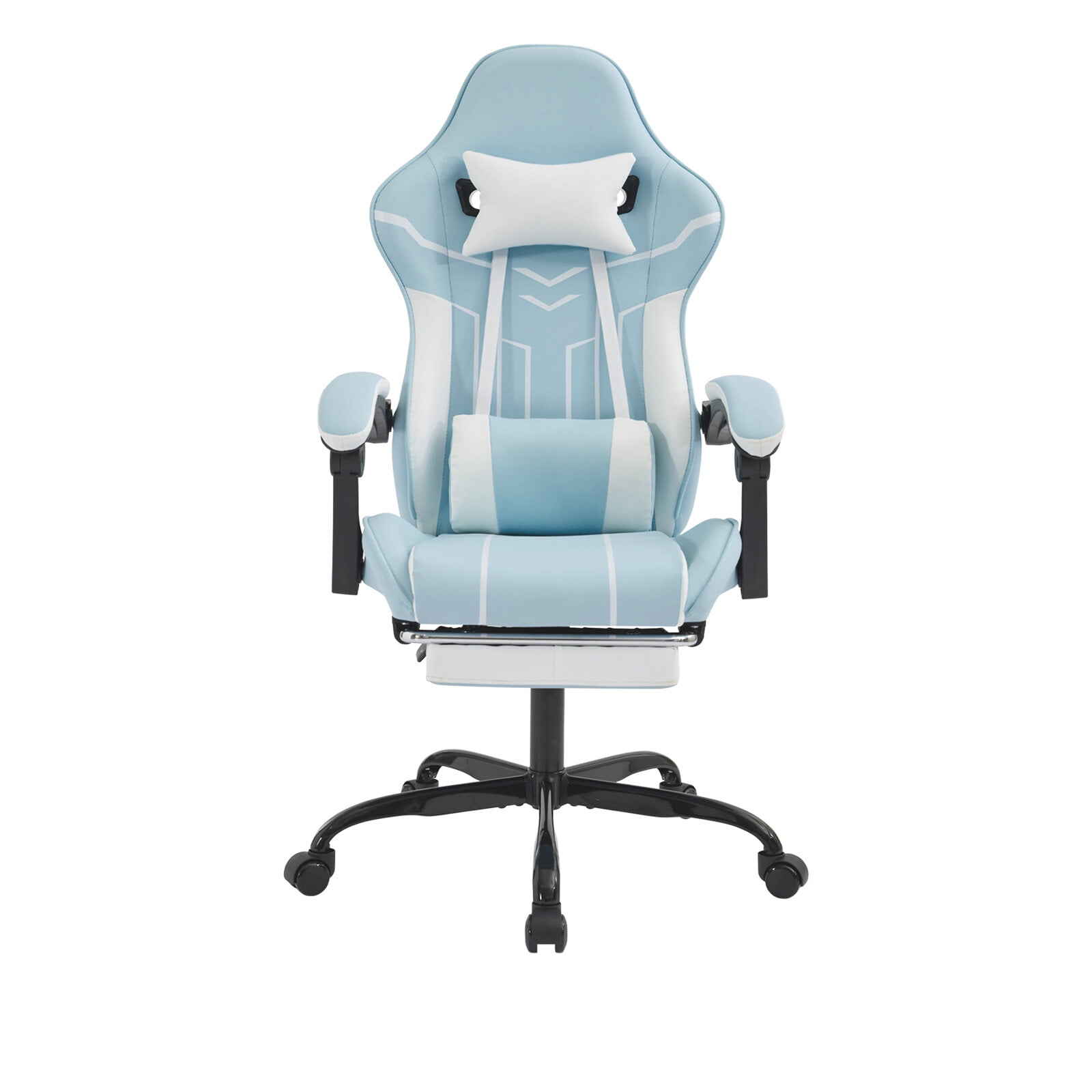
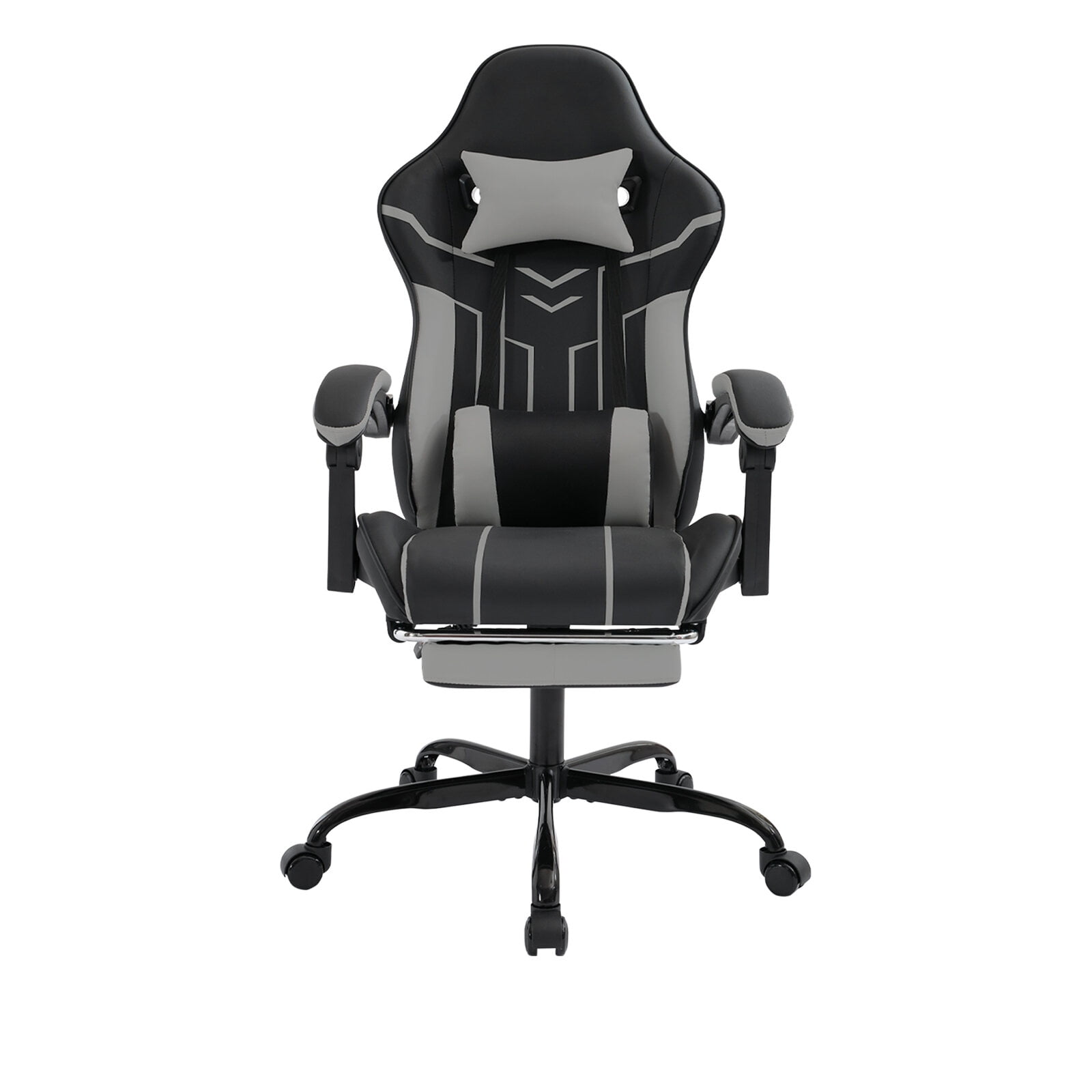
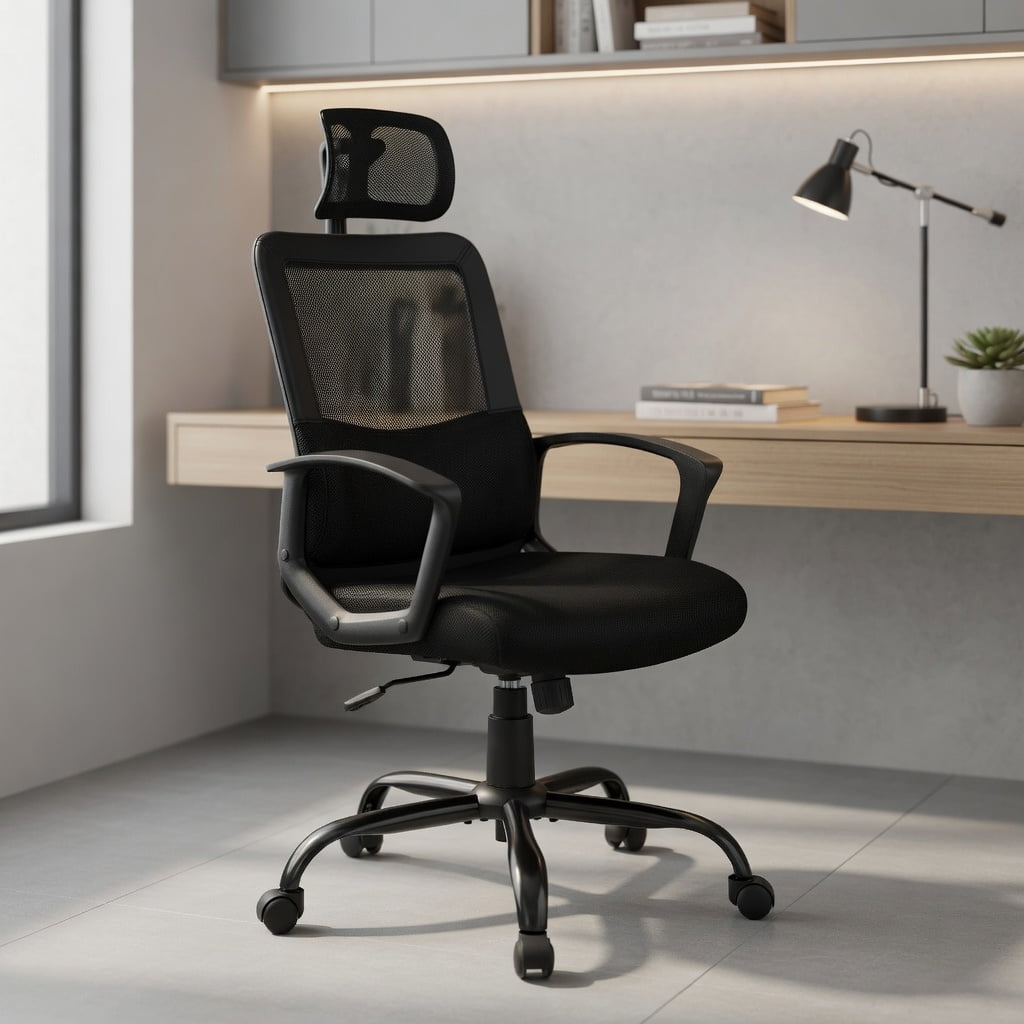
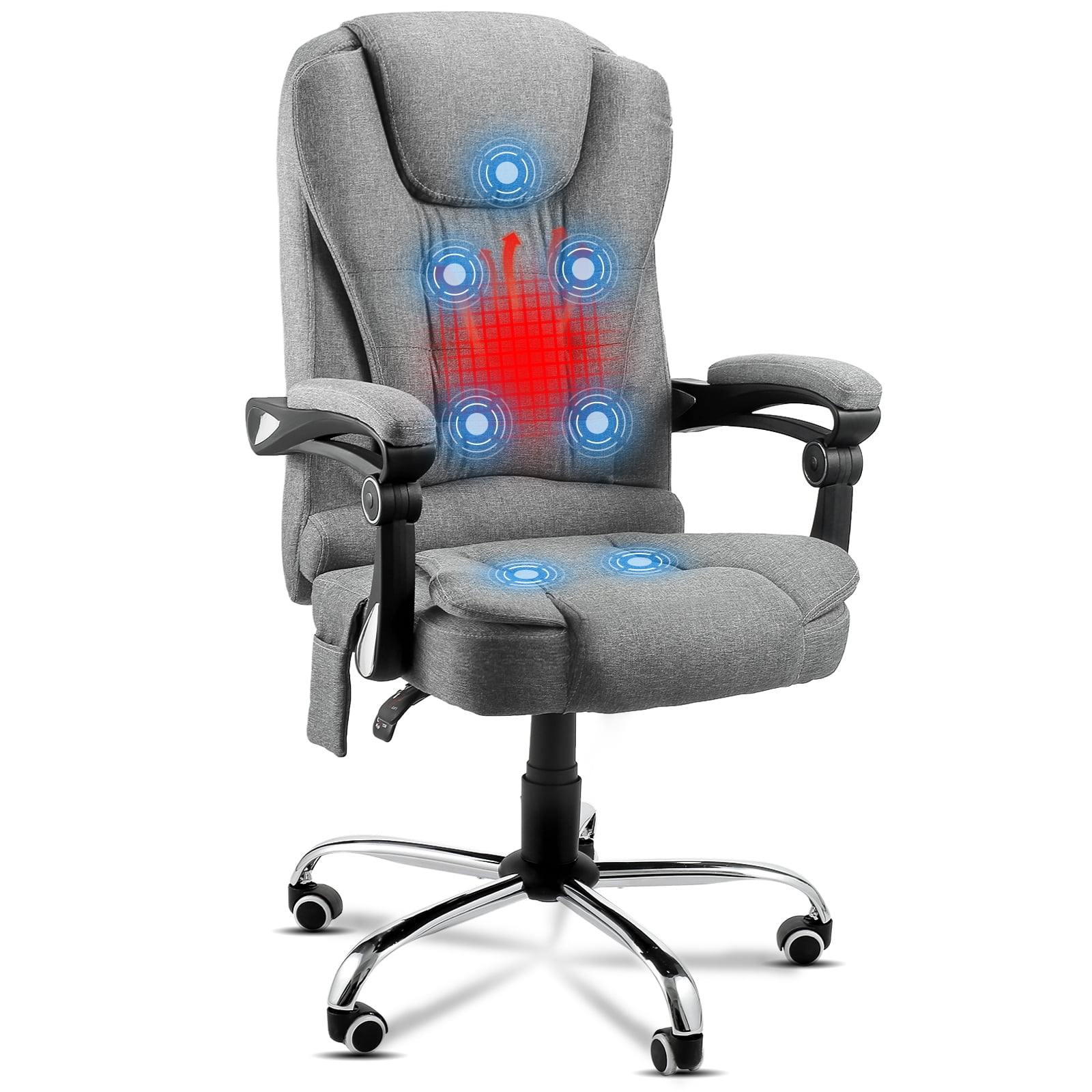
Why Size Matters: The Rise of Narrow Ergonomic Office Chairs
Imagine trying to fit a luxury SUV into a compact car parking space. That’s what it feels like when you place a bulky traditional office chair into a small home office, city apartment, or a cozy corner desk. Narrow ergonomic office chairs are the solution—they’re like the "smart car" of seating: efficient, perfectly proportioned, and surprisingly comfortable.
According to a 2023 survey by the Home Office Institute, 42% of remote workers report that limited space is their top challenge when setting up an ergonomic workstation. A chair that is too wide not only crowds the room but can also force you to sit at an awkward angle, negating the benefits of ergonomics. This guide dives deep into the world of slim-profile seating, helping you find a chair that fits both your body and your square footage.
The Architecture of Compact Comfort: What Defines a Narrow Ergonomic Chair?
A narrow ergonomic chair isn't just a standard chair with the arms cut off. It's a carefully engineered piece of furniture where every millimeter is optimized. Designers achieve this by rethinking the proportions while preserving the biomechanical support your spine craves. Let's break down the anatomy.
1. Seat Dimensions: The Goldilocks Zone
The most defining feature is the seat width. While a traditional task chair might have a seat pan of 21-22 inches, narrow models typically range from 18 to 20 inches. This reduction doesn't mean you're perched on a stool. High-density foam and contoured seat pans ensure that even with less real estate, pressure distribution remains optimal. For example, a slightly concave "waterfall" edge prevents circulation loss in the thighs, a feature standard in quality ergonomic chairs, regardless of width.
- Petite Fit: Ideal for users under 5'4" who often find standard seats too wide, causing armrests to splay shoulders unnaturally.
- Space Efficiency: A 2-inch reduction in width can translate to gaining valuable floor space in a cramped room.
- Desk Compatibility: Slides easily under narrower desks or writing tables without bumping against legs or drawers.
2. Backrest Design: Vertical Support, Horizontal Economy
The backrest on a narrow ergonomic chair is often taller than it is wide, drawing inspiration from racing seats or high-performance task chairs. This vertical emphasis provides continuous support for the thoracic and lumbar regions without adding bulk. Many models feature an integrated, adjustable lumbar support that moves vertically to fit the curve of your spine—a non-negotiable feature for preventing slouch.
Data point: A study in the Journal of Ergonomics found that users with a properly fitted lumbar support (height and depth adjustable) reported 35% less lower back fatigue after an 8-hour workday compared to those with fixed or non-adjustable backs. Narrow chairs with 2D or 3D lumbar controls offer this same benefit.
3. Armrests: The Art of Tucking Away
Armrests are often the widest part of a chair. In narrow models, designers employ clever tricks. You'll often find flip-up armrests or narrow-profile 2D/3D arms that can be adjusted inward. This allows you to have arm support when you need it, but tuck them away to slide the chair under a desk or to get closer to your workspace. Some ultra-compact designs even offer fixed, slimline armrests that are just wide enough to support the elbow without protruding beyond the seat base.
4. Base and Casters: Stability in a Smaller Footprint
To prevent tipping, engineers can't just shrink the base proportionally. Instead, they use high-strength materials like reinforced nylon or polished aluminum to maintain a stable 5-point base. The "star" diameter might be slightly reduced, but high-quality casters (often dual-wheel or roller-blade style) ensure smooth rolling without adding width. This design philosophy ensures that a narrow chair remains as stable as its full-sized counterpart, even during active movement.
Quick Comparison: Narrow Ergonomic vs. Standard Office Chair
| Feature | Narrow Ergonomic Chair | Standard Office Chair |
|---|---|---|
| Seat Width | 18 - 20 inches | 21 - 24 inches |
| Backrest Width | 16 - 19 inches (often tapered) | 19 - 23 inches |
| Armrest Adjustment | Often flip-up or narrow 2D/3D | Usually 3D/4D with wide range |
| Best For | Small spaces, petite users, compact desks | General use, larger users, expansive offices |
| Weight Capacity | Typically 250-300 lbs (same as many standards) | 250-400+ lbs |
Health & Posture Benefits: Why "Narrow" Doesn't Mean "Less"
There's a misconception that a smaller chair can't be as healthy as a big, throne-like executive chair. In reality, for the right user, a narrow chair promotes better posture. How? It naturally discourages slouching to one side (asymmetrical sitting) because the contoured sides provide gentle guidance to keep your hips centered. It's like the difference between sleeping in a huge, shapeless bed versus a perfectly fitted hammock—the latter holds you in a natural alignment.
🎯 Hip Alignment
Narrow seat keeps hips in a neutral position, reducing strain on the IT band and outer hips.
🦾 Shoulder Relaxation
Armrests positioned closer to the body prevent shoulder shrugging and hunching.
🦵 Improved Circulation
Waterfall edges work just as effectively on narrow seats to keep legs moving.
🧘 Active Sitting
Less bulk allows for easier micro-movements and shifts in posture throughout the day.
Who Is the Ideal Candidate for a Narrow Ergonomic Chair?
While these chairs are versatile, they shine brightest for specific users and scenarios. Think of it as a tailored suit—it fits perfectly when the measurements align.
- The Urban Dweller: If you work from a studio apartment or a converted closet office, a narrow chair is a lifesaver. It leaves room for walking paths or extra storage.
- The Petite Professional: Individuals under 5'5" often struggle with chairs that are too deep or too wide. A narrow seat allows them to use the backrest effectively and rest their feet flat on the floor.
- The Minimalist: Some people simply prefer a sleek, unobtrusive aesthetic. A slim-profile chair looks cleaner and less dominating in a modern, minimalist setup.
- The Shared Workspace User: In hot-desking environments or co-working spaces, narrow chairs are easier to move and tuck away, making the space feel less cluttered.
Step-by-Step Guide: Choosing Your Perfect Narrow Ergonomic Chair
Step 1: Measure Your Space & Your Body
Don't guess—use a tape measure. Measure the width of your desk knee hole. Measure the distance between your desk legs. Then, measure your hip width while seated. Add 2 inches for comfortable movement. This gives you your ideal seat width. Jot down these numbers before you shop.
Step 2: Prioritize Adjustability
Because the chair is narrower, adjustability becomes even more critical. Look for:
- Seat depth adjustment: Essential for proper thigh support without pressure behind the knees.
- Lumbar height & depth: Non-negotiable for lower back health.
- Armrest adjustability (width): Even if arms are narrow, being able to move them inward/outward ensures elbow support while typing.
Step 3: Material Matters for Tight Spaces
In a small room, a bulky leather chair can feel oppressive. Consider breathable mesh for the back—it visually recedes and keeps air flowing. For the seat, a durable fabric or high-quality mesh with sufficient padding offers comfort without the visual weight of thick leather.
Step 4: Test the "Tuck-Away" Factor
If you need to frequently push your chair under the desk, check if the armrests flip up or if the overall height allows for complete tucking. This small feature can make a huge difference in how spacious your room feels at the end of the day.
Frequently Asked Questions About Narrow Ergonomic Office Chairs
Conclusion: Right-Size Your Comfort
Choosing a narrow ergonomic office chair is a smart decision for your space and your spine. It's about being intentional with your environment—opting for furniture that serves its purpose without overwhelming the room. By focusing on the key principles of fit, adjustability, and quality materials, you can find a compact chair that delivers big on comfort. Whether you're navigating a tiny home office or simply prefer a trimmer silhouette, these chairs prove that sometimes, less really is more.
Use the product grid above to explore current top-rated models, and remember to check the specifications against your own measurements. Your perfect space-saving, back-supporting chair is out there.