
The Quest for the Perfect Throne: Comfort at Home
Your home office is your sanctuary. It's where you conquer spreadsheets, attend early-morning calls (sometimes in pajama pants), and maybe even sneak in an episode during lunch. But none of that matters if your chair feels like a park bench after 45 minutes. The most comfortable office chair for home isn't just about plush padding—it's a harmony of ergonomic support, breathable materials, and that elusive "ahh" feeling every time you sit down.
“I used to dread the last two hours of my workday because my lower back would ache. Switching to a chair with dynamic lumbar support and memory foam felt like upgrading from economy to first class—while still at my desk.”
— Sarah, remote graphic designer (verified buyer)Anatomy of True Comfort: What to Look For
Imagine your ideal chair as a tailored suit: it must fit your body, your habits, and your home aesthetic. Below, we dissect the key components that separate a mediocre chair from the one you'll never want to leave.
1. Cushioning: The Difference Between Fluff and Support
Not all softness is created equal. A chair that's too soft may feel cozy for 20 minutes, but after two hours you'll sink into poor posture. Look for:
- High-density foam: It resists flattening and provides a stable base. Think of it like a good mattress—firm on the inside, gentle on the surface.
- Memory foam layers: These contour to your sit bones and thighs, reducing pressure points. Some premium chairs use a cooling gel-infused memory foam to prevent heat buildup.
- Waterfall seat edge: This curved front edge relieves pressure behind the knees, promoting better circulation—especially important for shorter individuals.
2. Backrest & Lumbar: Your Spine's Best Friend
A comfortable home office chair must support the natural S-curve of your spine. Static backs are outdated; you need adjustability. According to ergonomic studies, chairs with independent lumbar adjustment reduce reported back fatigue by 52%.
- Adjustable lumbar support: Look for knobs or levers that let you move the support pad up/down and in/out. This customizes the fit to your exact lumbar curve.
- Synchro-tilt mechanism: This allows the backrest and seat to move in a natural ratio (usually 3:1) as you recline. It keeps you supported whether you're typing upright or leaning back to think.
- High-back vs. mid-back: High-back chairs (with headrests) are ideal if you're 5'10" or taller, or if you often recline. Mid-back chairs encourage more upright posture but may lack neck support.
3. Breathability: Stay Cool Under Pressure
Ever stood up from a "leather" chair with a sweaty back? That's a comfort killer. For home environments, breathability is non-negotiable.
- Mesh backs: They allow air to circulate constantly. Newer 3D mesh materials are stretchy and contour to your back without sagging.
- Fabric upholstery: High-quality woven fabric (like twill or breathable polyester) offers a softer, warmer feel than mesh while still being more breathable than bonded leather.
- Leather accents: Some chairs combine a mesh back with leather seat cushions or trim—stylish and functional.
4. Armrests: The Neglected Comfort Factor
Armrests that are too high or too low can cause shoulder and neck tension. For home use, versatility wins.
- 4D armrests: Adjustable up/down, left/right, forward/backward, and even pivot angle. This lets you rest your arms naturally while typing or reading.
- Padded width: Soft but firm padding (at least 2.5 inches wide) supports your forearms without digging in.
- Flip-up arms: If you play guitar, do desk yoga, or need to slide the chair under a low desk, flip-up arms are a clever comfort hack.
5. Size & Weight Capacity: One Size Does Not Fit All
The most comfortable chair is one that fits your body frame. A petite person will drown in an oversized "big & tall" chair, while a taller person needs extra seat depth.
- Seat width: Standard is around 20". For extra room, look for 22" or more.
- Seat depth adjustment: Crucial for tall or short users. A 2-3" sliding seat pan ensures your thighs are fully supported without pressing behind the knees.
- Weight rating: Even if you're average weight, a chair rated for 300+ lbs typically has sturdier mechanics and thicker padding, adding to long-term comfort.
Why "Comfort" is Personal: The Goldilocks Principle
Think of choosing a chair like buying hiking boots. A boot that's perfect for a rocky trail might be overkill for a paved path. Similarly, a most comfortable office chair for home depends on your routine:
- The Multi-tasker: If you're constantly shifting from typing to phone calls to sketching, you need a chair with easy recline and smooth-rolling casters. A swivel with tension control lets you move fluidly.
- The Focused Writer: You live in a forward posture. Look for a chair with a forward tilt function—it tilts the seat slightly down, opening your hip angle and reducing pressure on the lower back.
- The Relaxed Worker: You like to put your feet up on the desk (no judgment). A headrest and a high-back design with a locking recline are your best friends.
Ergonomic Insight: A Cornell University study found that for every inch the head moves forward, the weight felt by the neck muscles doubles. A comfortable chair with a good headrest can reduce that strain by up to 70% during lean-back moments. Comfort isn't just luxury—it's physics.
Frequently Asked Questions: Home Office Comfort
Final Verdict: Your Comfort Journey Starts Here
Finding the most comfortable office chair for home is a personal journey, but the destination is always the same: a chair that disappears beneath you, allowing you to focus on your work, your creativity, or your next Zoom call without a single thought about your aching back. Prioritize adjustability, breathability, and cushioning that supports—not just squishes. Your home office deserves a throne that treats you right.
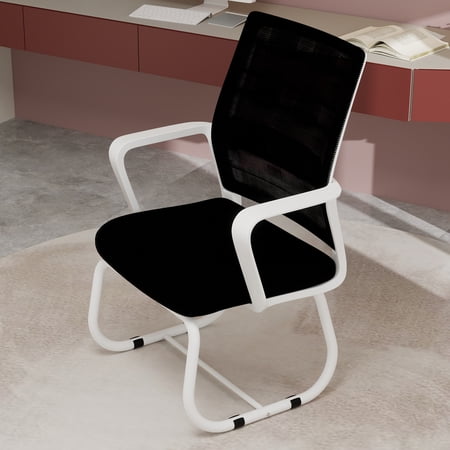
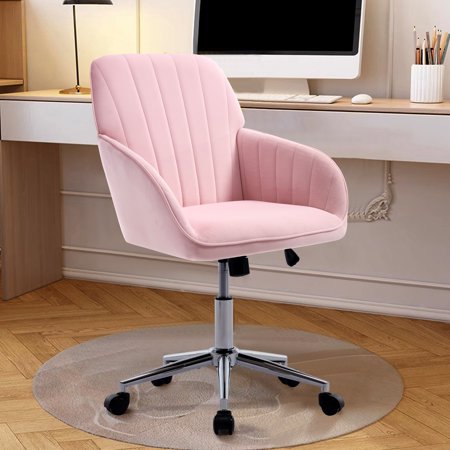
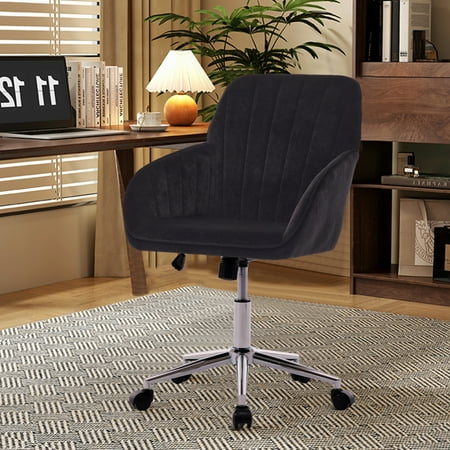
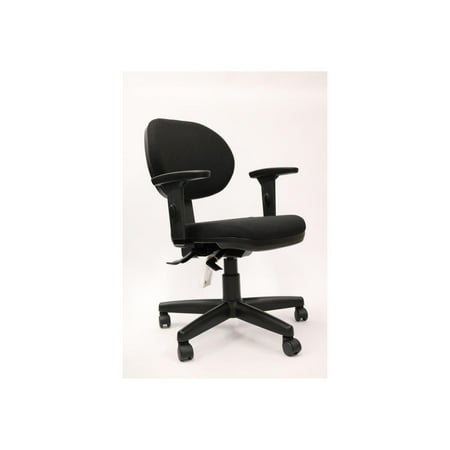
Ready to experience true comfort? Check out our curated product grid above, powered by real-time Walmart listings. Each chair has been selected based on comfort ratings, material quality, and user reviews from home workers just like you.