
Why "Comfy" Matters: The Psychology of a Cozy Workspace
We spend over 2,000 hours a year at our desks. An overly rigid or spartan chair can make the workday feel longer and more stressful. A comfy office desk chair isn't just about luxury—it's about creating a personal sanctuary where you feel at ease, which can boost creativity and reduce fatigue. Think of it as the difference between a waiting-room bench and your favorite armchair. The right chair invites you to sit, focus, and stay awhile without fidgeting.
The Anatomy of True Comfort: Beyond Just Padding
When we say "comfy," we're talking about a specific engineering that balances softness with support. A flimsy cushion might feel nice for five minutes, but an hour later you're feeling the hard base. Here’s what separates a genuinely comfortable chair from a deceivingly soft one.
1. The "Goldilocks" Foam: Medium-Density vs. High-Resiliency
The secret to lasting comfort is the foam. Most budget chairs use low-density polyurethane foam that compresses easily and breaks down within months. A quality comfy chair uses high-resiliency (HR) foam or a cold-cured foam. According to materials science, HR foam retains up to 95% of its original thickness after years of use. It's firm enough to support your thighs and pelvis but soft enough to feel plush. Look for specifications mentioning "high-density foam" or "molded foam" for that perfect sink-in-but-supported feel.
2. The Upholstery Feel: Fabric, Faux Fur, and Breathable Textiles
The material you touch all day defines the "comfy" experience.
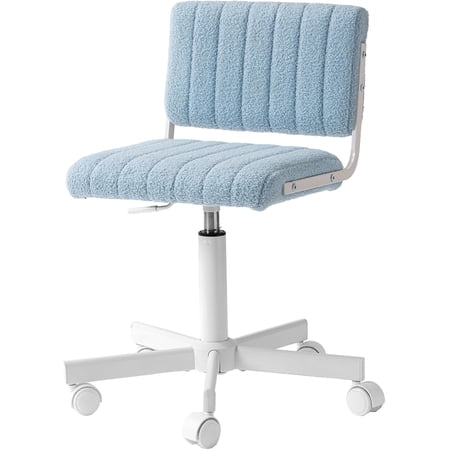
- Plush Fabric (Velvet, Chenille): These materials are inherently soft and warm. They add a tactile, cozy element to your workspace, making the chair feel like furniture, not just office equipment. Ideal for home offices and creative spaces.
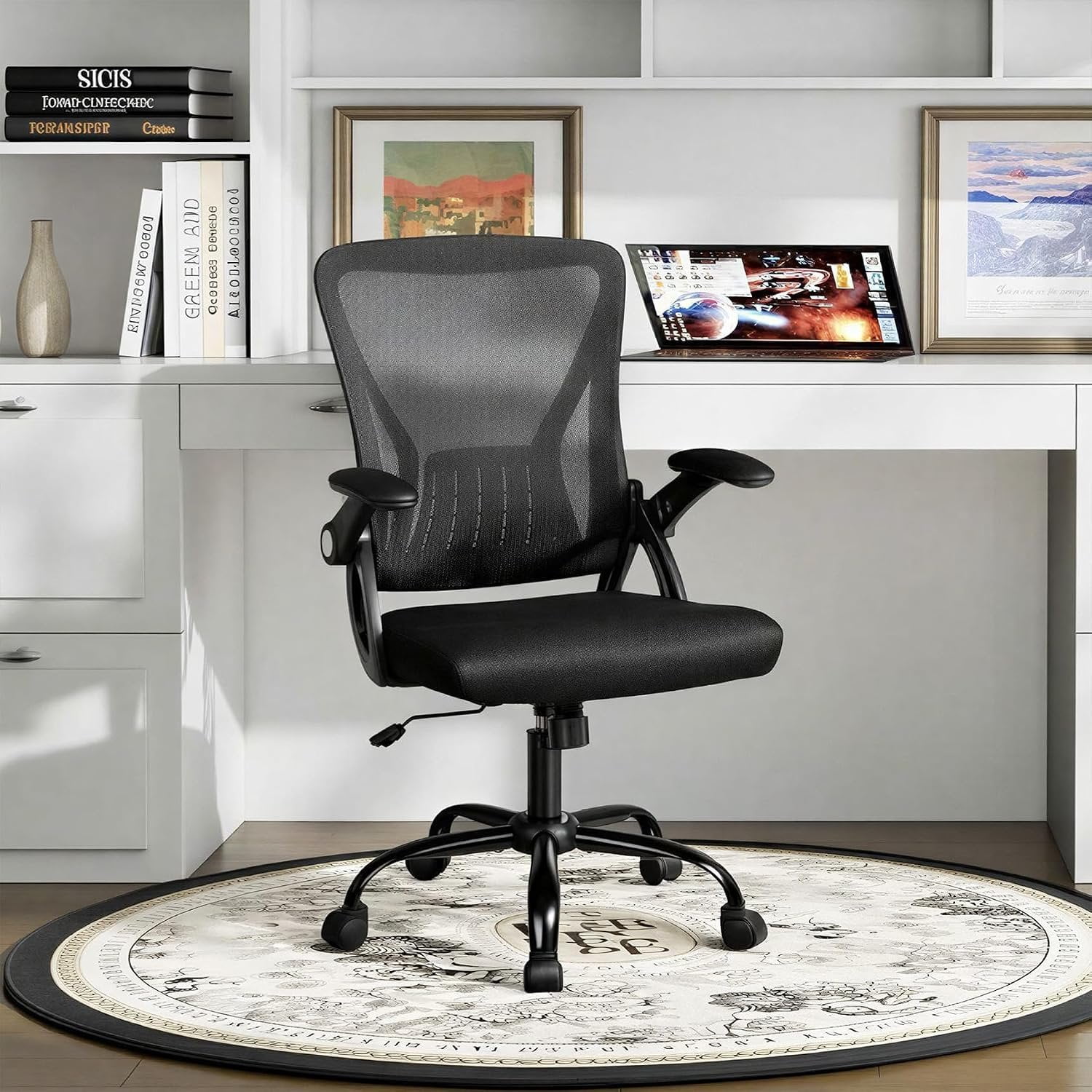
- Breathable Performance Mesh: Don't discount mesh for comfort. A high-quality, 3D mesh backrest conforms to your spine and allows air to circulate, preventing that sticky, sweaty feeling. It's "comfy" in a temperature-regulating way.
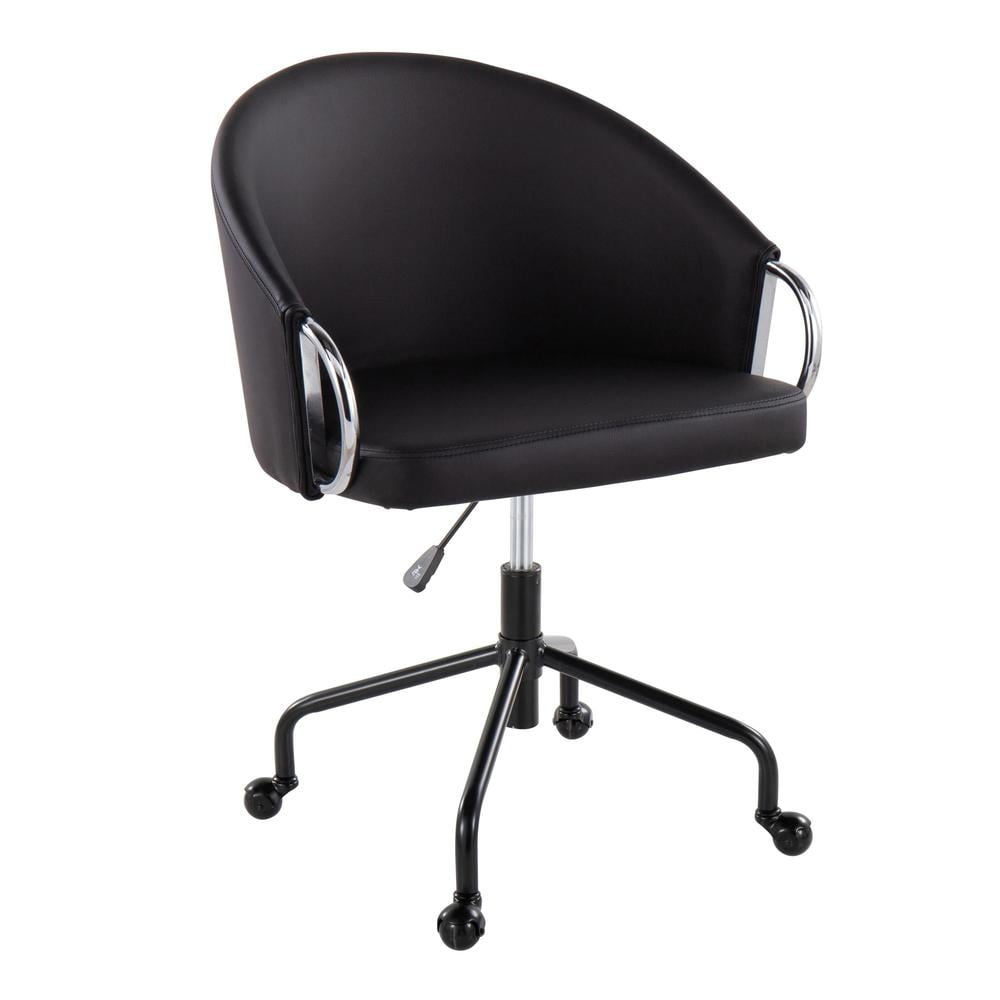
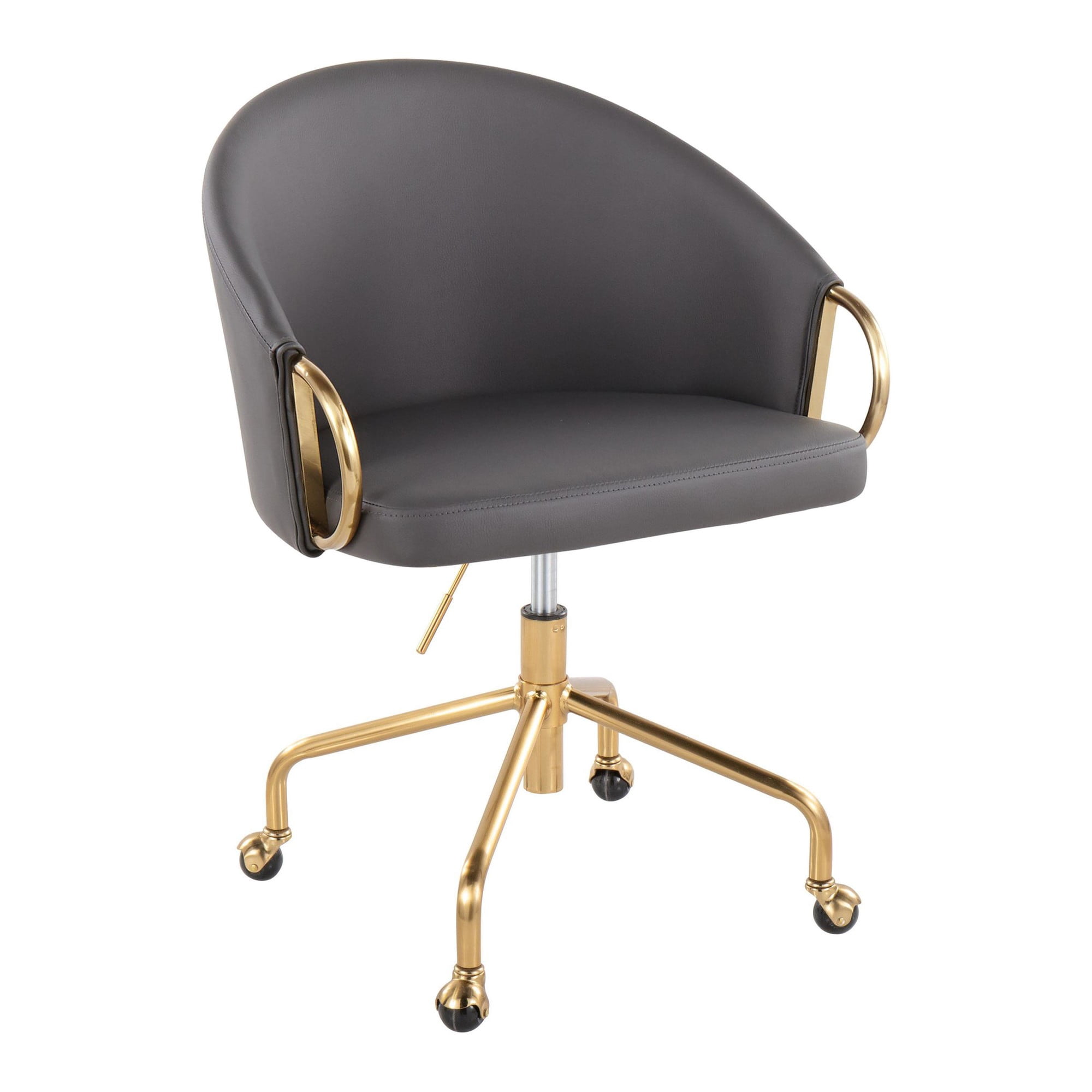
- Luxurious Faux Leather with Soft Backing: If you prefer leather, look for "bonded leather" or "faux leather" with a fabric backing and a soft, matte finish. It's more supple and less stiff than traditional leather, offering a different kind of cozy aesthetic.
3. Generous Contours: The "Wrap-Around" Effect
A comfy chair often has a slightly wider seat and a more curved backrest. This creates a subtle "wrap-around" effect, making you feel cradled rather than perched on a flat surface. Features like waterfall edges (where the front of the seat curves down) are crucial—they prevent pressure on the back of your thighs, keeping legs comfy during long sits. Some chairs even include a padded headrest for moments of recline, adding to the lounging sensation.
Cloud-like Cushion
3 to 4 inches of high-density foam that contours without bottoming out.
Soft-Touch Wrapping
Upholstery that feels warm and inviting, like a favorite sweater.
Supportive Embrace
Curved backrests that hug your body, providing passive lumbar support.
4. Hidden Ergonomic Support: The Skeleton of Comfort
A truly great comfy chair hides its ergonomic support within the plushness. Look for these features, even in a soft-looking chair:
- Internal Lumbar Frame: The chair's frame should have a pronounced lumbar curve built into it, even under thick padding.
- Adjustable Tilt Tension: You should be able to rock or recline smoothly. Comfy chairs often have a "synchro-tilt" mechanism that lets the seat and back move together, keeping you supported while you lean back.
- Padded Armrests: Hard plastic arms ruin the comfy vibe. Look for wide, padded armrests, or even better, "pillow-soft" or "cushioned slide" armrests covered in a soft material.
Material Feel vs. Durability: A Quick Comparison
| Upholstery | Comfort Vibe | Breathability | Durability (Years) | Best For |
|---|---|---|---|---|
| Velvet / Chenille | Ultra-plush, warm, luxurious | Medium | 5-7 (with care) | Home offices, creative studios, cold climates |
| Performance Fabric (Polyester) | Soft, durable, cozy | High | 7-10 | All-day use, families, pet owners |
| 3D Breathable Mesh | Supportive, airy, cool | Excellent | 8-12 | Warm climates, focus on airflow |
| Soft Faux Leather | Sleek, easy-clean, modern cozy | Low | 3-5 (may peel) | Short-term use, easy wipe-down needed |
Your 3-Step Guide to Finding the Perfect Comfy Chair
1 Prioritize the Seat Pan: Sit on the chair for at least 5 minutes. Do you feel the hard base? Is the foam supportive yet soft? A good test: press down on the cushion—it should spring back quickly. Measure the seat depth; it should leave 2-3 fingers of space between the back of your knee and the seat edge.
2 Feel the Backrest: Lean back. Does the padding feel evenly distributed? Is there a noticeable lumbar curve that fits your lower back? For a comfy chair, the back might be a mix of firm foam for support and a softer top layer for comfort.
3 Test the "Recline & Rest": A comfy chair often invites you to lean back. Tilt back and see if the motion is smooth. Are the armrests padded enough for you to rest your elbows? If you like to put your feet up, consider if the chair's build feels stable even when you're leaning.
Tangible Benefits of Upgrading to a Comfy Chair
Frequently Asked Questions About Comfy Office Chairs
Conclusion: Invest in Your Daily Comfort
Choosing a comfy office desk chair is an investment in your daily well-being. It's about creating a space where you feel physically at ease, which in turn frees up mental energy for your work. Don't settle for a chair that looks professional but feels like a board. Look for that perfect blend of plush cushioning, supportive foam, and warm, inviting materials. Your back—and your mood—will thank you for it.