
Why Choose a Non Moving Office Chair?
For many professionals, the constant swiveling and rolling of a traditional wheeled chair can become a hidden productivity drain. A non moving office chair — also called a stationary office chair or fixed-base chair — anchors your workspace, creating a stable foundation that supports focused work, intentional posture, and a cleaner aesthetic. Whether you're an executive, a home-office minimalist, or someone who suffers from lower back fatigue, these chairs bring a unique set of advantages that conventional rolling chairs simply can't match.
Ergonomics Insight: A study on workplace posture found that individuals using stable seating (without casters) reduced upper body micro-movements by up to 34%, leading to fewer distractions and improved concentration during complex tasks. Stationary chairs also minimize the risk of accidental rolling on hardwood floors or carpet edges.
Key Features of Premium Stationary Chairs
Non-moving office chairs have evolved far beyond simple wooden stools. Today’s models incorporate advanced ergonomics and luxury materials while retaining a solid base. Here’s what sets them apart:
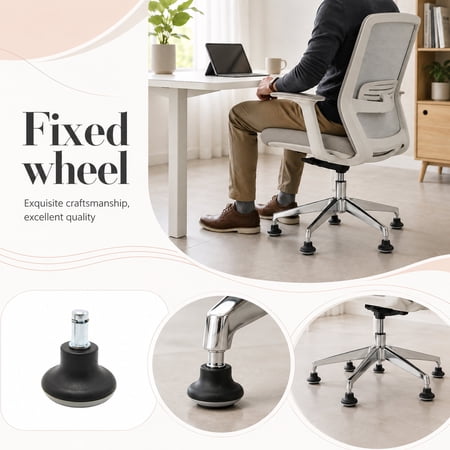
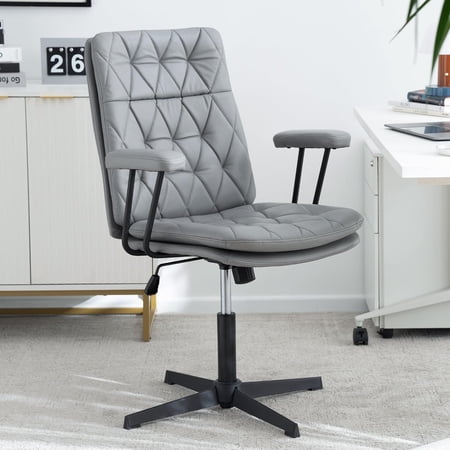
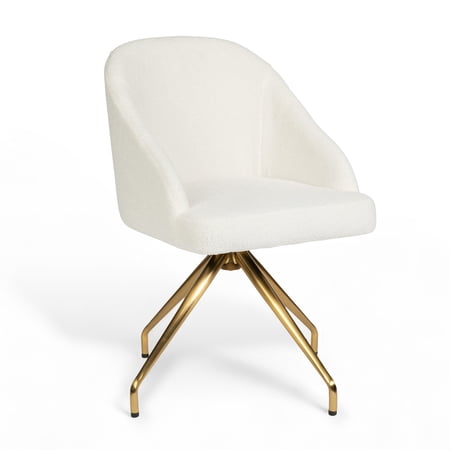
- Fixed Pedestal or Sled Base: Instead of wheels, these chairs feature a stable metal base with floor-friendly glides or felt pads — perfect for delicate floors.
- Height-Adjustable Gas Lift: Despite being non-mobile, most high-end stationary chairs include pneumatic height adjustment to match any desk setup.
- Ergonomic Lumbar & Contoured Cushioning: Designed to reduce pressure on the spine, these chairs often include memory foam or high-resilience padding.
- 360-Degree Swivel (Without Rolling): Many models still allow full swivel motion, providing flexibility to turn while remaining fixed in place.
- Durable Construction & Higher Weight Ratings: Because they lack moving casters, the frames are often more robust, with weight capacities ranging from 300 to 500 pounds.
Stationary vs. Rolling Office Chair: Which One Suits You?
Choosing between a non-moving and a rolling chair depends on your work style, flooring type, and ergonomic preferences. Below is a practical comparison to help guide your decision:
| Feature | Non Moving Office Chair | Traditional Rolling Chair |
|---|---|---|
| Mobility | Fixed in place; swivel available; no rolling | Full mobility; casters glide easily on surfaces |
| Floor Protection | Excellent; no wheel marks or scratches | May damage hardwood or leave carpet tracks |
| Posture Engagement | Encourages active sitting and core engagement | Can promote slouching if rolling frequently |
| Best Use Cases | Drafting, writing, executive desks, minimalist setups, standing-desk hybrids | Open offices, multi-station tasks, frequent movement |
| Adjustability | Height, tilt, lumbar, armrests (similar to premium chairs) | Height, tilt, often with seat slide and advanced controls |
Health & Productivity Benefits of Stationary Seating
✅ Improved Postural Stability
Without wheels, your body stays centered. This reduces the tendency to lean sideways or reach excessively, which often leads to muscle strain over time.
✅ Reduced Distractions
Accidental rolling can interrupt deep work. A fixed-base chair anchors you physically, helping maintain mental focus during high-concentration tasks.
✅ Superior Durability
Fewer moving parts mean less wear and tear. Many stationary office chairs last a decade or more with minimal maintenance.
✅ Ideal for Sit-Stand Desks
Stationary chairs pair perfectly with standing desk converters — you can push them aside easily without fighting rolling resistance.
Material and Design Options for Stationary Executive Chairs
Non-moving office chairs are available in a variety of materials that match both aesthetic preferences and functional requirements. Whether you prefer the sophistication of bonded leather, the breathability of mesh, or the comfort of plush fabric, there’s a stationary chair that aligns with your style. High-end models often use:
- Top-Grain Leather: For a classic executive look that improves with age.
- Breathable Mesh Backs: Ideal for warmer climates or extended sitting periods.
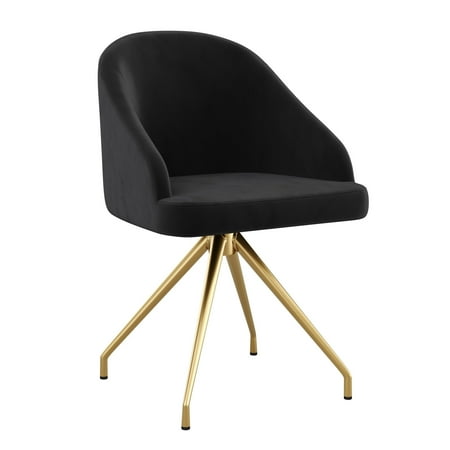
- Velvet or High-Performance Fabric: Adds a modern, colorful touch to home offices.
- Solid Wood or Metal Accents: Elevate the design language for a designer workspace.
Because these chairs don't roll, the bases often showcase beautiful polished aluminum or oak finishes that enhance the overall decor.
Step-by-Step Guide to Choosing the Perfect Non-Moving Office Chair
- Assess Your Flooring Type: For hardwood or tile, choose chairs with felt glides or rubber pads. For carpet, reinforced sled bases offer stable footing.
- Define Your Primary Tasks: If you frequently need to swivel to reach different desk areas, ensure the chair has a full 360-degree swivel mechanism even without wheels.
- Check Ergonomic Adjustability: Look for adjustable lumbar support, seat depth, and armrest width. Fixed chairs should still offer personalized ergonomics.
- Evaluate Weight Capacity & Frame Material: For heavy-duty use, select models with steel frames and weight ratings above 350 lbs.
- Consider Aesthetics & Brand Alignment: Choose finishes that complement your office—modern minimalist, traditional executive, or bold color accents.
Long-Term Maintenance & Care for Non-Rolling Chairs
Stationary office chairs require minimal upkeep compared to wheeled alternatives. However, to extend their life:
- • Wipe leather or fabric surfaces weekly with appropriate cleaner.
- • Tighten base screws and gas lift mechanism annually to prevent wobbling.
- • Replace glide pads if they become worn to maintain floor protection.
- • Lubricate swivel mechanism if squeaking occurs after prolonged use.
With proper care, a high-quality non-moving chair can serve as a reliable piece of office furniture for over a decade, often outlasting many traditional rolling chairs.
Frequently Asked Questions About Non Moving Office Chairs
Conclusion: Elevate Your Workspace with a Non Moving Office Chair
Investing in a non moving office chair is more than a style statement — it's a functional upgrade that promotes stability, minimizes distractions, and protects your flooring. Whether you're redesigning a home office, setting up an executive suite, or simply tired of rolling away from your desk, stationary seating offers a refreshing alternative without sacrificing ergonomic excellence.
Final Recommendations by User Type
Opt for a sleek mesh-back stationary chair with swivel function, compact design, and floor-friendly glides.
Choose full-grain leather, high-back stationary chair with memory foam seat, 4D arms, and robust metal base.
Prioritize adjustable lumbar, seat depth, and recline tension. Stationary platform ensures consistent support alignment.