
Why Your Standing Desk Needs an Ergonomic Companion Chair
The modern workspace is evolving. The sit-stand desk has become a staple for health-conscious professionals, aiming to break the cycle of sedentary behavior. But standing still for hours isn't the perfect solution either. It can lead to its own set of problems: sore feet, aching knees, and lower back fatigue. This is where the ergonomic standing office chair steps in, not as a replacement for standing, but as its perfect partner.
The Science of Movement: A study from Texas A&M University found that using sit-stand desks can boost productivity by up to 46% compared to traditional sitting. Adding an ergonomic standing stool takes this further by promoting micro-movements, which are crucial for spinal disc health and preventing muscle stiffness. It's about creating a truly dynamic workspace.
Beyond Sitting vs. Standing: The 'Active Perch'
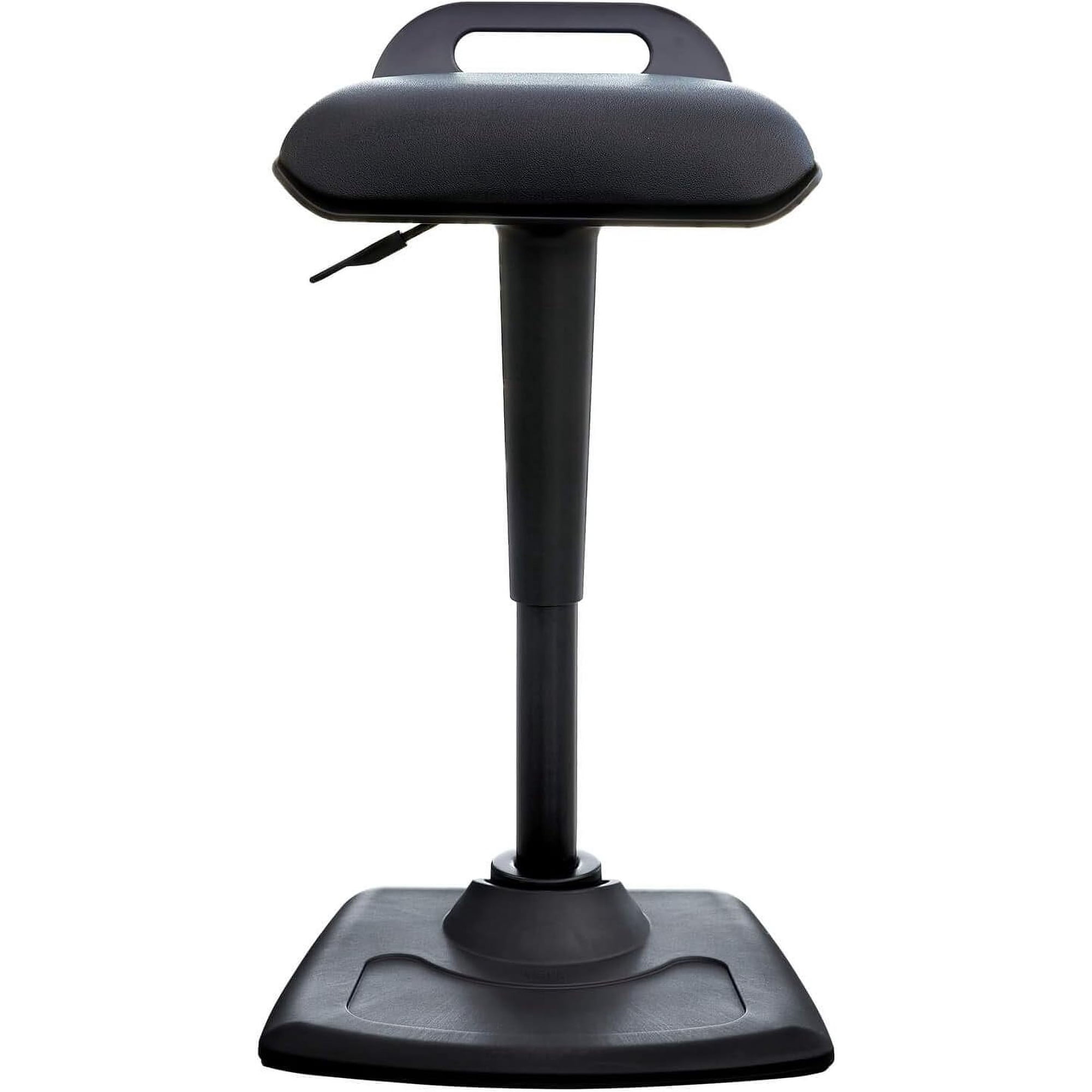
Think of an ergonomic standing office chair not as a chair in the traditional sense, but as a "perching" or "leaning" support. It supports you in a posture that's between sitting and standing. Your feet remain firmly on the ground, your hips are open at a wider angle (around 135 degrees), and your core muscles stay lightly engaged. This active perch offers a unique blend of support and freedom.
- Reduced Spinal Pressure: The open hip angle reduces compression on the lumbar discs compared to traditional sitting.
- Improved Circulation: By keeping your legs active and feet planted, blood flow is enhanced, reducing the risk of swelling and fatigue.
- Increased Caloric Burn: While not a replacement for exercise, the subtle muscle engagement required for perching can slightly increase energy expenditure over a full day.
- Seamless Transitions: The best part? You can move from standing to perching in a second, without complex adjustments, encouraging you to change positions naturally throughout the day.
Key Features of an Ergonomic Standing Office Chair
Not all standing stools are created equal. To find the right one for your workflow, you need to understand the key components that define a truly ergonomic model. Here’s what to look for:
| Feature | Why It Matters | What to Look For |
|---|---|---|
| Height Adjustability | Critical for matching your specific desk height and your own leg length. The wrong height will ruin your posture. | A pneumatic gas lift with a wide range (typically 20" to 30" seat height). Ensure it allows your feet to be flat on the floor. |
| Footring or Footrest | Provides a place to rest your feet when leaning back slightly, adding another level of postural variety and comfort. | A sturdy, adjustable footring that allows you to switch between having feet on the floor or on the ring. |
| Seat Design & Comfort | The seat is often smaller than a traditional chair to encourage an active posture. It needs to be comfortable for leaning. | A slightly forward-tilting seat (5-10 degrees) to promote an open hip angle, with sufficient padding for comfort. |
| Base Stability | Safety is paramount when you're in a semi-standing position. A wide, sturdy base prevents tipping. | A heavy-duty, five-star base (for wheeled models) or a wide four-legged base (for stationary stools). |
| Dynamic Movement | This is the core of "active seating." The chair should allow for subtle rocking or wobbling. | Some models have a pivoting seat or a base designed for slight tilting, encouraging constant, natural micro-movements. |
The Two Main Types: Stools vs. Chairs
The world of ergonomic standing office chairs generally splits into two categories. Understanding the difference will help you narrow down your search.
1. Standing Stools (Perch Stools)
These are the most common type. They resemble a tall stool with a small, often slightly angled seat. Many feature a footring. They are ideal for someone who wants to spend most of their time standing but needs occasional relief. The focus is on taking the weight off your feet while keeping your body in a near-standing alignment. Think of it as a "leaning post."
2. Kneeling Chairs (for Standing Desks)
While traditionally used at lower desks, some kneeling chair models are height-adjustable for use with standing desks. They shift your weight forward onto your shins, which naturally aligns your spine into a perfect 'S' curve. For a standing desk, they offer a completely different posture—a kind of active half-sit. This can be excellent for short bursts of focused work or for those with specific lower back issues.
Health Benefits: A Deeper Dive
Integrating an ergonomic standing office chair into your routine isn't just a trend; it's an investment in your long-term musculoskeletal health. The benefits extend beyond simple comfort.
Combating Sedentary Syndrome
Prolonged sitting is linked to metabolic issues. By facilitating more standing and active perching, these chairs help counteract these negative effects.
Core Muscle Engagement
The instability of a wobble stool or the posture of a perch stool requires your core muscles to work subtly to maintain balance, strengthening them over time.
Joint Health
Regular movement lubricates the joints. By encouraging you to shift your weight and change positions, these chairs promote better joint health in your hips, knees, and ankles.
Enhanced Focus & Energy
Physical stagnation often leads to mental stagnation. The gentle, active posture keeps blood flowing, which can help maintain higher energy levels and sharper focus throughout the afternoon.
Setting Up Your Ergonomic Standing Station
Getting the setup right is crucial for reaping the benefits. Here’s a simple guide to follow:
- Desk Height First: Adjust your standing desk so that when you stand tall, your elbows are at a 90-degree angle when typing. Your monitor should be at eye level.
- Adjust Your Stool: Bring your ergonomic standing stool into position. Adjust its height so that when you lean or perch, your hips are slightly higher than your knees. Your feet should be flat on the floor or comfortably on the footring.
- The 90-90-90 Check: When perching, aim for a 90-degree angle at your ankles (foot on floor/ring), a 90-degree angle at your knees, and an open, comfortable angle (greater than 90 degrees) at your hips.
- Listen to Your Body: The goal is variety. Use the stool for 15-20 minutes, then stand for 20-30 minutes, then perhaps sit in a traditional chair for a break. Your body will tell you when it's time to switch.