
What is an office kneeling chair? (And why it’s not a gimmick)
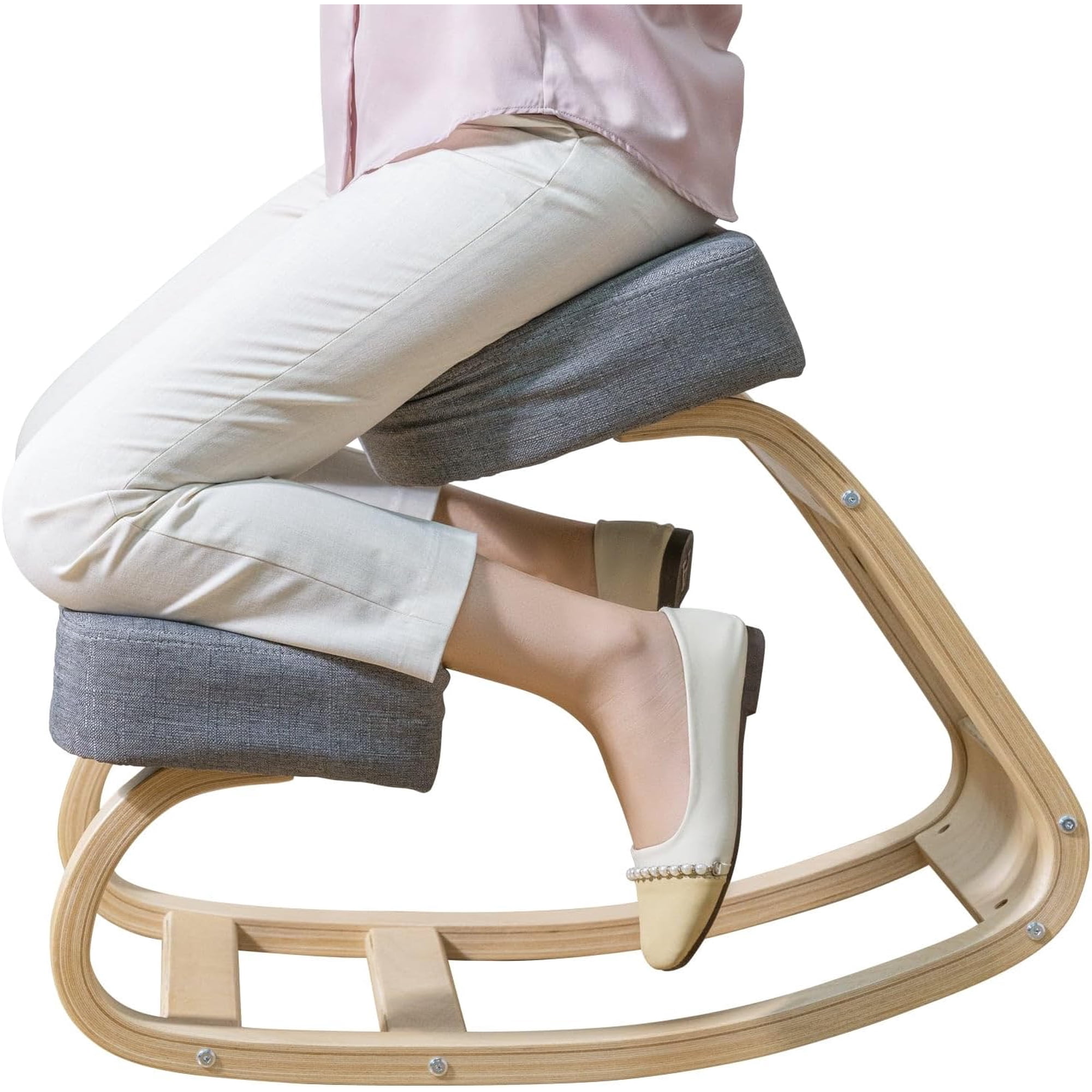
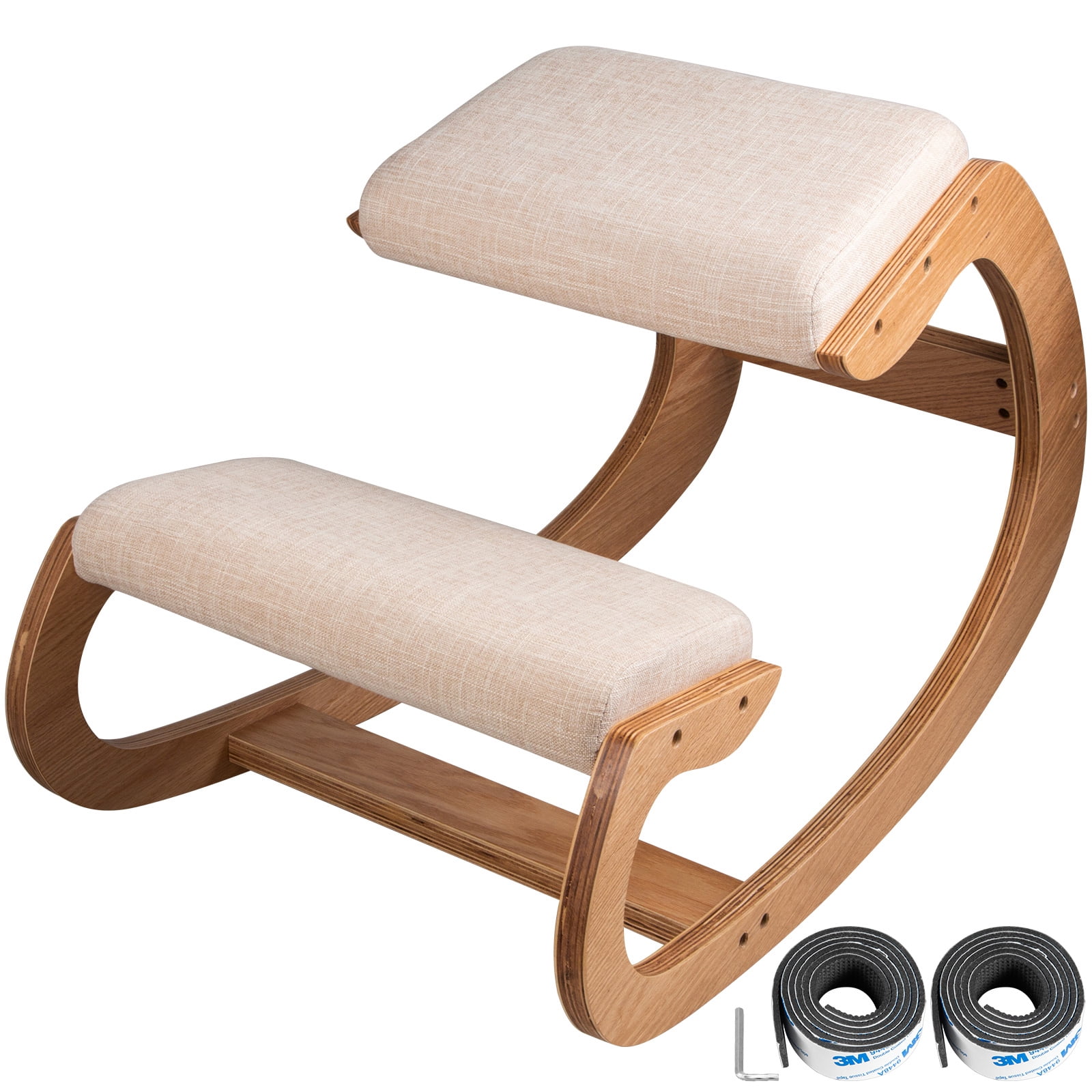
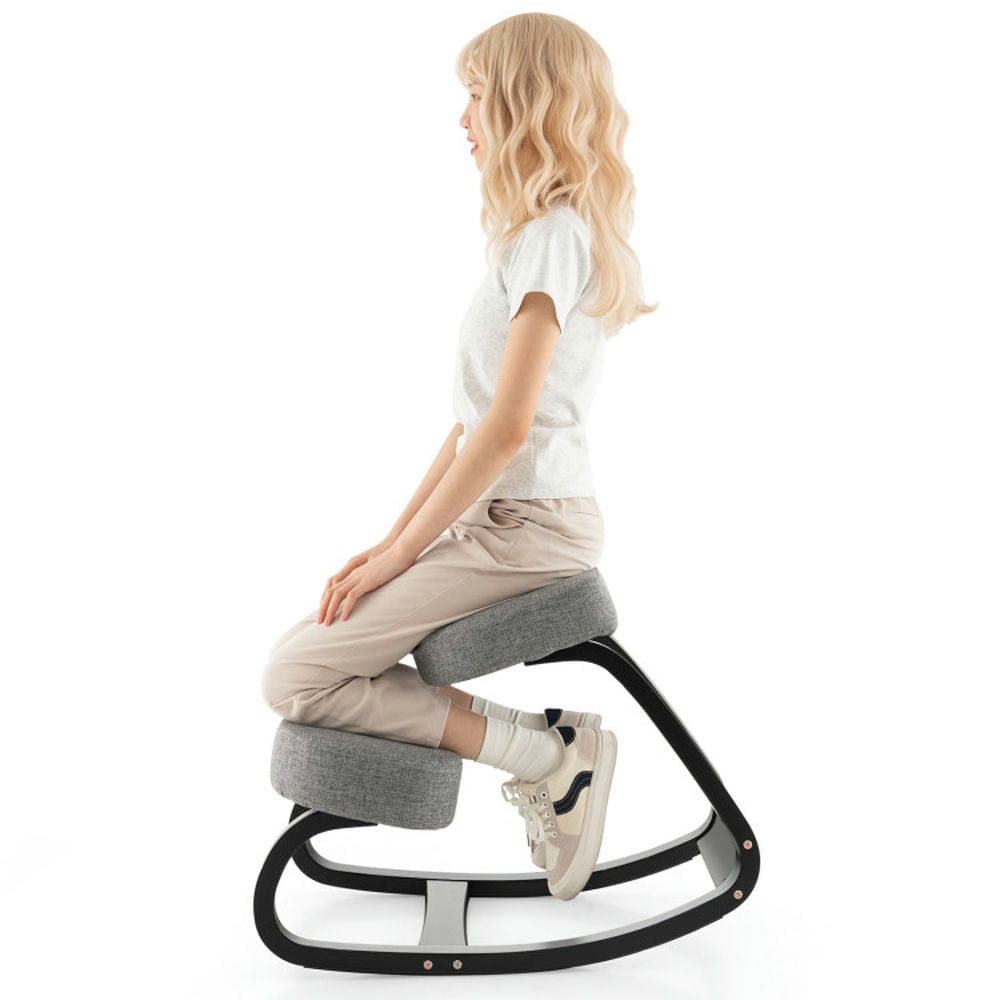
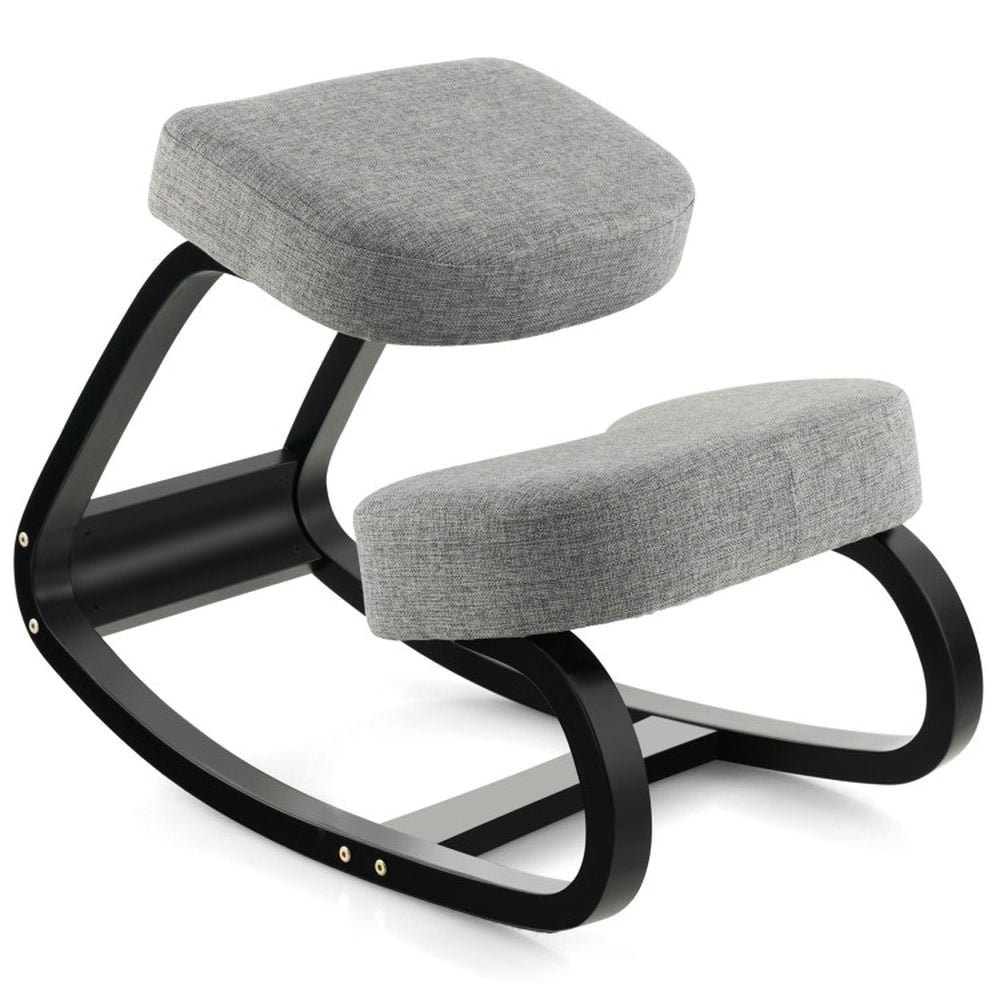
An office kneeling chair — sometimes called a knee chair or posture kneeler — replaces the traditional 90° seated position with a forward-sloping seat and padded supports for your shins. Your weight is distributed between your buttocks (on the seat) and your tibias (on the knee pads). This position automatically tilts your pelvis forward, reducing the curve in your lower back that often leads to slouching.
Unlike conventional office chairs that encourage a reclined or slumped posture, kneeling chairs promote what ergonomists call “active sitting”. Your core muscles remain lightly engaged, and your spine maintains its natural S-shape. Many professionals use them for 2–4 hours daily to break the cycle of sedentary fatigue.
Key benefits: more than just posture
✔ Spinal decompression
Opening the angle between your torso and thighs reduces pressure on intervertebral discs. A 2021 study in the Journal of Physical Therapy Science noted a 15% decrease in disc pressure compared to conventional sitting.
✔ Reduced lower back fatigue
Because the pelvis is tilted forward, you’re less likely to round your lower back. Users often report less stiffness after long coding or writing sessions.
✔ Improved breathing
An open torso angle allows the diaphragm to expand more freely, which can boost oxygen intake and mental alertness.
✔ Core & leg engagement
Balancing without a backrest subtly works your abdominals and thighs. Over time this can improve overall stability.
How to choose the right kneeling chair: 5 critical factors
Not all kneeling chairs are built the same. Use this checklist to evaluate models:
- Seat cushion thickness & density: Look for high-resilience foam (at least 2.5” thick) to avoid numbness. Memory foam blends often provide the best pressure relief.
- Knee pad adjustability: Some chairs allow you to slide the knee pads forward/backward. This is essential for fitting different leg lengths and avoiding pressure behind the knees.
- Frame material & stability: Steel frames (powder-coated) last longer than plastic. Check that the base doesn’t wobble when you shift weight.
- Weight capacity: Most standard kneeling chairs support up to 250–300 lb. For users over that range, seek reinforced models with wider frames (often rated 350–400 lb).
- Floor protection: If the chair has casters, look for soft rubber wheels that won’t scratch hardwood. Stationary models often include glides or felt pads.
Analogy: Think of a kneeling chair like a bicycle seat compared to a park bench. On a bike, your legs share the load and your spine is naturally curved — you stay active. A traditional office chair is like a deep sofa: comfortable at first, but after hours it invites slouching and stiffness.
Kneeling chair vs. ergonomic office chair: quick comparison
| Feature | Kneeling chair | Standard ergonomic chair |
|---|---|---|
| Hip angle | 60–70° (open) | 90° (closed, can cause compression) |
| Back support | None (self-supported) | Lumbar & backrest present |
| Core activation | Light/moderate | Minimal |
| Best for | Short sessions, posture retraining | All-day mixed tasks |
| Space needed | Compact, often smaller footprint | Varies, usually larger |
Transitioning to a kneeling chair: a 3-step adaptation plan
Step 1: Start gradually. Use the kneeling chair for 30–60 minutes the first few days. Your shins and knees need time to acclimatize to the pressure.
Step 2: Alternate with standing or a standard chair. For example, kneel for 2 hours, then stand for 30 minutes, then return to kneeling. This prevents any single position from causing strain.
Step 3: Fine-tune positioning. Ensure the knee pads sit just below the kneecap (on the tibial tuberosity). If you feel pinching behind the knee, adjust the pad distance. Many users place a small anti-fatigue mat underfoot for micro-movements.
Common myths about kneeling chairs (debunked)
- “They will ruin your knees” — When adjusted correctly, the pads rest on the shin bone, not the kneecap. Pressure is spread over a large surface, similar to kneeling on a cushion. Users with healthy knees typically experience no issues.
- “You can’t sit still on them” — Actually, the slight instability is by design; it encourages micro-movements that pump blood and reduce static loading. Most people find they can focus well after a short adaptation.
- “Only for young people” — Many physiotherapists recommend kneeling chairs to older adults with lower back pain, provided they have no knee arthritis. Always consult a specialist.
Who benefits most from an office kneeling chair?
Based on thousands of user reviews and ergonomic assessments, kneeling chairs are particularly effective for:
- Designers, writers, programmers — anyone who spends long hours in deep focus and tends to lean forward.
- People with coccyx (tailbone) pain who find traditional seats painful.
- Individuals recovering from poor posture habits (anterior pelvic tilt) who need to retrain pelvic alignment.
- Workstations with limited space — kneeling chairs often have a smaller footprint than executive chairs.
According to a 2020 survey by the American Posture Institute, 74% of kneeling chair owners reported less lower back discomfort after 8 weeks of use compared to their previous office chair.
Frequently asked questions about kneeling office chairs
Conclusion: is a kneeling chair right for your office?
An office kneeling chair is not a replacement for your primary task chair — it’s a specialized tool that introduces postural variety and core activation. For executives, remote workers, and anyone tired of the "afternoon slump," it offers a science-backed way to stay alert and comfortable. When selecting a model, prioritize cushion quality, adjustability, and solid construction. Start slowly, listen to your body, and combine it with standing or walking breaks. The result: a more resilient back and better focus throughout the workday.