
Why Ergonomics Matter at Counter Height
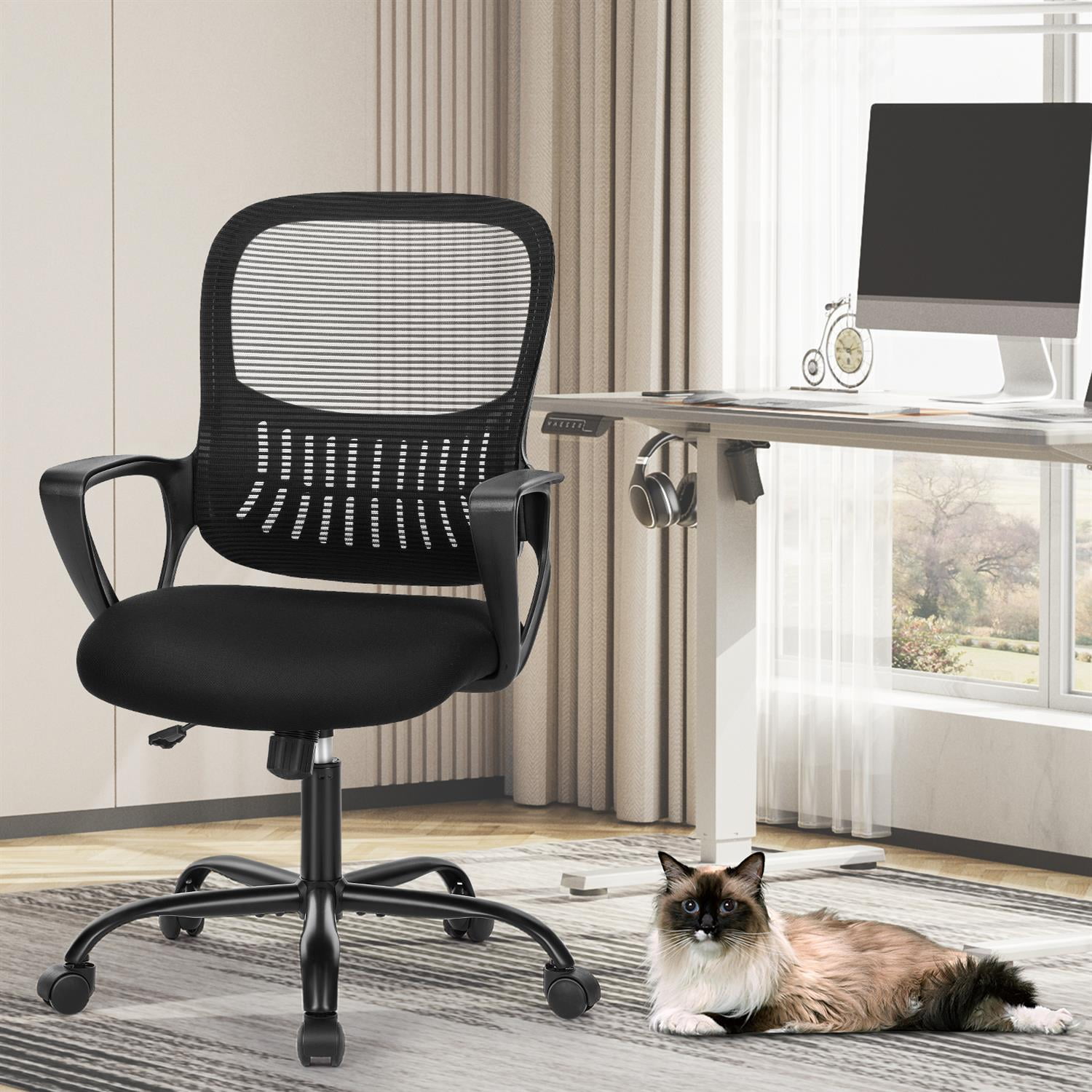
Imagine trying to conduct a symphony while standing on an apple crate. That's what it feels like to use a standard office chair with a high-top table or standing desk. Your knees bump, your shoulders hunch, and your posture collapses. An ergonomic counter height office chair is the solution—it's the conductor's podium, designed to elevate you to the perfect working level while providing the spinal support your body craves.
These chairs, often called drafting chairs or tall ergonomic stools, bridge the gap between traditional seating and elevated worksurfaces. According to a study by the National Institutes of Health (NIH), using properly adjusted seating can reduce low back pain incidence by up to 33%. For the modern professional who splits their day between a standing desk and collaborative high-top meetings, this specialized chair isn't a luxury—it's a health necessity.
This guide will walk you through everything you need to know, from key features like adjustable footrings and pneumatic lifts to selecting the perfect model for your body type and workflow. We'll help you elevate your workspace without sacrificing an ounce of comfort.
Anatomy of an Ergonomic Counter Height Office Chair
What sets these chairs apart from their standard-height cousins? It's a combination of specialized engineering and thoughtful design. Let's break down the critical components that define a quality ergonomic counter-height chair.
1. The Elevated Pneumatic Lift: The Backbone of Height
The most defining feature is the extended gas lift cylinder. While a standard office chair lift raises the seat pan to around 20-22 inches, a counter-height chair's lift is significantly longer, propelling the seat to a range of 24 to 31 inches or more. Look for chairs with Class 3 or Class 4 gas lifts. These are industrial-grade and ensure smooth, reliable height adjustment even under heavier loads, preventing that dreaded sinking feeling mid-afternoon.
2. The Footring: Your Legs' Best Friend
When your seat is 28 inches high, your feet aren't touching the ground. This is where the adjustable footring becomes the star of the show. Think of it as a movable floor for your feet. A quality footring allows you to:
- Maintain the 90-Degree Angle: Keep your knees and hips at the optimal ergonomic angle, preventing pressure on your thighs and improving blood circulation.
- Reduce Lower Back Strain: Supported feet stabilize your pelvis, which in turn supports your lower spine.
- Customize Your Fit: Most premium footrings are height-adjustable along the lift cylinder, allowing you to find the perfect spot for your leg length.
3. The Base: A Foundation of Stability
With great height comes the need for great stability. A standard 24-inch base might wobble at higher elevations. Reputable ergonomic counter height chairs feature a wider, heavy-duty five-point base, often 26 to 28 inches in diameter. This expanded footprint lowers the chair's center of gravity, ensuring it remains planted and secure as you lean, swivel, or reach for documents. Materials like polished aluminum or reinforced nylon add both strength and style.
Ergonomic Insight: The combination of an elevated seat and a stable base mimics the feeling of sitting on a sturdy bar stool, but with the full ergonomic adjustability of a high-end office task chair. It's the best of both worlds.
Comparison: Counter-Height vs. Standard Office Chair
To help you visualize the differences, here's a quick comparison. Choosing the wrong height can lead to shoulder fatigue and wrist pain from typing at an improper angle.
| Feature | Ergonomic Counter Height Chair | Standard Office Chair |
|---|---|---|
| Seat Height Range | 24" - 31" (ideal for 36" - 42" surfaces) | 16" - 21" (ideal for 28" - 30" desks) |
| Foot Support | Integrated, adjustable footring (essential) | Floor (feet flat on ground) |
| Gas Lift Class | Class 3 or 4 (heavy-duty, longer stroke) | Class 2 or 3 (shorter stroke) |
| Base Diameter | 26" - 28" (wider for stability) | 24" - 26" (standard) |
| Primary Use | Standing desks, drafting tables, kitchen islands, collaborative high tables | Traditional office desks and workstations |
Key Ergonomic Adjustments to Look For
Beyond the height-specific features, a true ergonomic counter height chair must offer the same adjustability as a premium task chair. Here’s what to prioritize:
- Seat Depth Adjustment (Slider): Ensures you have 2-3 finger widths of space between the back of your knee and the seat edge, supporting proper thigh circulation.
- Adjustable Lumbar Support: Critical for maintaining the natural 'S' curve of your spine. Look for both height and depth adjustability.
- 3D or 4D Armrests: Armrests that adjust in height, width, depth, and pivot angle allow you to keep your shoulders relaxed and elbows at a 90-degree angle while typing.
- Tilt Tension and Lock: The ability to control the recline resistance and lock the chair in an upright position gives you dynamic movement options throughout the day.
Materials and Build Quality
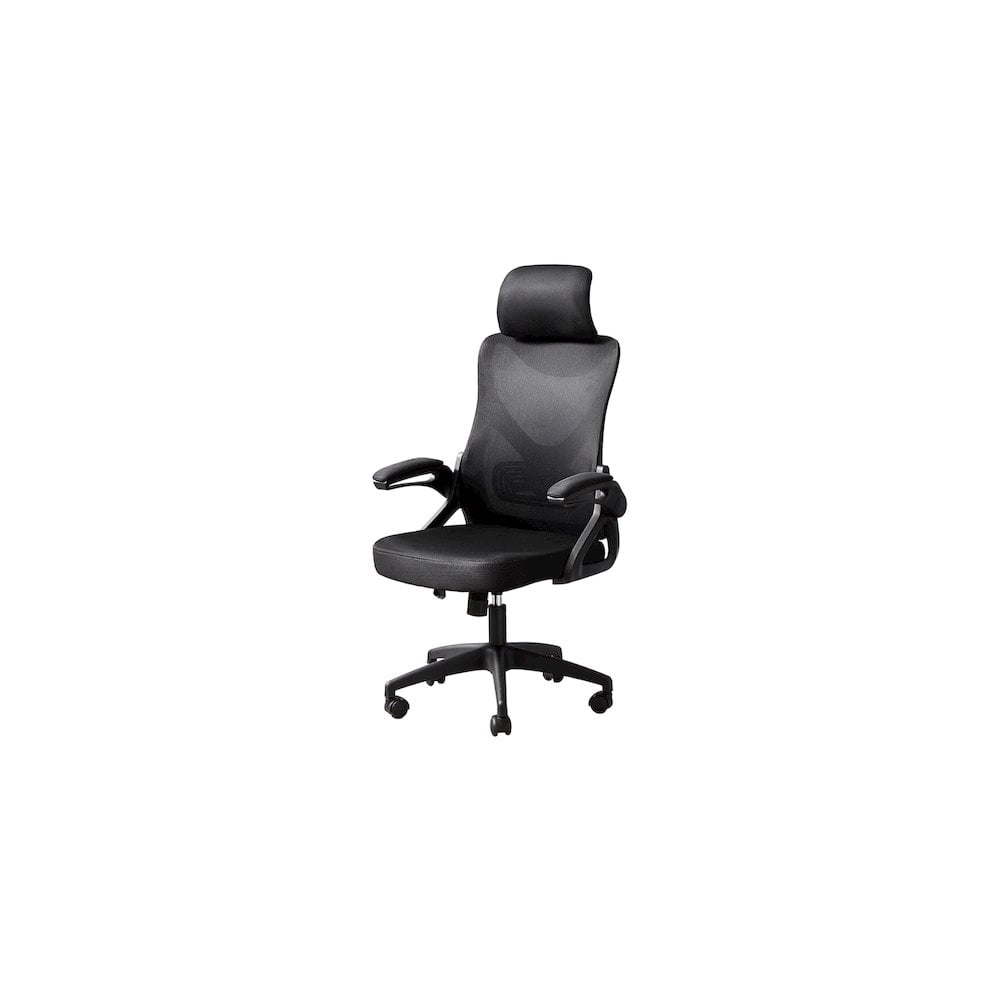
Given the higher center of gravity, material choice is paramount. Mesh is a popular backrest material for its breathability, especially if you're transitioning between sitting and standing and generating more heat. For the seat, high-density foam with a durable fabric or premium leather (or high-quality faux leather) provides long-lasting comfort. Always check for a robust frame—steel or reinforced polymer—that can withstand the torque of daily use at elevated heights.
Frequently Asked Questions About Ergonomic Counter Height Chairs
Elevate Your Workday with the Right Chair
Choosing an ergonomic counter height office chair is an investment in your daily well-being and productivity. It's about more than just reaching a high table; it's about creating a workspace that adapts to you, supports your body's natural alignment, and encourages healthy movement. By prioritizing key features like an adjustable footring, a stable wide base, a heavy-duty gas lift, and comprehensive ergonomic adjustments, you can transform a potentially awkward workstation into a hub of comfort and efficiency.
Final Takeaway
Remember, the best chair is the one that fits your body and your workspace perfectly. Use this guide to navigate the options and find the elevated seating solution that will keep you comfortable, focused, and pain-free for years to come.