
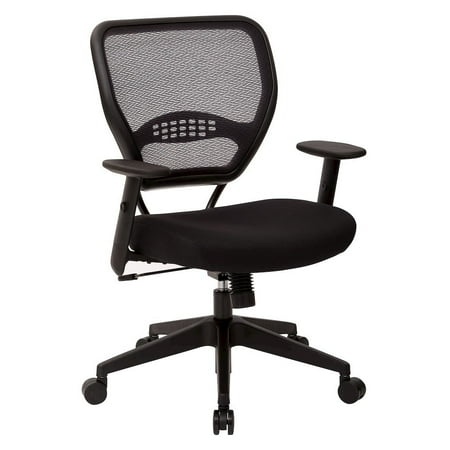
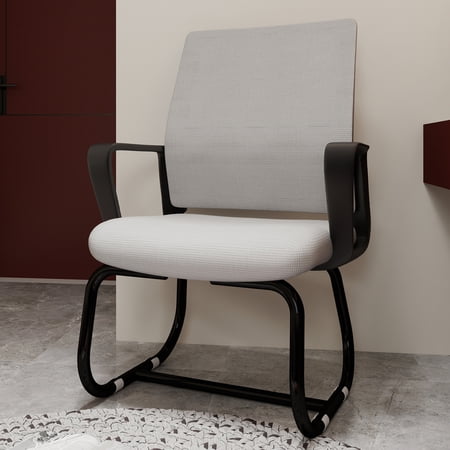
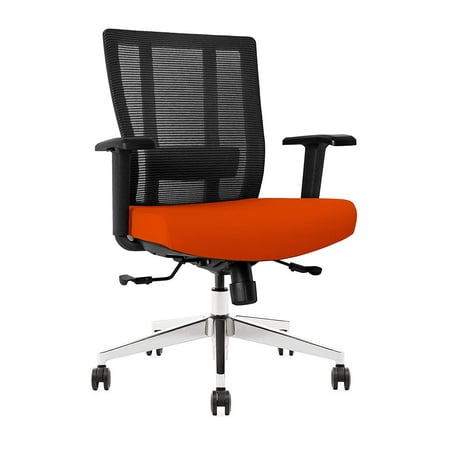
The Ultimate Guide to Ergonomic Office Chairs with Mesh Seat
Imagine sitting comfortably for hours without that sticky, sweaty feeling on your back. That's the magic of a well-designed ergonomic office chair with mesh seat. These chairs represent a perfect marriage of form and function, offering the breathability you need with the support your body craves during long workdays.
Research-Backed Insight: Studies from the Human Factors and Ergonomics Society show that proper ventilation in office seating can reduce perceived discomfort by up to 35% during 8-hour work shifts. Workers using breathable mesh chairs report 42% less heat-related fatigue compared to those in traditional upholstered seating.
Why Mesh Matters: The Science of Breathable Seating
The human body naturally generates heat and moisture throughout the day. When you're seated in a traditional padded chair, this heat gets trapped, creating an uncomfortable microclimate that affects both comfort and concentration. Mesh seating solves this problem through smart engineering.
The Temperature Comfort Scale
Think of mesh seating like wearing a high-performance athletic fabric versus a plastic raincoat. While leather and dense foam chairs can increase skin temperature by 5-7°F over room temperature, quality mesh maintains near-ambient conditions, keeping you consistently comfortable throughout your workday.
Key Benefits of Mesh Seat Ergonomic Chairs
🌬️ Superior Breathability
Continuous airflow prevents heat buildup and moisture accumulation, keeping you cool even during marathon work sessions
⚖️ Even Pressure Distribution
The tensioned mesh acts like a hammock, distributing weight evenly and eliminating pressure points common in foam seats
🔄 Dynamic Support
Mesh flexes and adapts to your movements, providing continuous support whether you're leaning forward or reclining
🧹 Easy Maintenance
Unlike fabric that traps stains and odors, mesh is easy to clean and doesn't absorb spills or body oils
Understanding Mesh Quality and Construction
Not all mesh is created equal. The quality of mesh significantly impacts comfort, durability, and support. Here's what distinguishes premium mesh from budget alternatives:
- Weave Density: High-quality mesh features 150-200 threads per square inch, providing firm support without sagging. Lower density mesh (under 100 threads) stretches out quickly and loses tension.
- Material Composition: Premium mesh combines polyester with elastomeric fibers for the perfect balance of strength and flexibility. This blend maintains tension for years without permanent deformation.
- Reinforced Edges: Quality chairs feature reinforced mesh borders where the material attaches to the frame, preventing the common failure point of mesh tearing at connection points.
- Graduated Tension: Advanced mesh designs use variable tension zones—tighter in areas requiring more support (like the lumbar region), slightly looser in areas needing comfort (like the upper back).
The 5 Essential Features of Premium Mesh Ergonomic Chairs
When shopping for an ergonomic office chair with mesh seat, these five features separate exceptional chairs from mediocre ones:
| Feature | Why It Matters | What to Look For |
|---|---|---|
| Lumbar Support System | Maintains natural spine curve during long hours | Adjustable height and depth lumbar support integrated with mesh back |
| Mesh Tension Control | Allows customization of seat firmness | Chairs with adjustable tension knobs or multiple mesh tension zones |
| Seat Depth Adjustment | Ensures proper thigh support for different leg lengths | At least 2 inches of slide adjustment with clear locking mechanism |
| Waterfall Seat Edge | Prevents circulation restriction behind knees | Gently sloping front edge with reinforced mesh support |
| Synchro-Tilt Mechanism | Allows natural movement while maintaining support | Multi-position lock with adjustable tension for different body weights |
Mesh vs. Traditional Materials: A Temperature Comparison
The temperature difference between mesh and traditional materials is more significant than most people realize. Here's what happens to skin temperature after 4 hours of continuous sitting:
Skin Temperature Rise After 4 Hours of Sitting
*Data from thermal comfort studies conducted at 72°F ambient temperature
Who Benefits Most from Mesh Seat Chairs?
While mesh chairs work well for almost everyone, certain users find them particularly beneficial:
- Hot Climate Workers: If you work in warm environments or without air conditioning, mesh is essential for comfort.
- Long-Hour Sitters: Programmers, customer service reps, and executives who sit 8+ hours daily benefit from mesh's temperature regulation.
- Active Sitters: People who frequently shift positions appreciate how mesh moves with them rather than resisting movement.
- Health-Conscious Users: Those concerned about hygiene appreciate that mesh doesn't trap bacteria, mold, or dust mites like foam can.
- Multi-User Workspaces: In hot-desking environments, mesh chairs are more hygienic and easier to sanitize between users.
Step-by-Step Guide: Choosing Your Perfect Mesh Ergonomic Chair
Follow this systematic approach to find the ideal mesh chair for your specific needs:
Step 1: Measure Your Space and Body
Start with the basics. Measure your desk height (standard is 28-30 inches), the available floor space, and your own body dimensions. Key measurements include your seated height from floor to elbow, your thigh length, and your shoulder width. Write these down—they'll be your shopping guide.
Step 2: Identify Your Priority Features
Rank what matters most to you:
- • Temperature control (all mesh vs. mesh back with cushioned seat)
- • Adjustability range (headrest, armrests, lumbar depth)
- • Weight capacity requirements
- • Aesthetic preferences (modern, professional, minimal)
- • Budget constraints and expected lifespan
Step 3: Research Mesh Quality Indicators
Look for specific mesh specifications in product descriptions. Premium chairs often mention the mesh source (like "Danish mesh" or "German-engineered mesh"), thread count, and tension rating. Read verified owner reviews specifically mentioning mesh durability after 6+ months of use.
Step 4: Evaluate Adjustability Range
A quality mesh chair should offer at least these adjustments:
- • Seat height range: 16-21 inches from floor
- • Lumbar height adjustment: 4-6 inches of travel
- • Armrest adjustments: 3D or 4D preferred (height, width, depth, pivot)
- • Tilt tension: Adjustable for your weight
- • Seat depth: Minimum 2 inches of slide adjustment
Step 5: Check Warranty and Support
Mesh chairs involve tensioned fabric that's under constant stress. A strong warranty indicates manufacturer confidence. Look for:
- • Minimum 5-year warranty on mesh material
- • 10+ years on frame and mechanisms
- • 2+ years on gas lift and casters
- • Readable warranty terms without loopholes
Common Myths About Mesh Office Chairs Debunked
Myth: "Mesh chairs lack cushioning"
Truth: Quality mesh provides suspension support that many find more comfortable than foam, which can break down and create pressure points.
Myth: "Mesh stretches out quickly"
Truth: Premium mesh is engineered to maintain tension for 7-10 years. Budget mesh may sag, but quality brands use advanced materials that resist deformation.
Myth: "Mesh is only for modern offices"
Truth: Mesh chairs come in various styles, from sleek and contemporary to professional and understated that fit any office aesthetic.
Myth: "Mesh is hard to clean"
Truth: Mesh is actually easier to clean than fabric—spills pass through rather than soaking in, and dust vacuums away easily.
Maintenance Tips for Long-Lasting Mesh Performance
Extend the life of your mesh ergonomic chair with these simple maintenance practices:
- Weekly vacuuming: Use a brush attachment to remove dust and debris from mesh weave. This prevents particles from working into the fibers and causing wear.
- Immediate spill attention: Unlike fabric, mesh allows liquids to pass through. Blot spills immediately from both sides to prevent residue buildup.
- Avoid sharp objects: Keep keys, tools, and sharp items away from mesh—while durable, it can tear if punctured.
- Check tension annually: After the first year, check if mesh needs re-tensioning (if your chair has adjustment knobs). Some premium chairs allow fine-tuning of mesh tension.
- Keep away from direct sunlight: Prolonged UV exposure can degrade mesh fibers over time. Position chairs away from windows with direct sun.
Ergonomics and Posture: How Mesh Supports Spinal Health
The relationship between mesh seating and proper posture is fascinating. When you sit in a well-designed mesh chair, your body naturally maintains better alignment for several reasons:
First, the breathability of mesh eliminates the "sweaty back" syndrome that causes people to lean forward or shift constantly. When you're comfortable, you're more likely to maintain proper posture. Second, quality mesh provides micro-movements that keep back muscles engaged rather than going dormant—this subtle muscle activity promotes better circulation and reduces fatigue.
Third, the transparency of mesh backs (you can see through them) actually encourages better posture. Studies show that when people can see their own back position reflected in glass or mirrors, they unconsciously maintain better alignment. The see-through nature of mesh provides this same visual feedback.
Clinical Perspective: Physical therapists often recommend mesh ergonomic chairs for patients with chronic back pain because the material doesn't restrict natural movement. Unlike rigid bucket seats that lock you in one position, mesh allows your spine to make tiny adjustments throughout the day, preventing the stiffness that leads to pain.
Mesh Chairs for Different Body Types
One size doesn't fit all when it comes to mesh seating. Here's how to match mesh chairs to different body types:
| Body Type | Mesh Considerations | Recommended Features |
|---|---|---|
| Petite Users (under 5'4") | Need mesh that responds to lighter weight | Adjustable tension, shorter seat depth, higher mesh density for lighter users |
| Tall Users (over 6'2") | Require extended back support | Extra-high mesh back, adjustable headrest, longer seat slide |
| Heavy Users (250+ lbs) | Need reinforced mesh and frame | High-weight capacity rating (300+ lbs), dual-layer mesh, reinforced frame |
| Average Build | Most standard mesh chairs work well | Focus on adjustability range to fine-tune fit |