
The Rise of the Upholstered Ergonomic Office Chair
For years, the office chair world was divided: you could have the plush, high-back leather executive chair that looked impressive but offered little adjustability, or you could have the technical, mesh-backed ergonomic chair that looked like it belonged in a lab. The upholstered ergonomic office chair bridges this gap beautifully. It’s like taking the supportive chassis of a luxury car and wrapping it in the soft, inviting seats of your favorite armchair. This combination is rapidly becoming the top choice for professionals who refuse to compromise on either comfort or spinal health.
Why it matters now: With the rise of hybrid and home offices, our seating needs have evolved. We want furniture that feels less 'institutional' and more 'livable,' but without sacrificing the ergonomic principles that keep us pain-free. A 2023 survey by the American Chiropractic Association noted that 68% of remote workers reported less back fatigue when using a chair with adequate cushioning *and* lumbar support, a hallmark of this category.
The Anatomy of Comfort: What Makes an Upholstered Ergonomic Chair Special?
To understand the value, let's dissect the two key terms: 'upholstered' and 'ergonomic.' When combined thoughtfully, they create a whole that is greater than the sum of its parts.
1. The 'Upholstered' Advantage: Beyond Just Padding
Upholstery isn't just about making a chair look good. It's a complex system involving the fabric, the foam, and the underlying support structure.
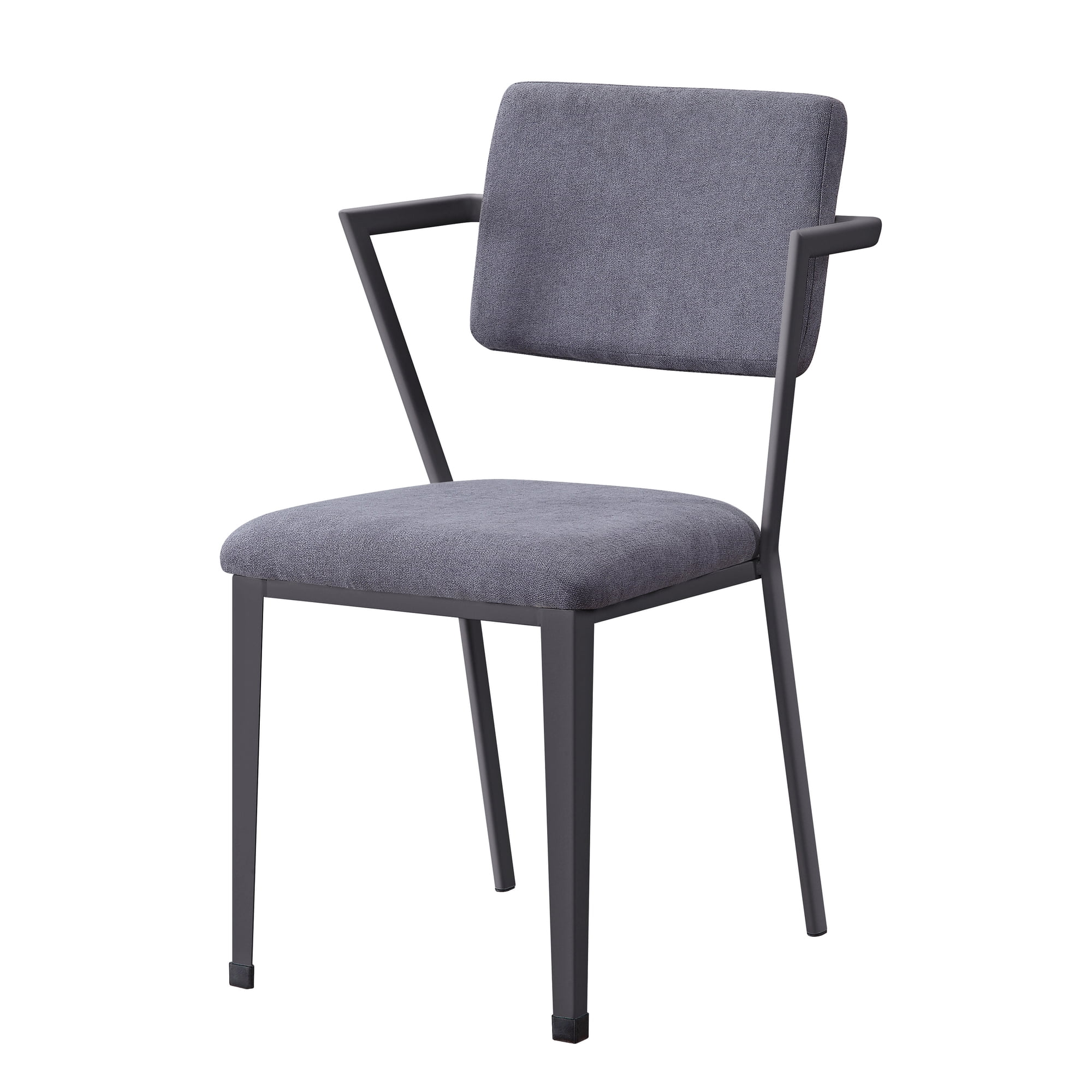
- Fabric Choices: Modern upholstered chairs use advanced fabrics like breathable polyester blends, performance weaves that resist stains, and even eco-friendly materials like recycled PET. Unlike leather, fabric breathes naturally, reducing heat buildup during long sitting sessions.
- The Foam Factor: The heart of comfort lies in the cushion. High-resilience (HR) foam or memory foam layers contour to your body, distributing weight evenly. This isn't just about softness; it's about pressure relief. A good chair will use varying foam densities—firmer in the seat base for stability, softer in the back for comfort.
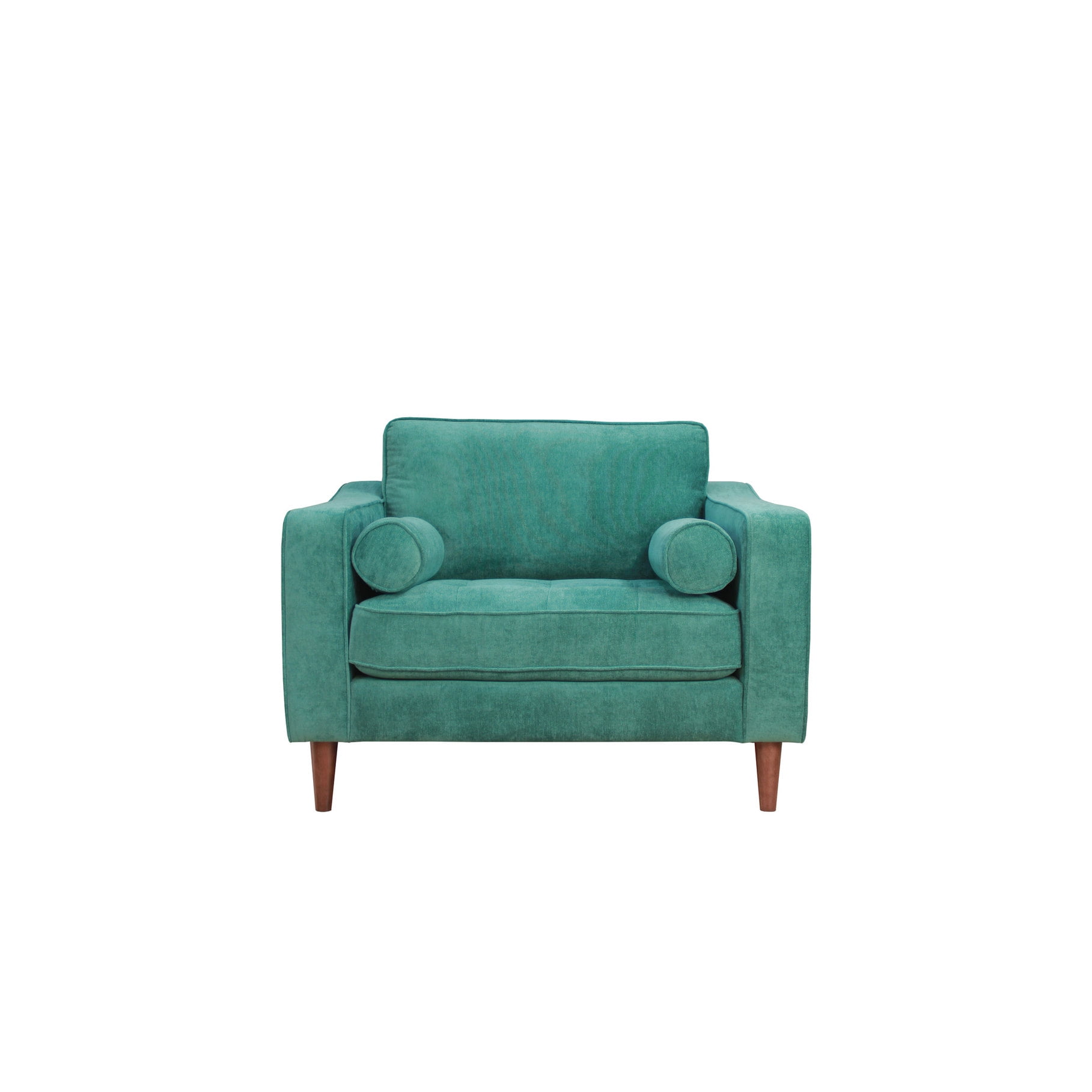
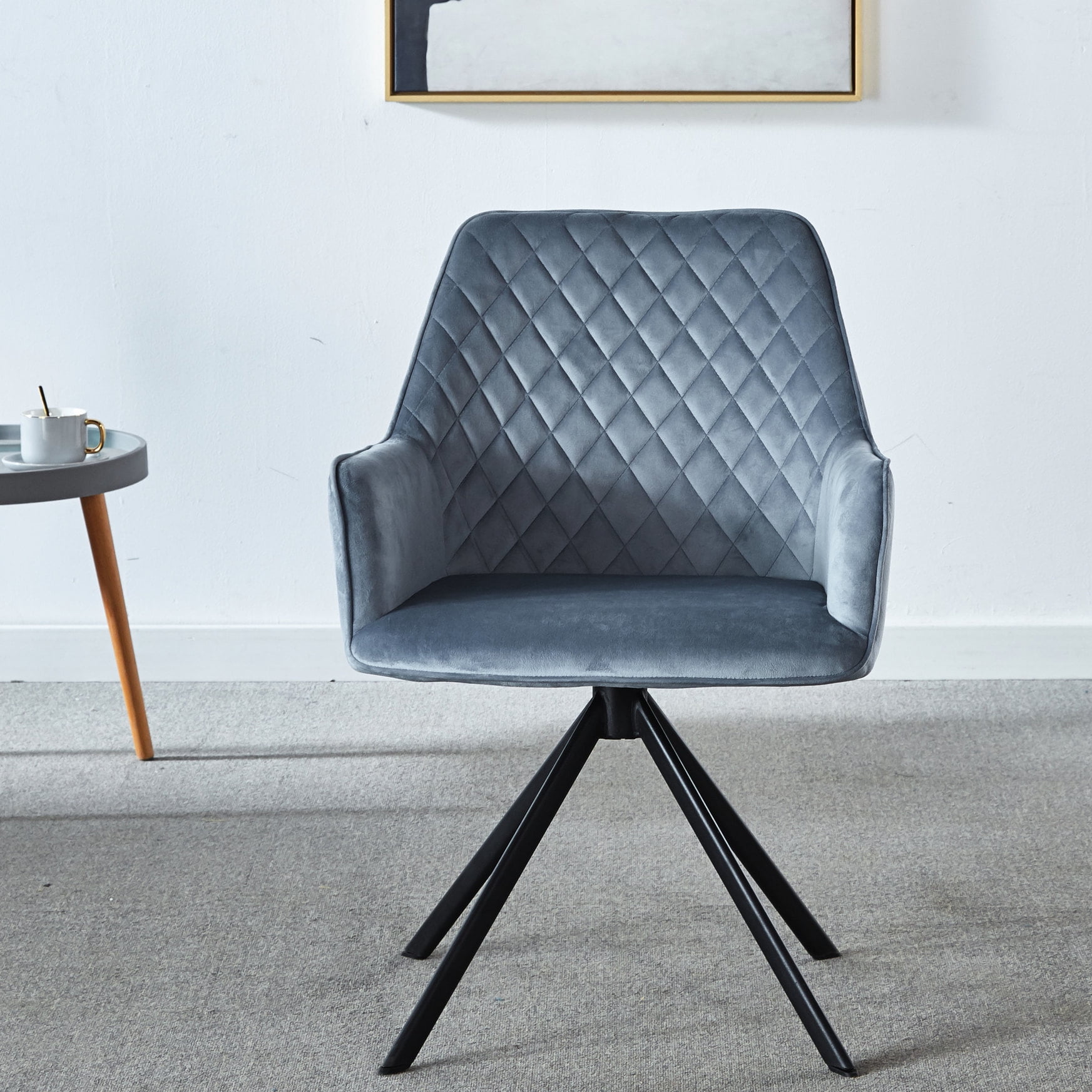
- Aesthetic Versatility: From a sleek, modern grey twill to a classic navy chenille, upholstered chairs bring warmth and style to an office. They say, "This is a place for focused, comfortable work," rather than just a temporary station.
2. The 'Ergonomic' Core: The Invisible Support System
This is where the science comes in. An upholstered chair earns the 'ergonomic' title through specific, adjustable features.
- Integrated Lumbar Support: The curve of the backrest must align with your spine's natural 'S' shape. The best chairs offer adjustable lumbar support (height and depth) built right into the upholstery.
- Seat Depth Adjustment: Also known as a sliding seat pan. This allows you to adjust the seat so there's a 2-3 finger gap between the back of your knee and the seat edge, ensuring proper circulation.
- Multi-Dimensional Armrests: Adjustable armrests (height, width, and pivot) allow your shoulders to relax, preventing neck and shoulder tension.
- Synchro-Tilt Mechanism: This allows the seat and back to move in a coordinated ratio as you recline, keeping you supported and your feet planted on the floor, reducing spinal pressure.
Pressure Distribution
High-density foam reduces peak pressure on sitting bones by up to 30%.
Micro-Climate Control
Breathable fabrics wick moisture, keeping you cool and dry.
Sustained Alertness
Reduced discomfort means fewer fidget breaks and better focus.
Long-Term Posture
Consistent support trains your body to maintain a healthier seated posture.
Fabric vs. Leather vs. Mesh: A Quick Comparison
To help you decide if upholstered is right for you, here’s how it stacks up against other popular materials.
| Feature | Upholstered Fabric | Leather | Mesh |
|---|---|---|---|
| Initial Feel | Warm, soft, inviting | Cool, smooth, firm | Cool, bouncy, airy |
| Breathability | Good to Excellent (fabric dependent) | Poor (can get sticky) | Excellent |
| Cushioning | Plush, thick foam layers | Firm, thin padding over foam | Minimal (tension-based support) |
| Durability | High (with quality fabric) | Very High (if genuine leather) | Medium (mesh can sag) |
| Maintenance | Vacuum & spot clean | Wipe clean, condition | Wipe frame, gentle wash for mesh |
Think of it this way: If mesh is a performance bike seat and leather is a classic car seat, an upholstered ergonomic chair is your favorite well-worn, perfectly supportive reading chair—engineered for your workday.
Who is the Ideal Candidate for an Upholstered Ergonomic Chair?
While versatile, this chair type shines for specific users:
- The All-Day Worker: If you spend 8+ hours at your desk, the extra cushioning and pressure relief are game-changers for comfort and energy levels.
- The Style-Conscious Professional: You want your home office to feel like part of your home, not a sterile corporate branch. Fabric adds texture and personality.
- Individuals with Sensitivity to Cold: In cooler climates or air-conditioned offices, fabric feels much warmer and more inviting than leather or mesh.
- Those Seeking a 'Middle Ground': You want the support of an ergonomic chair but find mesh backs too firm or leather too slippery. Upholstered offers a balanced, secure feel.
Selecting Your Perfect Upholstered Ergonomic Chair: A 3-Step Guide
Step 1: Prioritize the Mechanism, Then the Fabric
Always check the ergonomic features first. Does it have adjustable lumbar? Seat depth? Tilt tension? A beautiful chair without these core adjustments is just a pretty but painful place to sit. Once the mechanism checks out, then fall in love with the fabric and color.
Step 2: Assess Foam Density and Fabric Type
Look for specifications mentioning "high-density foam" or "cold-cured foam"—these won't flatten out after a few months. For fabric, ask about the "Martindale rub count" (a durability test). A count of 30,000+ is suitable for heavy office use. Performance fabrics treated with stain guards are a smart investment.
Step 3: Consider the Climate and Your Body Temperature
If you tend to run warm, look for chairs specifically marketed with "breathable fabric" or those that combine a mesh back with an upholstered seat. This gives you the best of both worlds: a cool back and a cushioned seat.
Frequently Asked Questions About Upholstered Ergonomic Chairs
Conclusion: Invest in the Comfort You Deserve
Choosing an upholstered ergonomic office chair is a decision to prioritize your daily well-being without sacrificing style. It's an acknowledgment that a productive work environment should be both physically supportive and personally inviting. By focusing on the quality of the ergonomic mechanisms first, and then selecting a durable, breathable fabric with the right foam density, you're investing in a chair that will support your best work for years to come. It’s not just a seat; it’s a partner in your professional journey, offering a warm welcome every time you sit down to tackle the day's challenges.