
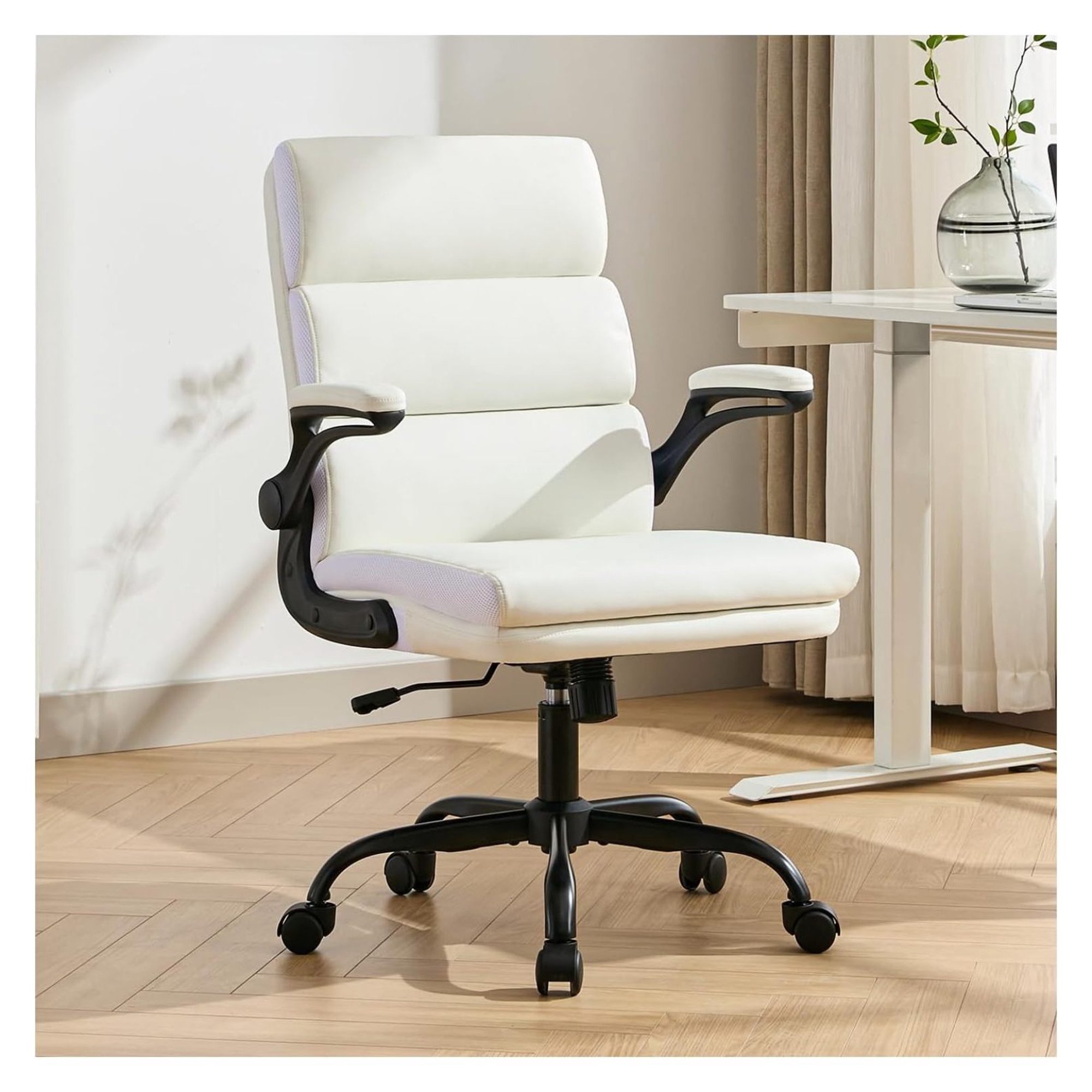
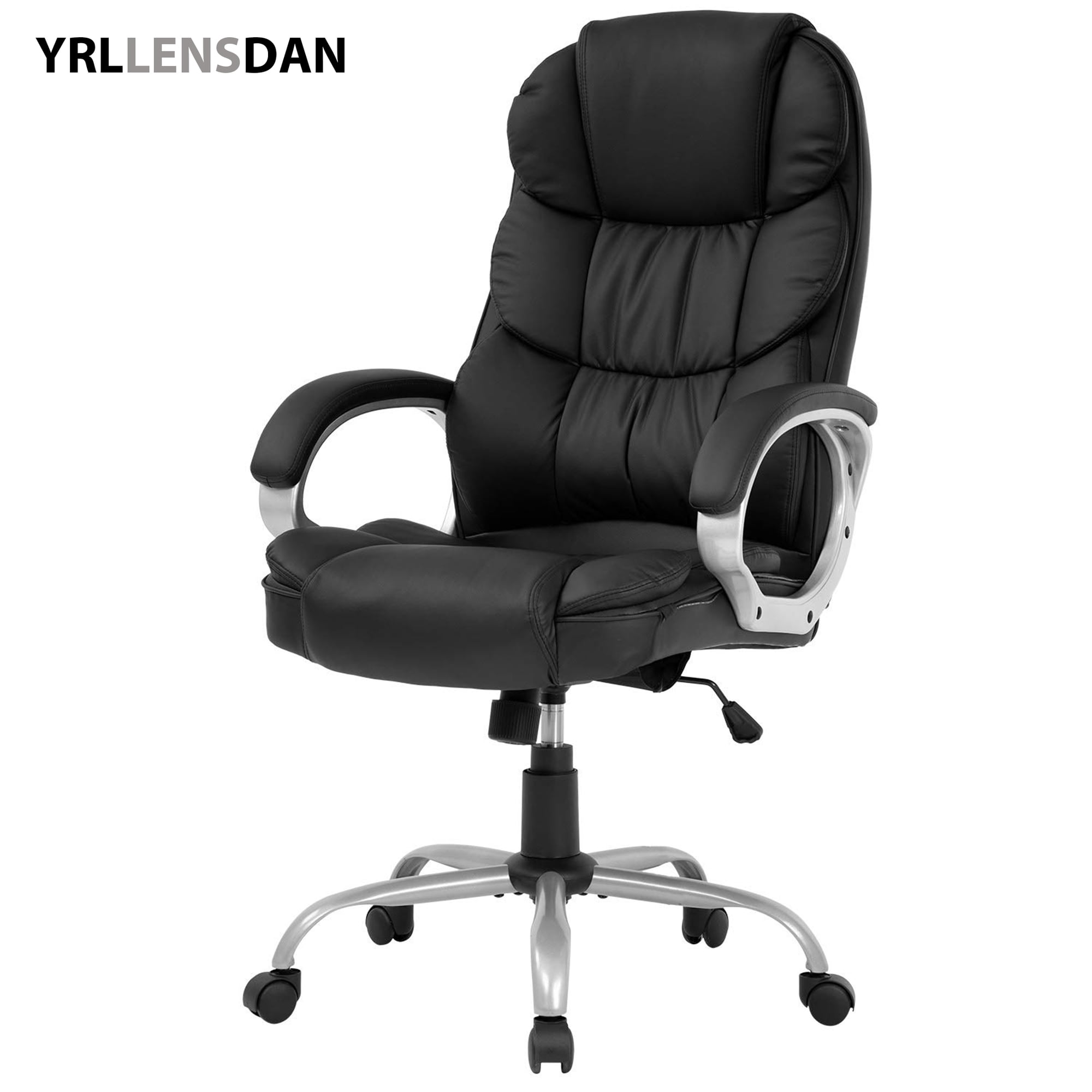
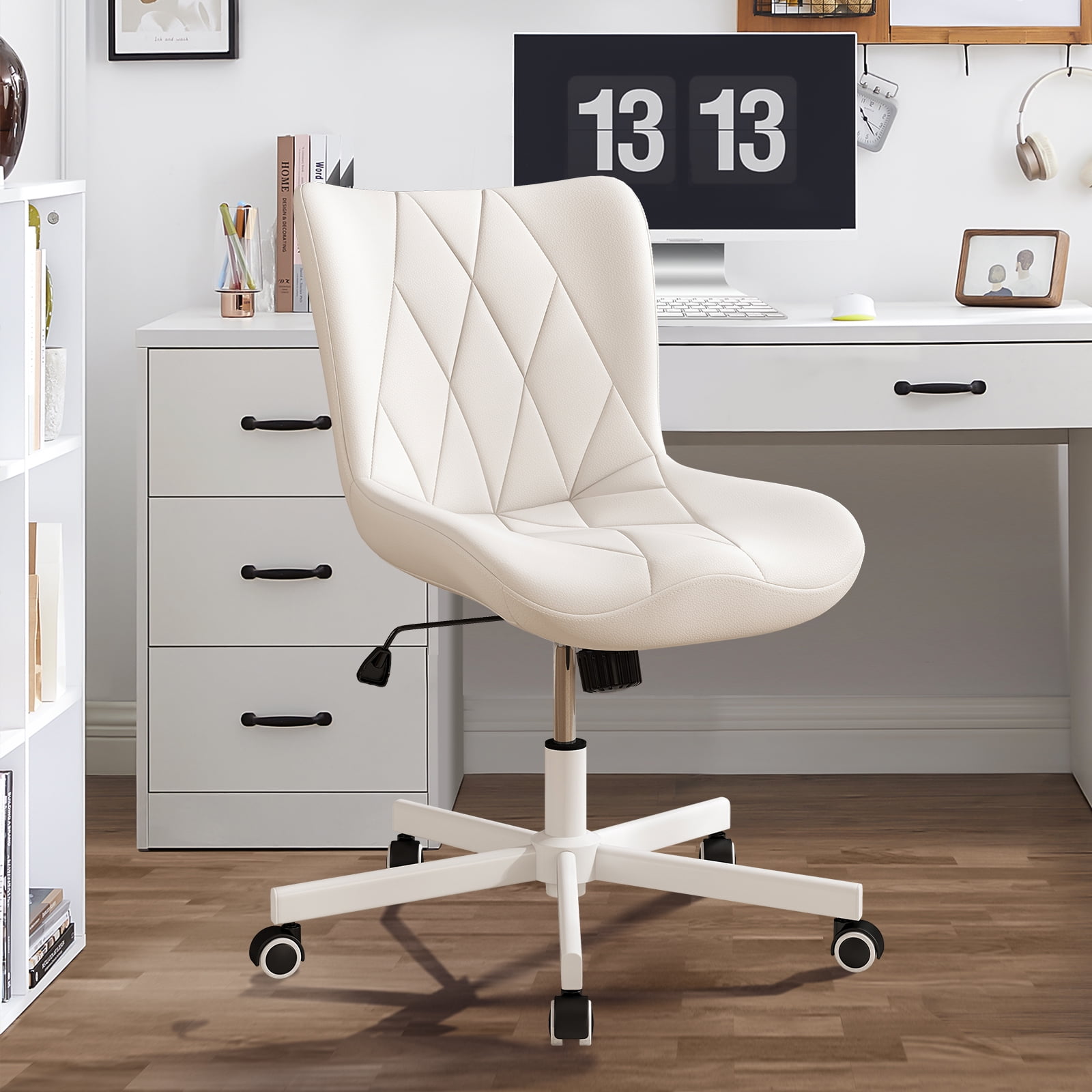
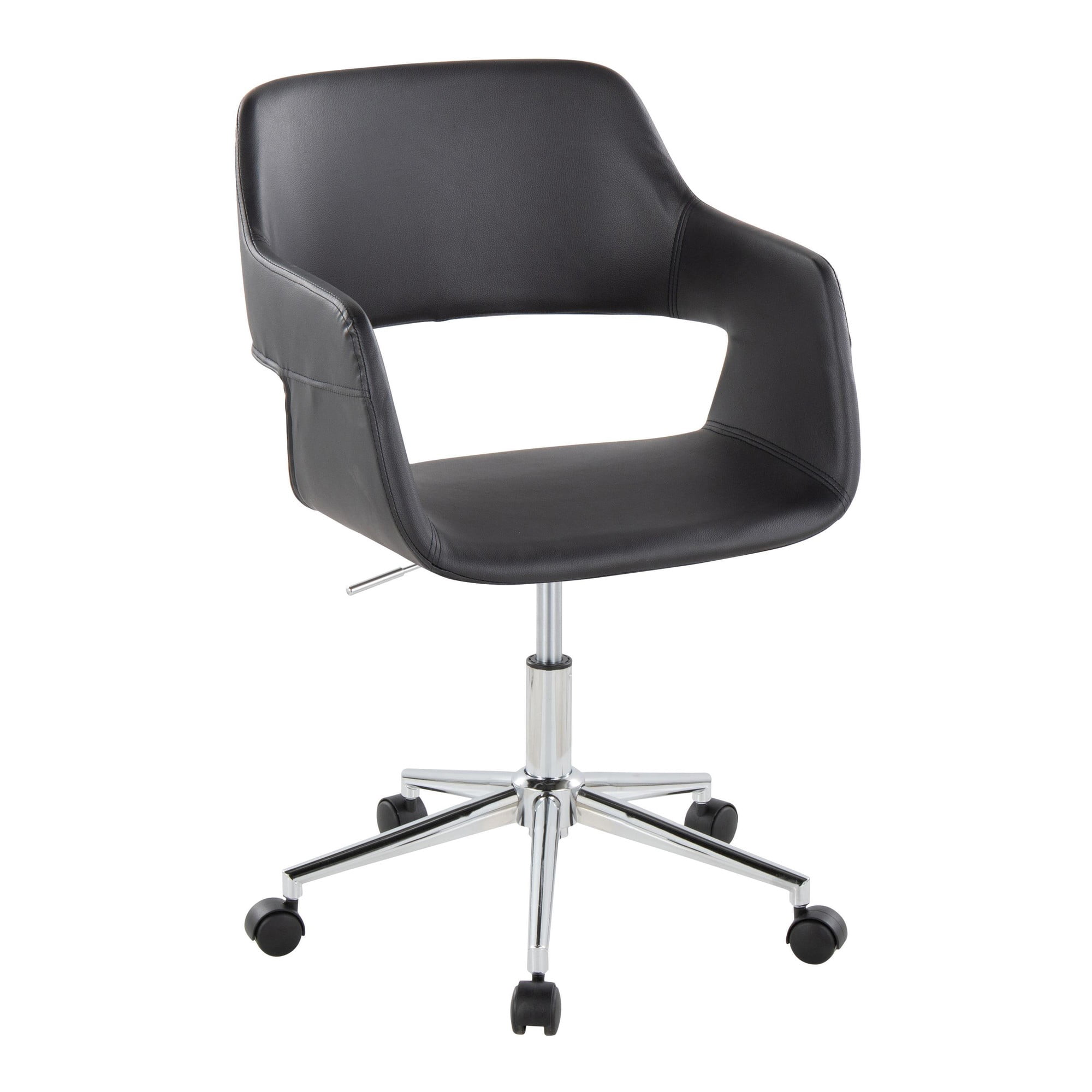
The Quest for the Perfect Comfy Leather Office Chair
Imagine settling into your chair at 8 AM, and when you glance at the clock again, it's already noon—not because you're exhausted, but because you've been so comfortable and focused that time flew by. That's the magic of a truly comfy leather office chair. Unlike ordinary task chairs that feel like sitting on a park bench, a well-designed leather office chair wraps you in support while maintaining the professional aesthetic your workspace deserves.
Did You Know? According to a 2023 survey by the Home Office Comfort Association, 67% of remote workers cited "uncomfortable seating" as their primary distraction. The same study revealed that professionals who upgraded to a high-quality comfy leather office chair reported a 41% increase in work satisfaction and a 28% reduction in daily fatigue. Your chair isn't just furniture—it's your most-used work tool.
But here's the challenge: the market is flooded with chairs claiming to be "comfy." Some are rock-hard disguised as supportive. Others are so soft you sink into poor posture. And leather quality varies dramatically—from genuine top-grain that ages like fine wine to bonded leather that peels within months. This guide will walk you through everything you need to know to select a comfy leather office chair that delivers genuine, lasting comfort without compromising your health or your budget.
The Anatomy of a Comfy Leather Office Chair: What Makes It Feel "Just Right"?
Think of a comfy leather office chair like a premium mattress. It's not simply about being soft—it's about layered support that responds to your body's pressure points while keeping your spine aligned. Let's dissect the components that separate genuinely comfortable chairs from imposters.
1. Cushion Architecture: The Foundation of Comfort
The seat cushion is where you spend 99% of your time, so its construction matters immensely. Premium comfy leather office chairs use a multi-layer foam system:
- Top Comfort Layer (1-1.5 inches): Usually made of memory foam or soft polyurethane foam. This layer provides that initial "ahhh" sensation when you sit down. It conforms to your unique shape and reduces pressure points under your sit bones.
- Transition Layer (1-2 inches): Medium-density foam that prevents you from "bottoming out." It acts as a bridge between the soft top layer and firm base, distributing weight evenly.
- Support Core (2-3 inches): High-density polyurethane foam (ideally 2.5-3.5 lb density). This is the workhorse that maintains cushion shape and prevents the chair from losing comfort after months of use.
Quick Cushion Test
When testing a comfy leather office chair, press your hand firmly into the seat. You should feel:
- Immediate softness (the top layer compressing)
- Gradual resistance (the transition layer engaging)
- Firm foundation (you shouldn't feel the hard base through the foam)
This graduated response indicates quality construction that will remain comfortable for years.
2. Leather Quality: The Difference Between "Leather" and "Genuine Leather"
Not all leather is created equal, and the type of leather dramatically affects both comfort and longevity. Here's what you need to know when shopping for a comfy leather office chair:
Full-Grain Leather: The highest quality, retaining the natural grain. It develops a beautiful patina over time and becomes more supple with age. It breathes naturally, preventing that sticky feeling during long meetings. A full-grain comfy leather office chair is an investment that can last 15-20 years.
Top-Grain Leather: Slightly sanded and finished for uniformity. Still excellent quality, slightly more stain-resistant, and about 20-30% less expensive than full-grain. It offers 90% of the comfort with easier maintenance.
Genuine Leather: A misleading term—this is often lower-grade leather made from split layers. It's less durable and doesn't develop the same comfortable softness over time. Often used in mid-range chairs.
Bonded Leather: Leather fibers mixed with polyurethane. It looks like leather initially but doesn't breathe, can crack within 2-3 years, and never achieves true comfort. Avoid for long-term satisfaction.
For the ultimate comfy experience, prioritize full-grain or top-grain leather. These materials adapt to your body temperature and humidity, creating a microenvironment that's neither too hot nor too cold—essential for all-day comfort.
3. Ergonomic Features That Don't Sacrifice Comfort
A common misconception is that "comfy" chairs lack ergonomic support. The best comfy leather office chairs prove otherwise. They integrate support features seamlessly into their plush design:
- Contoured lumbar support: Look for chairs with built-in lumbar curves that match the spine's natural S-shape. Some models offer inflatable lumbar bladders hidden within the cushioning—you get support without a hard plastic piece pressing into your back.
- Waterfall seat edge: A gently curved front edge that doesn't dig into your thighs. This small design feature improves circulation and prevents the numbness that ruins comfort after a few hours.
- Synchronized recline: Mechanisms that allow the seat and backrest to move together. This encourages micro-movements throughout the day, reducing fatigue while maintaining the cozy feel.
- Plush but supportive armrests: Armrests with at least 0.5 inches of padding. Hard armrests on an otherwise comfy chair create discomfort points that defeat the purpose.
The Comfort-Support Spectrum: Where Does Your Ideal Chair Fall?
Everyone's definition of "comfy" differs slightly. Some prefer a deep, sink-in feeling reminiscent of a favorite armchair. Others want noticeable cushioning but with firm support that keeps them alert. Understanding where you fall on this spectrum is crucial before purchasing.
Ultra-Plush
Deep cushioning, significant sink-in feel. Ideal for creative professionals who move between sitting and standing, or for short-duration tasks.
Balanced Comfort
Medium-firm with soft top layer. Supports 6+ hour sitting while maintaining plushness. Most popular for full-time workers.
Firm Support
Minimal sink, maximum structure. Preferred by those with chronic back issues who need rigid support with just a touch of cushion.
How to Identify Your Comfort Profile
Take this quick self-assessment before shopping for a comfy leather office chair:
- Sit duration: Do you sit for 2-4 hours continuously, or 6-8+ hours with rare breaks? Longer sessions generally benefit from medium-firm comfort that prevents slouching.
- Previous chair complaints: If you found previous chairs "too hard," lean toward plusher models. If you felt "unsupported" in soft chairs, prioritize lumbar structure with moderate cushioning.
- Body weight consideration: Heavier individuals often need firmer foam to prevent bottoming out. Look for high-density foam (3.0+ lb rating) regardless of plushness preference.
- Temperature sensitivity: If you tend to run warm, prioritize breathable leather (full-grain) and potentially chairs with perforated leather sections for airflow.
Pro Tip: Many manufacturers offer "comfort ratings" or describe their foam density. Don't hesitate to contact customer support and ask: "What is the foam density of the seat cushion?" A density below 2.0 lb indicates a chair that may lose comfort within months. Aim for 2.5-3.5 lb for lasting plushness.
Preserving the Comfort: Leather Maintenance That Matters
A comfy leather office chair that feels amazing today should feel equally good years from now. Leather is a natural material that requires minimal but consistent care. Think of it like caring for a quality leather jacket—a little attention goes a long way.
The 3-Step Leather Comfort Preservation Routine
- Weekly dusting: Use a soft, dry microfiber cloth to remove dust from crevices. Dust acts like sandpaper over time, gradually wearing down the finish and reducing the leather's natural softness.
- Monthly conditioning (first 6 months): Apply a high-quality leather conditioner every 4-6 weeks initially. This helps the leather break in evenly and prevents drying. After the first year, condition every 3-4 months.
- Immediate spill management: Blot (don't rub) spills immediately. Rubbing pushes liquid into the leather pores. For water-based spills, blotting and air-drying usually suffices. For oils, use a specialized leather cleaner.
☀️ Avoid Direct Sunlight
UV rays dry out leather and cause fading. Position your comfy leather office chair away from direct window exposure, or use curtains during peak sun hours.
🌡️ Stable Environment
Extreme temperature fluctuations and low humidity accelerate leather drying. If you use heating or AC frequently, consider a small humidifier in your office during winter.
🔄 Rotate Usage
If possible, rotate between two chairs or use a seat cushion periodically to distribute wear evenly, especially if you sit in the exact same position daily.
Properly maintained, a quality leather chair becomes more comfortable over time. The leather softens, the foam conforms to your body, and the chair transforms from a store-bought item into a personalized seating experience. This is the true meaning of a comfy leather office chair—one that adapts to you.
5 Myths About Comfy Leather Office Chairs That Could Ruin Your Purchase
Misinformation abounds when shopping for comfortable seating. Let's clear up the most common misconceptions so you can make an informed decision.
Myth #1: "More Padding Always Means More Comfort"
Reality: Too much soft padding can actually cause discomfort by allowing your hips to sink into misalignment. The ideal comfy leather office chair has adequate padding (3-5 inches) with proper density, not excessive thickness. Think of it like a pillow—too flat offers no support, too thick cranks your neck. Balance is everything.
Myth #2: "Leather Chairs Are Always Hot and Sticky"
Reality: This is true only for low-quality or bonded leather. Genuine full-grain and top-grain leather are breathable materials that regulate temperature better than many fabrics. They absorb moisture vapor and release it, preventing that sweaty-back syndrome. The key is choosing authentic leather, not synthetic alternatives.
Myth #3: "You Can't Get Good Lumbar Support in a Plush Chair"
Reality: Modern engineering has solved this. Many comfy leather office chairs feature adjustable lumbar systems built into the cushioning, not just a hard protrusion. Some use air bladders you can inflate to your desired firmness, all while maintaining a plush surface. You absolutely can have both.
Myth #4: "A Comfy Chair Means You Won't Want to Get Up"
Reality: Actually, a properly comfortable chair encourages micro-movements and position changes. The best designs support dynamic sitting—subtle shifts that keep blood flowing and muscles engaged. If a chair is so "comfy" you feel stuck, it's likely too soft and may actually promote stagnation.
Myth #5: "Breaking In a Leather Chair Takes Years"
Reality: While leather does soften over time, modern manufacturing pre-conditions leather to be comfortable from day one. You should feel immediate comfort in a quality chair, with gradual improvement over 2-6 weeks. If a chair feels like sitting on cardboard initially, it won't transform into a cloud—it's just a hard chair.
Is a Comfy Leather Office Chair Right for You? A User Profile Guide
While almost everyone appreciates comfort, certain profiles benefit particularly from investing in a premium leather chair with superior cushioning.
- The Full-Time Remote Worker: If your dining table chair has been your "office" for the past year, upgrading to a purpose-built comfy leather office chair can transform your work life. The combination of ergonomic support and all-day comfort directly impacts productivity and physical well-being.
- The Executive with Client Meetings: Leather projects professionalism. A comfy leather office chair in your home office sends a message during video calls that you value quality. The comfortable appearance also puts clients at ease during long strategy sessions.
- The Creative Professional: Writers, designers, and consultants who spend hours in deep focus benefit from chairs that disappear beneath them—meaning you forget you're sitting because there's no discomfort to remind you.
- The Health-Conscious Sitter: If you're proactive about preventing back pain, a supportive yet comfortable leather chair encourages better posture naturally. You're less likely to slouch when the chair's contours gently guide you into alignment.
- The Aesthetics-Focused Homeowner: Let's be honest—leather chairs look beautiful. They elevate a home office from "temporary workspace" to "designed room." When you're proud of your workspace, you're more motivated to use it effectively.
Conclusion: Your Journey to True Seating Comfort
Finding the perfect comfy leather office chair isn't about chasing the softest option or the most expensive brand. It's about understanding your body's needs, recognizing quality construction, and making an investment in your daily comfort and long-term health. A truly great chair becomes an extension of your workspace—supporting you without demanding attention, allowing you to focus on what matters.
Remember these key takeaways as you shop:
- Prioritize genuine leather (full-grain or top-grain) for breathability and lasting comfort
- Look for multi-layer foam construction with density ratings above 2.5 lb
- Ensure ergonomic features are integrated, not bolted-on afterthoughts
- Test chairs personally whenever possible, focusing on pressure distribution after 15+ minutes
- Consider maintenance as part of ownership—a cared-for chair remains comfortable for decades
Final Thought: The average professional spends over 60,000 hours sitting in their career. That's 60,000 hours of potential comfort or 60,000 hours of subtle discomfort that accumulates into fatigue and health issues. Choosing the right comfy leather office chair isn't a luxury—it's one of the most important purchase decisions you'll make for your work life. Take your time, do your research, and invest in a chair that truly deserves the word "comfy."