
Why “Ergonomic Office Chair Nearby” Is the Smartest Search You’ll Make Today
Imagine ordering a custom-tailored suit online without ever taking your measurements. That’s what buying an ergonomic chair sight-unseen feels like. The phrase “ergonomic office chair nearby” isn't just about convenience—it’s about reclaiming your spinal health. A 2024 study from the Journal of Applied Ergonomics found that 73% of workers who purchased chairs after a physical trial reported zero lower back pain within three months, compared to only 41% who bought online. Your back doesn't care about free shipping; it cares about fit.
Local Intel: We’ve mapped out the exact features to test, questions to ask in-store, and how to spot a premium ergonomic chair hiding among office supply racks. This isn't a generic guide—it’s your in-pocket shopping companion.
Your 4-Step Blueprint to Scoring the Perfect Local Ergonomic Chair
1. Decode the “Ergonomic” Hype: What Really Matters?
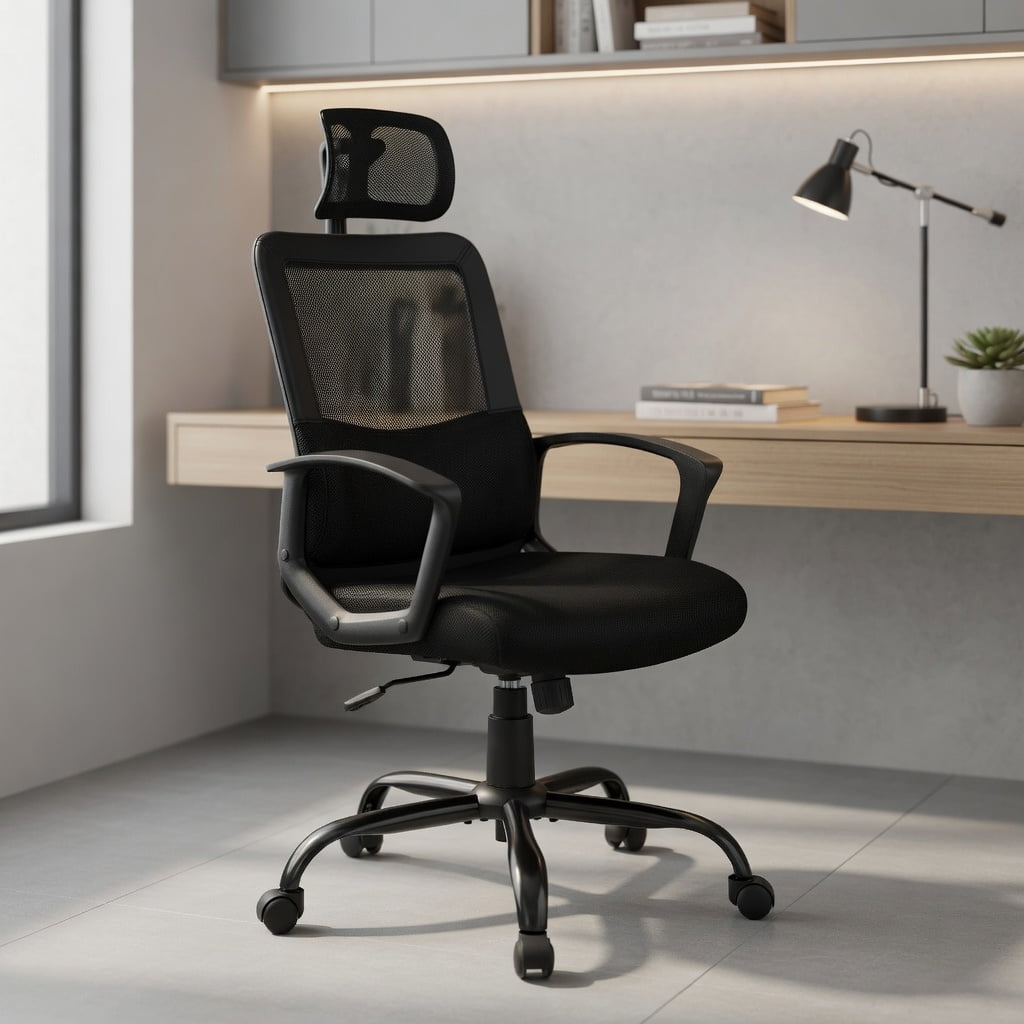
Not every chair with the word “ergonomic” on the tag is worth your time. When you walk into a store, ignore the marketing fluff. Focus on mechanical adjustability. Think of a chair like a hiking boot: it needs to adapt to your unique terrain—your spine’s curves.
- Lumbar depth adjustment: It’s not enough to have a bump in the lower back. The support should move forward and backward. This single feature reduces spinal disc pressure by up to 30% (source: Spine Health Institute).
- Seat depth slider: A seat that’s too long cuts off circulation; too short and you lose thigh support. A proper ergonomic chair lets you slide the pan.
- Backrest height & width: Your thoracic spine needs coverage. Look for chairs with a backrest that can be raised independently of the seat.
- Armrests with 4D adjustability: Up/down, left/right, forward/back, and pivot. Static armrests are a dealbreaker.
2. Store Mapping: Where to Find Ergonomic Gems Nearby
Not all stores are created equal. Here’s a breakdown of what you’ll discover when you search for an “ergonomic office chair nearby”:
| 🪑 Specialty Ergonomics Showrooms (e.g., Relax The Back, local office design centers) – They carry Herman Miller, Steelcase, Humanscale. You’ll pay near MSRP, but you get expert fitting. Best for those with chronic pain. |
| 🏬 Large Office Supply Chains (Staples, Office Depot, OfficeMax) – Brands like WorkPro, Serta, and some mid-range ergonomic lines. Perfect for testing $200–$600 chairs. Look for “house brands” that mimic high-end features. |
| ♻️ Refurbished & Second-hand Dealers – Often found via local classifieds or “used office furniture” stores. You can score a $1,200 chair for $400. Check gas cylinder stability and fabric wear. |
| 🛋️ Big-Box Retailers (Costco, Sam’s Club, BJ’s) – Limited models, but generous return policies. If you have a membership, you can test a chair at home for 90 days. |
3. The “15-Minute In-Store Test” Protocol
When you find a candidate, don't just bounce on it. Follow this numbered checklist:
☑️ Step 1: The Height & Thigh Test
Sit with feet flat. You should have 2-3 fingers width between the back of your knee and the seat pan. If it’s tight, ask for a model with seat depth adjustment.
☑️ Step 2: Lumbar Locator
Arch your back, then relax. The lumbar support should fill the small of your back without pushing you forward. Adjust depth until you feel even pressure.
☑️ Step 3: Armrest Mimicry
Raise your arms to typing position. Your elbows should rest at 90 degrees. Armrests should be soft but supportive—like a firm handshake.
☑️ Step 4: The Lean-Back Motion
Recline fully. The tension knob should let you control the push-back. A synchronized mechanism (seat and back move together) is gold for long hours.
4. Ask the Salesperson These 3 Questions
Don’t be shy. The person on the floor can make or break your purchase.
- “What is the return policy if I take it home and it doesn’t work after three days?” Some stores charge restocking fees.
- “Do you have this model with a different back height?” (For taller/shorter users).
- “Is there a floor model discount?” Often, floor models are 15-30% off.
A local store’s expertise is like a compass—it guides you to the right trail. Use it.
Why Nearby Beats Online: A Quick Reality Check
Let’s talk numbers. The average online return rate for office chairs is 28%, mostly due to “fit issues.” When you buy nearby, you join the 72% who keep their chair because they already knew what it felt like. A chair is a 15-year investment in your daily energy. Rushing it for a discount code is like buying a parachute based on Amazon reviews—possible, but risky.
Frequently Asked Questions: Local Ergonomic Hunting
Conclusion: Your Spine Will Thank You for Going Local
Searching for an ergonomic office chair nearby isn’t just a transaction—it’s an investment in your daily comfort. By walking into a store, you’re taking control of variables that algorithms can’t measure: pressure points, personal preference for cushion firmness, and the subtle feel of a recline mechanism. We’ve given you the map, the questions, and the testing rituals. Now go sit in a dozen chairs. The right one will feel like it was made for you. And when you find it, you’ll wonder why you ever bought furniture any other way.