
Why Consider a Kneeling Ergonomic Office Chair?
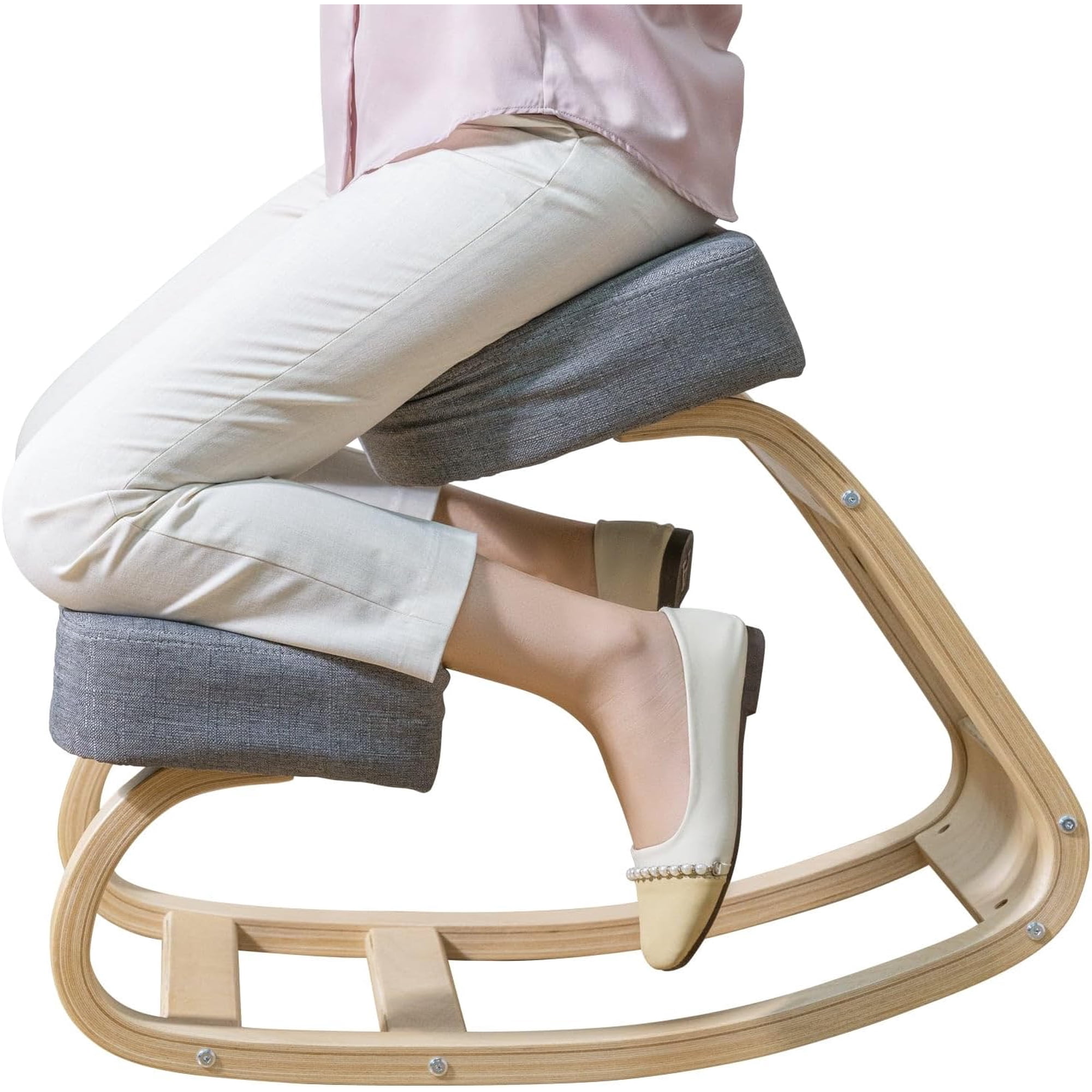
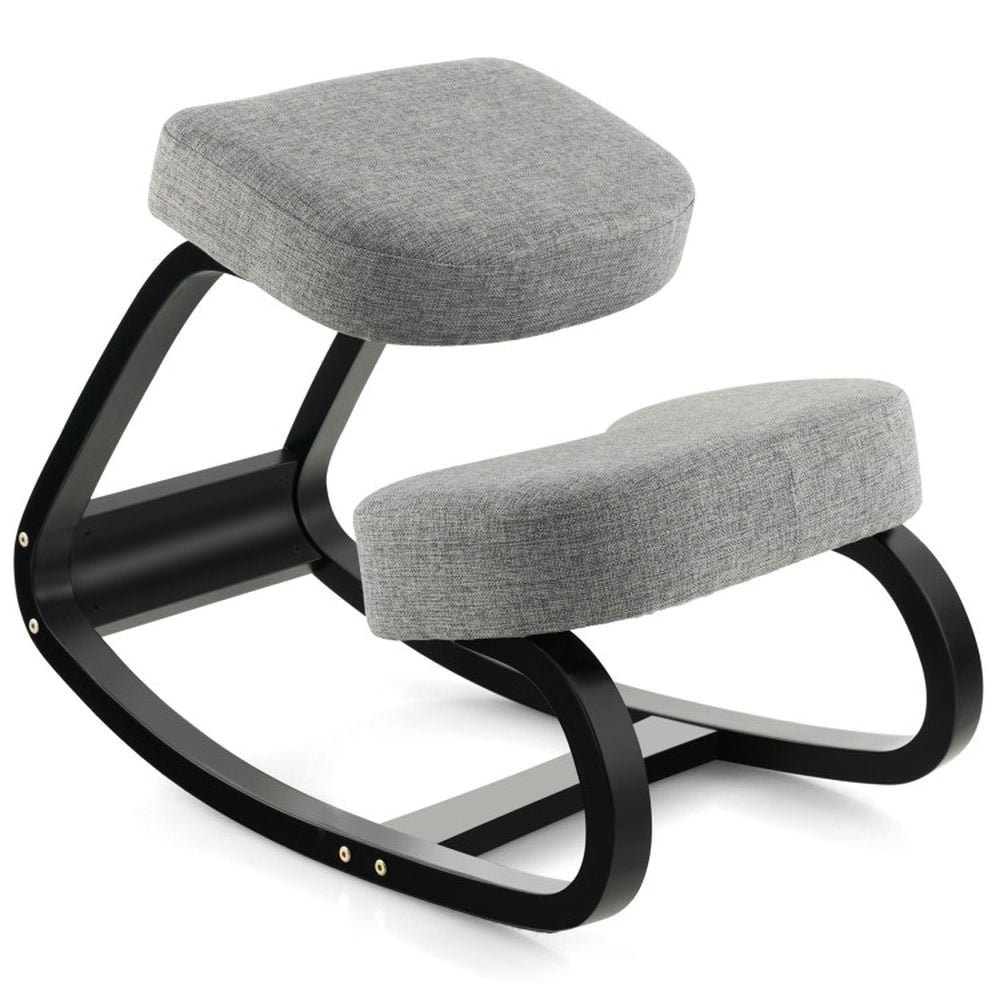
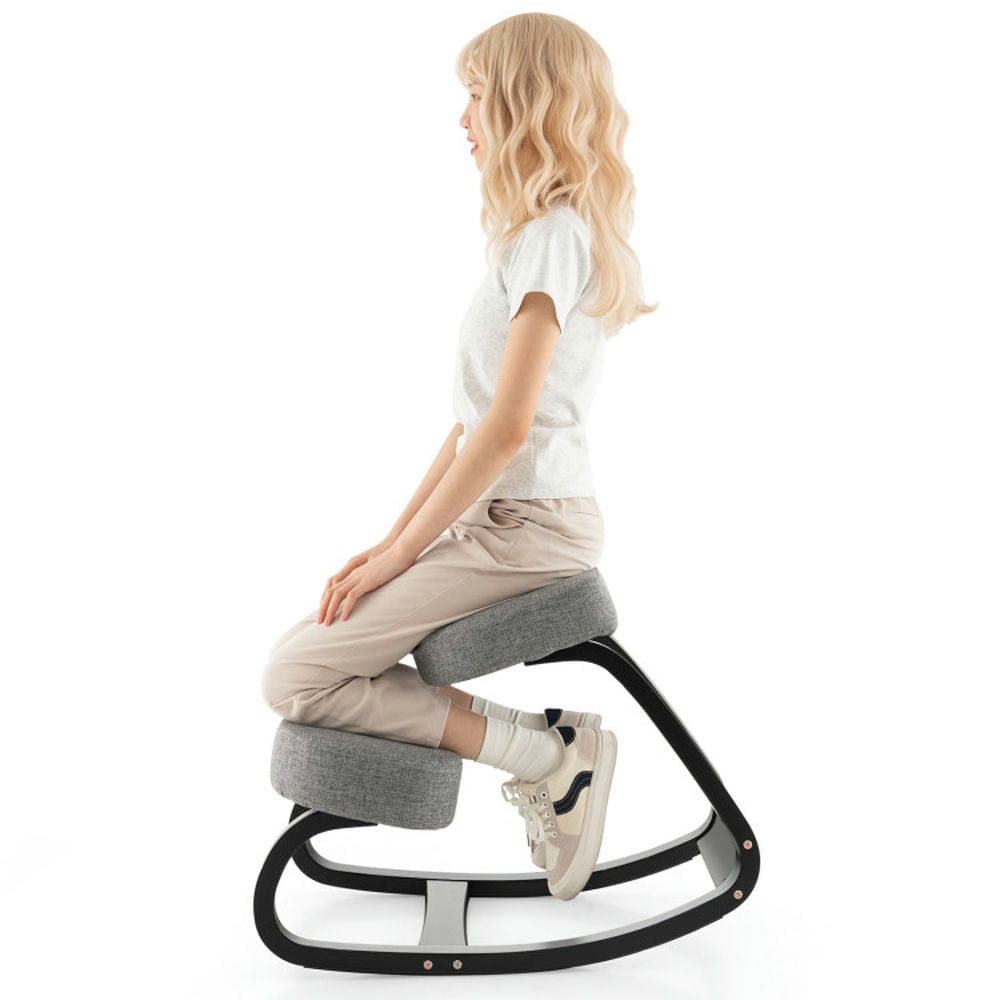
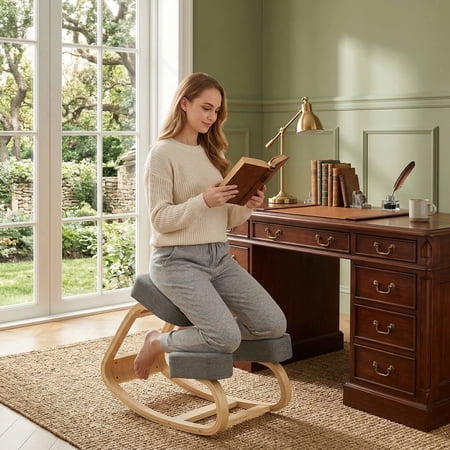
If you've spent years in a traditional office chair and still struggle with lower back stiffness or slouching, a kneeling ergonomic office chair might be the game-changer you need. Unlike conventional seats that encourage a 90-degree hip angle and often lead to a "C"-shaped spine, kneeling chairs shift your posture forward. Your shins rest on a padded cushion while your buttocks are supported, creating an open hip angle (around 135 degrees). This position mimics a balanced, athletic stance—even while sitting.
Ergonomic Insight: Research published in the journal Spine indicates that sitting with a 135-degree hip angle places significantly less stress on spinal discs and muscles than hunching forward. Kneeling chairs inherently encourage this posture, potentially reducing disc pressure by up to 35%.
Key Differences: Kneeling Chair vs. Standard Office Chair
- Spinal alignment: Kneeling chairs promote a neutral pelvic tilt; standard chairs often lead to posterior pelvic tilt (slouching).
- Muscle engagement: You engage core and back muscles continuously to stay upright—like a subtle workout while you work.
- Breathing & circulation: Open hip angle allows diaphragm to expand fully, improving oxygen flow; no compression behind the knees.
- Active sitting: Small adjustments are natural; you're not locked into one static position.
Who Benefits Most from a Kneeling Chair?
While not for everyone, specific profiles see remarkable improvements:
| User Profile | Why It Helps | Consideration |
|---|---|---|
| Lower back pain sufferers | Reduces spinal compression, encourages natural curve | Ensure proper pad positioning for shin comfort |
| Professionals sitting 6+ hours | Breaks static posture, micro-movements keep muscles active | Start with 1-2 hours to adapt |
| People with tight hip flexors | Open hip angle gently stretches hip muscles | May feel intense at first; ease in |
| Designers/creative thinkers | Subtle rocking motion can aid focus and flow | Combine with standing desk for variety |
The Biomechanics of Kneeling Chairs: It's Not Just "Kneeling"
Despite the name, your weight is distributed between your shins and your buttocks—you're not truly kneeling. The shin pad bears about 20-30% of your weight, taking load off the spine. This shifts your center of gravity forward, so your back muscles naturally contract to keep you upright, strengthening the very muscles that prevent slouching.
Analogy: Think of a kneeling chair like a rocking boat—it's stable, but small shifts keep you balancing. That micro-movement pumps nutrients into spinal discs and prevents the "couch potato" stagnation of deep foam seats.
How to Transition Smoothly (Don't Toss Your Old Chair Yet!)
- Start short: Use the kneeling chair for 30-60 minutes, then switch back. Gradually increase kneeling time over 1-2 weeks.
- Adjust the tilt: Many models let you change the kneeling pad angle. Start with a gentler slope.
- Wear supportive shoes: Being barefoot or in thin soles can cause discomfort; padded shoes help.
- Listen to your shins: Slight tenderness is normal initially, but sharp pain means too much pressure—adjust or take a break.
- Use a footrest fidget: Some people like a small bar or footrest to shift weight occasionally.
Materials & Build: What to Look For
Frame & Stability
- Steel frame: Maximum durability, higher weight capacity (300+ lbs).
- Wood frame: Aesthetic, lighter, but check weight limits.
- Non-slip floor glides: Essential for hardwood; some have casters.
Padding & Upholstery
- High-density foam: Retains shape, supports weight.
- Memory foam topper: Comfort for longer sits.
- Breathable fabric/mesh: Reduces sweat on shins and seat.
- Easy-clean surfaces: Vinyl or treated fabric for spills.
Kneeling Chair Myths vs. Facts
- Myth: "You're actually kneeling, which hurts your knees." Fact: Your knees are bent but not bearing full weight; shins take the load.
- Myth: "It will fix your posture overnight." Fact: It retrains muscles over weeks; consistency is key.
- Myth: "Only young, fit people can use them." Fact: Many seniors and people with back issues use them successfully—with proper adjustment.
Frequently Asked Questions About Kneeling Ergonomic Office Chairs
Conclusion: Is a Kneeling Chair Right for Your Workspace?
A kneeling ergonomic office chair is not a gimmick—it's a well-designed tool to combat the negative effects of prolonged static sitting. By promoting an open hip angle, engaging core muscles, and reducing spinal load, it addresses the root causes of many sitting-related discomforts. However, it's not a one-size-fits-all solution. It works best for those willing to adapt gradually and combine it with movement (like standing desk breaks).
Ultimately, the best chair is one that fits your body and work style. If you're curious, many retailers offer return periods—test one for a few weeks and feel the difference.