
Why Your Neck Pain Might Be Linked to Your Office Chair
If you're reading this, chances are you've experienced that familiar, dull ache at the base of your skull or the sharp twinge when turning your head after a long day at the desk. You're not alone. According to the World Health Organization, neck pain is one of the most common musculoskeletal disorders, affecting an estimated 1 in 3 office workers. The culprit? Often, it's not just the work itself, but the posture we're forced into by a poorly designed chair.
Think of your spine as a tower of blocks. When you sit in a standard, non-ergonomic chair, you might be pulling the top block (your head) forward, creating a "forward head posture." For every inch your head moves forward, the weight your neck muscles have to support effectively doubles. A 12-pound head can feel like 40 pounds of force on your cervical spine. An ergonomic office chair for neck pain is engineered to reverse this. It provides the structural support to keep that tower aligned, allowing your muscles to relax.
Decoding Neck Pain: How the Right Chair Acts as Your First Line of Defense
Choosing a chair for neck relief isn't just about picking one with a "headrest." It's about understanding a system of interconnected support. Here’s a deep dive into the anatomy of a chair that truly fights neck pain.
1. The Headrest: Not Just a Pad, But a Precision Tool
The most obvious feature, yet often misunderstood. A simple fixed headrest is useless—it might push your head forward unnaturally. You need an adjustable headrest. The gold standard is a 2D or 3D headrest. This means it adjusts in height (to align with your cervical curve) and angle (to support you whether you're sitting upright or reclined). Some premium models even offer forward/backward adjustment. When you recline slightly—a healthy posture that opens up your hip angle—a good headrest cradles your neck, preventing your head from flopping back and straining the front neck muscles.
2. The Synchronized Recline: Following Your Body's Rhythm
Static sitting is the enemy of a healthy spine. An ergonomic chair with a synchronized recline mechanism allows the backrest and seat to move in a healthy ratio (often 2:1 or 3:1). As you lean back, the seat tilts slightly forward, keeping your feet planted and preventing you from sliding. Why does this matter for your neck? Because movement pumps nutrients into spinal discs and prevents stiffness. A chair that moves with you encourages micro-movements throughout the day, preventing the rigidity that leads to neck and shoulder tension.
🔬 The Science of Movement: A study in the journal "Ergonomics" found that workers using chairs with dynamic, synchronized movement reported 53% less upper back and neck discomfort compared to those in static task chairs over a 6-month period.
3. Lumbar Support: The Foundation of the Tower
This might seem unrelated to neck pain, but it's critical. Your spine is a chain; if the bottom (lumbar curve) collapses, the top (cervical curve) overcompensates. A chair with strong, adjustable lumbar support maintains the natural inward curve of your lower back. This alignment allows your shoulders to roll back naturally, positioning your head directly over your shoulders instead of jutting forward. Look for lumbar support that adjusts both in height and depth (how much it pushes into your back).
4. Armrests: The Shoulder Connection
Have you ever noticed your shoulders creeping up towards your ears by the end of the day? That's tension, and it's a direct highway to neck pain. 4D adjustable armrests (height, width, depth, and pivot) are a game-changer. They allow you to rest your forearms comfortably while keeping your shoulders relaxed and down. When your arms are supported, the massive trapezius muscles—which connect your shoulders to your neck—can finally let go.
Key Ergonomic Adjustments That Directly Impact Neck Pain
- Seat Depth Adjustment: Ensures you can sit with your back against the lumbar support while leaving 2-3 finger widths between the back of your knee and the seat. This promotes a stable, supported posture.
- Tilt Tension Control: Allows you to adjust how easily the chair reclines. A properly set tension lets you lean back without fighting the chair, encouraging healthy posture changes.
- Material Breathability: While not a direct support feature, a breathable mesh or high-quality fabric prevents sweating and discomfort, reducing the urge to fidget and adopt awkward, neck-straining positions.
- Sturdy Base and Casters: A stable 5-point base and smooth-rolling casters (suitable for your floor type) prevent jerky movements that can jolt your neck and spine.
5. The Myth of "One Size Fits All"
Just as you wouldn't buy a suit off the rack without alterations, you shouldn't buy an ergonomic chair without considering your body dimensions. A chair designed for a 6'4" person will have a different headrest height and backrest curvature than one for a 5'2" person. When evaluating chairs for neck pain, pay close attention to the size range. Many premium brands offer multiple frame sizes (e.g., A, B, C) to accommodate different body types, ensuring the headrest and lumbar support land exactly where you need them.
| Feature | Why It Matters for Neck Pain | What to Look For |
|---|---|---|
| Headrest | Directly supports cervical spine, prevents forward head posture. | 2D or 3D adjustability (height & angle). |
| Backrest Height | A high back provides a consistent support surface up to the head. | High-back design with integrated headrest. |
| Recline Mechanism | Synchronous recline keeps head and neck aligned during movement. | Synchronous or multi-position lock with tension control. |
| Armrests | Relaxes shoulders, preventing tension transfer to neck. | 4D adjustable (height, width, depth, pivot). |
| Lumbar Support | Aligns lower spine, enabling natural upper body posture. | Height & depth adjustable, firm but comfortable. |
Frequently Asked Questions About Chairs for Neck Pain
Your Path to a Pain-Free Workday Starts Here
Finding the right ergonomic office chair for neck pain is a personal journey, but the principles are universal: look for adjustable, integrated support that works as a system. Don't be swayed by looks alone. Prioritize function—the headrest, the recline, the lumbar support, and the armrests. Test chairs if possible, and pay attention to how your shoulders and neck feel after just 15 minutes of sitting.
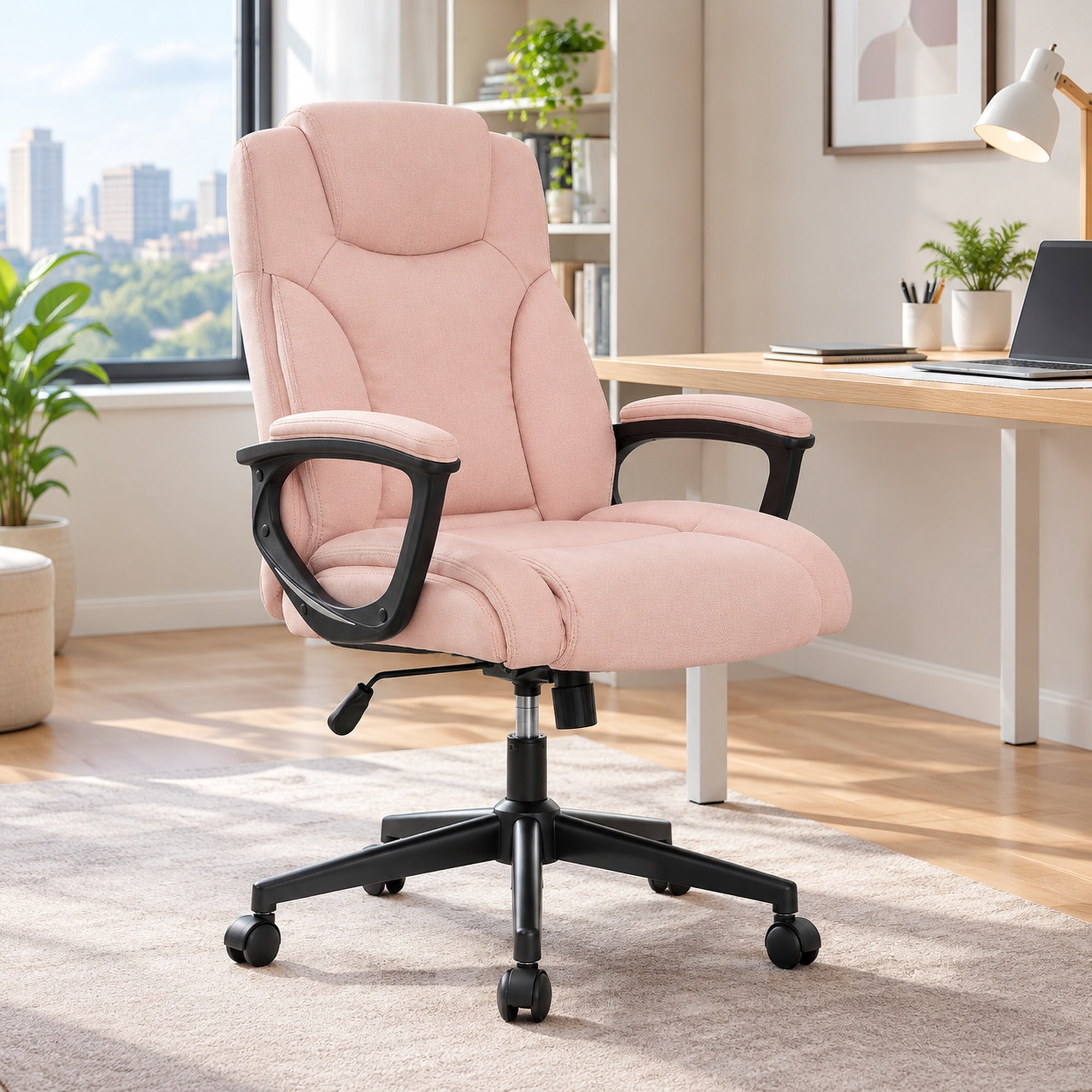
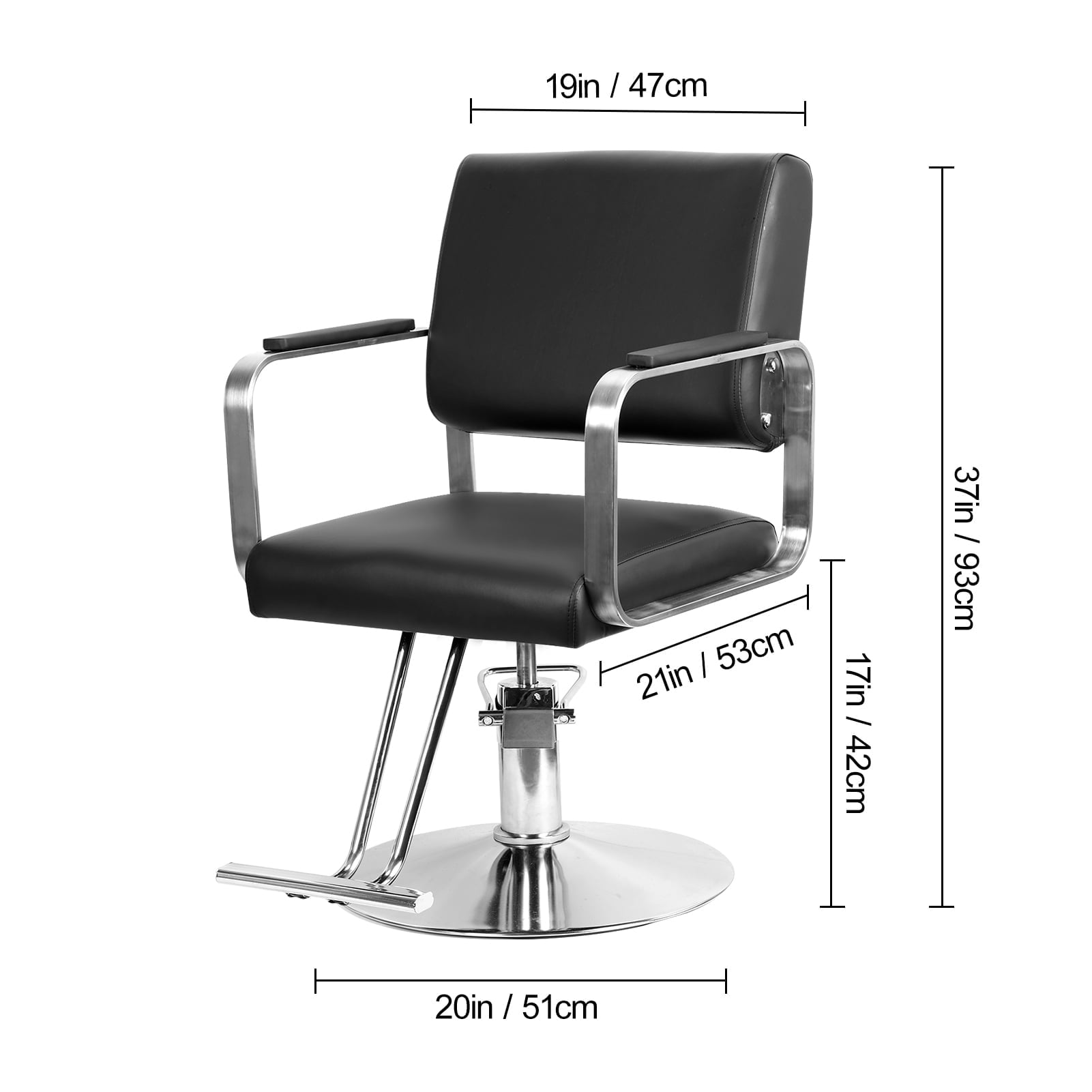
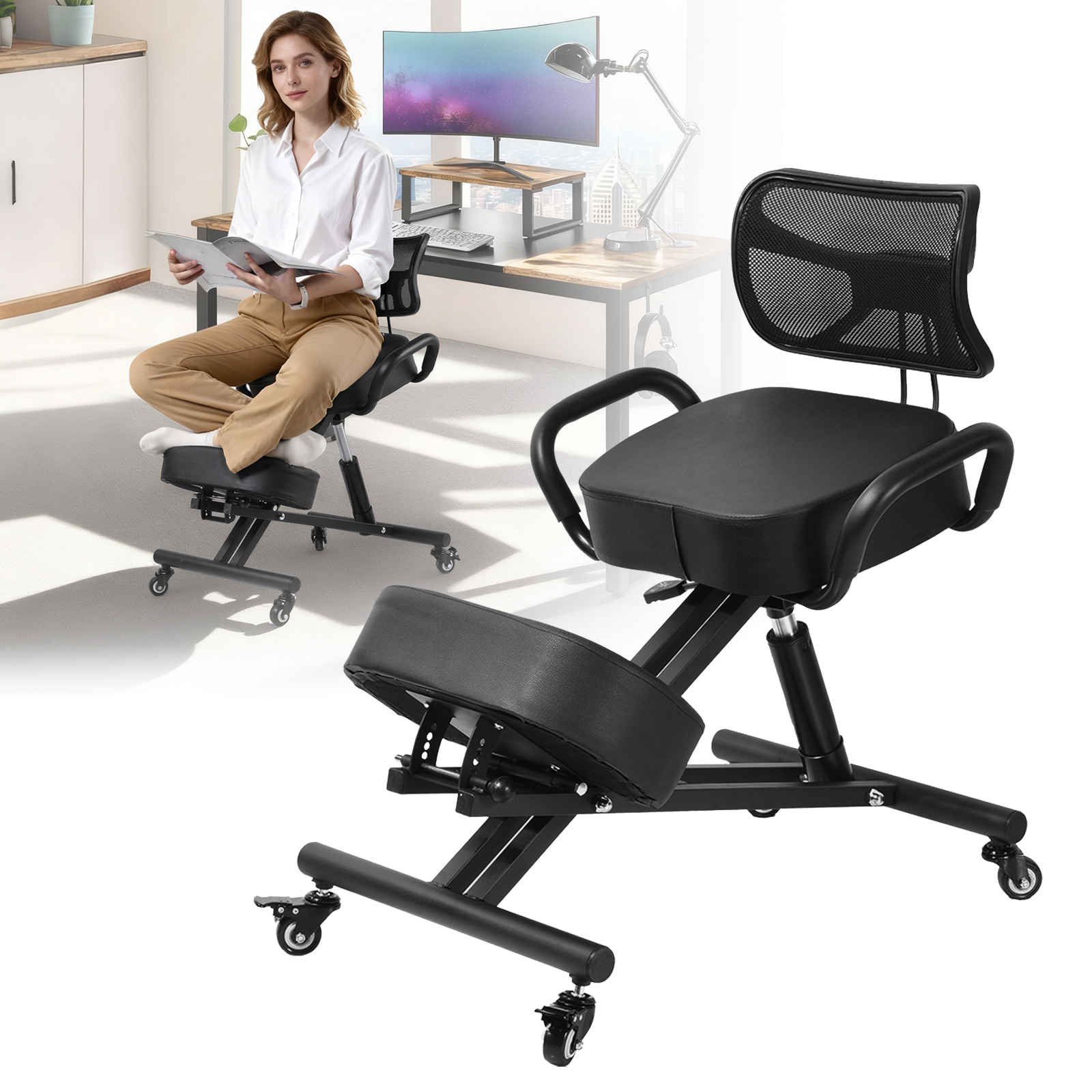
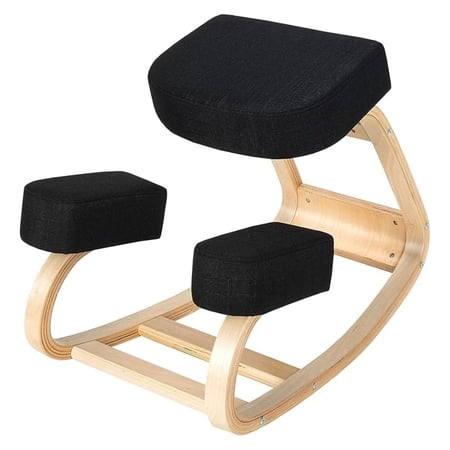
Investing in a high-quality chair is investing in your daily well-being, your focus, and your long-term physical health. The products shown above are a great starting point—each selected for their ability to provide the targeted support needed to combat neck pain. Pair your new chair with simple habits like hourly stretches and monitor adjustments, and you'll be well on your way to more comfortable, productive days.