
Why a Head Rest for Your Office Chair is a Game Changer
Imagine your neck as a suspension bridge: without proper support at both ends, the cables (your muscles) constantly strain to hold everything up. That's what happens when you work 8+ hours without a head rest for office chair. According to a 2023 ergonomics survey, over 65% of office workers experience neck pain, often linked to unsupported head position. A quality headrest isn't a luxury—it's a critical component of a healthy workstation, allowing your cervical spine to relax and reducing the load on your trapezius muscles. Whether you're leaning back to think, taking a call, or focusing on a screen, a well-placed head rest keeps your head aligned with your torso, preventing forward head posture (the infamous "tech neck").
Ergonomic Fact: The human head weighs about 10-12 lbs. For every inch your head moves forward, the effective weight on your spine doubles. A proper head rest can help maintain a neutral posture, reducing strain by up to 40% during sedentary work.
Decoding the Perfect Head Rest: Types, Materials & Fit
Choosing a head rest involves more than picking a soft pillow. We break down the essential categories and features so you can match the right support to your work style.
1. Head Rest Architectures: Integrated vs. Universal vs. Strap-on
- Integrated headrests: Built into the chair back (common in high-back executive or gaming chairs). They offer the most stable support and often align with the chair's recline mechanism. Best for those buying a new chair.
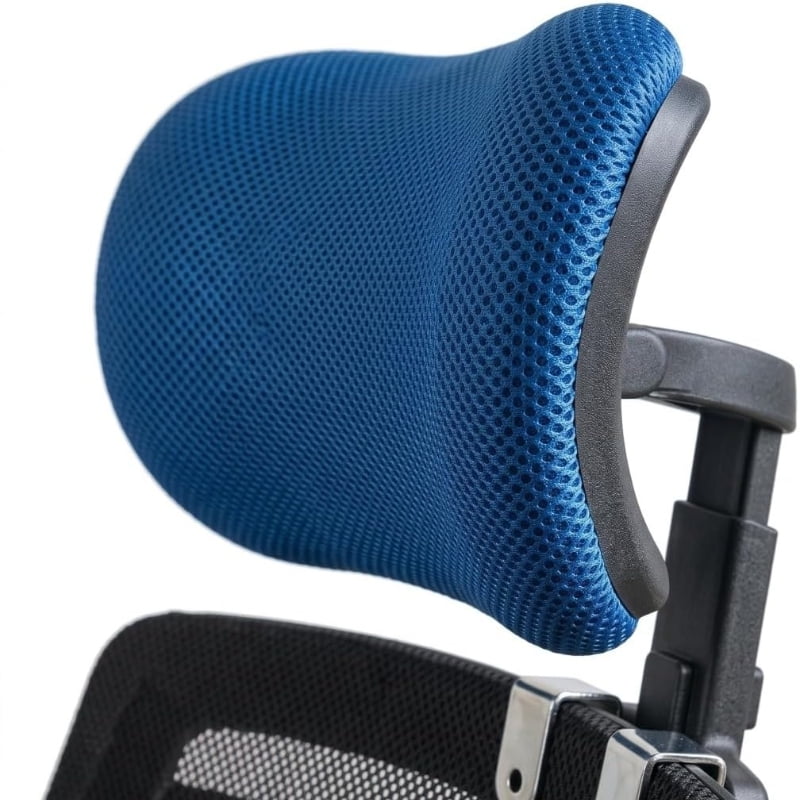
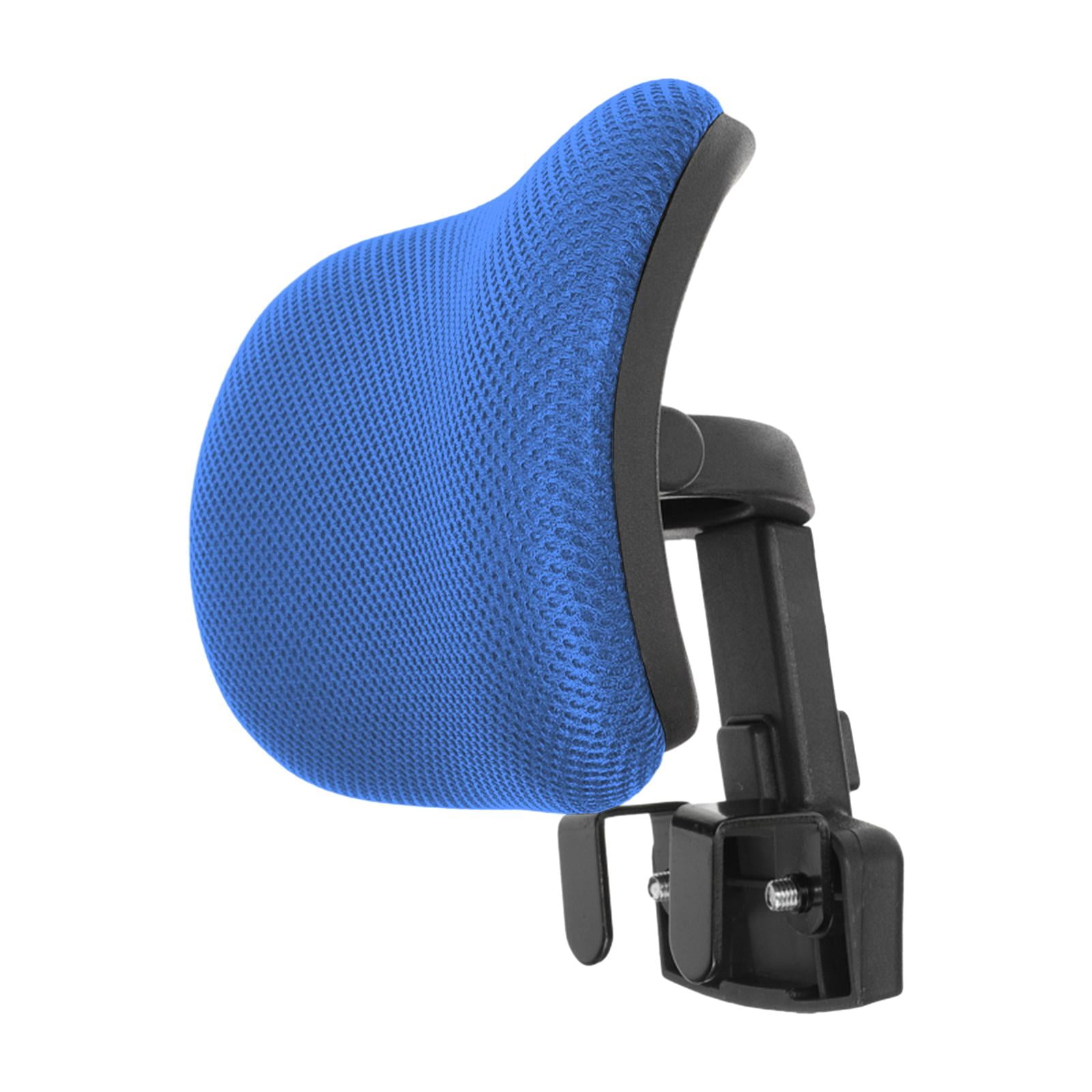
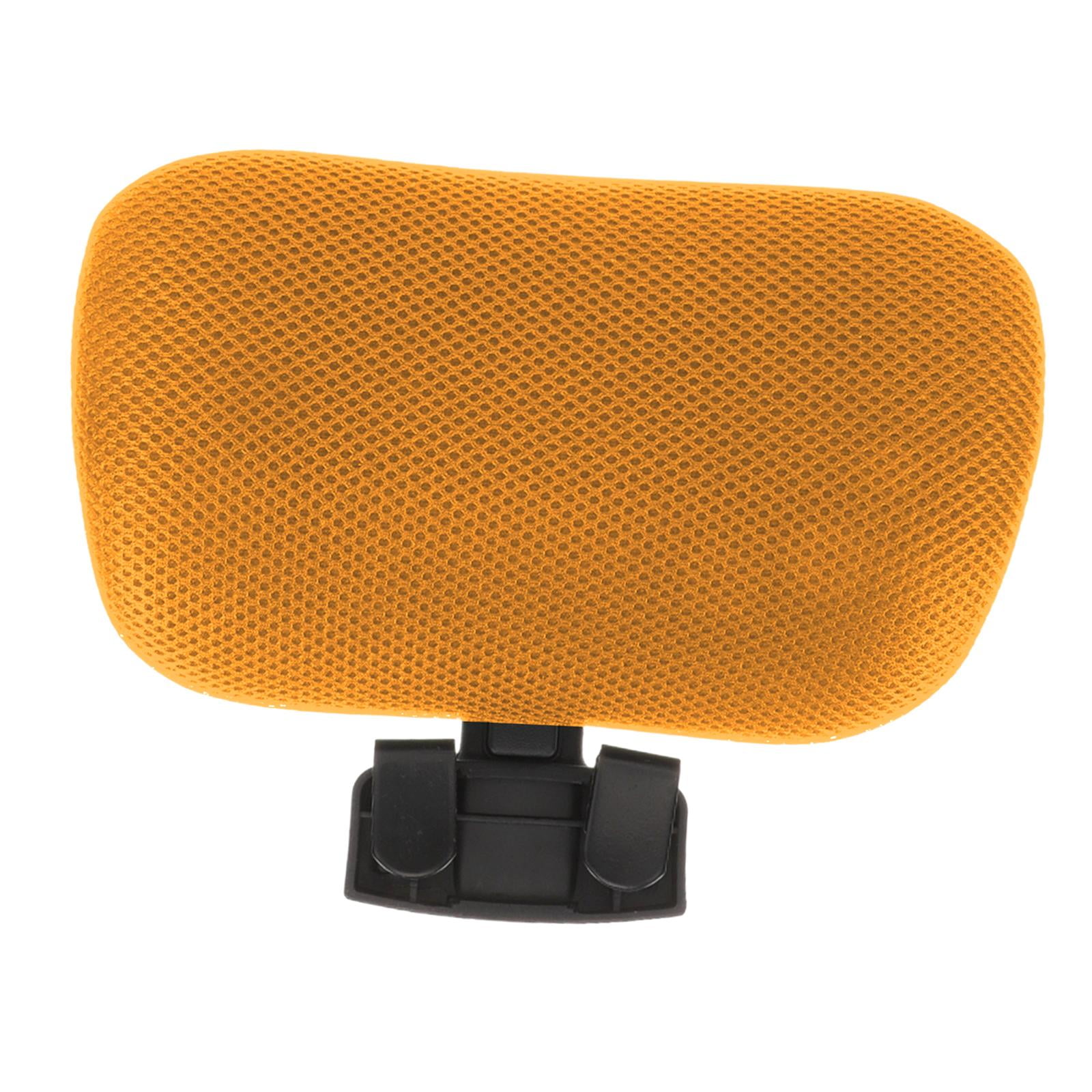
- Universal clamp-on headrests: Attach to almost any chair back via adjustable brackets. They provide flexibility and are ideal if you love your current chair but need neck support. Best for retrofitting existing chairs.
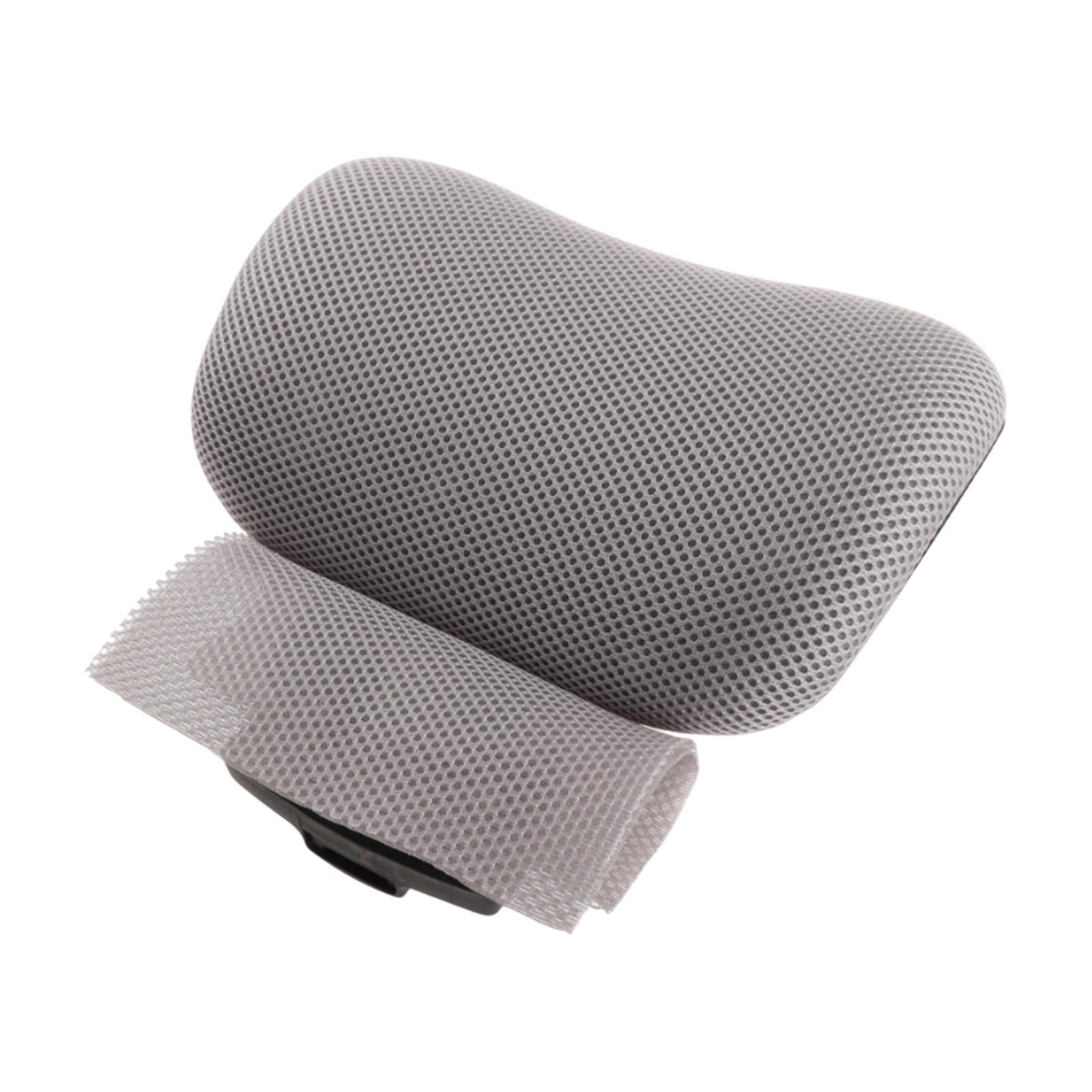
- Strap-on / pillow headrests: Use elastic straps to secure a cushion to the chair. They are portable and cheap, but tend to slip and offer limited adjustability. Best for temporary use or travel.
2. Adjustment Mechanisms: The 3D/4D Advantage
Static headrests are often useless. You need adjustability to match your unique anatomy. Look for these degrees of freedom:
- Height adjustment: Allows the headrest to align with the curve of your neck (usually the C1-C3 vertebrae). A must-have for shared chairs.
- Angle (tilt) adjustment: Lets you tilt the headrest forward to support a neutral neck or backward when you recline. Crucial for maintaining the natural lordotic curve.
- Depth (forward/back) adjustment: Moves the headrest closer or further from your neck. Prevents the head from being pushed forward (a common complaint with poorly designed rests).
- Lateral/rotation adjustment (4D): Some premium models allow the headrest wings to pivot, cradling the head. Great for people who move side-to-side.
💡 Pro Tip: The 2-Finger Test
When seated with your back against the chair and head resting lightly, you should be able to slide two fingers between your neck and the headrest. If it's pressing your head forward, adjust the depth or angle immediately. Proper fit means the support touches the back of your head (occiput) and upper neck, not the middle of your skull.
3. Material Matters: Breathability and Comfort
The material impacts both feel and hygiene, especially since the head and neck area tends to get warm.
- Mesh: Highly breathable, prevents sweat, easy to clean. Often found in ergonomic task chairs. May feel firm initially but offers good support.
- Fabric (woven/velvet): Soft and cozy, but can trap heat and absorb oils. Look for removable/washable covers.
- Leather / PU leather: Professional look, easy wipe-clean, but can be sticky in hot weather. Usually paired with memory foam for plushness.
- Memory foam: Conforms to your shape, excellent pressure distribution. Often combined with cooling gel layers to counteract heat.
4. Anatomical Considerations: Height, Neck Length & Posture
Not all headrests fit all body types. A headrest that works for a 5'2" person may hit a 6'2" person at the wrong spot.
- For taller individuals (6'+): Seek headrests with extra-tall adjustment range (at least 5 inches of vertical movement). Some brands offer "tall" versions.
- For shorter individuals (under 5'4"): Headrests that mount lower on the chair back are essential. Universal clamp-ons often allow you to set the height precisely.
- Neck length (cervical spine): People with longer necks benefit from deeper pads that support the entire curve. Those with shorter necks might prefer a thinner profile.
5. Recline Synchronization: Keeping Support When You Lean Back
A common flaw is headrests that move away from your head when you recline. Premium chairs and some universal models feature a tilting headrest that follows your head's movement. For example, if your chair has a synchro-tilt mechanism, ensure the headrest angle can be adjusted independently so you're not looking at the ceiling when leaned back.
According to a study published in the International Journal of Industrial Ergonomics, workers using an adjustable headrest reported a 33% reduction in neck discomfort after 4 weeks, and their typing accuracy improved by 12% due to reduced micro-adjustments.
6. Installation and Compatibility (for Universal Headrests)
Thinking of adding a headrest to an existing chair? Pay attention to:
- Back frame type: Does your chair have a solid plastic back, mesh back, or a metal frame? Clamps work best on flat or slightly curved surfaces.
- Slot design: Some chairs (like certain gaming chairs) have dedicated headrest slots – measure the slot width (usually 1.2-1.6 inches).
- Strap length: For strap-on models, ensure the straps are long enough to go around a thick padded back.
7. Health Conditions and Special Needs
- Chronic neck pain / cervical herniation: Look for headrests with pronounced cervical support (a gentle forward curve) and softer memory foam to avoid pressure points.
- Tension headaches: Often linked to suboccipital muscle tightness. A headrest that supports the base of the skull can help relax these muscles.
- Post-surgery recovery: Consult your physiotherapist, but generally, a highly adjustable headrest that locks firmly is essential to prevent sudden neck movements.
Quick Reference: Head Rest Features Matrix
| Feature | Why It Matters | What to Look For |
|---|---|---|
| Height range | Matches your spine length | Min 4" adjustment |
| Tilt mechanism | Follows recline, supports neutral neck | 15° forward / 30° backward |
| Depth adjustment | Prevents forward head push | 1-2" fore-aft movement |
| Material breathability | Comfort during long hours | Mesh or cooling gel memory foam |
| Attachment type | Compatibility with your chair | Clamp (universal) or slot-fix |
The Synergy: Head Rest + Lumbar Support = Balanced Spine
Think of your spine as an "S" curve. A head rest supports the top curve (cervical), while lumbar support maintains the bottom curve (lumbar). When both are properly adjusted, your entire spine is in a neutral, J-shaped posture—the gold standard for seated ergonomics. Some chairs now offer integrated head and lumbar support that move together as you recline, maintaining this S-curve. If your chair lacks this, consider adding both accessories for complete relief.
Remember, a head rest is not for resting while you work—it's for supporting while you work. Even micro-breaks where you lean back for 20 seconds allow your neck muscles to relax, resetting tension. This concept, called "dynamic sitting," is why adjustable headrests are vital.
Frequently Asked Questions About Head Rests for Office Chairs
Final Verdict: Invest in Your Neck Health Today
Adding a head rest for office chair is one of the most cost-effective ergonomic upgrades you can make. Whether you choose an integrated model with 4D adjustability or a universal clamp-on for your existing chair, the benefits—reduced neck pain, better posture, and enhanced focus—are immediate. Don't let a neglected neck hold you back. Use our guide to assess your needs, check the product grid for top-rated options, and take the first step toward a pain-free workday.
Action step: Measure your current chair's back height, note your typical sitting posture (upright vs. reclined), and select a headrest with at least height and tilt adjustments. Your cervical spine will thank you.