
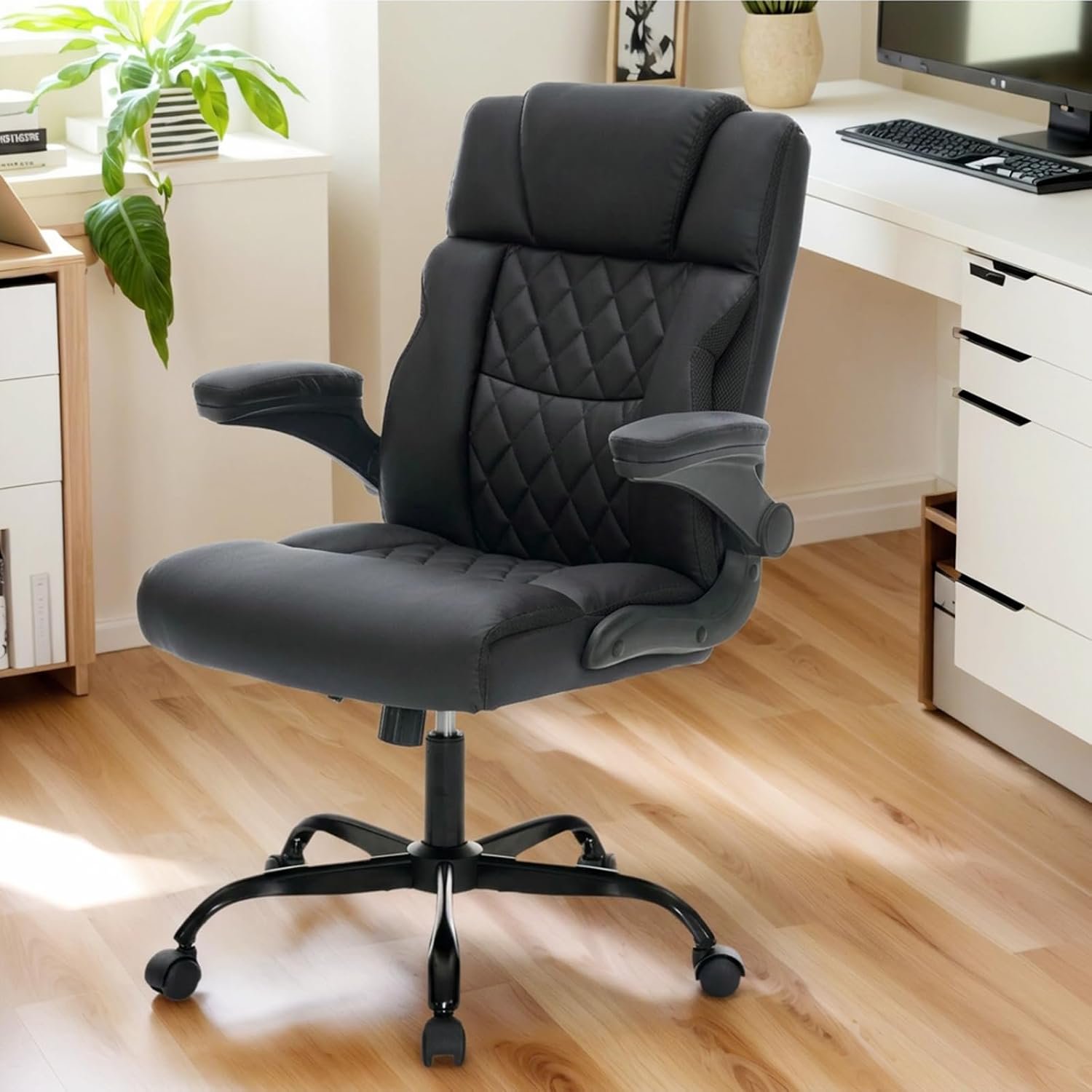
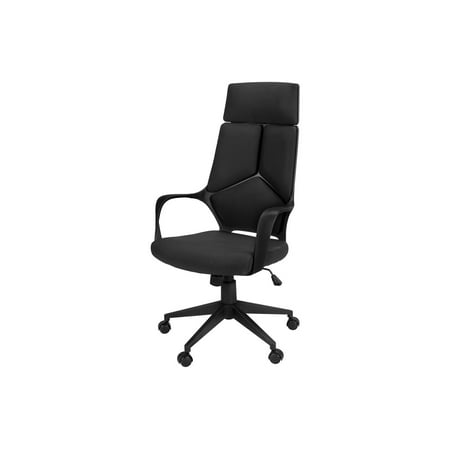
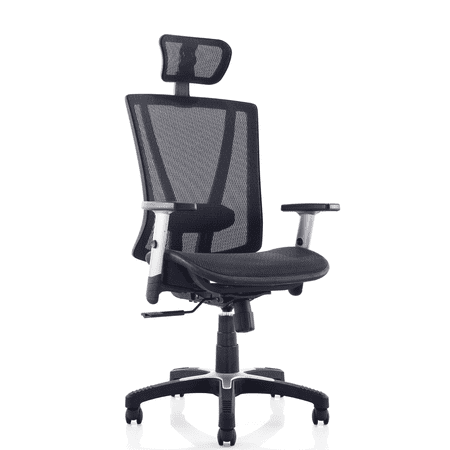
Introduction: Why an Ergonomic Black Office Chair Belongs in Your Workspace
Imagine a chair that disappears under you—so comfortable that your focus shifts entirely to your work, not your aching back. That's the promise of a well-designed ergonomic black office chair. Black is more than a color; it's a professional anchor that fits modern, industrial, or traditional decors. But the real value lies in the engineering: lumbar systems that mimic the spine's natural curve, seat depth that supports thighs without pressure, and armrests that move with you.
According to the Occupational Safety and Health Administration (OSHA), poor seating contributes to 34% of workplace musculoskeletal disorders. A quality ergonomic chair isn't an expense—it's an investment in your long-term health. In this guide, we'll dissect every component so you can choose the perfect black ergonomic chair for your body and budget.
Did you know? A 2022 study in the Journal of Ergonomics found that workers using ergonomic chairs with adjustable lumbar reported 41% less lower back pain after 8 weeks compared to those using standard task chairs.
Anatomy of a True Ergonomic Black Office Chair
Not every black office chair deserves the "ergonomic" label. We break down the essential mechanisms that separate a healthy seat from a back-pain trigger.
1. Lumbar Support: The Spine's Best Friend
Static lumbar pads are a gimmick. Real ergonomic chairs feature independent height and depth adjustment for the lumbar support. Your lumbar curve isn't one-size-fits-all; it changes based on your height and sitting posture. Look for chairs that let you move the support up/down and in/out by at least 2 inches. Some premium black models even have inflatable air bladders for customized tension.
- Height range: Should cover 6 to 10 inches of vertical adjustability.
- Depth (protrusion): Should push forward 1-2 inches to fill the hollow of your back.
- Material: Dense foam or spring-loaded dynamic systems that move when you recline.
2. Seat Pan: The Foundation of Comfort
A waterfall front edge (curved downward) prevents cutting off circulation to your legs. But the hidden gem is seat depth adjustment. If the seat is too long, it hits your calves; too short, thighs lack support. Slide the pan forward/backward—aim for 2-3 finger widths between the back of your knee and the seat edge. Black ergonomic chairs often use high-density cold-cure foam that retains shape for years.
3. Backrest Recline & Tension
Sitting still is actually unhealthy. A good ergonomic chair encourages movement. The backrest should recline at least 15-20 degrees past upright, with adjustable tilt tension so you're not fighting the chair. The best black chairs offer synchronous mechanism: seat and backrest move in a 2:1 or 3:1 ratio, keeping your feet planted while your upper body opens up hip angles.
4. Armrests: 4D is the Magic Number
Basic fixed armrests are useless for most body types. For true ergonomics, demand 4D armrests: height, width, depth, and pivot angle adjustable. This lets you keep elbows at 90°, shoulders relaxed, and forearms parallel to the floor—whether you're typing or reading. Black chairs often hide these mechanisms under sleek urethane pads that resist wear.
5. Headrest: Not Just for Reclining
If you're 5'8" or taller, a headrest becomes critical during monitor work, not just napping. The headrest should adjust vertically and tilt to support the natural curve of your neck. Some black ergonomic chairs have a "2D" headrest that moves up/down and rotates forward/back. This keeps your head aligned over shoulders, preventing text neck.
Quick Reference: Must-Have Adjustments
| Adjustment | Why It Matters | Minimum Range |
|---|---|---|
| Seat Height | Thighs horizontal, feet flat | 16"–21" from floor |
| Lumbar Height | Matches belt line | 4" vertical travel |
| Lumbar Depth | Fills lower back curve | 1.5" protrusion |
| Armrest Height | Elbows 90° at rest | 7"–11" above seat |
| Seat Depth | Prevents thigh pressure | 2" slide |
Material Science: Black Mesh vs Black Fabric vs Black Leather
Black chairs come in three primary upholsteries, each with tradeoffs for ergonomics.
Black Mesh
- Breathability: Maximum airflow, no swamp back.
- Flexibility: Conforms to micro-movements.
- Durability: High-quality mesh (like from Korea) resists sagging 10+ years.
- Weight capacity: Often rated 250–300 lbs.
Black Leather (or PU)
- Executive look: Polished, professional.
- Cleaning: Wipeable, stain-resistant.
- Thermal: Can get sticky in summer; requires perforation or climate control.
- Padding: Usually thicker foam for a plush feel.
Black Fabric
- Softness: Warm, cozy texture.
- Color variety: Black fabric can have patterns/texture.
- Noise: Quiet, no squeaking.
- Breathability: Better than leather, less than mesh.
Health & Productivity Impact: Numbers Don't Lie
A study by Cornell University's Ergonomics Web noted that using an ergonomic chair with proper lumbar support reduces spinal disk pressure by up to 35% compared to a standard chair. Another survey by the American Chiropractic Association found that 68% of employees with adjustable chairs reported higher concentration levels.
Selecting the Right Black Ergonomic Chair for Your Body Type
One size does not fit all. Follow this step-by-step guide:
Step 1: Measure Your "Sitting Dimensions"
Measure your popliteal length (back of knee to buttocks) while seated. That's your ideal seat depth. Measure from seat to shoulder for backrest height. Write these numbers down.
Step 2: Match Weight Capacity
Add 30-50 lbs margin to your weight for safety and durability. Many black ergonomic chairs offer 275–350 lb capacities; heavy-duty versions go to 400+ lbs.
Step 3: Prioritize Adjustments Based on Pain Points
If you have lower back pain, lumbar adjustability is #1. Neck pain? Headrest is a must. Hip discomfort? Look for seat tilt and waterfall edge.
Step 4: Test Recline Synchronicity
Sit in the chair and recline. Does the seat rise slightly to keep your feet on the floor? That's a sign of quality synchronous mechanism.
Budget Tiers: What Your Money Buys
Frequently Asked Questions: Ergonomic Black Office Chairs
Conclusion & Final Verdict
Choosing an ergonomic black office chair is a personal journey—one that pays dividends in comfort, productivity, and spinal health. Focus on adjustability (lumbar, seat depth, armrests) above brand names. Black remains the most versatile, professional color, hiding daily wear while matching any office. Whether you opt for breathable mesh for summer comfort or sleek leather for an executive feel, ensure the chair fits your unique body measurements. Remember: the best chair is the one you forget you're sitting in.
Ready to upgrade? Check our product grid above for real-time prices and availability from trusted retailers. Your back will thank you.