
Why Compact Doesn’t Mean Compromised: The Rise of Space-Smart Office Seating
Working from home, downsizing to a cozy studio, or setting up a secondary workstation often demands a chair that fits physically without sacrificing ergonomics. Comfortable compact office chairs have evolved from basic “visitor chairs” into sophisticated seating solutions equipped with adjustable lumbar support, breathable mesh, and multi-dimensional armrests — all within a minimal footprint.
Ergonomic Insight: A study by the Human Factors and Ergonomics Society indicates that poorly fitting chairs in tight spaces increase muscle fatigue by 35% due to restricted movement. However, purpose-built compact ergonomic chairs reduce pressure points and allow natural posture adjustments, boosting focus and energy levels.
Anatomy of a Truly Comfortable Compact Office Chair
To choose a compact chair that offers all-day ease, pay attention to these five core elements — each specially tuned for limited spaces:
- Narrow Seat Base (17–20 inches wide): Allows easy navigation through doorways and under small desks while still providing ample hip support.
- Height-Adjustable Lumbar: A slim yet active lumbar mechanism that adapts to your spine's curve, preventing slouching even when space is tight.
- Flip-Up or Tuck-Away Armrests: Enables the chair to be pushed completely under the desk, reclaiming floor space when not in use.
- Compact 5-Star Base: Smaller diameter base (≈23 inches) that still offers stability and smooth-rolling casters for hardwood or carpet.
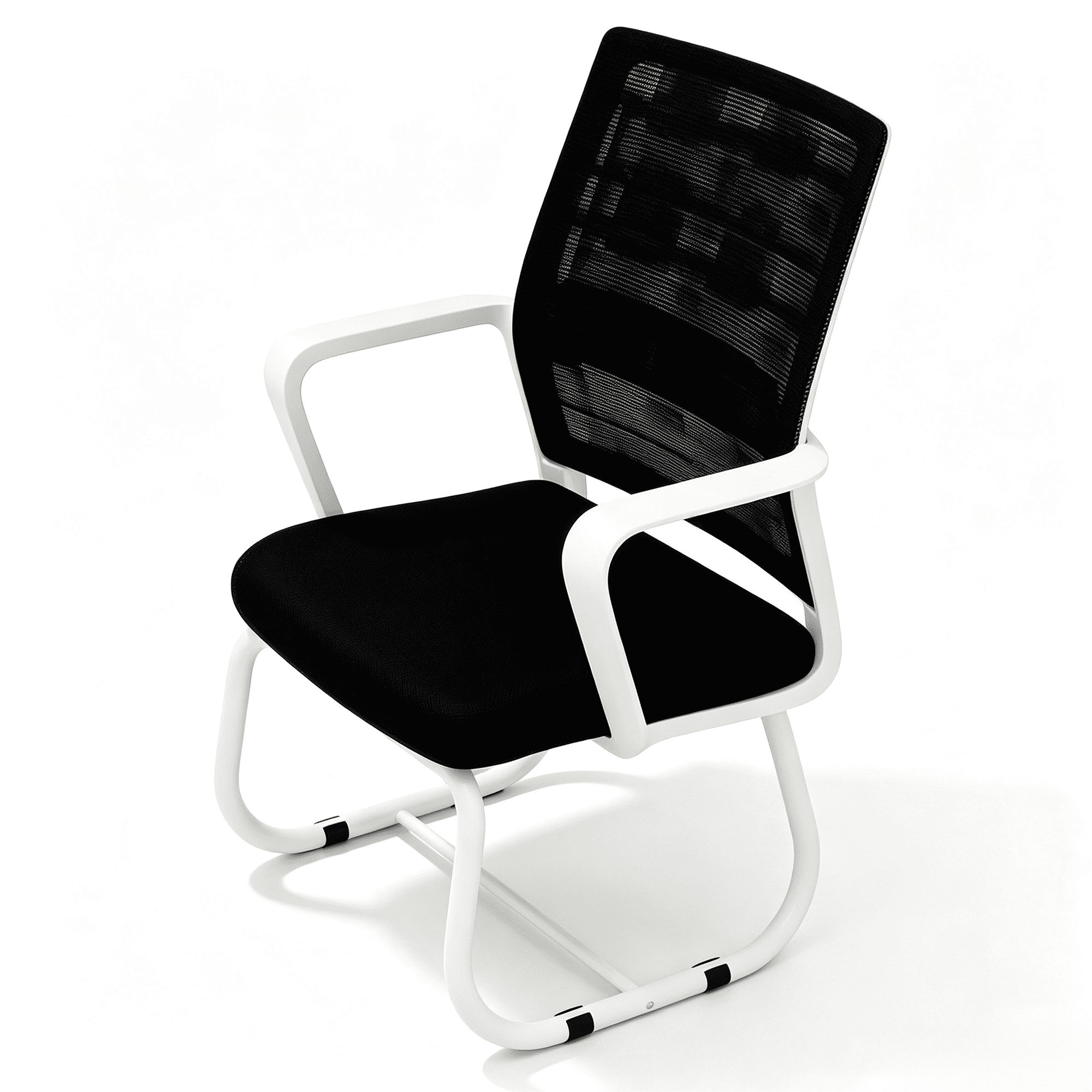
- Breathable Back Material: Mesh or ventilated fabric ensures air circulation in compact home offices that may have limited airflow.
Ergonomic Features That Shine in a Small Footprint
Don't let the word "compact" fool you — today’s designs integrate high-end ergonomics typically reserved for full-size executive chairs. Below is a quick breakdown of features to prioritize:
| Feature | Why It Matters for Compact Spaces | What to Look For |
|---|---|---|
| Seat Depth Adjustment | Prevents thigh pressure in shorter seats (compact chairs often have shallower depth). | Slide mechanism with at least 2-inch range; ideal for users 5’2” to 6’0”. |
| Multi-Configuration Armrests | Arms that move up/down and pivot allow you to narrow the profile when needed. | 3D or 4D armrests; especially flip-back design. |
| Contoured Backrest | Supports natural S-curve of spine even with narrower back frame. | Independent lumbar tension knob or built-in adjustable pad. |
| Blade Casters (Soft Roll) | Smooth movement in cramped corners without scratching floors. | Dual-wheel polyurethane casters rated for hard floors and low-pile carpet. |
| Gas Lift Class Rating | Ensures durability and safety despite compact size. | Class 3 or Class 4 gas lift for 250+ lb capacity. |
Material Selection: Balancing Aesthetics, Space, and Comfort
Because compact chairs are often placed in visible areas (home offices, open-plan studios), material choice affects both visual bulk and tactile comfort. Here’s how different materials perform in space-saving designs:
🌬️ Breathable Mesh
Visually lightweight, allows airflow, and conforms to back movements. Mesh compact chairs appear less bulky, ideal for modern, minimalist aesthetics. Easy to clean and temperature-neutral.
🪑 High-Performance Fabric
Offers a cozy feel with extensive color choices. Advanced stain-resistant fabrics (like Crypton) keep compact chairs fresh. Slightly warmer than mesh but provides plush seating.
✨ Faux Leather / PU
Sleek and sophisticated, easy to wipe clean. Works well in executive compact models. Choose perforated versions to mitigate heat retention.
Who Benefits Most From a Compact Yet Comfortable Chair?
- Remote workers in shared apartments: A chair that slides under a multipurpose desk keeps living spaces flexible.
- Students and digital creatives: Dorms or compact studios require nimble seating that doesn’t dominate the room.
- Small business owners: Guest chairs or secondary workstations need professional looks but minimal footprint.
- Tall individuals with limited legroom: Compact chairs with shallow base but extended seat height range accommodate longer legs without oversizing the whole chair.
Maintenance & Longevity: Keeping Your Compact Chair in Prime Shape
Compact chairs are built to last 7–10 years with proper care. Follow these simple habits:
- Weekly vacuuming: Remove dust from mesh or fabric using a soft brush attachment to prevent particle accumulation in seams.
- Tighten screws every 3 months: Compact mechanisms rely on precision; a quick check avoids wobbling.
- Condition leather (if applicable): For PU or real leather compact chairs, apply non-greasy conditioner to prevent cracking.
- Lubricate casters: A silicone-based lubricant ensures silent rolling even when chair is moved frequently in tight spaces.
Space-Saving Setup Ideas: Where to Place Your Compact Chair
Maximize both comfort and spatial flow with these strategic placements:
- Corner stations: Choose a chair with swivel rotation ≥360° so you can access different work zones without moving the base.
- Under-desk clearance: Look for chairs with armrests that fold completely upward, making the chair slide fully beneath the desk — ideal for studio apartments.
- Adjacent to bookshelf: Use a narrow profile (≤23” base) to park next to a vertical storage unit without blocking walkways.