
The Science of Comfort: Why Your Office Chair Defines Your Day
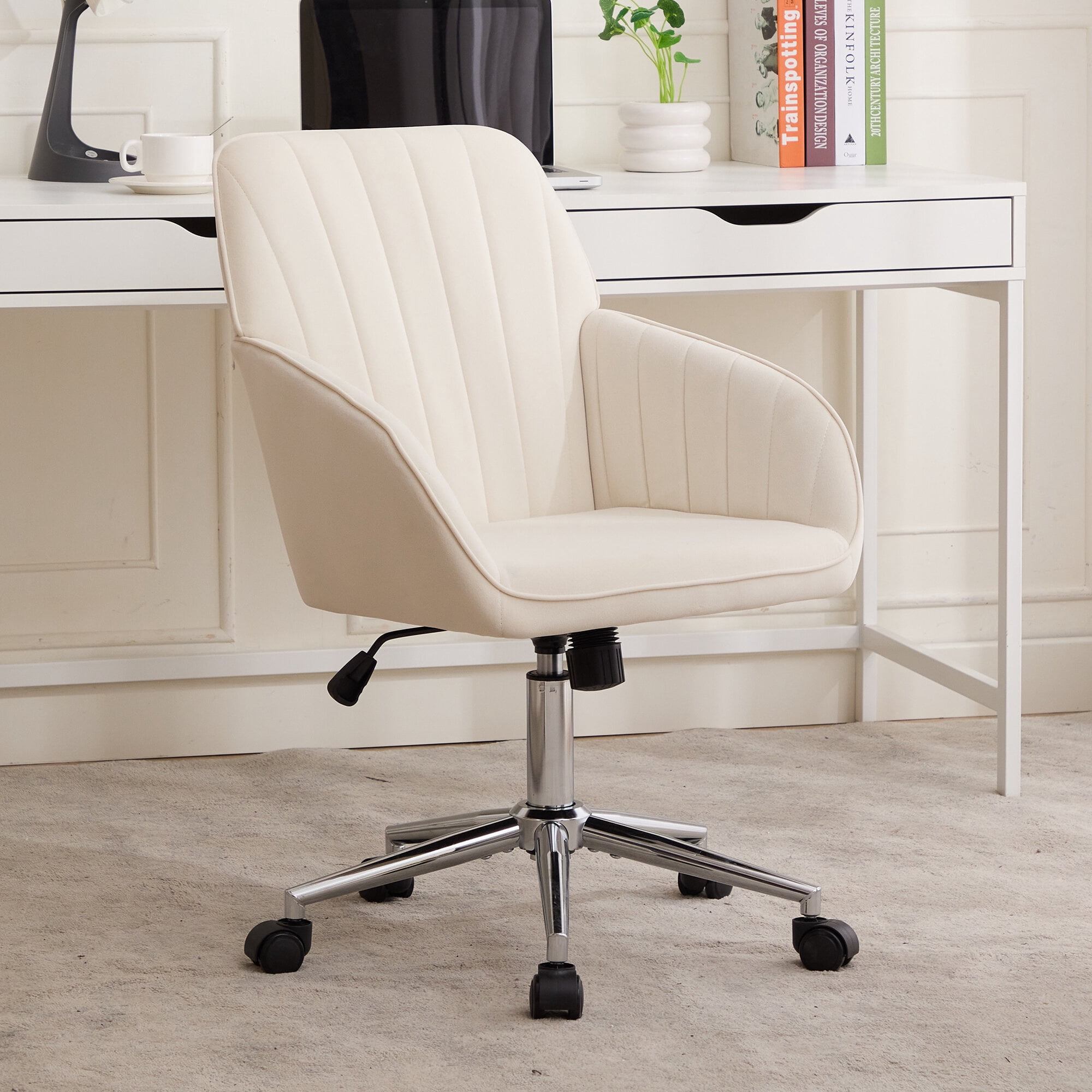
Comfort isn’t just a luxury—it’s a productivity multiplier. For modern professionals, a nice comfortable office chair acts as a silent partner, supporting every decision, meeting, and creative spark. Studies show that discomfort leads to a 28% drop in concentration, while ergonomic seating can boost focus by nearly 40%. When we talk about "nice comfortable office chairs," we mean the sweet spot where plush materials meet biomechanical intelligence.
💡 Did You Know? The average desk worker spends 2,000+ hours per year seated. A supportive chair reduces the risk of chronic back pain by 54% and improves overall energy levels, making it one of the most crucial investments in your workspace.
Anatomy of a Truly Comfortable Office Chair
Not all chairs labeled “comfortable” deliver long-term relief. To find a chair that feels as good after hour eight as it did at hour one, pay attention to these core components:
- High-Density Foam Seat: Look for 3-4 inches of resilient foam that resists flattening. A waterfall edge (gently sloping front) reduces pressure behind your knees.
- Dynamic Lumbar Support: Adjustable depth and height ensure the curve fits your spine perfectly—crucial for preventing lower back strain.
- Breathable Upholstery: Premium fabric, perforated leather, or advanced mesh keeps you cool and comfortable through long sessions.
- Multi-Directional Armrests (4D): Height, width, pivot, and depth adjustments allow your arms to rest naturally, reducing shoulder tension.
- Smooth Recline Mechanism: A tilt-lock or synchro-tilt that lets you lean back effortlessly without losing foot contact improves circulation and relaxation.
Material Matters: Choosing the Right Feel for Your Workspace
The material of your chair significantly influences both comfort perception and durability. Here’s how different options stack up for the ultimate comfortable experience:
🪑 Premium Fabric
Soft, warm, and available in countless colors. Modern performance fabrics resist stains and pilling. Ideal for home offices where coziness is key. Easy to pair with any decor.
- Breathable & skin-friendly
- Reduces sliding sensation
- Budget-friendly luxury
🌬️ High-End Mesh
Engineered for air circulation. Mesh backs provide springy support that conforms to your spine. Ideal for humid environments or if you tend to get warm while working.
- Superior ventilation
- No insulation heat buildup
- Easy to clean
✨ Genuine Leather / Leatherette
Classic elegance with a plush feel. Quality leather softens over time, molding to your body. High-end leatherette is easier to maintain and offers a sophisticated executive look.
- Rich professional aesthetic
- Durable & easy to wipe clean
- Excellent long-term support
Ergonomic Features That Transform Comfort From Average to Exceptional
A truly nice comfortable office chair adapts to you, not the other way around. Below are adjustable features that separate basic chairs from premium comfort solutions:
- Seat Depth Adjustment: Ensures 2-3 finger widths of space between the back of your knees and the seat edge. Prevents circulation issues and thigh numbness.
- Independent Back Angle & Tension: Allows you to recline while maintaining visual alignment with monitors — critical for reducing neck strain.
- Headrest Integration: A well-padded, height-adjustable headrest supports the cervical spine during micro-breaks and phone calls.
- Smooth-Rolling Casters: Hard floor or carpet-friendly wheels reduce friction and noise, making movement effortless and reducing exertion.
Who Benefits Most From a High-Comfort Office Chair?
While anyone can enjoy a supportive seat, certain professionals see dramatic improvements:
- Remote Workers: Without office rotation, a comfortable chair becomes your primary workspace anchor. Investing ensures consistent posture and fewer aches.
- Executives & Managers: Back-to-back meetings demand seating that minimizes fatigue and maintains a commanding presence.
- Creative Professionals: Designers, writers, and coders often enter flow states for hours—a chair that disappears under you is vital for sustained creativity.
- Individuals with Back Conditions: Those managing sciatica, herniated discs, or general chronic pain require chairs with targeted support and adjustability.
Common Myths About Comfortable Office Chairs—Debunked
Misconceptions often prevent people from choosing the right seating. Let’s clear them up:
- Myth: "Soft, pillow-like seats are the most comfortable."
Fact: Excessively soft seats lack structural support, causing poor hip alignment. The ideal seat offers medium-firm support with a generous foam layer. - Myth: "Comfortable chairs are only for executives."
Fact: Ergonomic comfort is for everyone, from interns to CEOs. Many affordable models now include high-end adjustability. - Myth: "You don’t need adjustability if you’re average size."
Fact: Every body is unique. Adjustability ensures the chair conforms to your specific curves and sitting habits, maximizing daily wellness.
How to Test a Comfortable Office Chair Before Buying
If possible, test your chair in-store or carefully review online return policies. Use this 5-step test:
- Sit for 15 minutes minimum: Notice pressure points, especially under thighs and tailbone.
- Test all adjustments: Cycle through lumbar, armrests, and tilt. Everything should move smoothly and lock firmly.
- Assume work posture: Place hands on a mock keyboard. Shoulders should be relaxed, elbows at 90°, wrists straight.
- Recline and stretch: Check if the chair’s recline feels stable and whether the headrest (if any) supports your neck.
- Roll and swivel: Casters should glide without jerking; the swivel base must feel solid under your weight.
For online purchases, prioritize brands offering at least 30-day trial periods and responsive customer support.
Frequently Asked Questions About Nice Comfortable Office Chairs
Conclusion: Invest in Comfort, Reclaim Your Energy
Selecting a nice comfortable office chair is not just a purchase—it’s a commitment to your health, focus, and overall satisfaction at work. By prioritizing adjustability, quality materials, and ergonomic design, you create a workspace that fuels productivity rather than draining it.
Your Next Steps to Ultimate Seating Comfort
Do you need extra lumbar support? Breathable materials for hot environments? Aesthetic harmony with your office? List your top three requirements before shopping.
Read verified user reviews focusing on long-term comfort. Look for mentions of durability after 6+ months of daily use.
A 5–12 year warranty on the frame and components indicates confidence in longevity. Brands that offer responsive customer service are invaluable for any future issues.
Remember, the best comfortable office chair is the one you barely notice — because it fits so naturally that you can focus entirely on your work. Explore our recommended products above and transform your workspace into a haven of productivity and ease.