
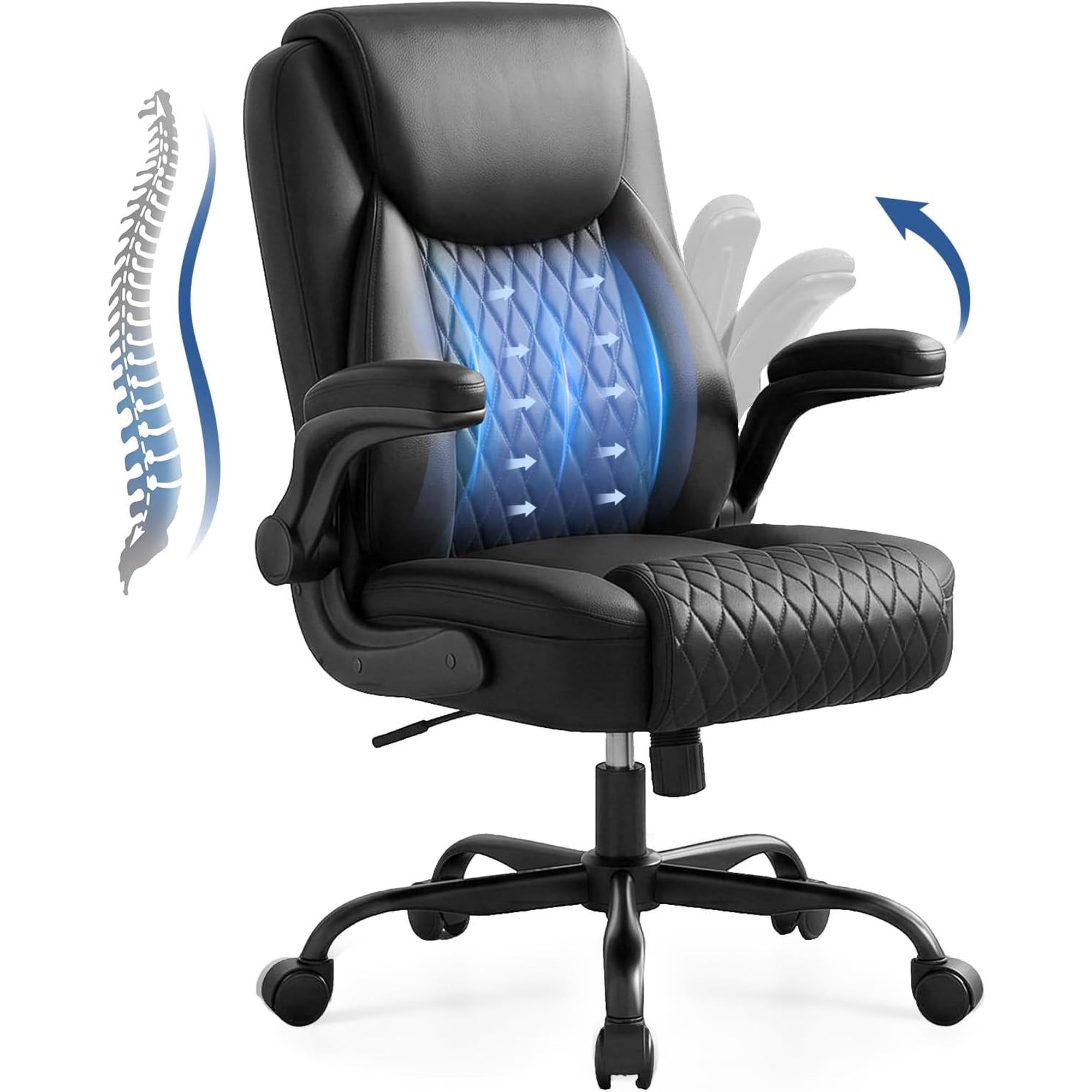
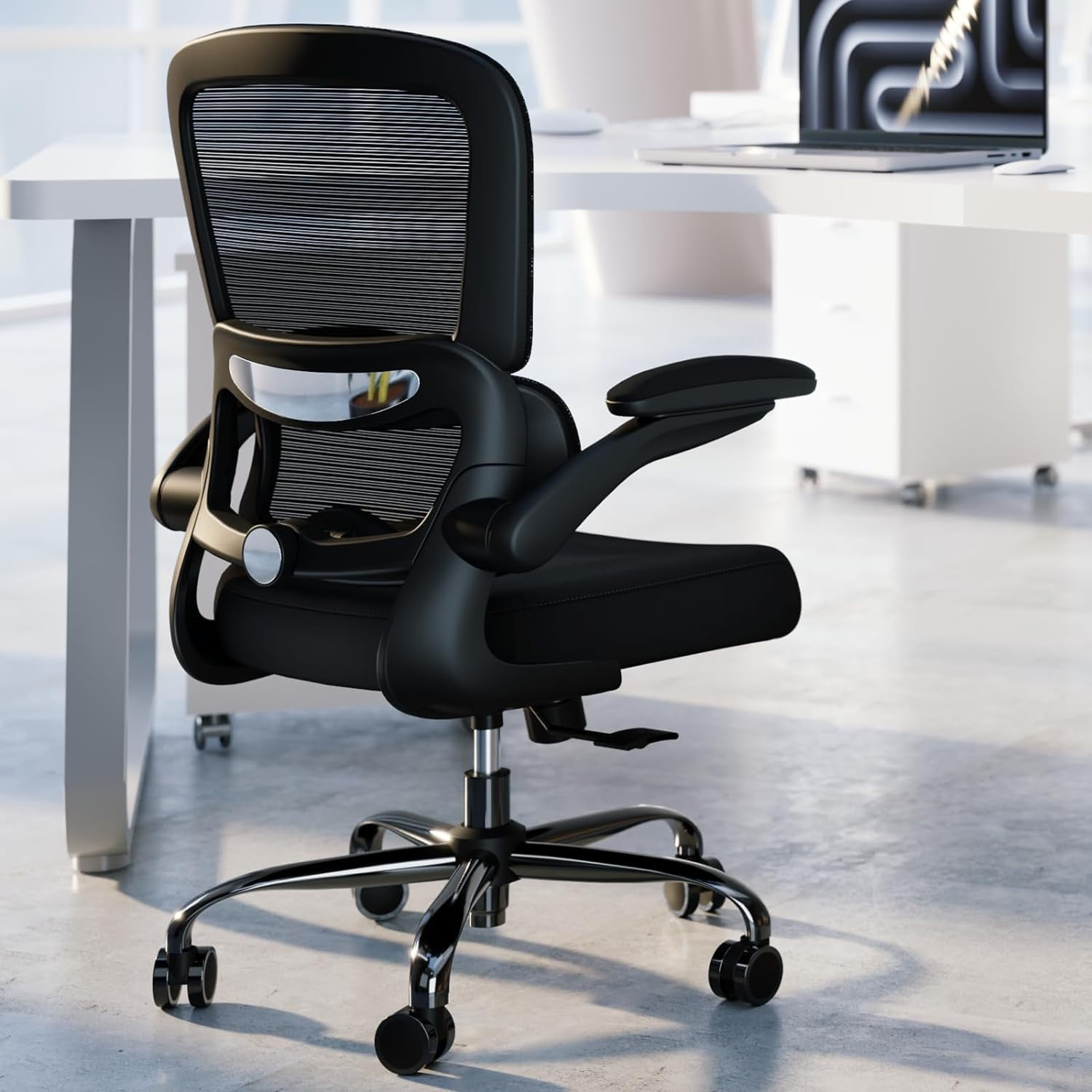
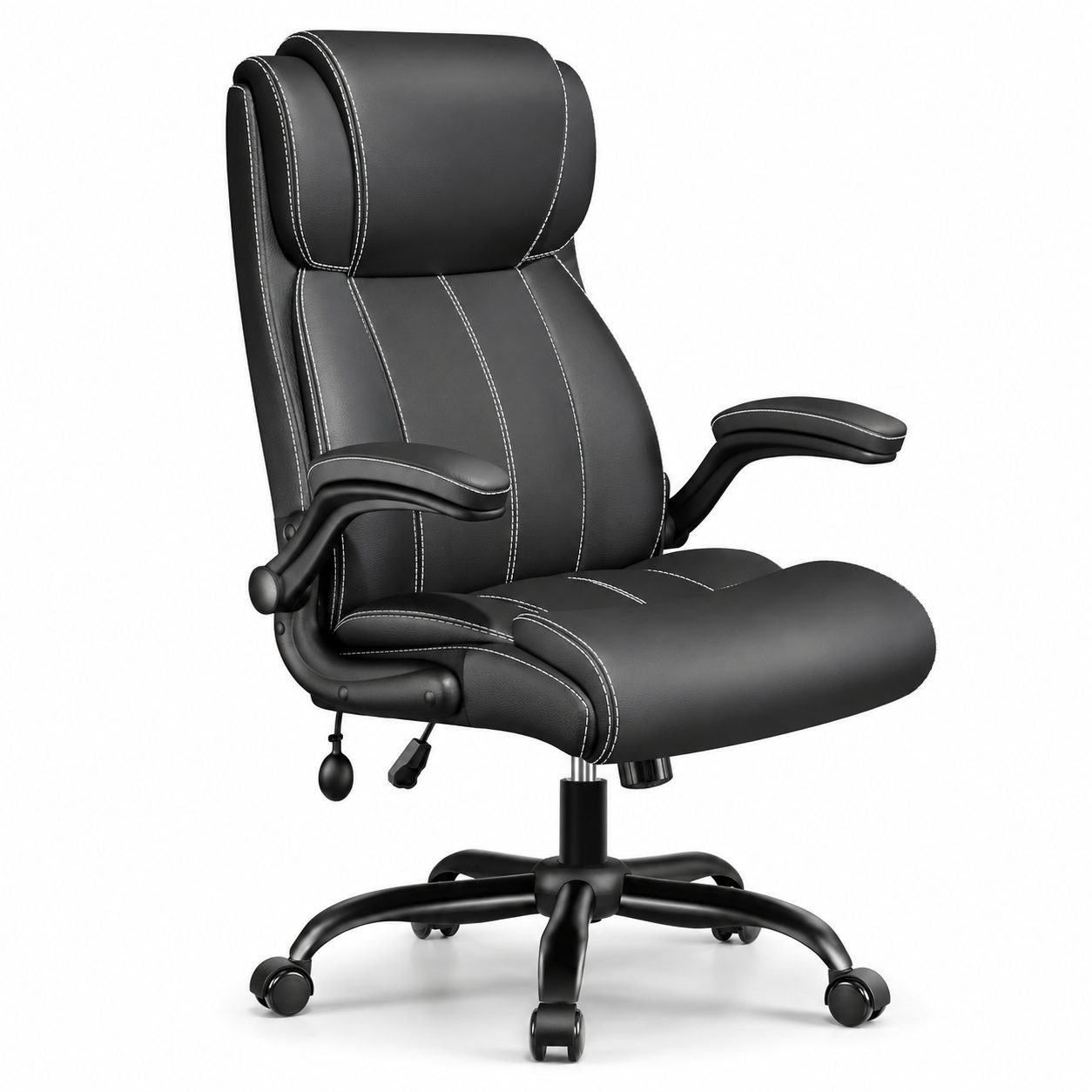
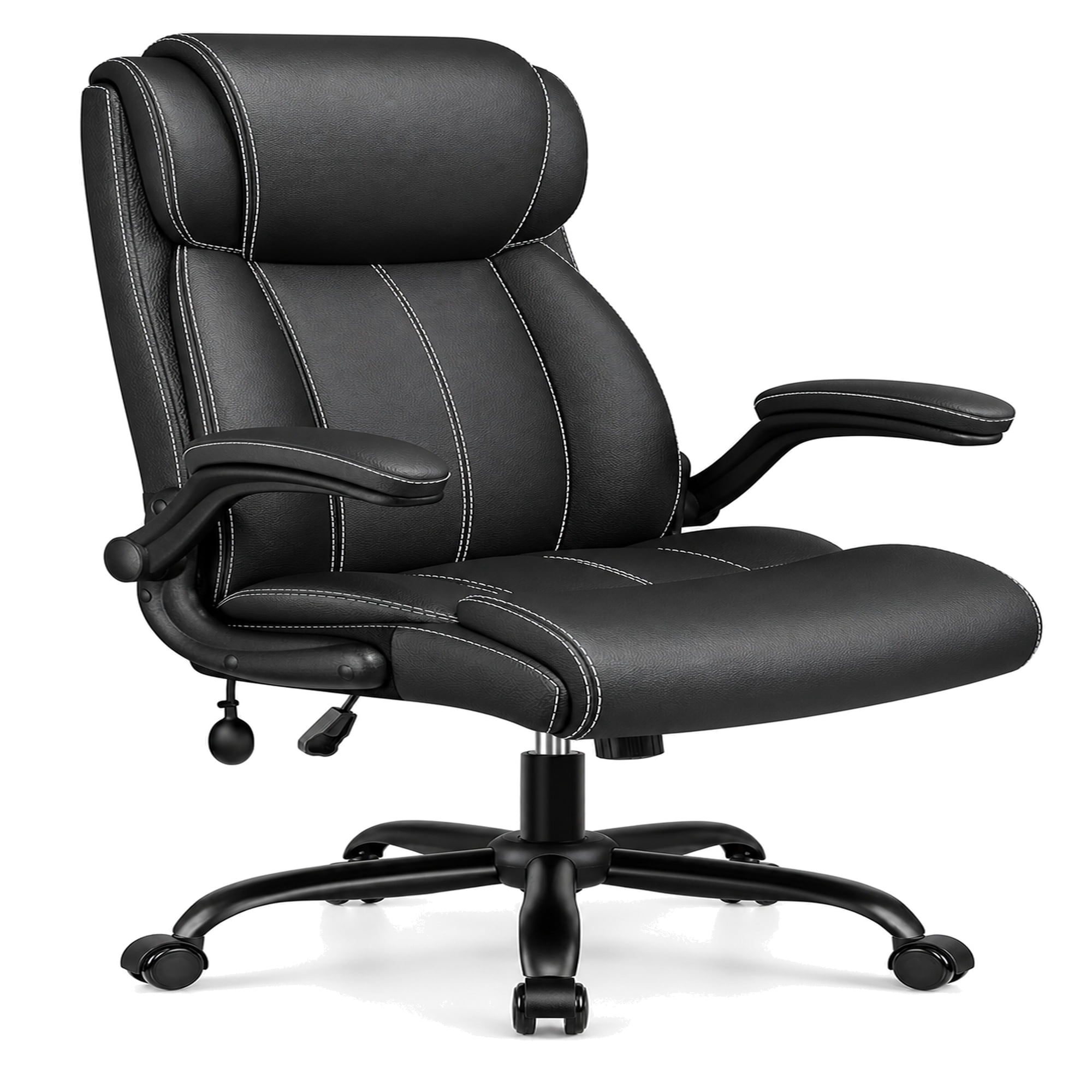
Why Your Back Deserves a True Ergonomic Chair with Lumbar Support
For millions of professionals working from home or the office, chronic lower back pain has become an unwanted companion. The culprit is often a poor seating setup that ignores the natural curvature of the spine. Investing in a comfortable office chair with lumbar support is not just about luxury — it’s a necessity for long-term health, focus, and productivity. Unlike standard task chairs, models with dedicated lumbar mechanisms actively maintain the spine's lordotic curve, preventing slouching and muscle fatigue.
Ergonomics Insight: According to the American Chiropractic Association, 80% of the population will experience back pain at some point, with office workers being most at risk. A high-quality lumbar support chair reduces pressure on spinal discs by up to 45% compared to basic chairs, directly correlating with lower absenteeism and higher cognitive performance.
Anatomy of Superior Lumbar Support: What to Look For
A great lumbar support system goes beyond a simple cushion. Here are the key components that define true ergonomic excellence:
- Dynamic Adjustable Lumbar: Look for chairs with both height (vertical positioning) and depth (protrusion) adjustment. This allows you to match the support exactly to your lumbar curve, accommodating different torso lengths and personal preferences.
- Active Lumbar Mechanism: Premium chairs feature lumbar that automatically adapts when you recline, ensuring constant contact with your lower back. Passive support (fixed bump) is less effective for extended hours.
- Seat Depth Adjustment: Lumbar support works best when your thighs are fully supported. A seat slider ensures you can sit with your back against the backrest while leaving 2-3 fingers of space behind your knees.
- High-Back Design with Contoured Frame: A high-back chair provides additional support for the thoracic spine and shoulders, distributing pressure more evenly and enhancing the lumbar effect.
Material Science: Mesh vs. Fabric vs. Leather for Lumbar Support
The material of your chair directly affects how well the lumbar support performs over long periods:
| Material | Lumbar Support Performance | Best For |
|---|---|---|
| Breathable Mesh | Excellent dynamic tension; conforms to spine without pressure points; stays firm but flexible. Ideal for active support. | Warmer climates, long-hour sitters, those needing firm consistent lumbar push. |
| High-Density Fabric | Plush but supportive; often combined with built-in lumbar pillows. Good for moderate support with soft feel. | Cooler environments, users who prefer a traditional cozy seat with moderate ergonomics. |
| Genuine Leather | Firm and durable; lumbar support feels more rigid; requires manual adjustment for perfect fit; may soften over time. | Executive settings, aesthetics-focused users, those who value easy cleaning and classic style. |
Pro Tip: If you frequently switch between sitting upright and reclining, choose a chair with a synchronized tilt mechanism. This ensures the lumbar support moves in tandem with your body, maintaining proper alignment in every posture.
5-Step Process to Choose Your Ideal Lumbar Support Chair
- Assess Your Pain Points: Identify if your pain is lower back (lumbar region) or mid/upper back. Lower back pain demands pronounced adjustable lumbar; upper back may benefit from a high-back design with shoulder support.
- Test Lumbar Adjustability: Ideally, visit a showroom or check detailed product specs. The lumbar knob or lever should allow at least 1.5 inches of depth change and 3 inches of height range. For online, prioritize chairs with independent lumbar adjustment.
- Consider Seat Foam Density: Lumbar support is complemented by seat comfort. Look for high-resilience foam (2.5-4 lbs density) that doesn’t bottom out. A waterfall edge reduces pressure on thighs, enhancing overall ergonomic flow.
- Check Recline Tension Control: Recline with resistance keeps your lumbar in contact without straining. Chairs with adjustable tilt lock and tension allow you to fine-tune the backward motion while keeping spinal alignment.
- Validate Weight Capacity & Build: Heavier users require reinforced back frames so the lumbar mechanism doesn't warp. Always check the manufacturer's weight limit — 300 lbs+ is standard for high-durability lumbar chairs.
How Lumbar Support Improves Focus and Work Efficiency
When you're comfortable, your brain isn't distracted by pain signals. Scientific ergonomics show that proper lumbar support reduces micro-movements (fidgeting) by up to 70%, allowing you to remain in a focused flow state. A comfortable office chair with lumbar support also encourages an open chest and better breathing, which improves oxygen flow to the brain and reduces fatigue. Executives and remote workers report a noticeable boost in afternoon productivity after upgrading to ergonomic seating with active lumbar.
🔹 Spinal Decompression
Quality lumbar support reduces intradiscal pressure by up to 35%, helping prevent herniated discs and chronic stiffness.
🔹 Posture Correction
Consistent use of an ergonomic lumbar chair retrains your muscle memory, gradually correcting slouching habits even when you're away from the desk.
🔹 Energy Preservation
Eliminating back fatigue saves vital energy — users typically report feeling 30% less tired after an 8-hour workday.
🔹 Long-Term Investment
Well-constructed lumbar chairs last 8-12 years, providing daily health benefits that far outweigh the initial cost.
Common Mistakes When Buying a Lumbar Support Chair
Even savvy buyers often overlook critical aspects. Avoid these pitfalls:
- Ignoring seat depth: If the seat is too long, you can't use the backrest properly. A shallow seat forces you to slouch forward, negating lumbar benefits.
- Choosing style over adjustability: Fixed lumbar that doesn't match your exact curve can actually cause discomfort. Always prioritize adjustability.
- Overlooking armrest integration: Poor armrest height can cause shoulder tension, which indirectly stresses the lower back. Look for 3D/4D armrests to maintain a neutral upper body posture.
- Not testing the recline lock: A chair that doesn’t lock upright or in multiple positions forces you into one static posture, leading to fatigue.
Maintenance Tips to Preserve Lumbar Support Longevity
To keep your lumbar support mechanism functioning perfectly for years:
- Periodically vacuum mesh or fabric backs to prevent dust buildup that can stiffen lumbar tension systems.
- For mechanical lumbar knobs, use silicone spray lightly once a year to keep adjustment smooth.
- Inspect the back frame attachment bolts every 6 months — tighten if loose to maintain structural integrity.
- If the chair has a separate lumbar pillow, fluff regularly and avoid over-compressing in one area.