
Rethinking Seating: The Rise of the Backless Office Chair
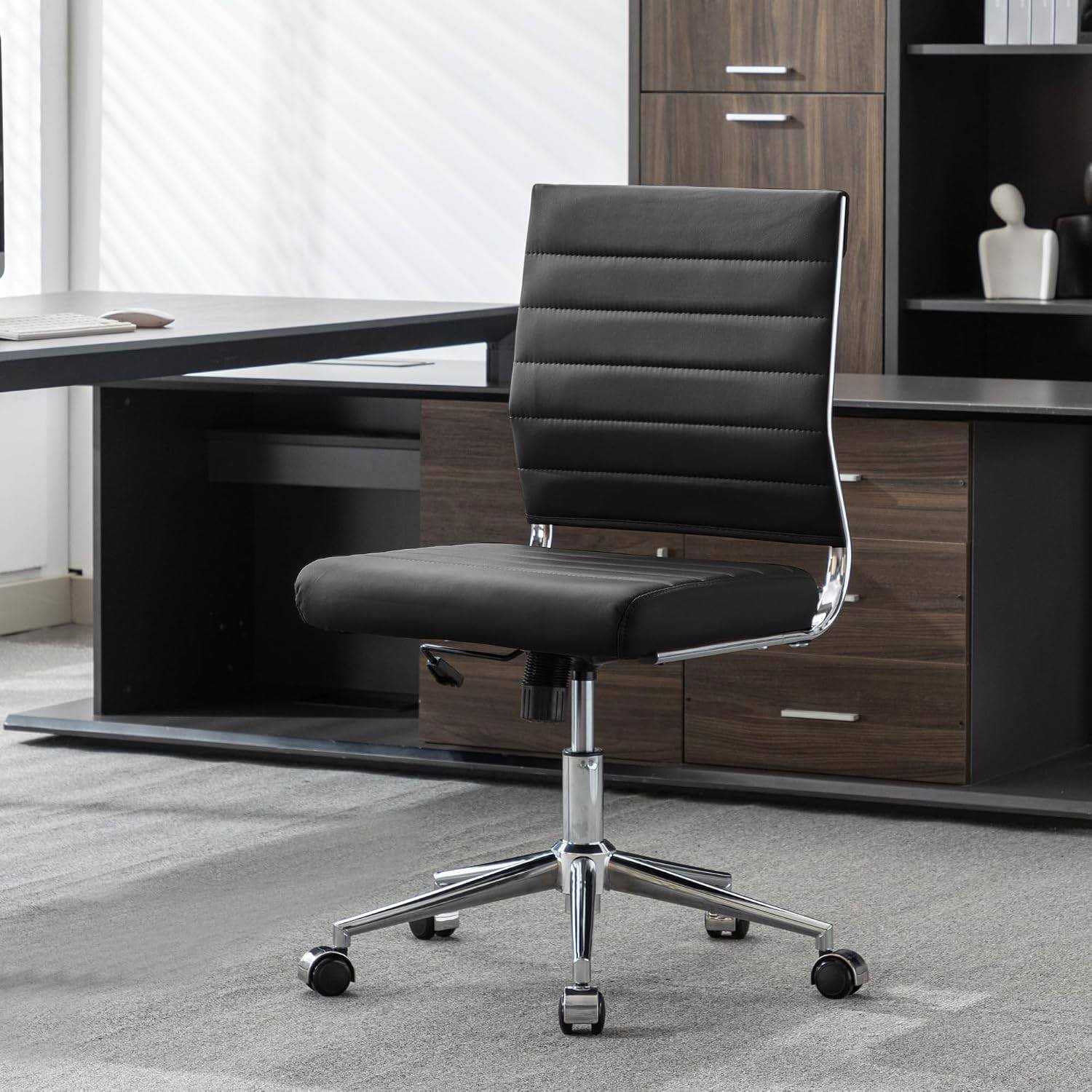
Imagine a chair that doesn't hold you, but instead challenges you—just like a stability ball does for your core. That's the philosophy behind the backless office chair. Far from being just a stool, this category of seating—including ergonomic stools, kneeling chairs, and saddle seats—is designed to combat the "sitting disease." Traditional chairs often encourage us to slump, letting the backrest do all the work while our core muscles switch off. A backless design turns your desk into a dynamic environment, promoting constant micro-movements that keep your blood flowing and muscles engaged.
Ergonomic Insight: Studies suggest that 'active sitting' can increase core muscle activation by up to 30% compared to sitting in a standard office chair. This constant, low-level engagement helps maintain natural spinal curvature and can lead to a 20% reduction in reported lower back discomfort over a workday, according to preliminary ergonomic research.
Understanding the Backless Chair Family: Not All Stools Are Equal
When you start searching for a backless office chair, you'll quickly find there are several distinct types. Each is engineered for a slightly different sitting experience. Choosing the right one is like selecting the right pair of shoes—it depends on your activity and physiology.
1. The Ergonomic Stool: The All-Rounder
Picture a sturdy, height-adjustable post with a comfortable seat pad, often featuring a slight forward tilt. This is the ergonomic stool. It's the most direct alternative to a traditional task chair. The gentle forward slope opens your hip angle to about 135 degrees, which is often cited as a healthy resting position. This naturally aligns your spine, ears, and shoulders. Most models include a footring, allowing you to rest your feet and maintain stability. Think of it as a "perching" stool—it allows you to half-sit, half-stand, reducing pressure on your lower back.
- Best For: Professionals who switch between sitting and standing, drafting tables, and collaborative workspaces.
- Key Feature to Look For: A pneumatic height adjustment and a sturdy, wide footring.
- Analogy: It's like a bicycle seat—it supports you but requires you to balance, keeping your core subtly active.
2. The Kneeling Chair: The Posture Corrector
This design looks unconventional but is rooted in solid biomechanics. A kneeling chair splits your weight between a seat pad (for your buttocks) and a shin pad (for your knees or shins). This position tilts your pelvis forward, preventing the posterior pelvic tilt that causes you to slouch. It’s like being in a half-kneeling stretch all day—it keeps your spine naturally aligned and engages your core. Data from users often report an immediate feeling of being "taller" and more open in the chest and hips.
- Best For: Individuals with lower back pain caused by slouching, designers, and those who sit for long periods of focused work.
- Key Feature to Look For: High-density foam on both seat and shin pads, and a rockable base for movement.
- Statistic: Some physical therapists note that a kneeling chair can increase the lumbosacral angle by 15-20 degrees compared to a standard flat seat, significantly reducing disc pressure.
3. The Saddle Chair: The Stability Specialist
Modeled after a horse saddle, this chair forces your legs to open and drop down, placing your hips in a neutral, flexed position. It’s incredibly popular in medical, dental, and lab settings because it allows for a wide range of upper body movement while keeping the lower body stable. The saddle shape provides a wide base of support while still encouraging an upright spine. It feels less like "active sitting" and more like "supported mobility."
- Best For: Dental hygienists, surgeons, artists, and anyone needing to lean forward frequently without back strain.
- Key Feature to Look For: A bifurcated (split) seat design for comfort and a wide, stable base with easy-glide casters.
Quick Comparison: Finding Your Fit
| Chair Type | Primary Movement | Body Engagement | Idea Desk Height |
|---|---|---|---|
| Ergonomic Stool | Perching / Leaning | Core & Legs (static) | Standard (28-30") |
| Kneeling Chair | Gentle Rocking | Core, Glutes & Shins | Slightly Lower |
| Saddle Chair | Full Swivel / Glide | Hips & Thighs (open angle) | Standard or High |
Why Go Backless? The Tangible Benefits for the Modern Worker
Switching to a backless office chair isn't just a trend; it's a response to the static nature of modern work. Here’s how a backless design can positively impact your work life:
1. Core Strength Activation
Without a backrest to lean on, your body naturally engages its core stabilizers. Over time, this can lead to a stronger, more resilient midsection.
2. Improved Posture, Naturally
These chairs encourage a "neutral spine" position. You're not being forced into place by lumbar pads; you're being guided by your own skeletal structure.
3. Increased Caloric Burn
While not a replacement for exercise, the constant micro-adjustments and muscle engagement can slightly increase your daily energy expenditure.
4. Space-Saving & Aesthetic
Their minimalist design opens up a room visually and physically. A sleek backless stool looks modern and takes up less visual real estate than a high-backed executive chair.
Step-by-Step Guide: How to Choose Your First Backless Office Chair
Making the switch is exciting, but it requires a bit of strategy. Follow this guide to ensure a smooth transition.
Step 1: Start with a Self-Assessment
Consider your flexibility and any existing injuries. If you have knee issues, a kneeling chair might be initially uncomfortable. If you're prone to losing balance, a stool with a wider, heavier base is crucial. Your weight and height will determine the required seat height range and weight capacity (look for at least 250 lbs).
Step 2: Match the Chair to Your Work Style
Work Style Matrix
A kneeling chair or a stable saddle chair minimizes fidgeting and promotes concentration.
An ergonomic stool on casters lets you move and pivot easily.
A tall ergonomic stool is perfect for quick perching during standing sessions.
Step 3: The 30-Minute Test Drive
Your body needs time to adapt. Don't throw out your old chair yet. Use your new backless chair for 30-60 minutes, then switch back. Pay attention to pressure points (sits bones, back of thighs, shins). A quality chair will have ample, resilient foam. Over a week, gradually increase the time spent in the backless chair.
Step 4: Adjust and Accessorize
Proper setup is non-negotiable. Your desk height should allow your elbows to be at a 90-degree angle. If your feet don't comfortably reach the floor or footring, you need a lower seat height or a footrest. Consider a small anti-fatigue mat underneath for added comfort if you're on a hard floor.
Frequently Asked Questions About Backless Office Chairs
Conclusion: Is a Backless Office Chair Right for You?
Adopting a backless office chair is a commitment to a more active and engaged work style. It's not a passive seat; it's a tool for wellness. For the executive tired of back pain, the designer needing freedom of movement, or the remote worker wanting to upgrade their small home office, a backless chair offers a compelling alternative. It's a shift from being supported to being empowered by your own musculature.
Your Next Move: A Quick Recap
Remember, the best chair is the one that disappears—allowing you to focus entirely on your work. For many, a backless design achieves this by putting your body's natural intelligence back in charge. Explore the options below and take the first step toward a more dynamic workday.