
The Art of Fitting: Why Size Matters in Office Seating
Think of your office like a well-packed suitcase. Every inch counts, and choosing the right pieces—especially a small office chair—can mean the difference between a cramped, cluttered space and an airy, productive environment. For millions working from home or in compact city apartments, a full-sized executive chair simply isn't practical. It's like trying to park an SUV in a spot made for a compact car. The solution? A chair designed from the ground up to deliver ergonomic support in a footprint that respects your square footage.
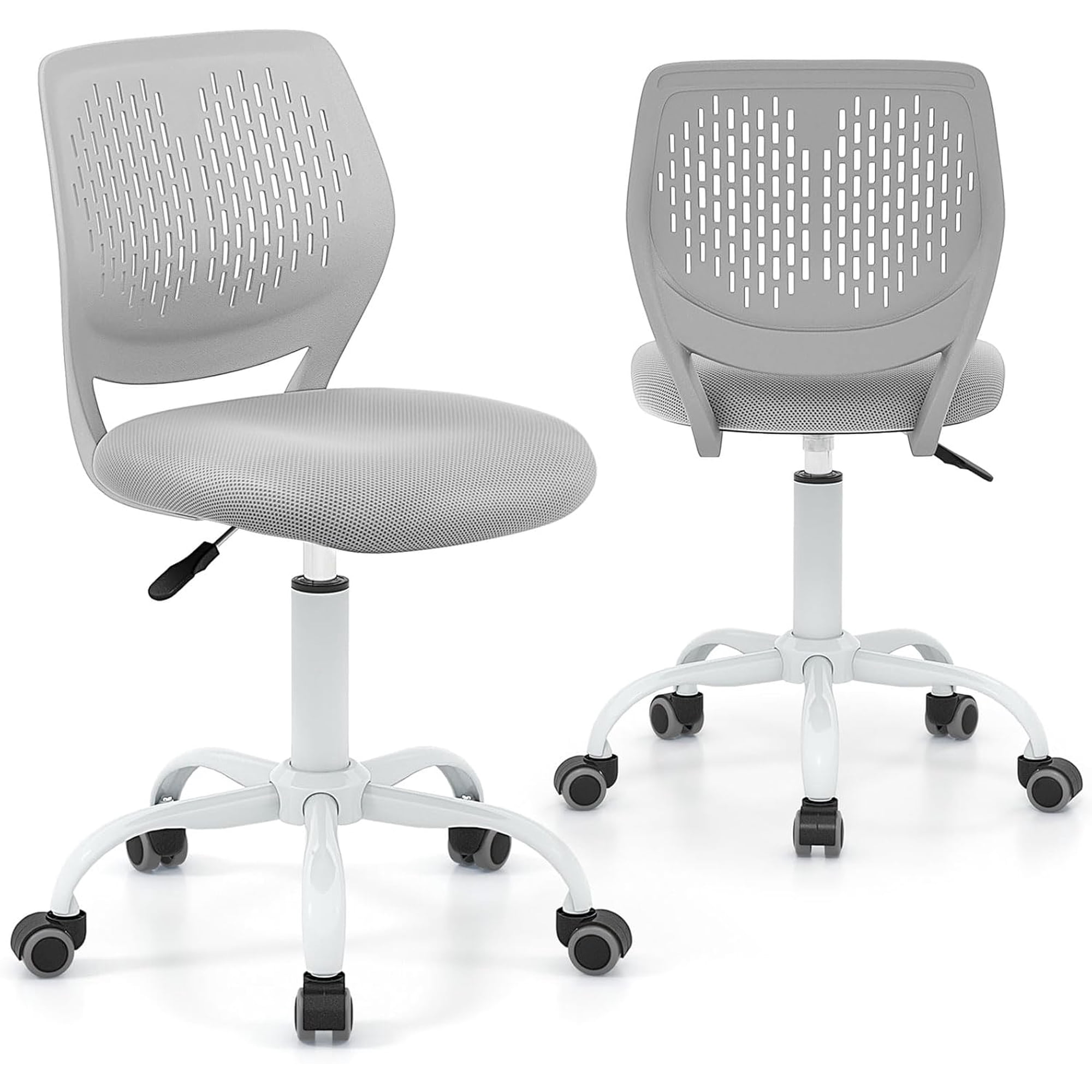
But downsizing doesn't mean downgrading. Modern small office chairs are marvels of efficient design. They incorporate the same ergonomic principles as their larger counterparts—lumbar support, adjustable height, and comfortable cushioning—but within a frame that's often 20% narrower. This allows you to roll right up to your desk, tuck away neatly, and still enjoy a full day of work without feeling like you're sitting in a child's chair. It's about working smarter, not harder, and letting your furniture adapt to your space, not the other way around.
Defining the Dimensions: What Makes a Chair "Small"?
When we talk about a small office chair, we're referring to specific measurements that differentiate it from standard seating. Understanding these numbers is the first step in finding your perfect fit.
- Seat Width: Typically ranges from 18 to 20 inches. Standard chairs are often 21-22 inches wide. This narrower profile is key for fitting into tight corners or between desk legs.
- Seat Depth: Compact chairs usually have a seat depth of 16-18 inches, compared to 19-21 inches on standard models. This ensures shorter users can sit with their back against the lumbar support without the seat edge pressing behind their knees.
- Overall Height: While backrest height can vary, many small chairs feature a lower back or a mid-back design. This prevents the chair from visually overwhelming a small room. Height-adjustable mechanisms are still standard.
- Base Span: The five-point base is often slightly smaller in diameter, requiring less clearance to swivel without bumping into surrounding furniture.
Who Needs a Small Office Chair? (More People Than You Think)
The need for a compact chair goes beyond just those in tiny homes. Here are the most common scenarios where a small office chair becomes the unsung hero of the workspace:
🏠 Apartment Dwellers
In multi-purpose rooms where the office nook shares space with the living area, a sleek, small chair visually recedes, making the room feel larger and less cluttered.
📚 Students
Dorm rooms and small study corners demand furniture that fits. A compact chair can be pushed under the desk, freeing up precious floor space for movement.
👤 Petite Users
Standard chairs are often designed for average to large body types. A smaller chair with a shorter seat depth and narrower back provides a much better, more ergonomic fit for smaller individuals.
🏢 Tight Cubicles
In corporate settings, space is at a premium. A narrow chair allows for easier movement within a compact cubicle and prevents that "stuck in a box" feeling.
Ergonomics in a Smaller Package: What to Look For
Don't assume a smaller chair skimps on support. The key is to look for specific features that ensure your body is properly aligned, even in a compact frame. Think of it as choosing a high-performance road bike instead a bulky cruiser—it's designed for efficiency and fit.
- Adjustable Lumbar Support: This is non-negotiable. Even in a small chair, you need support for the natural curve of your lower back. Look for chairs with a built-in lumbar curve or an adjustable pad.
- Seat Depth Adjustment: A sliding seat pan is a premium feature, but incredibly valuable. It allows you to adjust the seat length to perfectly support your thighs, usually leaving 2-3 fingers of space between the seat edge and the back of your knee.
- Waterfall Seat Edge: A seat with a gently sloping front edge reduces pressure on the underside of your thighs, promoting better blood circulation—a must for long hours, regardless of chair size.
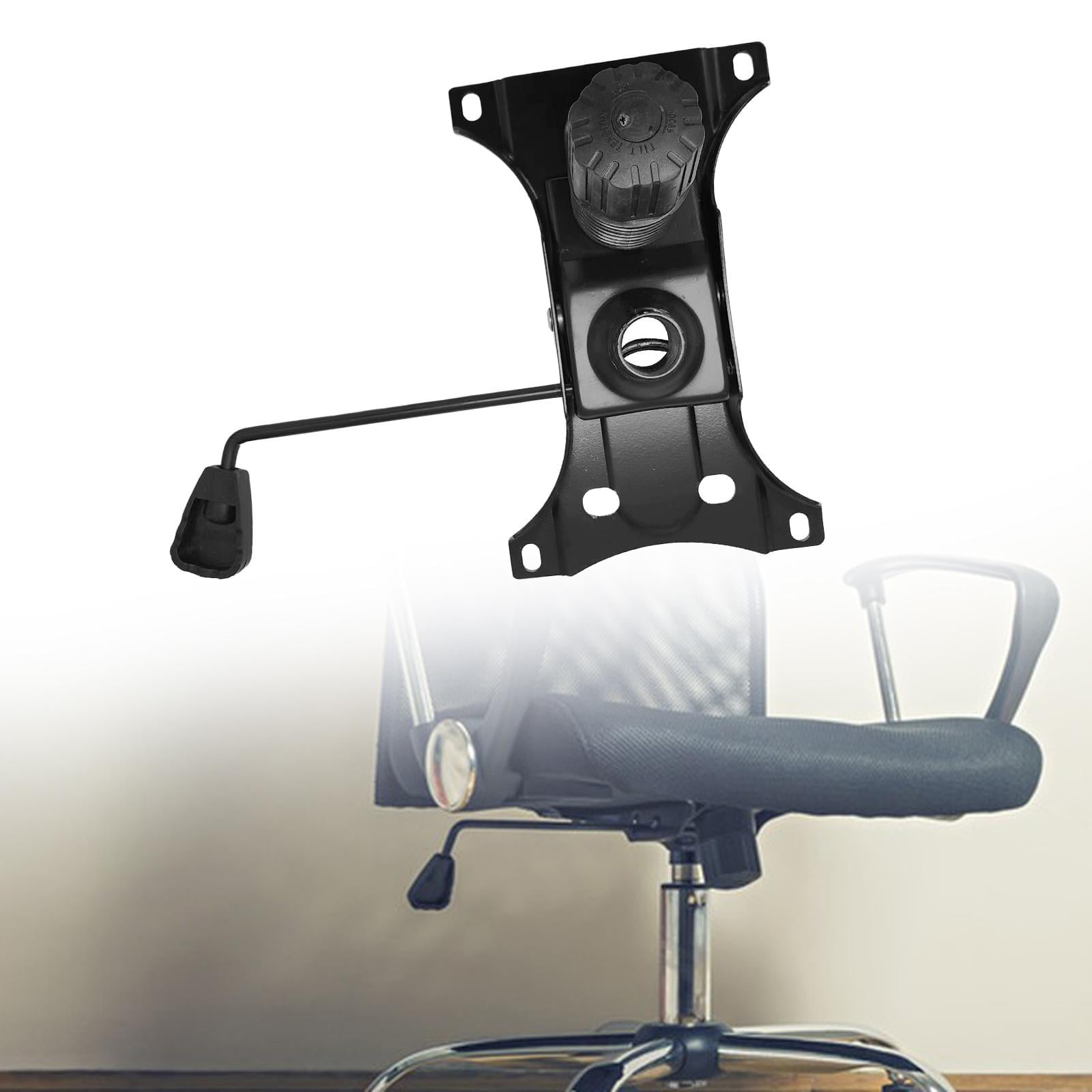
- Pneumatic Height Adjustment: Essential for aligning your eyes with your monitor. A good gas lift cylinder provides a wide range of motion, accommodating different desk heights.
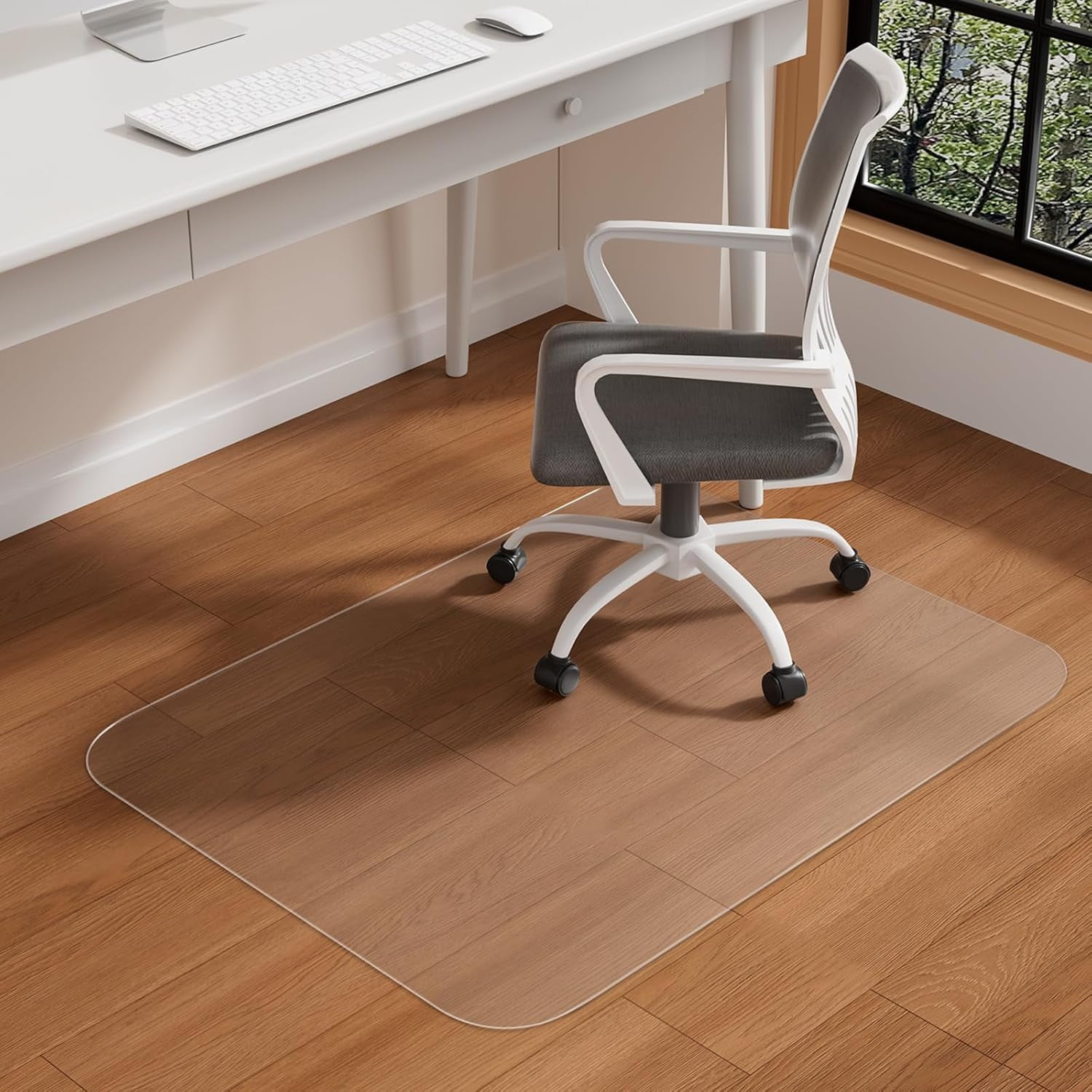
- Stable Base: A five-point base, even if slightly smaller, should be made of durable nylon or metal to ensure stability and safety. Look for smooth-rolling casters suitable for your floor type.
Material World: Choosing the Right Upholstery
The material of your small office chair affects not only its look but also its perceived size and comfort. Here's a quick guide:
Mesh: The top choice for small chairs. Mesh is visually lightweight, breathable (keeping you cool), and often wraps around the back, creating a slim profile. It's like wearing a breathable athletic shirt—functional and unobtrusive.
Fabric: Offers a soft, warm feel and comes in endless colors. A lightly colored fabric can make a small chair feel less imposing, while a dark fabric can help it blend into the background. Think of it as choosing paint colors for a small room.
Leather/Bonded Leather: Adds a touch of sophistication but can appear bulkier. If you choose leather for a small space, opt for a sleek, minimalist design without thick padding or wingbacks to keep the profile clean.
Styling Your Small Space Around Your Chair
Once you've chosen your chair, you can use a few tricks to make your entire workspace feel more open and inviting. Your small office chair is the anchor; now build around it.
- Choose a transparent or light-colored desk. A glass or white desk recedes visually, making the floor space feel larger than a bulky dark wood desk would.
- Use vertical storage. Shelves above the desk draw the eye upward, freeing up floor space and reducing clutter around your chair's base.
- Optimize lighting. A well-lit space feels larger. Use a slim desk lamp or wall-mounted lights instead of bulky floor lamps that compete for space with your chair.
- Keep the area under the desk clear. This is where your chair lives. Ensure there are no boxes or footrests that impede your ability to roll and swivel freely.
Frequently Asked Questions About Small Office Chairs
Conclusion: Right-Sizing Your Comfort
Finding the perfect small office chair is about more than just fitting into a corner; it's about creating a workspace that feels tailored to you. It acknowledges that your environment should serve you, not overwhelm you. By prioritizing key ergonomic features and understanding the dimensions that matter, you can find a chair that offers tremendous support in a compact, stylish package.
Whether you're a student in a dorm, a professional in a city apartment, or someone who simply prefers a less bulky chair, the options available today are impressive. They prove that great design and ergonomic intelligence can thrive in any size. Measure your space, identify your must-have features, and get ready to enjoy a workspace that feels both open and perfectly equipped for productivity.