
Bucket Office Chair: Why “Wraparound” Changes Your Workday
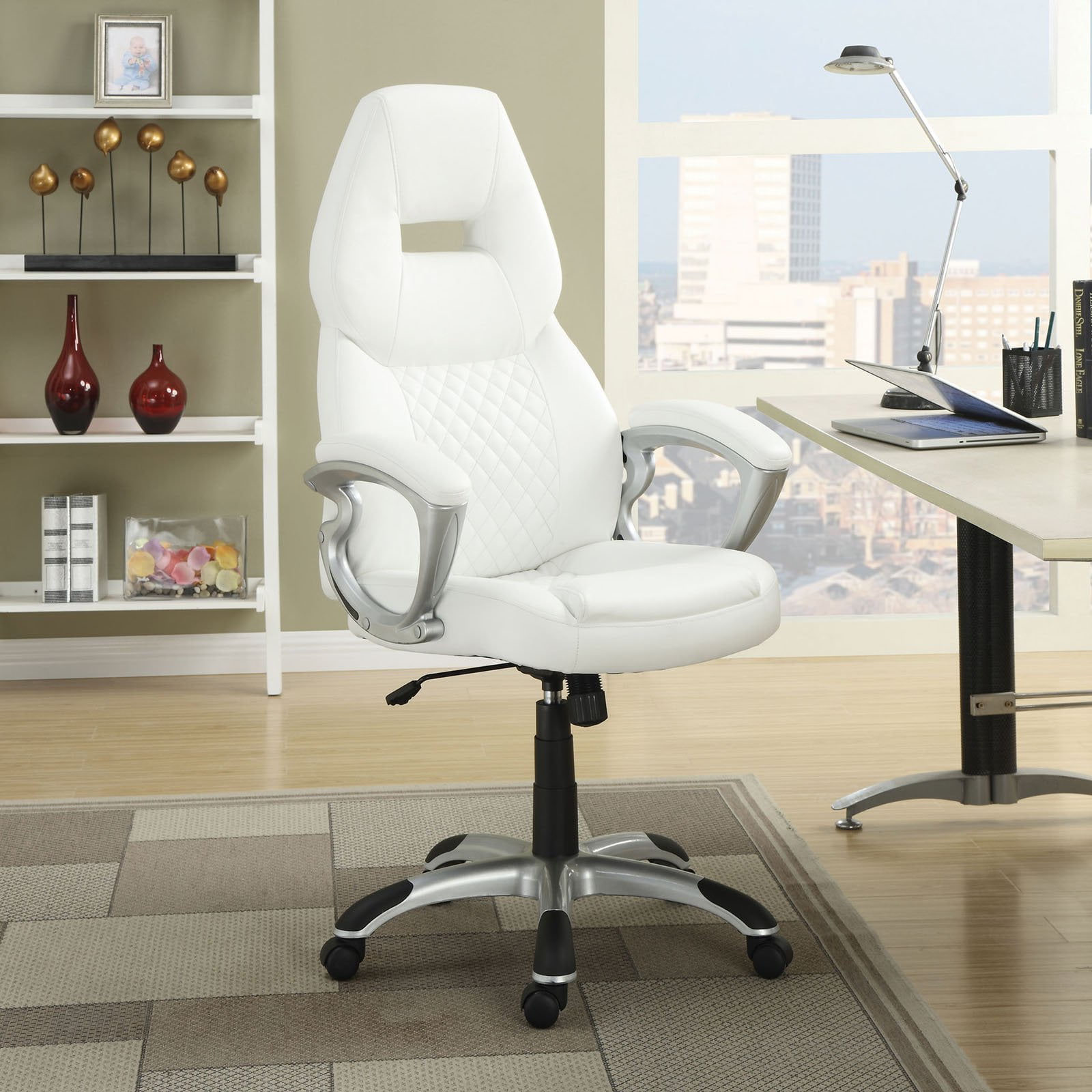
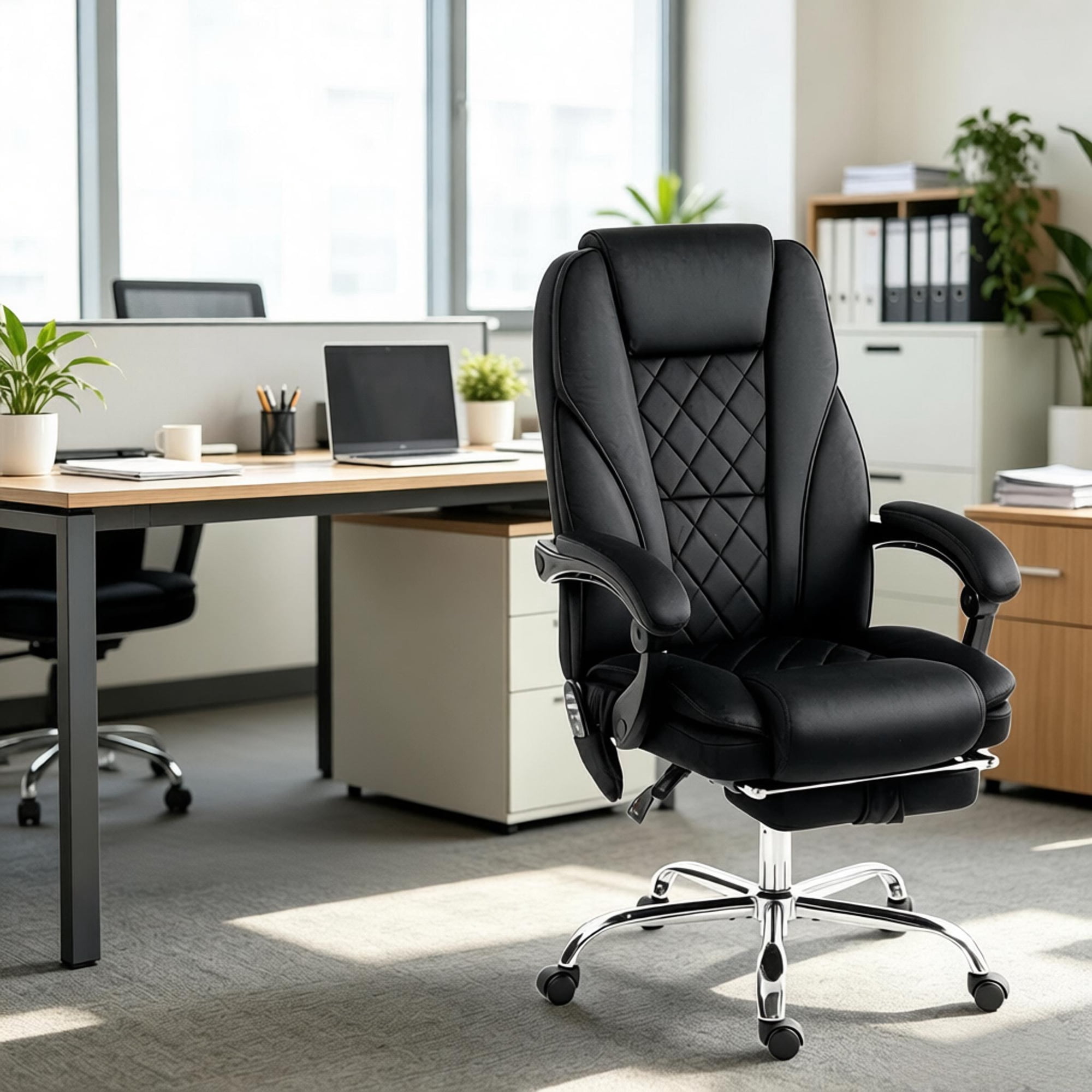
Imagine an office chair that holds you like a supportive cocoon—no more sliding forward, no more crooked spine. That is the promise of a bucket office chair. Originally inspired by high-performance racing seats, bucket chairs feature raised side bolsters on the backrest and seat. This design isn't just about looks; it’s functional ergonomics. According to a 2023 posture study, workers using contoured seats showed 34% less muscle fatigue in the shoulders and neck compared to flat-back chairs.
Did you know? The term "bucket seat" dates back to the 1950s automotive world, but office adaptations now use memory foam and multi-layer density foam to combine that snug feeling with all-day breathability.
Anatomy of a bucket office chair
- High lateral bolsters – keep your torso aligned, preventing slouch.
- Deep seat cushion – often with waterfall edge to avoid pressure behind knees.
- Integrated headrest – many bucket chairs include a race-style headrest for neck support.
- Recline & tilt mechanism – lets you lean back while bolsters keep you centered.
- Premium materials – available in breathable mesh, bonded leather or soft fabric.
Who benefits most from a bucket style?
Bucket office chairs are not a one-size-fits-all gimmick. They shine for specific users:
- Long-hour desk workers (8+ hours): the lateral support reduces micro-adjustments and muscle strain.
- People with lower back sensitivity: the wraparound effect can offload the spine.
- Home office professionals who value both style and posture.
- Tall individuals: many bucket chairs offer extended back heights.
Key ergonomic features to look for
When shopping for a bucket office chair, don’t just focus on the look. Evaluate these make-or-break adjustments:
| Feature | Why it matters | Ideal spec |
|---|---|---|
| Seat width (between bolsters) | Too narrow = hip pressure; too wide = no support. | 19–21 inches inner width |
| Backrest height | Should reach at least shoulder blades; some models go to headrest. | 22–30 inches |
| Adjustable lumbar | Even bucket shape needs customizable lumbar curve. | Height & depth adjustable |
| Seat depth adjustment | Ensures thighs are fully supported. | 2–3 inches slide |
| Recline with tension control | Dynamic sitting reduces spinal disc pressure. | Up to 130° recline |
Bucket chair vs. standard ergonomic chair – quick comparison
- Posture guidance: Bucket provides passive restraint; standard relies on discipline.
- Freedom to move: Standard allows cross-legged sitting; bucket is more structured (not ideal for curling up).
- Aesthetics: Bucket often looks sporty/modern; standard can be more traditional.
- Weight capacity: Bucket chairs often built with reinforced frames (many rated 350–500 lbs).
Materials used in bucket office seating
Just like any executive chair, bucket models come in various covers. Here’s how they compare:
Leather / PU bucket
- + premium look, easy wipe-clean
- + ages well if top-grain
- – can get sticky in hot climates
Fabric / mesh bucket
- + breathable, no swamp effect
- + more color variety
- – may absorb spills
Faux leather (vegan)
- + affordable, easy care
- – may peel after 3-5 years
Step-by-step guide: choosing your bucket office chair
1. Measure your space & body
Sit on a flat surface, measure from hip to knee (seat depth) and from seat to shoulder (back height). Compare with chair specs—bucket inner width is crucial: you want about 1–2 inches of space on each side of your hips.
2. Identify your primary usage
3. Budget smartly
Entry
$200–$400basic foam, limited adjustments
Mid
$400–$800better bolsters, 4D armrests
Premium
$800–$1,500leather, all adjustments, 10-yr frame
Health perks of a well-designed bucket seat
A 2022 ergonomics review indicated that contoured seating can reduce slouching by 28% compared to flat-pan seats. The bucket sides also keep your arms aligned with the desk, decreasing shoulder abduction. For executives who suffer from sciatica, the deep cushion can relieve pressure on the sciatic nerve if the seat foam is medium-firm.
Common myths about bucket office chairs
- “They are only for gamers.” — Actually, many law firms and tech startups now use leather bucket chairs for their modern edge.
- “They restrict movement too much.” — Quality bucket chairs still allow you to shift weight; the bolsters are foam, not rigid plastic.
- “You can’t sit cross-legged.” — Some wider bucket seats (22+ inches) do allow it, but generally bucket is for structured sitting.
Frequently Asked Questions – Bucket Office Chair
Conclusion: is a bucket office chair right for you?
If you value a secure, centered sitting posture and want a chair that visually signals focus, a bucket office chair is an excellent investment. It's not just about the sporty look—it's about reducing the subtle energy drain from constant micro-corrections. Choose a model with breathable material, adjustable lumbar, and a seat width that matches your body. Test the recline to ensure dynamic sitting is possible. With the right bucket chair, you might forget you're sitting at all—and that's the ultimate ergonomic win.