
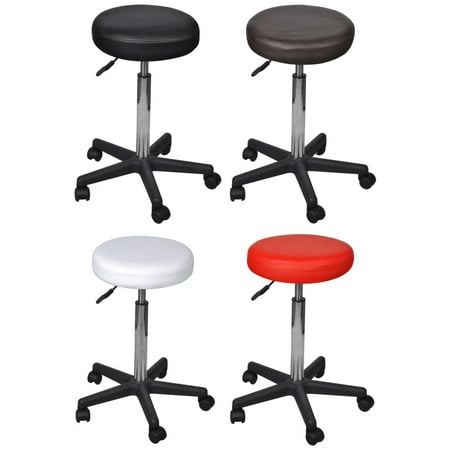
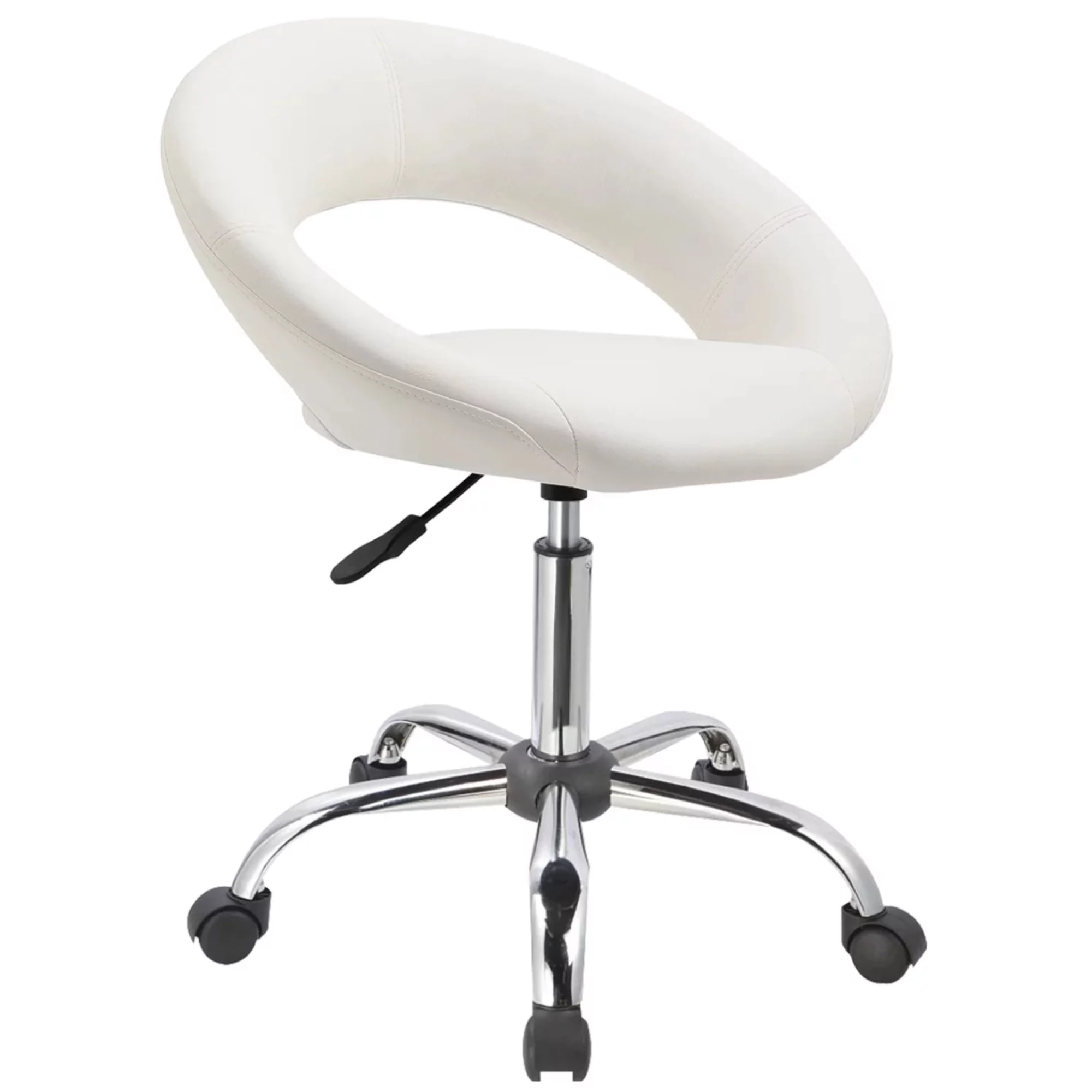
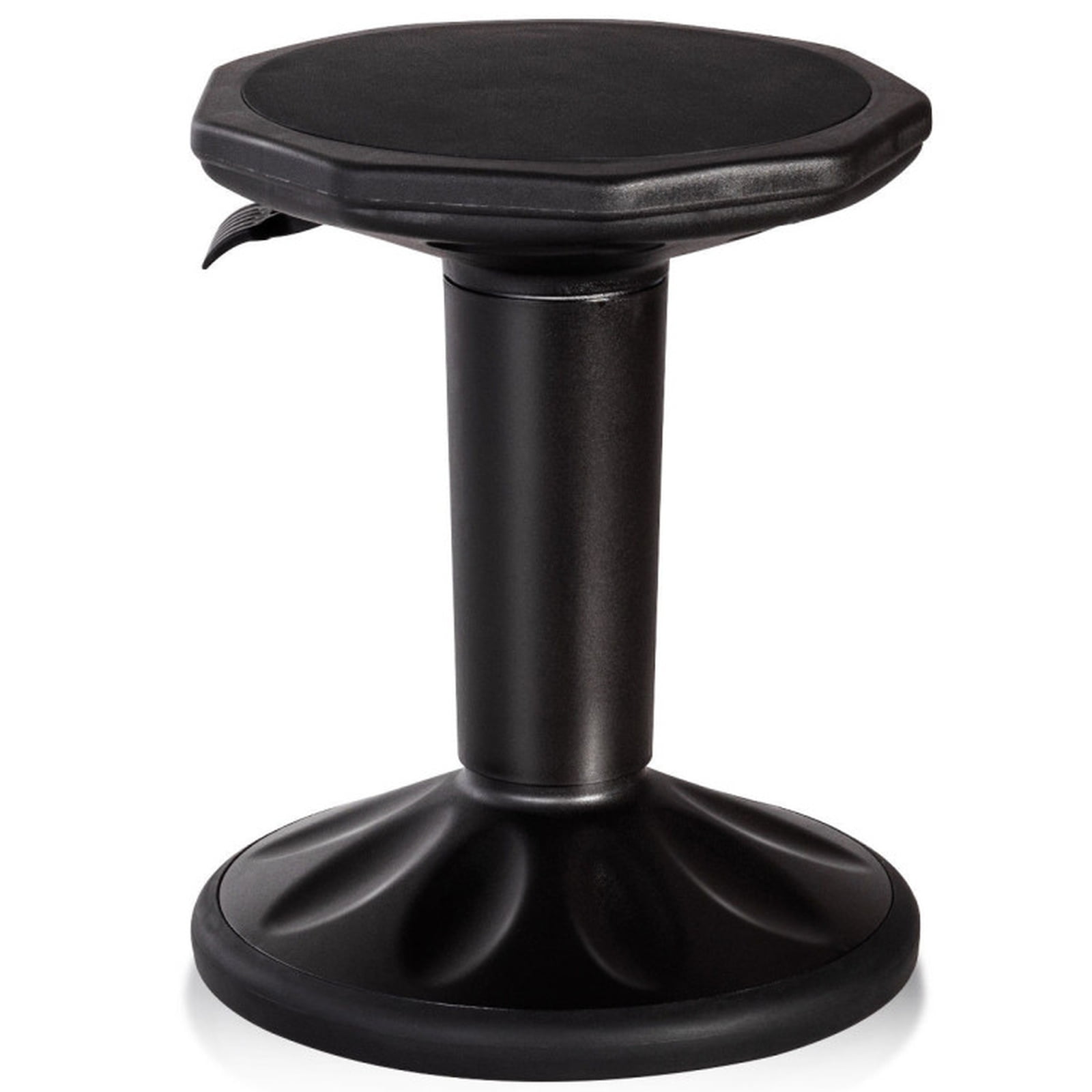
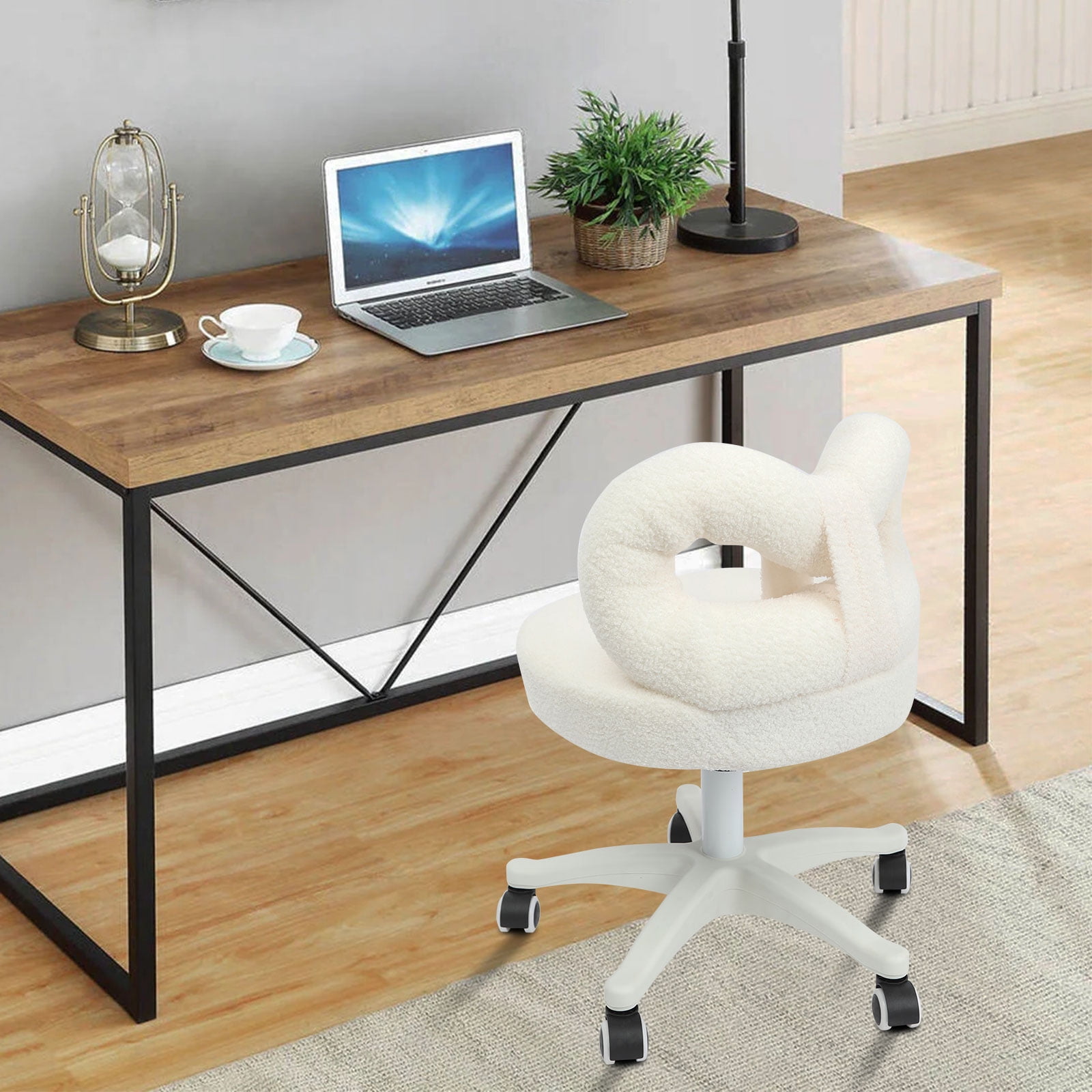
Why Consider an Office Stool Chair? The Shift to Active Sitting
Imagine your spine like a spring: if you compress it for hours in a fixed position, it loses bounce. Traditional office chairs, with high backs and locked-in postures, can sometimes encourage static sitting. An office stool chair flips the script. It’s like switching from a firmly anchored bench to a bicycle seat – you’re more aware, more engaged.
What Defines an Office Stool Chair?
Unlike a typical task chair, an office stool is usually:
- Elevated seat height: Ranges from 22” to 33” – perfect for standing desks or high counters.
- Compact or backless design: Encourages an upright posture without leaning back.
- Footring or wide base: Provides stability while allowing legs to dangle or rest.
- Swivel & mobility: Most include casters or glides for easy repositioning.
- Saddle or contoured seat: Some models mimic a horse saddle to spread sit-bone pressure.
Who Benefits Most from a Stool Chair?
🎨 Designers & architects
Frequent movement between desk and drafting table – a stool rolls easily and adjusts on the fly.
💻 Remote workers
Combine with a standing desk to break the 8-hour sitting cycle.
🧑🏫 Teachers & trainers
Perch during lectures, then stand to demonstrate – no heavy chair to move.
⚕️ People with back stiffness
Active sitting strengthens core muscles, reducing reliance on a backrest.
Key Features to Look for in an Office Stool Chair
Not all stools are created equal. Here’s a detailed breakdown of what separates a mediocre stool from an ergonomic ally:
| Feature | Why it matters | What to look for |
|---|---|---|
| Seat height range | Must align with your desk/table height | Pneumatic adjustment, min 22” – max 32” |
| Seat shape & contour | Pressure distribution & comfort for long perching | Saddle-style or slightly forward-tilt (5°–10°) |
| Base & casters | Stability and floor protection | 5-star base (metal preferred), soft casters for hard floors |
| Footring | Essential for short users; lets legs rest comfortably | Height-adjustable ring, non-slip surface |
| Back support (optional) | For those who want occasional leaning | Low lumbar pad or “perch” back that doesn’t restrict movement |
| Weight capacity | Safety & longevity | Minimum 275 lbs; heavy-duty >400 lbs |
Types of Office Stool Chairs
Stools have evolved. You’ll find several sub-categories, each with a unique feel:
- Drafting stools: Classic tall stool with footring, often backless. Common in studios.
- Active sitting stools: Often have a slightly rounded or wobble base (like a yoga ball hybrid) to engage core.
- Saddle stools: Shaped like an equestrian saddle, they tilt pelvis forward, aligning spine naturally.
- Perch stools: Include a low back support but remain compact; ideal for those transitioning from standard chairs.
- Kneeling stools (stool variant): Some kneeling chairs are elevated as stools, shifting weight to shins.
Pro insight: A 2021 study in the Journal of Bodywork and Movement Therapies found that participants using saddle stools for 4 weeks reported a 22% reduction in upper back tension compared to those in standard office chairs.
Office Stool Chair vs. Traditional Task Chair: Quick comparison
| Aspect | Stool chair | Task chair |
|---|---|---|
| Back support | Minimal or none | Full back with lumbar |
| Height range | 24”–32” (typical) | 16”–22” |
| Mobility | High, easy to scoot | Moderate, often bulkier |
| Best for | Standing desks, collaborative areas | Desk-bound intensive work |
Material & build quality for stool chairs
Because stools often live in high-traffic areas, materials matter:
🏆 Premium materials
- Upholstery: Heavy-duty vinyl or genuine leather – easy wipe, long wear.
- Frame: Welded steel or reinforced polymer for wobble-free sitting.
- Base: Polished aluminum or chrome – stable and professional.
- Casters: Dual-wheel rubber for smooth roll on carpet/hardwood.
⚠️ Budget considerations
- Lower-cost stools may use plastic bases (prone to cracking).
- Thin foam padding compresses quickly.
- Non-replaceable parts shorten lifespan.
How to transition to a stool chair (without discomfort)
Jumping into full-time stool sitting can shock your system. Follow this 2-week adaptation plan:
- Week 1 – short intervals: Use the stool for 30-60 minutes, twice a day. Alternate with your regular chair.
- Week 2 – build duration: Increase to 2-hour blocks, focusing on posture: ears over shoulders, hips slightly above knees.
- Ergonomics check: Desk height should allow elbows at 90° when perched. Use a footring if feet dangle.
- Move intentionally: Shift weight every 20 minutes. Rock, tilt, or stand for a minute.
Maintenance & longevity tips
- Clean vinyl/leather weekly with mild soap. Dust casters and remove hair.
- Tighten gas lift mechanism if wobbling occurs (check manual).
- Replace casters if they become stiff – universal fit sets are inexpensive.
- Lubricate moving parts (if accessible) with silicone spray annually.
Frequently Asked Questions – Office Stool Chair
Final Verdict: Is an Office Stool Chair Right for You?
Think of an office stool as a tool – like an adjustable standing desk – rather than a throne. It shines when you want energy, movement, and flexibility. For concentrated typing marathons, you might still crave a supportive backrest. But for dynamic work, creative brainstorming, or standing-desk synergy, a stool is unbeatable. Start with a hybrid model if uncertain (one with a low back). And remember: the best chair is the one you forget you're sitting on, because your body is happily engaged.
GoodOfficeChairs.com recommends: always test the seat contour and adjustability range before purchasing. Your ideal stool should feel like a natural extension of your workflow.