
Why Choose a Fully Reclining Office Chair?
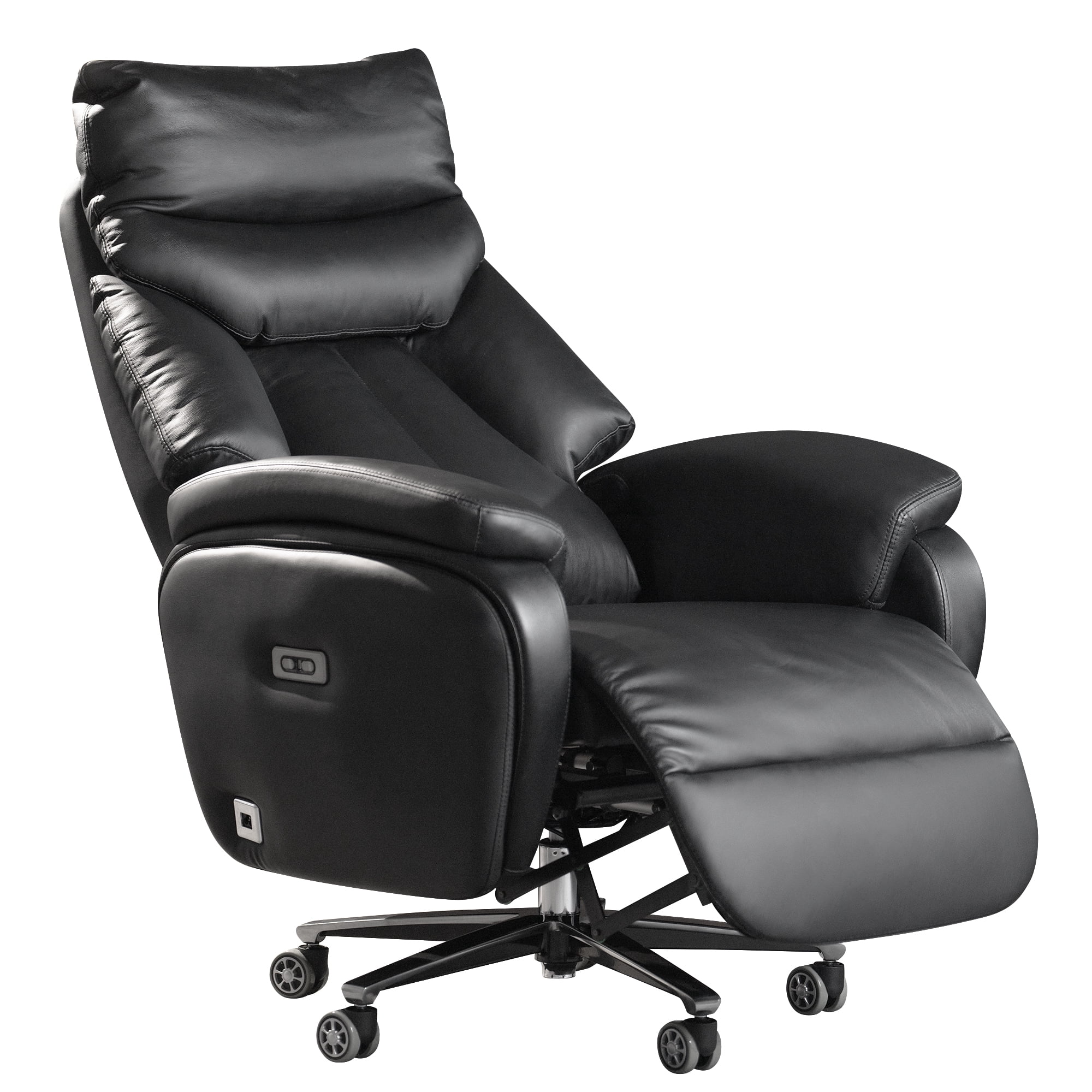
Imagine leaning back until you’re nearly horizontal — feet up, head supported — right in the middle of your workday. A fully reclining office chair transforms your desk into a multi‑purpose zone: command center, brainstorming pod, and relaxation station. Unlike traditional office chairs that only tilt 15‑20°, these chairs offer backrest angles of 135° up to 180° (flat). Some even include integrated footrests that extend as you recline.
For people who spend 8+ hours at a desk, the ability to change posture dramatically reduces spinal pressure. According to a 2023 ergonomics study, alternating between upright and reclined positions lowers disc compression by up to 30% and boosts mental alertness. Whether you’re a coder, a creative director, or a home‑office warrior, a reclining chair gives your body the break it craves without leaving the workspace.
Key Mechanisms: How “Fully Reclining” Works
Not all recliners are created equal. Here are the three main tilt systems you’ll encounter:
- Knee‑tilt mechanism: The seat tilts forward slightly as the back reclines, keeping your feet planted. Great for active sitting.
- Multi‑lock recline: You can lock the chair at any angle (e.g., 110°, 130°, 150°). Safety‑certified mechanisms prevent sudden flops.
- Synchro tilt with footrest: The back and seat move in a 2:1 or 3:1 ratio, and a hidden footrest slides out. This is the closest to a zero‑gravity feel.
Many premium models combine these: a synchronized mechanism with infinite backrest adjustment and an extendable leg rest. When fully extended, your body weight is evenly distributed, mimicking the neutral posture astronauts use during launch — hence the term “zero gravity”.
Who Benefits Most from a Lay‑Flat Office Chair?
- Remote workers with limited space: One chair serves as desk chair and nap chair — no need for a separate sofa.
- People with chronic back pain: Reclining takes pressure off lumbar discs. The American Chiropractic Association suggests periodic reclining breaks for spine health.
- Creative professionals: Some of the best ideas come when you’re relaxed. A quick recline can reset your brain during brainstorming.
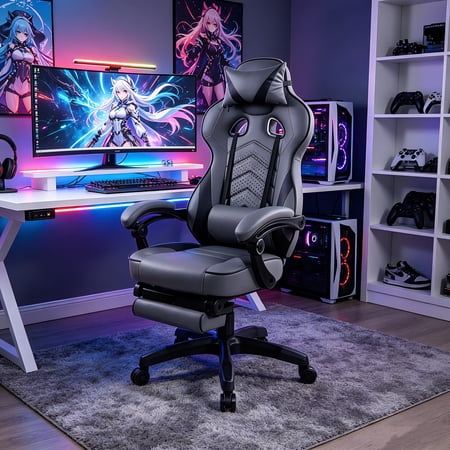
- Gamers and heavy computer users: Extended sessions demand posture changes. Reclining allows you to rest eyes and neck without leaving your setup.
Anatomy of a High‑Quality Fully Reclining Chair
To ensure safety and comfort, look for these components:
| Component | Why It Matters | What to Look For |
|---|---|---|
| Frame & Base | Reclining adds stress to the frame; a wobbly base is dangerous | Metal frame (steel or aluminum), 5‑star base with wide footprint, dual‑wheel casters for stability |
| Recline Mechanism | Determines smoothness and lock reliability | Class‑4 gas lift, infinite position locking, tilt tension adjustment |
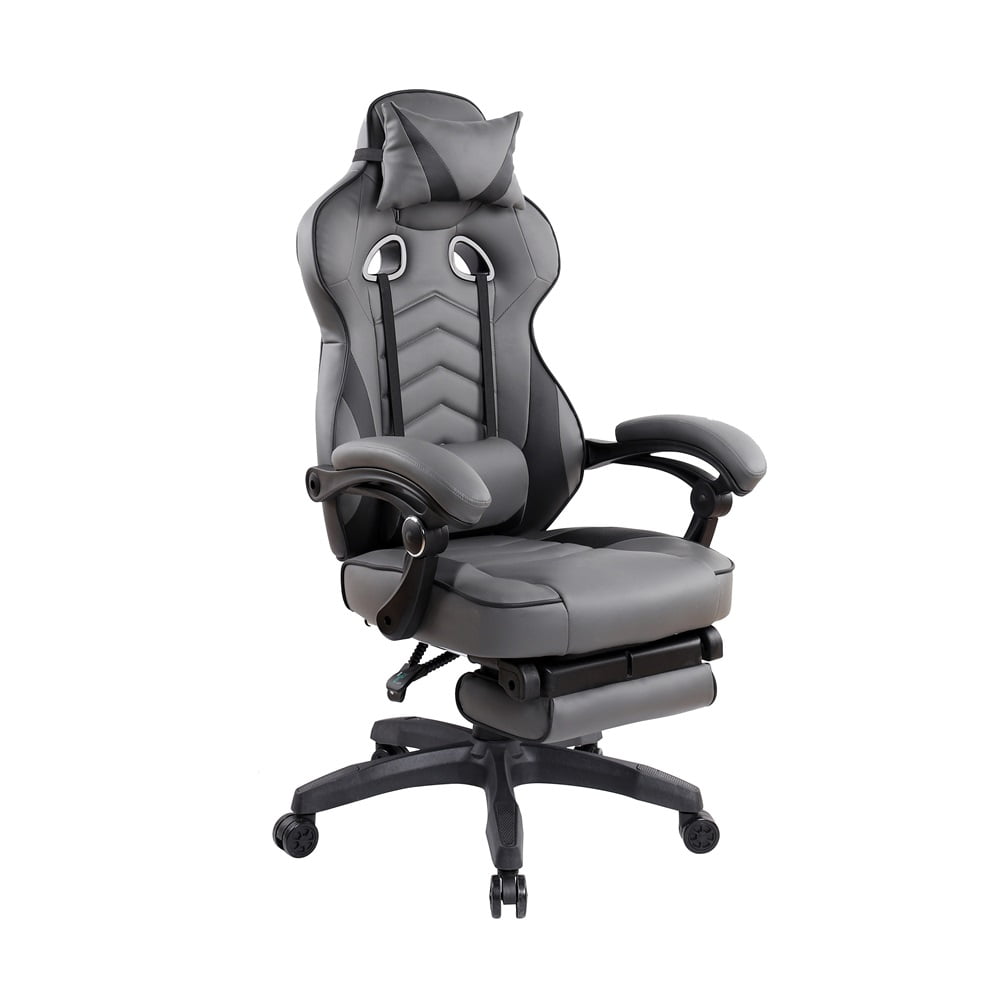
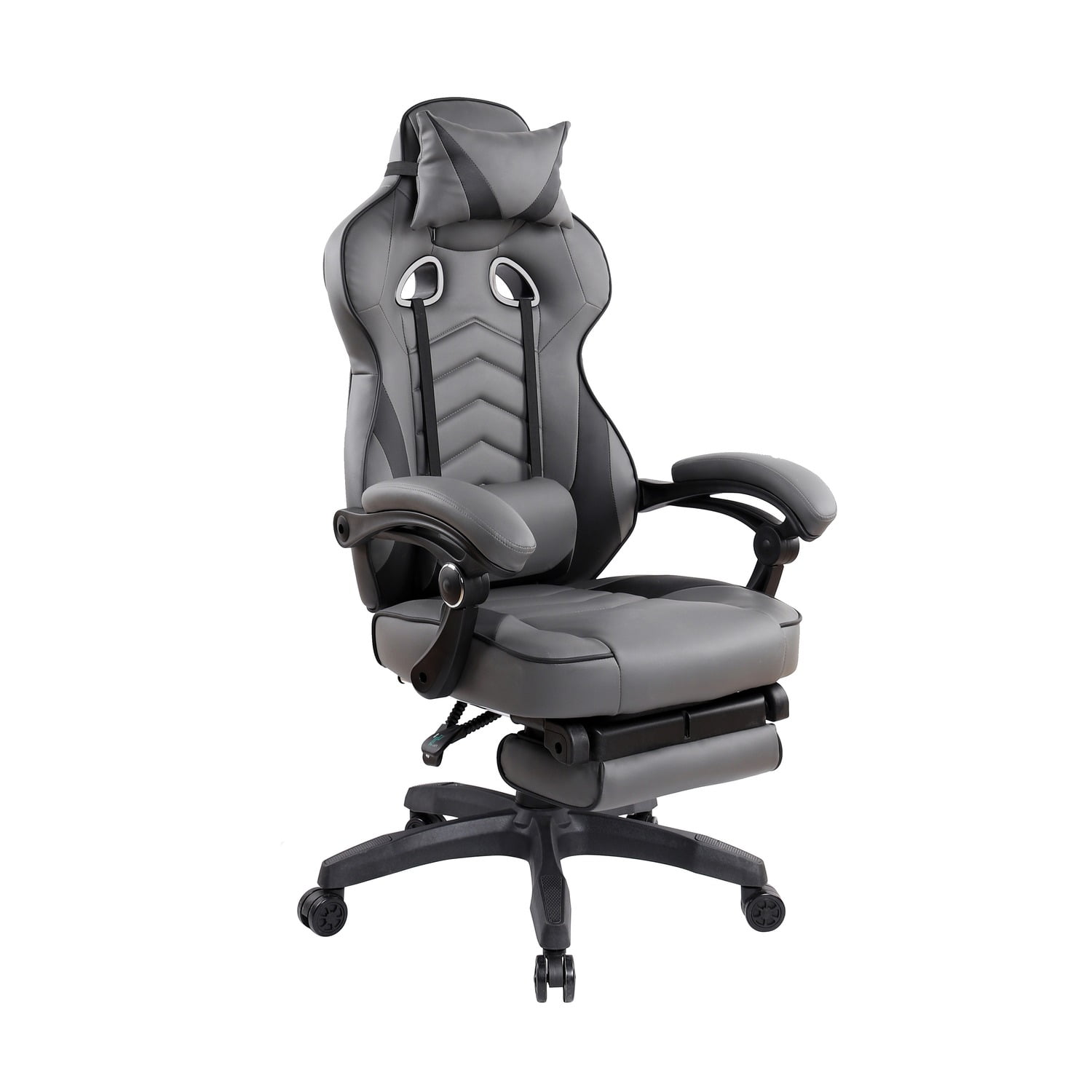
| Footrest | Must support legs without pressure points | Padded, extends at least 15”, retracts quietly, flips under seat when not used |
| Headrest | Critical in reclined position to support neck | Adjustable height and angle, memory foam or contoured padding |
| Upholstery | Comfort, breathability, durability during sliding | Top‑grain leather (luxury), high‑quality PU/vinyl (easy clean), breathable mesh (cooling) |
Ergonomics vs. Recline: Finding the Balance
A common misconception: “reclining chairs can’t be ergonomic upright.” In reality, the best fully reclining office chairs offer independent adjustments. When sitting upright, you need:
- Adjustable lumbar support (height + depth) to maintain the S‑curve of your spine.
- Seat depth slider so your thighs are supported without pressure behind knees.
- 4D armrests that move with you as you recline.
Test the chair at your desk: your elbows should form 90°, and your eyes level with the top of monitor. The recline feature should be a bonus, not a compromise.
Materials & Durability for Reclining Use
Because you’ll be sliding and shifting, material choice directly affects longevity:
- Leather / PU: Wipes clean, but can crack if not conditioned. Look for “breathable perforations” on back.
- Fabric (polyester/wool blend): Soft, less slippery, but may stain. Choose tightly woven, stain‑resistant grades.
- Mesh: Ideal for backrest — stretches slightly and breathes. However, mesh alone on seat might not be plush enough; hybrids with foam are better.
Pro tip: If you work in a warm climate, opt for a mesh back + fabric or leather seat. The combination keeps you cool where it matters.
Space Planning for a Fully Reclining Chair
Measure twice, buy once. When fully reclined, most chairs need 160‑180 cm of clearance behind them. For example, a typical chair length is 70 cm upright, but extends to 160 cm when flat. If your room is tight, consider “wall‑hugger” designs: as you recline, the seat slides forward, so the backrest stays closer to the wall. Always check the product specs for “minimum wall distance required.”
Health Benefits Beyond Comfort
Studies show that alternating postures throughout the day reduces the risk of musculoskeletal disorders. A fully reclining chair encourages micro‑breaks: tilt back for 5 minutes every hour to decompress your spine. Some chairs even allow a quick power‑nap position (160‑180°) which can boost cognitive performance — a NASA study found that a 26‑minute nap improved alertness by 54%.
Frequently Asked Questions – Fully Reclining Office Chairs
Conclusion & Final Recommendations
A fully reclining office chair is an investment in your daily well‑being and productivity. Whether you need a quick power nap between meetings, a comfortable position for deep thinking, or simply want to reduce spinal fatigue, these chairs deliver versatility that standard task chairs can’t match.
Quick recommendation guide
Remember to test the recline action, check the warranty (at least 3 years on mechanism), and ensure the chair fits your body dimensions. With the right choice, you’ll wonder how you ever worked without one.