
Why the Way You Sit Matters: The Rise of Cross Legged Office Chairs
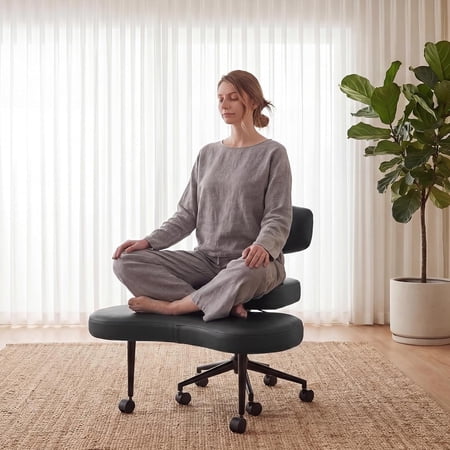
For decades, the "correct" way to sit at a desk has been feet flat on the floor, knees at 90 degrees. But human bodies are not one-size-fits-all machines. Many of us instinctively want to sit cross-legged — it feels natural, grounding, and comfortable. Until recently, office chairs made that impossible, with narrow seats and hard edges that cut off circulation. Enter the cross legged office chair: a new category of seating designed to honor how you actually want to sit.
Did you know? A survey by办公健康 (Office Wellness Institute) found that 68% of desk workers occasionally sit with one leg tucked under them, and 23% would sit fully cross-legged if their chair allowed it. The demand for flexible seating is real.
Anatomy of a Cross Legged Chair: What Sets It Apart
Unlike traditional executive chairs that prioritize a "power" look, cross legged chairs prioritize freedom of movement. Here’s what makes them different:
1. The Seat: Wide, Deep, and Unrestrictive
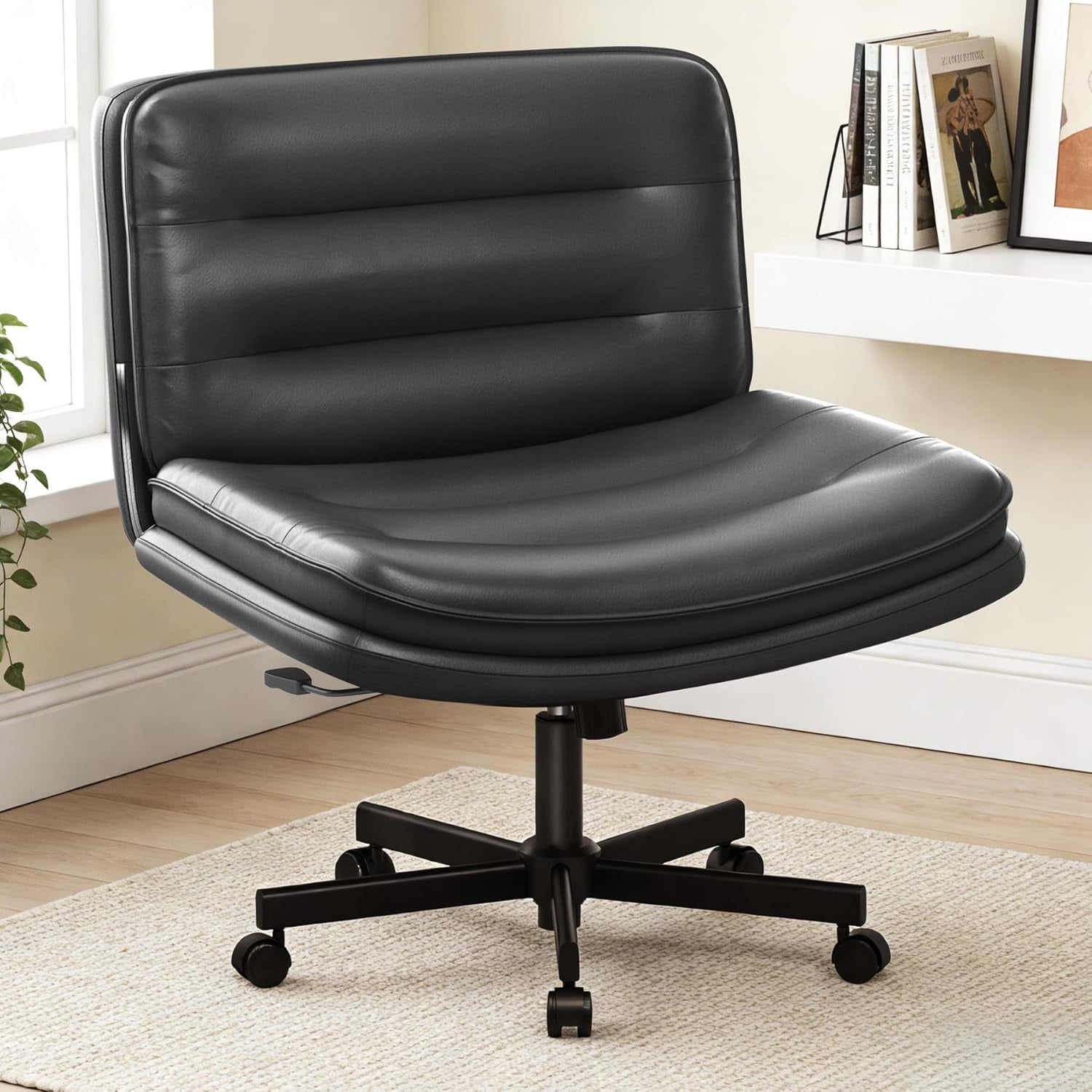
The most critical feature is the seat pan. Standard chairs are typically 19-20 inches wide with contoured edges that dig into your thighs when you cross your legs. A proper cross legged chair offers:
- Width of at least 24 inches — enough space for both knees to rest comfortably without hanging over the edge.
- Flat or minimally contoured cushion — no "waterfall" edge that pushes against your calves. The foam is often softer to accommodate different leg positions.
- Breathable materials — since you'll be changing positions, fabrics like linen, mesh, or high-quality cloth prevent overheating.
2. Armrests: Removable or Adjustable
Fixed armrests are the enemy of cross-legged sitting. They block your knees from sliding to the side. Look for chairs with:
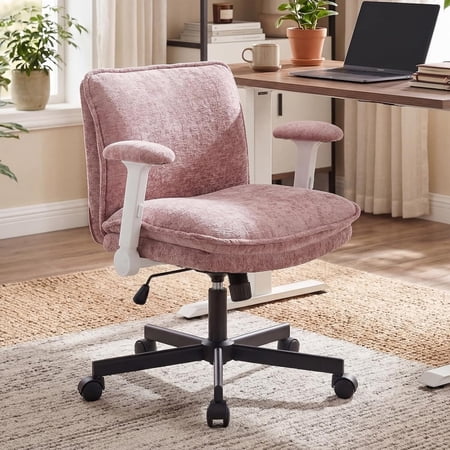
- Flip-up armrests — they can be raised out of the way when you want to sit criss-cross, and lowered for traditional arm support.
- Width-adjustable arms — you can push them outward to create more space.
- No armrests at all — some users prefer armless designs for maximum freedom.
3. Ottomans and Footrests: The Extended Support
When you sit cross-legged, your knees are higher than your hips. A footrest or ottoman becomes essential to support your legs and prevent them from dangling. Many cross legged chairs come with:
- Attached ottomans that slide out from under the seat (like a recliner).
- Separate matching ottomans for a flexible setup.
- Adjustable footrest rings — common in drafting chairs, but adapted for cross-legged use.
| Feature | Standard Office Chair | Cross Legged Office Chair |
|---|---|---|
| Seat Width | 19-20 inches | 24-30 inches |
| Seat Edge | Contoured (waterfall) | Flat or softly padded |
| Armrests | Fixed or height-adjustable | Flip-up, removable, or none |
| Leg Support | Floor only | Ottoman / wide footrest often included |
| Typical User | Traditional posture | Flexible sitters, yogis, remote workers |
4. Backrest Design: Support Without Restriction
Some worry that a wide seat means less back support. But manufacturers have innovated:
- Wider backrests that match the seat width, so your upper body is still supported even when you sit asymmetrically.
- Adjustable lumbar that moves with you, not against you.
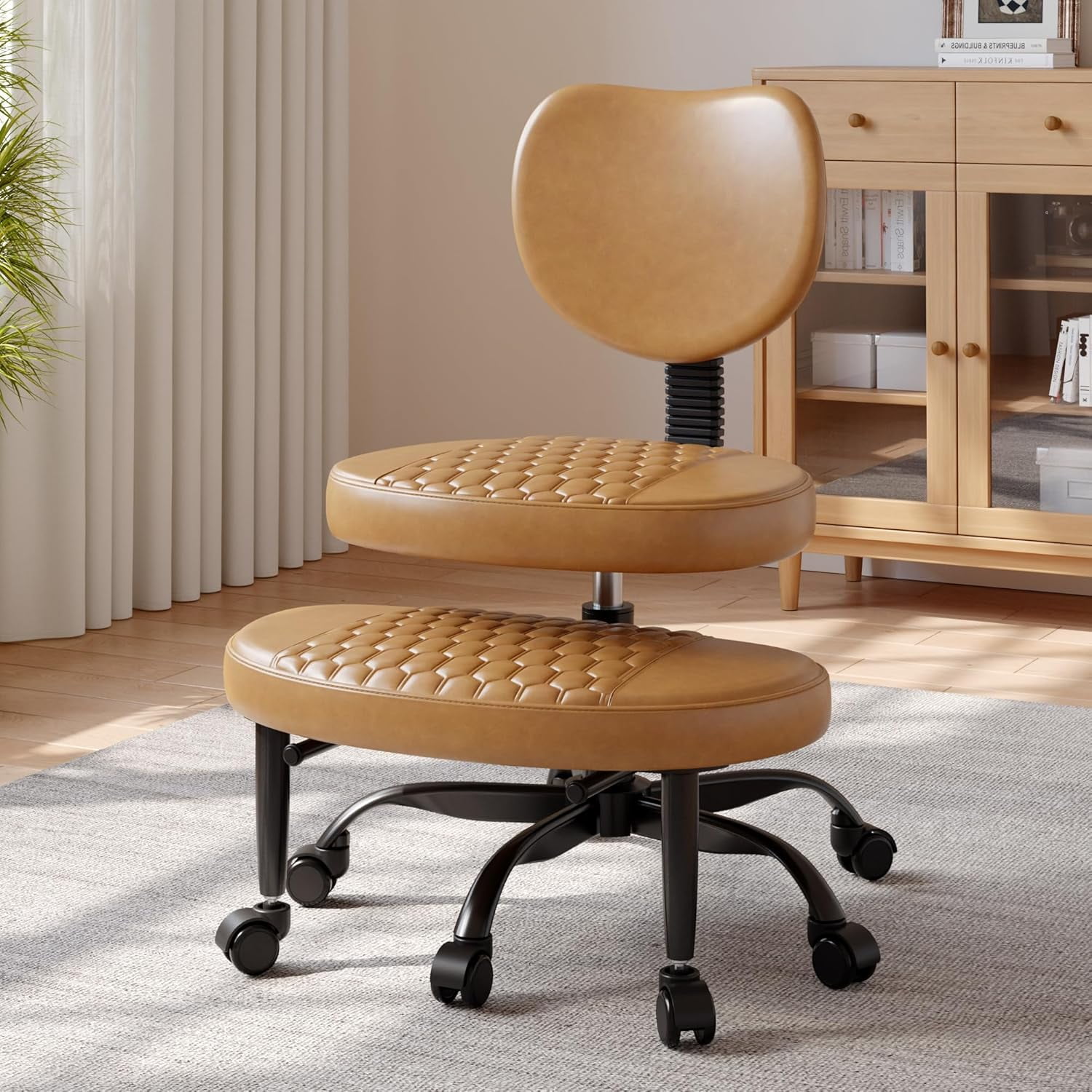
- Lower back focus — some chairs have a shorter back to allow more freedom for shoulder movement.
5. Base and Mobility
A cross legged chair often has a sturdy five-star base, but with:
- Softer casters suitable for carpets or mats, because you'll be shifting weight frequently.
- Gas lift to adjust height when you switch between cross-legged and regular sitting.
Is a Cross Legged Chair Healthy? Understanding the Ergonomics
You might have heard that sitting cross-legged is bad for your posture. Like most things, it depends on how you do it. Here’s the balanced view:
✅ Hip Mobility
Sitting cross-legged gently stretches hip rotators and can improve flexibility over time, counteracting the effects of sitting in a fixed 90-degree position.
✅ Active Sitting
Changing positions frequently (from cross-legged to legs down) engages core muscles and promotes micro-movements, reducing stiffness.
⚠️ Knee Caution
If you have existing knee issues, sitting with legs crossed for hours might put pressure on the meniscus. Use a thick cushion and alternate positions.
✅ Spinal Alignment
A good cross legged chair with lumbar support maintains the spine's natural curve even when hips are rotated. Look for chairs with adjustable back support.
Pro Tip: Use the "90-90-90 rule" as a baseline: when sitting traditionally, hips, knees, and ankles should be at 90 degrees. When sitting cross-legged, aim to keep your spine straight and shoulders relaxed. A chair with a supportive backrest helps maintain that alignment.
What the Research Says
According to a 2022 study in the Journal of Bodywork and Movement Therapies, participants who alternated between traditional sitting and cross-legged sitting reported 30% less lower back discomfort after an 8-hour workday compared to those who stayed in one position. The key is variety. A cross legged chair enables that variety safely.
Who Should Consider a Cross Legged Office Chair?
While anyone can enjoy the freedom, these chairs are particularly popular among:
- Remote workers and freelancers — they often work from sofas or beds anyway, so a cross legged chair offers a healthier middle ground.
- Creative professionals — writers, designers, and artists who value fluid movement while thinking.
- People with ADHD — the ability to shift positions frequently can aid focus and reduce restlessness.
- Yoga practitioners — those accustomed to sitting on the floor want a similar feel at their desk.
- Petite individuals — who often find standard chairs too deep, making cross-legged a comfortable alternative.
- Anyone with hip tightness — sitting cross-legged gently stretches the hips throughout the day.
How to Choose Your Perfect Cross Legged Office Chair: A Step-by-Step Guide
Step 1: Measure Your Space and Body
- Desk height: Ensure the chair's seat height range works with your desk when sitting both cross-legged and traditionally.
- Hip width: Sit on a flat surface and measure across your widest point when sitting comfortably. Add 4-6 inches for the chair seat width.
- Room dimensions: A wider chair needs more floor space. Measure your available width.
Step 2: Decide on Armrest Style
- Flip-up arms: Most versatile — up for cross-legged, down for typing support.
- No arms: Maximum freedom, but you'll need good desk support for elbows.
- Wide-set fixed arms: Only if you're sure you won't need to cross your legs wide.
Step 3: Choose Your Material
Fabric / Linen
Breathable, soft, and often more affordable. Ideal for cooler climates. Look for stain-resistant treatments.
Mesh
Excellent airflow — great if you run warm. Modern look, but may not be as cozy for lounging.
Velvet / Plush
Luxurious feel, very comfortable for long sitting. May require more cleaning.
Leather / Faux Leather
Easy to clean, but can be sticky in summer. Often heavier and more formal.
Step 4: Evaluate the Ottoman/Footrest
- Attached ottoman: Convenient, but may limit leg extension options.
- Separate ottoman: More flexible; you can move it away when not needed.
- No ottoman: You can use a floor cushion or small stool as a DIY solution.
Step 5: Test the Cushion Firmness
Memory foam offers contouring; high-density foam offers support. Ideally, choose a chair with a medium-firm seat that won't bottom out under your sit bones when you're cross-legged.
Frequently Asked Questions About Cross Legged Office Chairs
Final Verdict: Is a Cross Legged Office Chair Right for You?
If you've ever found yourself sitting on your foot, curling a leg under your thigh, or wishing your chair was just a little wider, then a cross legged office chair is worth serious consideration. It's not just a trend — it's a recognition that bodies like to move. By choosing a chair with a spacious seat, supportive back, and optional footrest, you invest in your comfort and long-term joint health. Remember to alternate positions, stand up regularly, and listen to your body. The best chair is the one that lets you work without pain — and if that means sitting criss-cross applesauce at your desk, go for it.