
Why the Standard Office Chair Remains a Workplace Essential
Think of the standard office chair as the "blue jeans" of the office world—reliable, comfortable, and appropriate for almost any situation. It doesn't scream for attention with flashy headrests or polished wood, but it quietly supports millions of people through their workdays. In fact, according to the Bureau of Labor Statistics, over 60% of the American workforce uses some form of task chair for at least 4 hours a day. The standard chair is the foundation of this statistic.
Unlike specialized executive chairs that emphasize status or gaming chairs that prioritize aggressive lumbar bolsters, the standard office chair focuses on one thing: dependable, ergonomic support for the widest range of users. It’s the chair you’ll find in bustling call centers, quiet home offices, and corporate cubicles. It’s the unsung hero of productivity. In this guide, we’ll strip away the jargon and help you understand what makes a standard chair great, how to pick one for your body type, and why it might be the smartest investment for your daily workflow.
The Anatomy of a Quality Standard Office Chair
A standard chair may look simple, but its components are carefully engineered. Understanding these parts will help you spot a durable model from a flimsy one. Here’s a breakdown using a handy analogy: if a standard chair were a car, these are its essential systems.
1. The Base and Casters: Your Suspension and Wheels
- Base material: Look for a nylon or reinforced plastic base. It’s lightweight, won’t rust, and is surprisingly strong. Metal bases are heavier but add a premium feel.
- Caster type: Standard chairs usually come with universal casters. For hard floors, you want soft rubber casters that won’t scratch. For carpet, harder nylon casters roll easier. Many standard chairs now include "dual-wheel" casters for better weight distribution.
- Gas lift (the cylinder): This is the piston that lets you adjust height. A quality gas lift should be certified by BIFMA or TÜV, ensuring it won't fail under load. A good range is about 4 to 6 inches of lift.
2. The Seat Pan: Your Foundation
The seat is where you spend most of your time. A common mistake is thinking "thicker padding is better." In reality, high-density foam that's 2-3 inches thick provides better long-term support than thick, low-density foam that compresses after six months.
- Waterfall edge: A slight downward curve at the front of the seat relieves pressure on your thighs, promoting better blood circulation. This is a hallmark of a well-designed standard chair.
- Seat width and depth: Most standard chairs offer a seat width of 19-22 inches. Depth (from back to front) should leave 2-4 fingers of space between the back of your knee and the seat edge.
3. The Backrest and Lumbar Support: Your Spine's Ally
The backrest on a standard chair is typically mid-back height. Don't underestimate its importance. A contoured backrest that follows the natural S-curve of your spine is critical. Some standard chairs include a simple adjustable lumbar knob or a lever that changes the tension of the lumbar area. Even a fixed lumbar support that’s well-placed can work wonders for preventing slouching.
4. Armrests: Often Overlooked, Often Essential
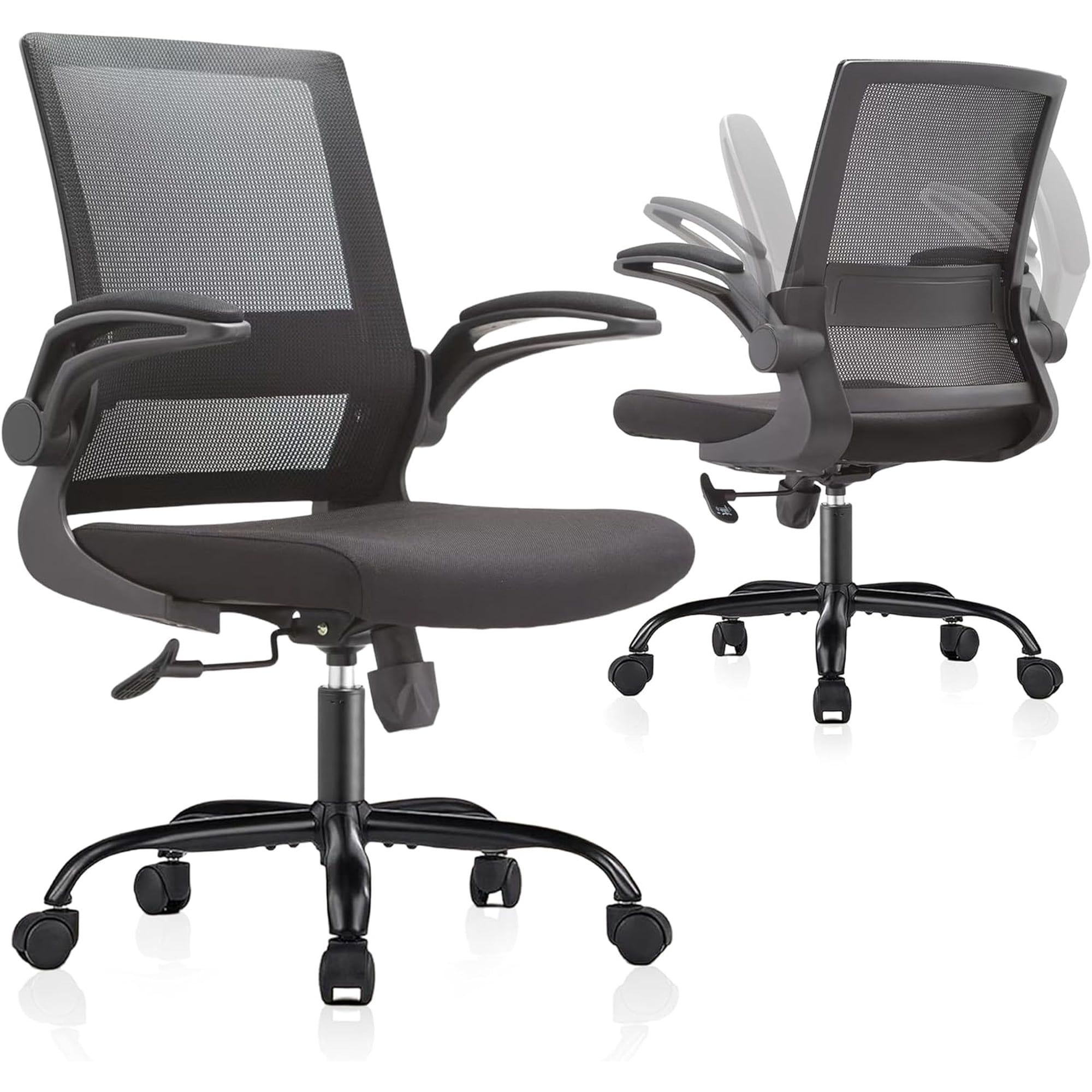
Standard chairs commonly come with fixed or height-adjustable armrests. The ideal scenario is height-adjustable armrests that allow you to keep your elbows at a 90-degree angle with relaxed shoulders. If armrests are fixed, ensure they are low enough to slide under your desk.
Choosing the Right Standard Chair for Your Body Type
One size does not fit all. Here’s how to filter options based on your physical characteristics.
For Petite Frames (under 5'4")
- Prioritize: Chairs with a shorter seat depth (under 19 inches) and lower minimum seat height (under 18 inches).
- Watch out for: High backs that push your head forward. A mid-back is often perfect.
- Why: You need to ensure your feet rest flat on the floor and the seat edge doesn't press into your calves.
For Average Build (5'5" - 5'11")
- Prioritize: Adjustable lumbar support and seat depth. This is your sweet spot.
- Watch out for: Chairs with only fixed lumbar—it might hit you in the wrong spot.
- Why: You have the most options. Focus on chairs with at least height-adjustable arms and tilt tension.
For Tall Users (6'0" and above)
- Prioritize: High-back or extra-tall backrests, and a seat depth of at least 20 inches.
- Watch out for: Chairs where the top of the backrest hits your mid-back, offering no shoulder support.
- Why: You need support for your entire thoracic spine. A headrest is less critical in a standard chair, but shoulder blade support is key.
For Plus-Size Users (250-350 lbs)
- Prioritize: Look for "Big & Tall" rated standard chairs with wider seats (22"+) and reinforced mechanisms.
- Watch out for: Standard 250lb weight limits. Always check the manufacturer's spec.
- Why: A wider seat and stronger gas lift ensure safety and long-term durability.
Material Matters: Mesh vs. Fabric vs. Bonded Leather
Standard chairs commonly use three materials. Your choice impacts breathability and upkeep.
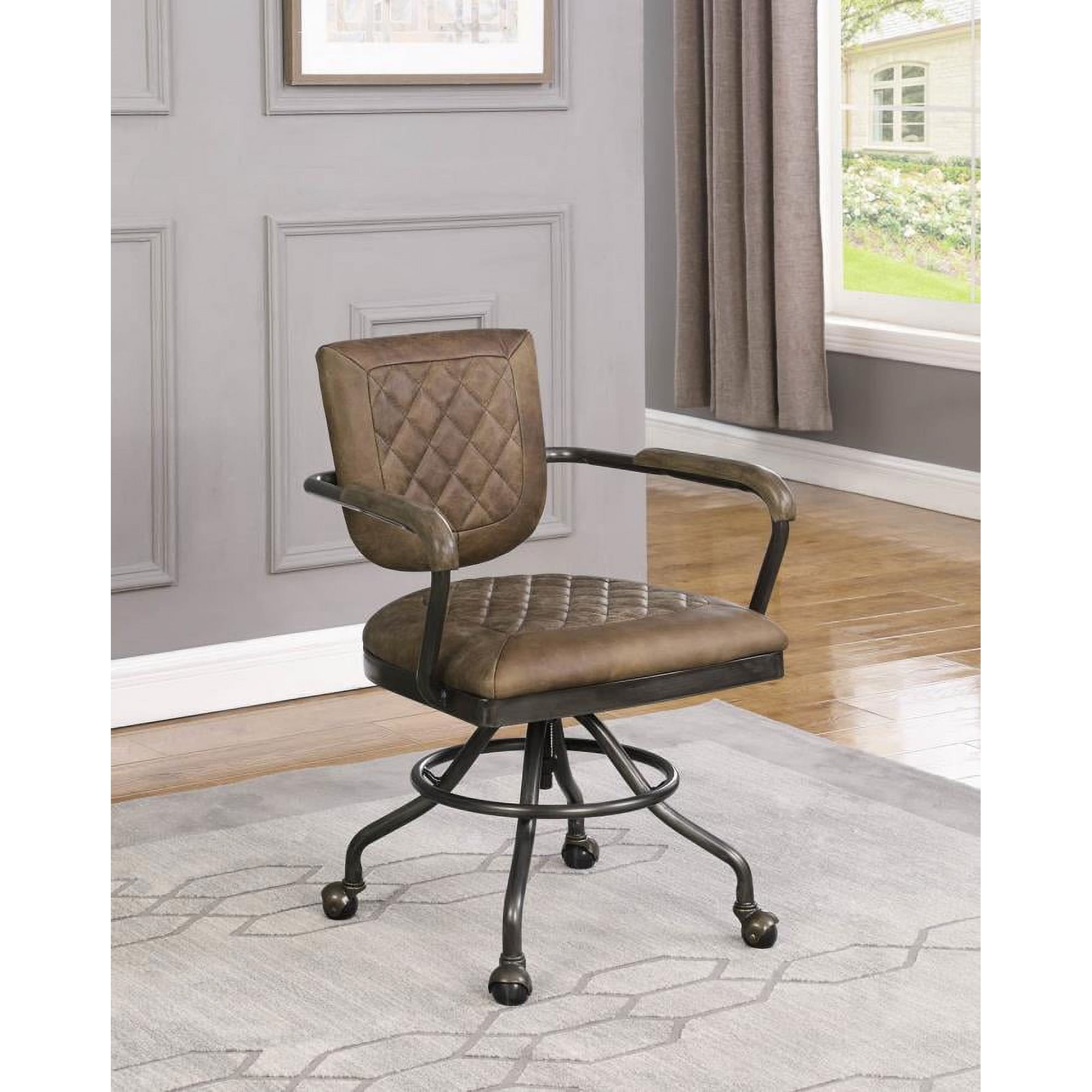
- Mesh back / fabric seat (hybrid): This is the modern standard. The mesh back keeps you cool, while the fabric seat offers cushioning. It’s a great compromise for all-day comfort.
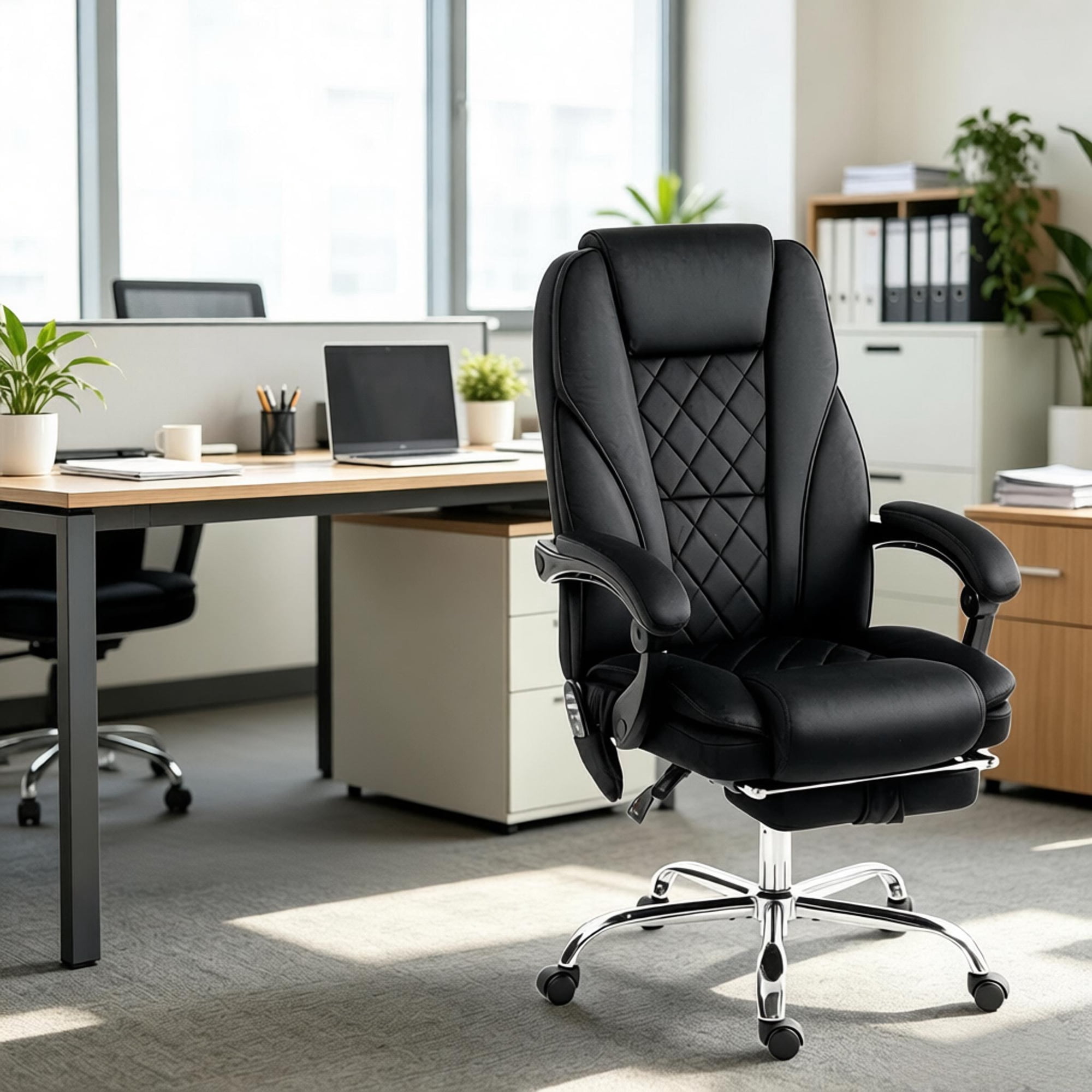
- Full fabric: Warmer and often plusher. Ideal for cooler climates or if you prefer a softer feel. High-quality fabric is durable and breathable but can stain if not treated.
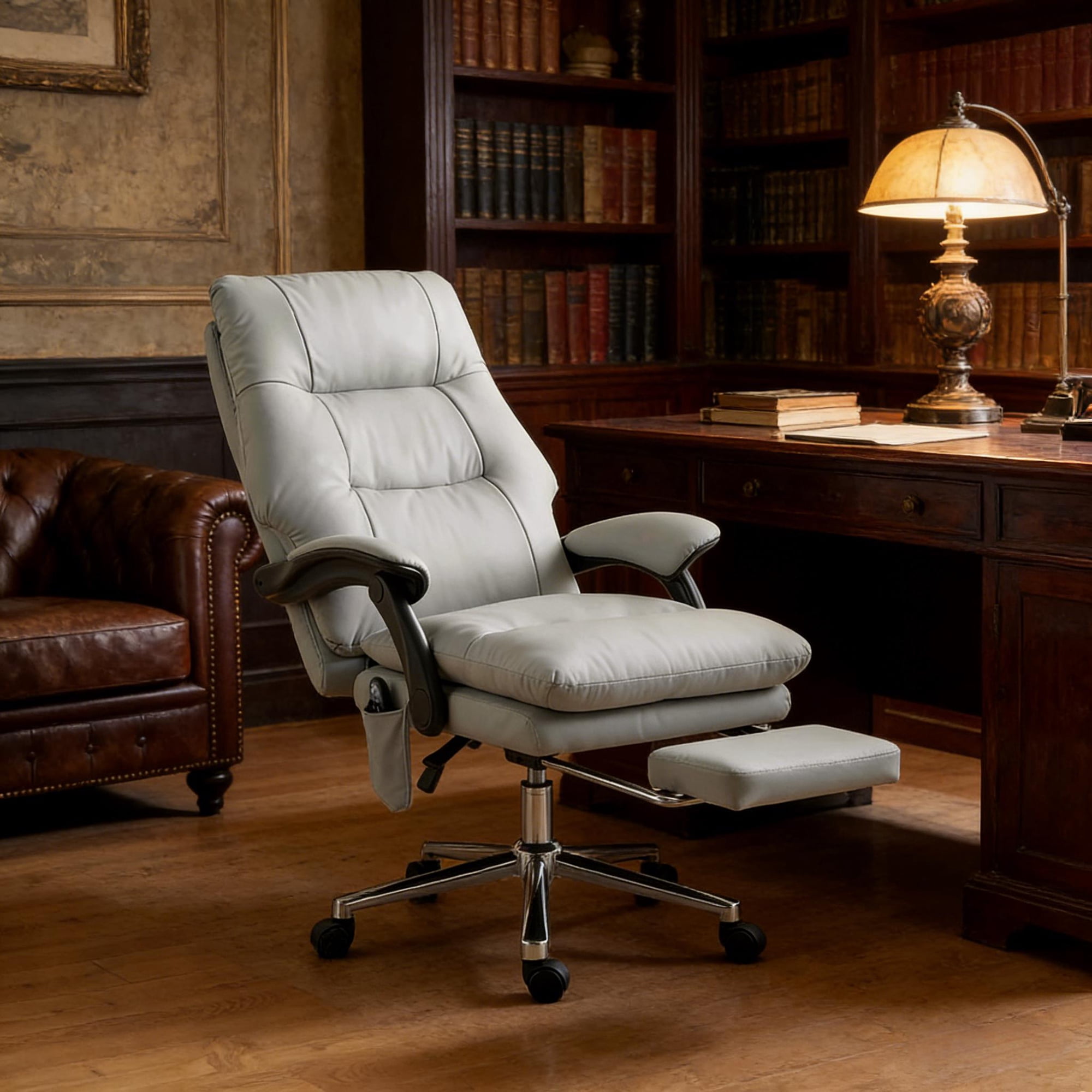
- Bonded leather: Common in budget "executive style" standard chairs. It looks like leather but can peel after 2-3 years. We generally recommend avoiding bonded leather if you want the chair to last.
The "Sweet Spot" Budget: What to Expect
You might see standard chairs for $80 and for $800. Here’s a simple guide to what your money buys:
- $80 – $150 (Entry-level): Basic function, gas lift may fail sooner, padding compresses within a year. OK for guest rooms or occasional use.
- $150 – $350 (Value King/Queen): This is where most people should shop. You get a reliable gas lift (BIFMA tested), decent foam, adjustable arms, and a 5-8 year lifespan.
- $350 – $600 (Premium Standard): Chairs like a fully loaded Steelcase Series 1 or a Haworth Lively. They offer commercial-grade durability and better ergonomics, often with 12-year warranties.
Data point: A Cornell University study found that providing employees with a quality task chair (what we call a standard chair) reduced musculoskeletal discomfort reports by up to 35% within three months, directly impacting productivity and sick days.
Frequently Asked Questions About Standard Office Chairs
Conclusion: The Foundation of Your Workday
The standard office chair is the silent partner in your daily achievements. It doesn't boast about its features, but it provides the stable, comfortable platform you need to focus on what matters. By understanding the key components—the base, seat, backrest, and materials—you can make an informed choice that serves you well for years.
Our advice? Don't overcomplicate it. Prioritize a chair with a breathable back, a comfortable seat that supports your thighs without pressure, and enough adjustments to fit your unique body. Whether you're crunching numbers, writing code, or leading virtual meetings, a quality standard chair is the foundation of a productive and healthy work life.