
Your Chair is Your Health Platform: Why Ergonomics Matter Now More Than Ever
We spend an average of 77,000 hours sitting at work over a lifetime. That’s a staggering statistic, isn’t it? Think of your office chair not just as a piece of furniture, but as the foundation of your daily well-being. A poor chair is like wearing shoes that don’t fit—you might not notice the damage immediately, but over weeks and months, it leads to discomfort, fatigue, and chronic issues.
This is where the ergonomic office chair steps in. Unlike static, one-size-fits-all seating, an ergonomic chair is a dynamic tool. It’s designed to adapt to you, not the other way around. According to the Occupational Safety and Health Administration (OSHA), musculoskeletal disorders (MSDs) account for nearly 30% of all worker compensation costs. Investing in a quality ergonomic chair is a proactive step to keep you healthy, focused, and productive. This guide will walk you through everything you need to know, from the science of sitting to the specific features that make a chair truly ergonomic.
The Anatomy of an Ergonomic Office Chair: Beyond "Comfortable"
Marketing often throws around the word "ergonomic," but what does it actually mean in terms of hardware? A truly ergonomic chair is a system of interconnected adjustments. Let's dissect the key components and why each one is vital.
1. The Lumbar Support System: Your Spine's Best Friend
This is the most critical feature. Your lumbar spine (lower back) has a natural inward curve. Sitting for long periods flattening this curve strains discs and muscles. A good ergonomic chair provides adjustable lumbar support—both in height and depth (how much it protrudes). Imagine a supportive hand pressing gently against the small of your back. That’s what proper lumbar support feels like. It maintains the spine's natural S-shape, preventing slouching and reducing disc pressure by up to 40% (source: Cornell University Ergonomics Web).
2. Seat Depth and Edge: The "Waterfall" Effect
Ever feel numbness or tingling in your legs after sitting? That’s often due to a seat pan that's too long, pressing against the back of your knees (the popliteal fossa). Ergonomic chairs feature a seat depth adjustment. When adjusted correctly, you should be able to fit 2-3 fingers between the edge of the seat and the back of your knee. The front edge should also have a "waterfall" design—a gentle downward slope that promotes healthy blood circulation to your lower legs.
4D Armrests
What it means: Armrests that move up/down, forward/back, left/right (pivot), and sometimes width-wise. This allows you to keep your elbows close to your body at a 90-degree angle, shoulders relaxed, preventing neck and shoulder tension.
Synchronized Recline
What it means: The backrest and seat tilt together at a ratio (often 2:1 or 3:1). As you lean back, the seat tilts slightly up, keeping you stable and your eyes at a consistent level with your monitor. This promotes dynamic sitting, which feeds oxygen to the brain.
The Myth of "Sitting Up Straight"
We were all told in school to "sit up straight." But static, rigid postures are actually fatiguing. The healthiest sitting is dynamic sitting—frequently changing your posture. An ergonomic chair facilitates this. A study in the Journal of Physical Therapy Science found that workers who used chairs with a dynamic recline mechanism reported 32% less perceived discomfort by the end of the day compared to those in fixed-posture chairs. The gentle movement pumps nutrients into spinal discs and keeps muscles engaged.
Your 5-Step Ergonomic Chair Adjustment Checklist
You can buy the most expensive chair, but if it's not adjusted to your body, it's useless. Follow this simple ritual every time you sit down.
- Seat Height: Adjust so your feet are flat on the floor, thighs parallel to the ground, and knees at a 90-degree angle (or slightly less).
- Seat Depth: Slide the seat pan until you have a 2-3 finger gap behind your knees.
- Lumbar Support: Position the lumbar curve so it fits snugly into the curve of your lower back.
- Armrests: Adjust so your shoulders are relaxed, and your elbows form a 90-degree angle while typing.
- Backrest Tension: Adjust the tilt tension so you can lean back without it feeling too stiff or too flimsy. You should be able to recline comfortably.
Material Science: Mesh vs. Foam in Ergonomic Seating
The debate between mesh and foam isn't just about preference; it's about thermodynamics and pressure distribution.
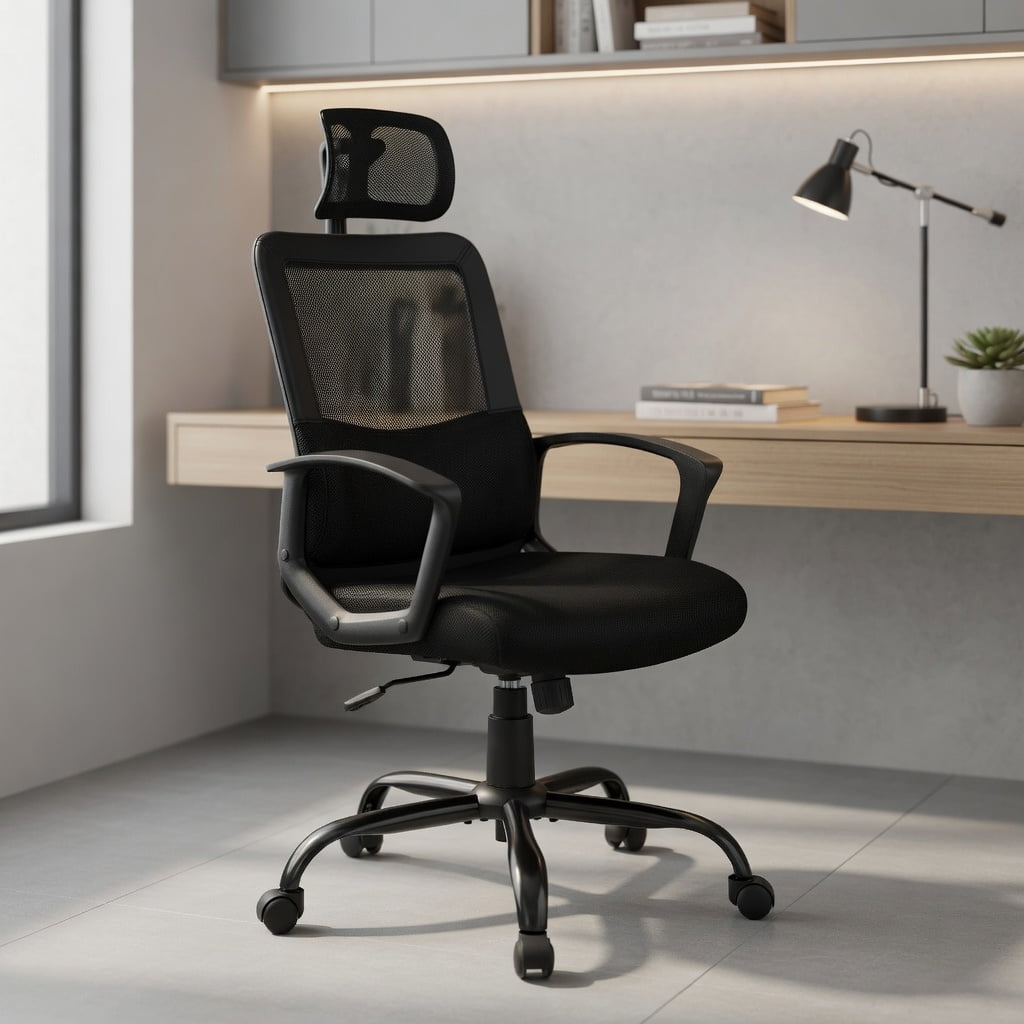
- High-Tensile Mesh: The gold standard for backrests in modern ergonomic chairs. It’s breathable, preventing the "sweaty back" syndrome. It also provides variable tension—firmer where you need support (like the lumbar) and softer in other areas. Look for mesh that is "non-sag" and has a slight bounce.
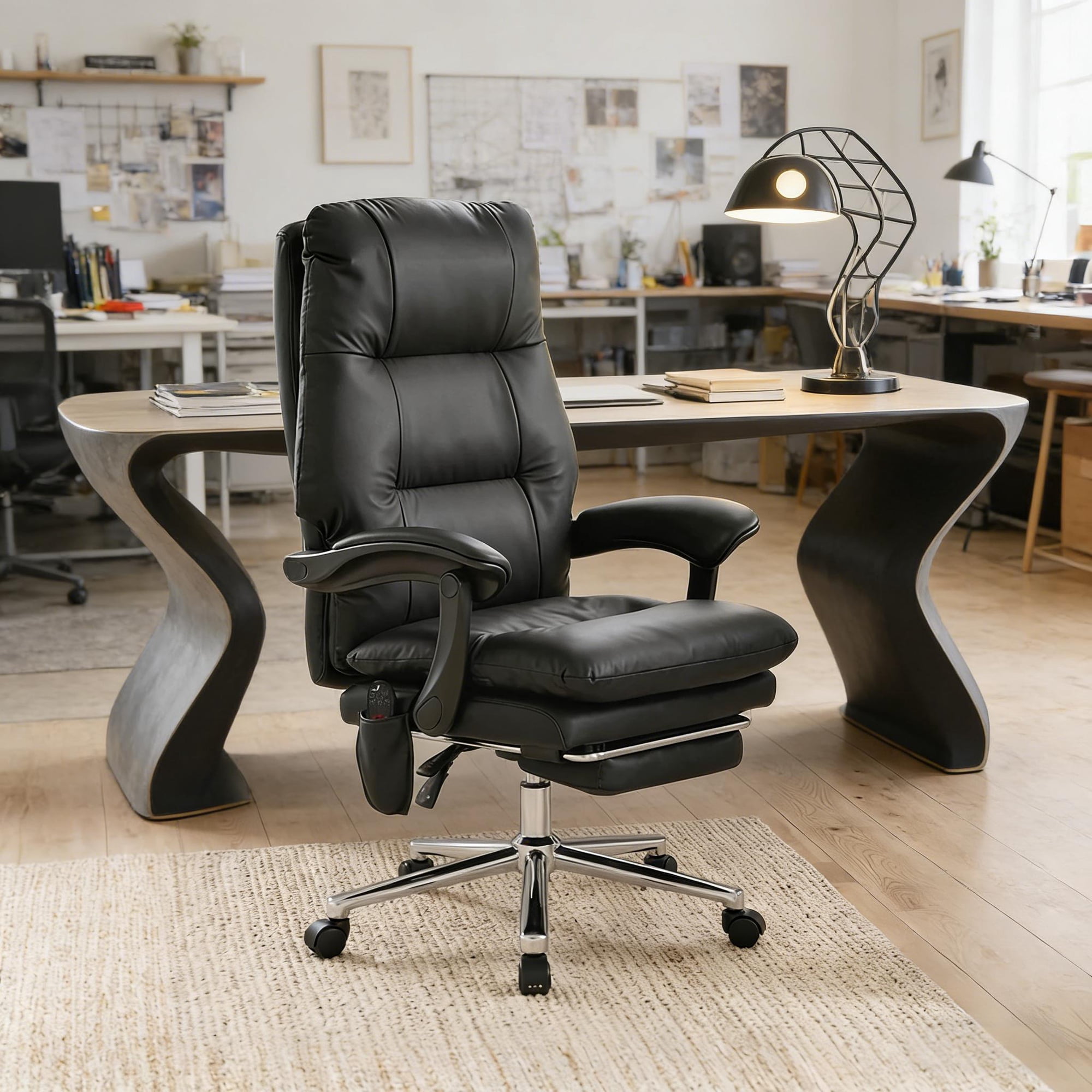
- Performance Foam: Used in seats for comfort. High-quality ergonomic chairs use cold-cure foam or memory foam that doesn't break down after a year. It should be dense enough to support your weight without "bottoming out" but soft enough to distribute pressure evenly, like a high-quality mattress.
Some of the best ergonomic chairs combine a mesh back with a foam seat, offering the best of both worlds: breathability for your back and plush comfort for your thighs.
Long-Term Value: The 10-Year Chair Concept
A cheap $100 chair might seem like a bargain, but its life expectancy is often 1-2 years. An ergonomic office chair from a reputable manufacturer (like those using TÜV-certified gas lifts and reinforced aluminum bases) is built to last 10-15 years. When you break down the cost: a $1,000 chair over 10 years is $100 per year, or about $0.27 per day. That's a tiny price to pay for daily comfort, injury prevention, and sustained productivity. Plus, the environmental impact of throwing away a chair every two years is significant.
Frequently Asked Questions About Ergonomic Office Chairs
Conclusion: Make the Ergonomic Investment Today
Choosing the right ergonomic office chair is one of the most important decisions you can make for your long-term health and career productivity. It's a decision that pays dividends in focus, energy, and physical well-being. Don't be fooled by marketing jargon; focus on the mechanics: adjustable lumbar support, seat depth, and armrests, a synchronized recline mechanism, and breathable, high-quality materials. Use the adjustment checklist we provided, and take the time to find the chair that feels like it was made for you. Your body—and your future self—will thank you.