
Why Bring a Ball into Your Office?
Imagine swapping your static, cushioned throne for something that moves with you—a seat that turns your desk into a subtle gym. That's the premise of a ball chair for office use. It’s not just a trendy alternative; it’s a tool that transforms sitting from a passive activity into an active one. For many, the traditional office chair leads to a slumped posture, a tightening in the lower back, and a feeling of mental fog by mid-afternoon. The ball chair offers a dynamic solution.
Think of your spine as a tower of blocks. In a standard chair, the muscles holding this tower up can relax, leading to slouching and instability. On a stability ball, your body is like a skilled engineer constantly making tiny adjustments to keep the tower balanced. This constant, gentle movement is the essence of "active sitting." It’s a concept that's gaining traction not just among fitness enthusiasts, but also among ergonomic experts and busy professionals looking for an edge in focus and physical wellness.
The Science of Active Sitting: More Than Just a Ball
The beauty of a ball chair for office lies in its simplicity. It harnesses the body's natural desire for movement. When you sit on an unstable surface, your core muscles—the deep muscles in your abdomen and back—engage continuously to keep you upright. This is vastly different from a traditional chair, which does all the stabilizing for you.
1. Core Engagement and Postural Strength
Using a ball chair is like having a low-intensity core workout throughout your day. According to a study published in the *Journal of Physical Therapy Science*, sitting on an exercise ball significantly increases the activation of the trunk muscles compared to sitting on a standard office chair. This constant engagement helps strengthen the muscles that support your spine. Over time, this can lead to a natural improvement in your posture, even when you're not on the ball.
- Dynamic Stability: Your body is in a state of gentle, constant motion, preventing stiffness.
- Spinal Health: Strengthens the deep core muscles that act as a natural corset for your lower back.
- Reduced Slouching: To maintain balance, you naturally sit more upright, keeping your shoulders back and spine aligned.
2. Beyond Posture: Focus and Calorie Burn
The benefits extend beyond just physical health. The subtle movements required to stay balanced can also have a positive impact on your concentration. It’s a principle similar to why some people pace while thinking on the phone; the gentle physical activity can help maintain alertness. Furthermore, while you won't be running a marathon, the increased muscle activity does burn more calories than passive sitting. Some estimates suggest you can burn an extra 50-100 calories per hour, which can add up over a workweek.
Did You Know? A study from the University at Buffalo found that using a stability ball as a chair can improve your focus and attention. The act of balancing requires a level of subconscious concentration that can help keep your mind from wandering.
3. A Word of Caution: It's a Tool, Not a Replacement
While the benefits are compelling, it's crucial to view a ball chair for office as one tool in your ergonomic toolkit. It is not a magic bullet. Jumping into an 8-hour session on your first day is a recipe for sore muscles and potential strain. Your body needs time to build the necessary strength. Think of it like this: you wouldn't run a marathon without training, so don't expect your core to handle a full workday immediately. The key is gradual integration.
How to Choose the Right Ball Chair for Your Office
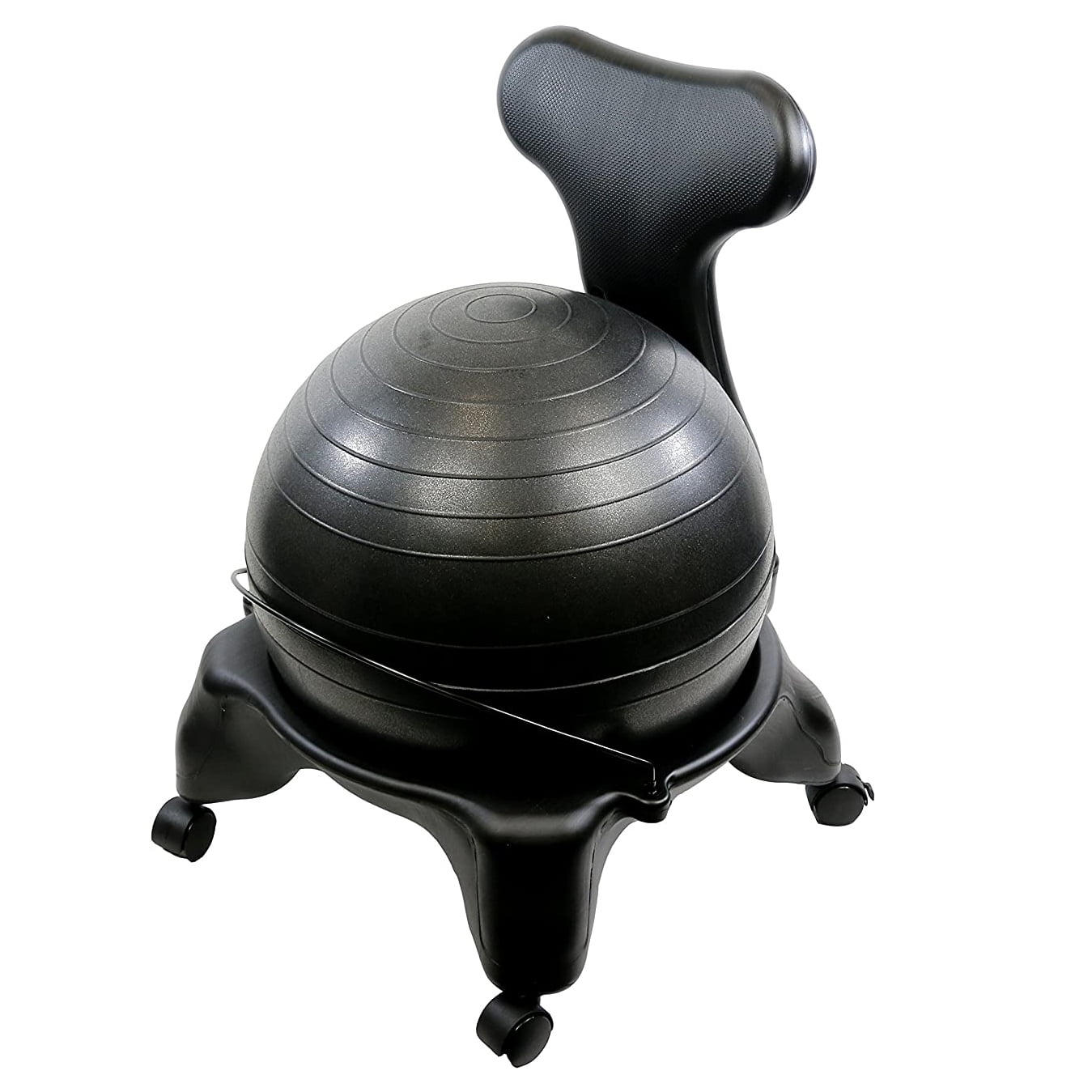
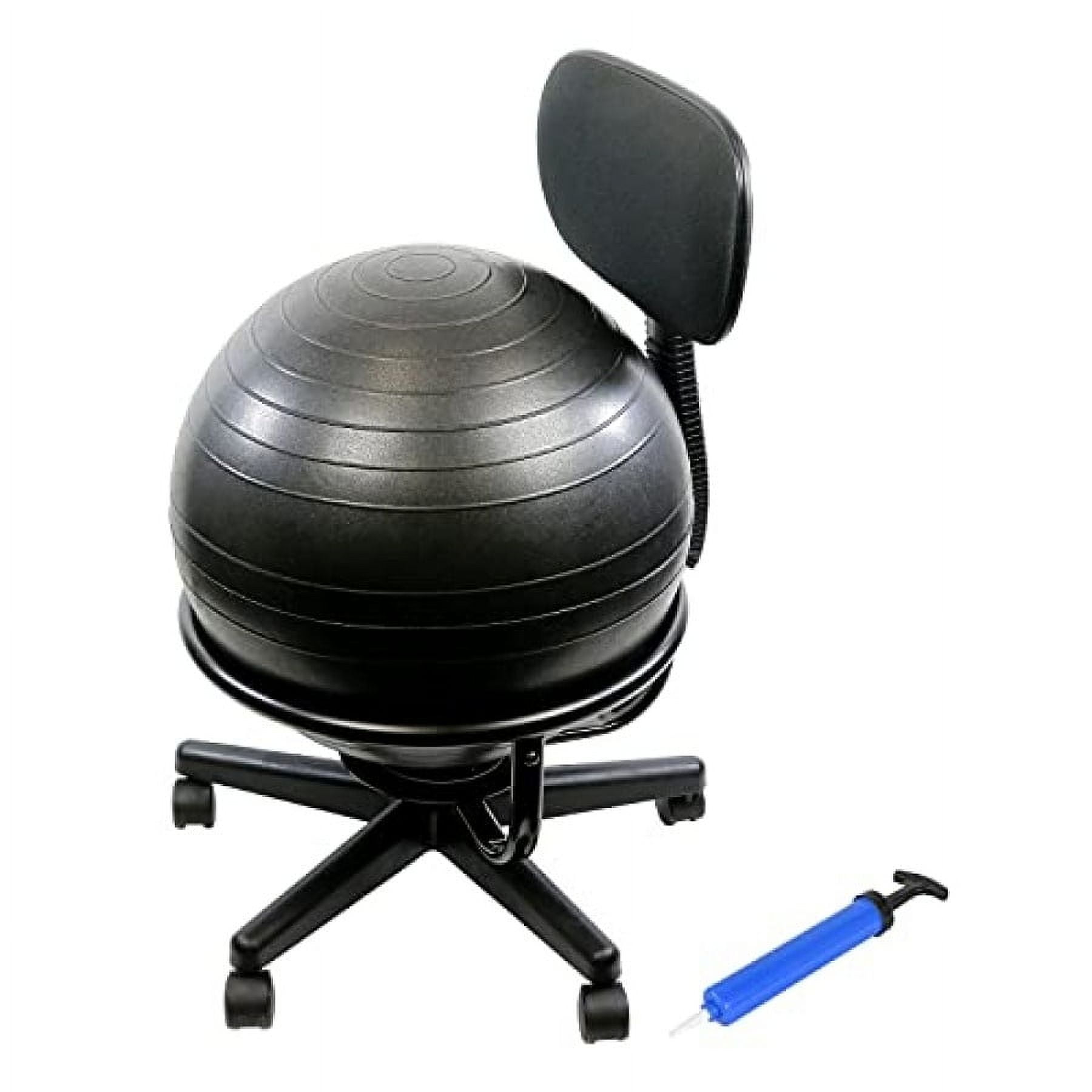
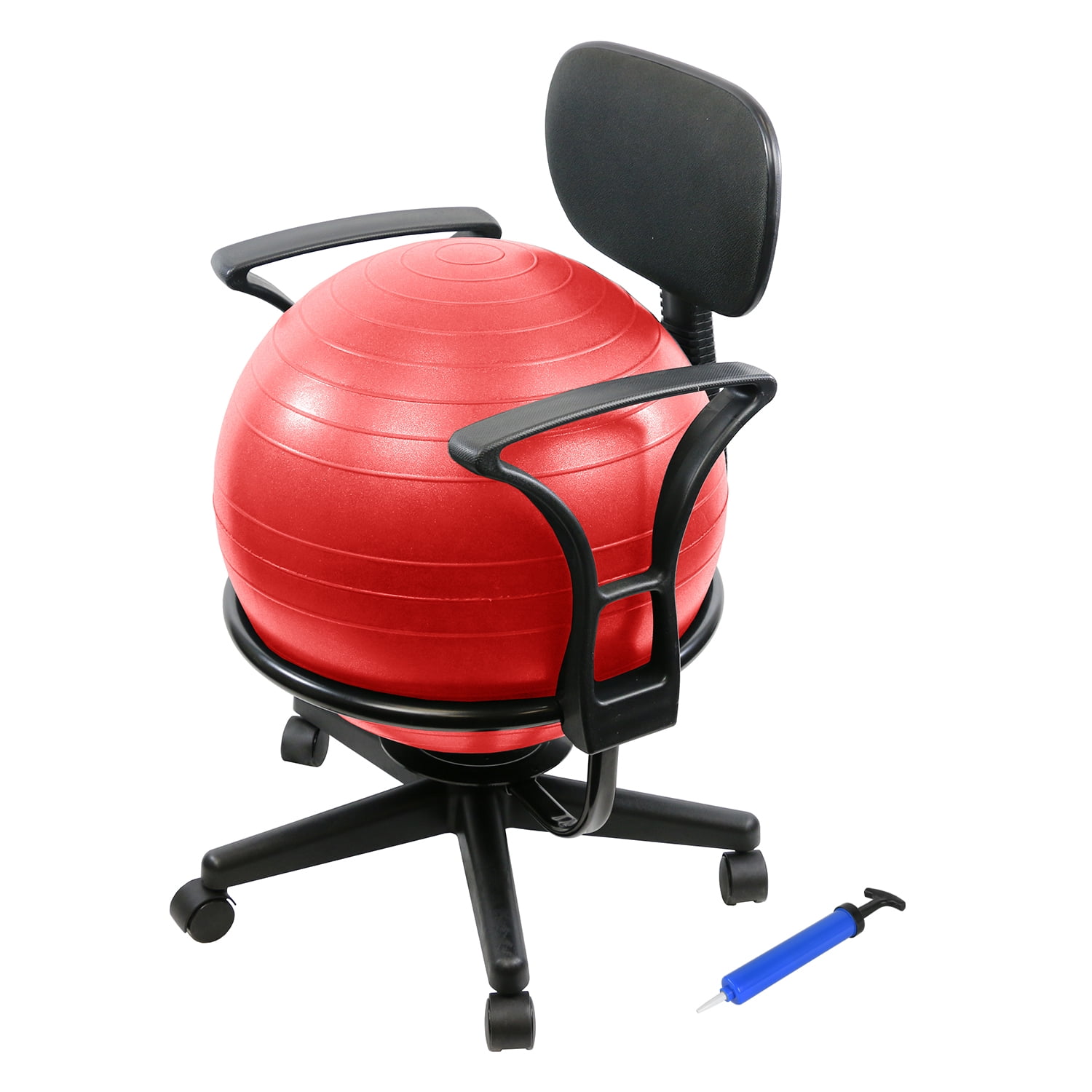
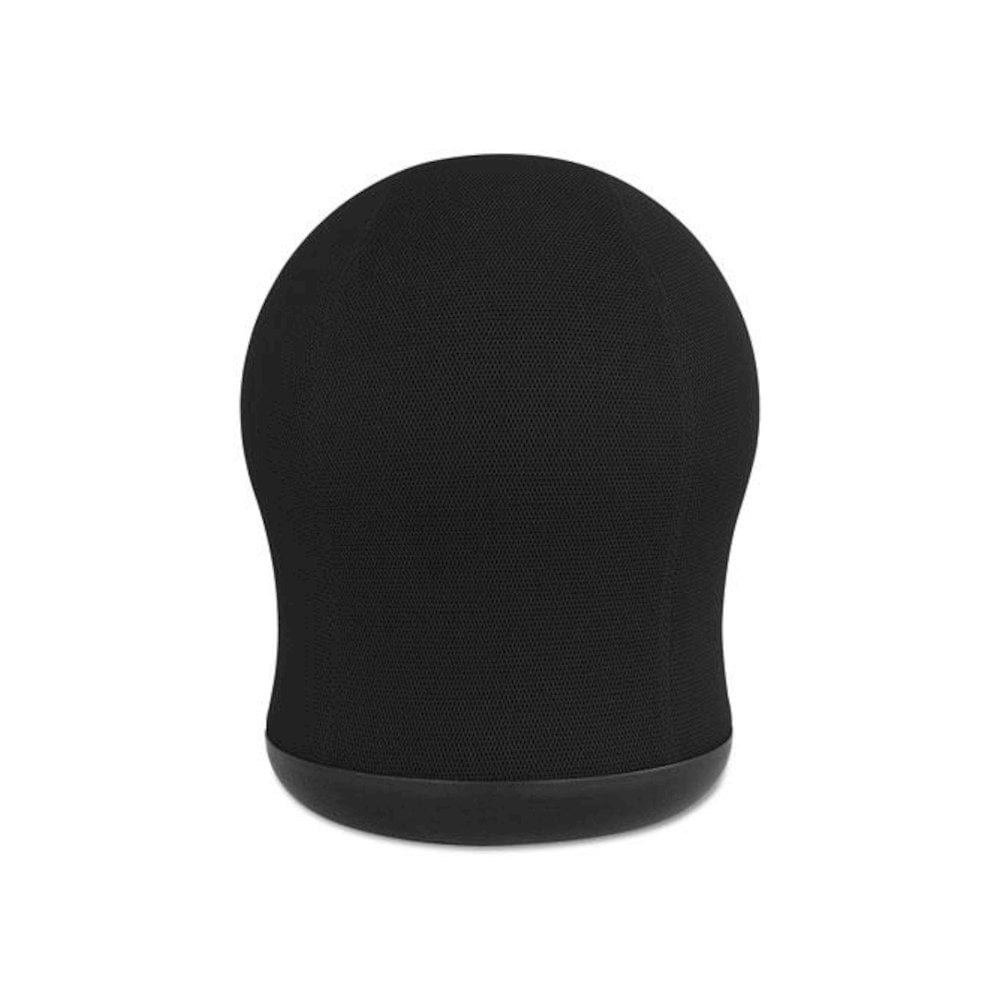
Navigating the world of ball chairs can be simple if you know what to look for. They generally fall into two categories: a stability ball placed in a supportive frame with wheels, or a simple ball with a stability base. Here’s a step-by-step guide to making the right choice.
- Determine the Right Ball Size: This is the most critical step. When you sit on the ball, your feet should rest flat on the floor with your knees at a 90-degree angle or slightly lower. Use your height as a guide:
- Under 5'4": 52-55 cm diameter ball
- 5'4" to 5'11": 65-68 cm diameter ball
- Over 6'0": 75 cm diameter ball
- Choose Your Style: Frame vs. No Frame:
- Framed Ball Chairs: These offer the best of both worlds. The ball sits inside a sturdy frame (often on casters), providing the active sitting experience with the mobility and familiar height of a standard office chair. They are generally the best choice for a full-time office setup.
- Ball with a Stability Base: This is a simpler, often more affordable option. The ball sits in a plastic ring that prevents it from rolling away. It’s great for short-term use but lacks back support and easy mobility.
- Check for Quality and Safety: Look for a chair with an "anti-burst" ball. This is a crucial safety feature. Anti-burst balls are designed to deflate slowly if punctured, rather than popping dramatically. For framed chairs, ensure the casters are smooth-rolling and the frame is sturdy and well-constructed.
- Consider Adjustability: Some high-end framed ball chairs offer adjustable height, just like a traditional office chair. This is a fantastic feature to ensure you get a perfect, ergonomic fit for your specific desk height.
Quick Comparison: Ball Chair Features
| Feature | Why It Matters | What to Look For |
|---|---|---|
| Ball Quality | Ensures safety and durability over time. | Anti-burst material, thick walls, weight capacity (often 300lbs+). |
| Frame & Base | Determines stability, mobility, and safety. | Sturdy, non-tip frame; smooth-rolling casters for carpet/hard floors. |
| Size | Directly impacts your posture and comfort. | Choose based on your height to ensure proper 90-degree angle at knees. |
| Portability | Ease of moving the chair around your workspace. | Lightweight design or built-in handles on the frame. |
Integrating a Ball Chair into Your Work Routine
Adopting a ball chair is a process. Here’s a simple plan to get started safely and effectively.
- Start Small: Begin by using the ball chair for 20-30 minutes at a time, a few times a day. Listen to your body. If your lower back or legs feel unusually tired, it's a sign to take a break.
- Alternate Chairs: The best strategy is to use a ball chair in conjunction with a high-quality ergonomic chair. For example, use the ball chair for an hour in the morning, switch to your regular chair, and then use the ball again in the afternoon. This provides variety and prevents overexertion.
- Maintain Good Posture: Even on a ball, it's possible to slouch. Consciously remind yourself to sit tall, with your shoulders relaxed and your ears aligned over your shoulders. Engage your core lightly—imagine pulling your belly button slightly towards your spine.
- Listen to Your Body: This is the golden rule. If you experience pain (beyond typical muscle fatigue from a new activity), stop and re-evaluate. The ball chair should feel like a gentle challenge, not a painful struggle.
Frequently Asked Questions About Ball Chairs for the Office
Conclusion: Is a Ball Chair Right for Your Workspace?
The ball chair for office is more than a passing fad; it's a legitimate ergonomic tool that challenges the conventional notion of sitting. By introducing controlled instability into your workday, you invite a host of potential benefits: a stronger core, improved posture, enhanced focus, and a break from the physical stagnation of a standard desk chair. It’s an investment in your body's long-term health and your daily vitality.
However, it’s not a one-size-fits-all solution. The key to success lies in choosing the right chair for your body, starting slowly, and listening to its signals. Used wisely, a ball chair can be a powerful ally in creating a more dynamic, healthy, and productive work environment. If you're ready to trade passive sitting for an active challenge, exploring the options available could be the first step toward a better workday.
Final Recommendations
Start with a high-quality framed ball chair from our product list above. Begin with short sessions and listen to your body.
If you already have core strength, you can use a ball chair for longer periods. Look for models with advanced adjustability.
Consult with a physical therapist or doctor before switching. A ball chair can be therapeutic, but it's essential to ensure it's appropriate for your specific condition.