
Rethink How You Sit: The Kneeling Office Chair Approach
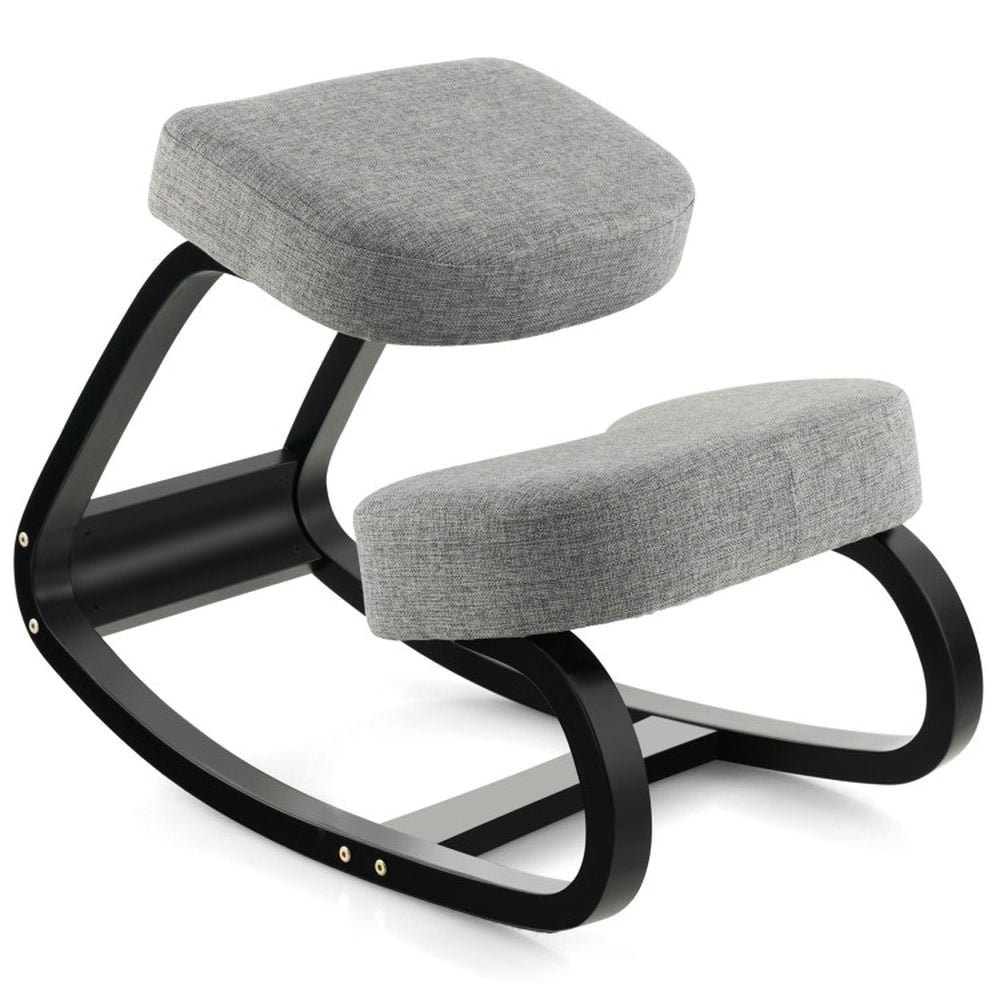
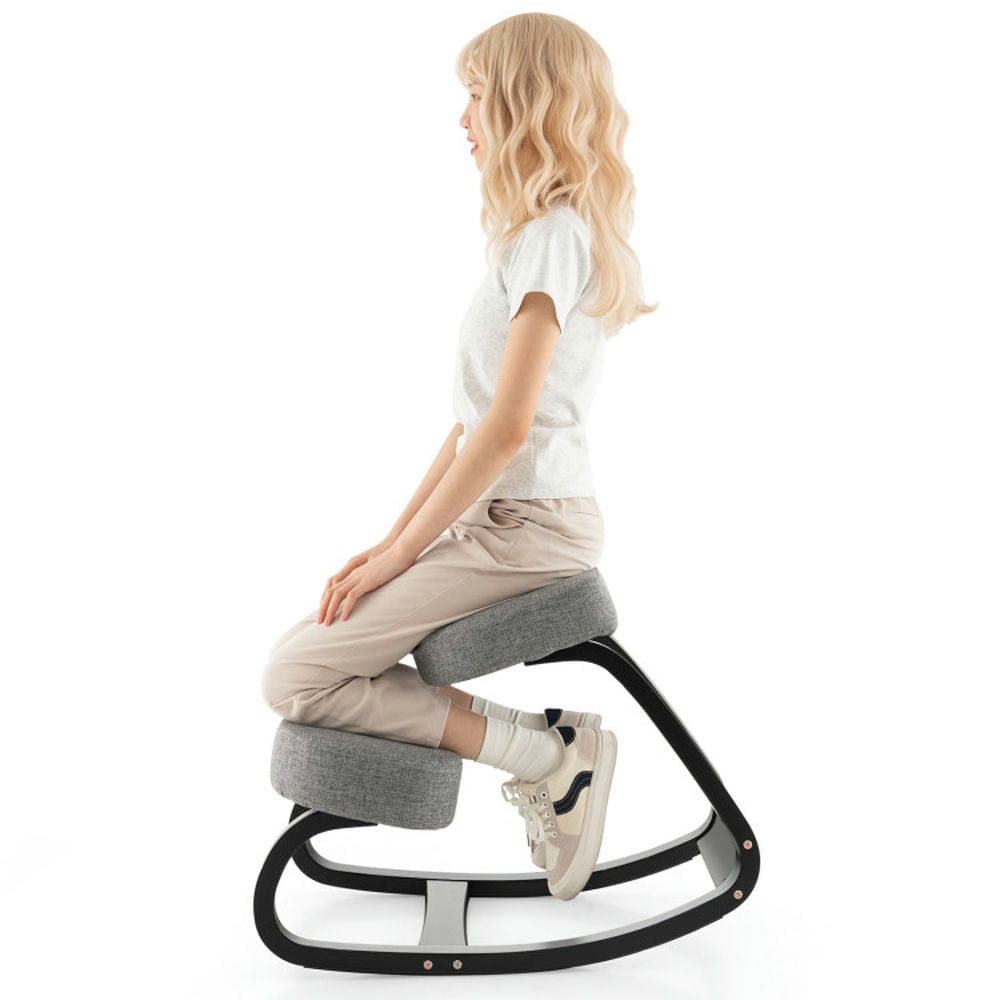
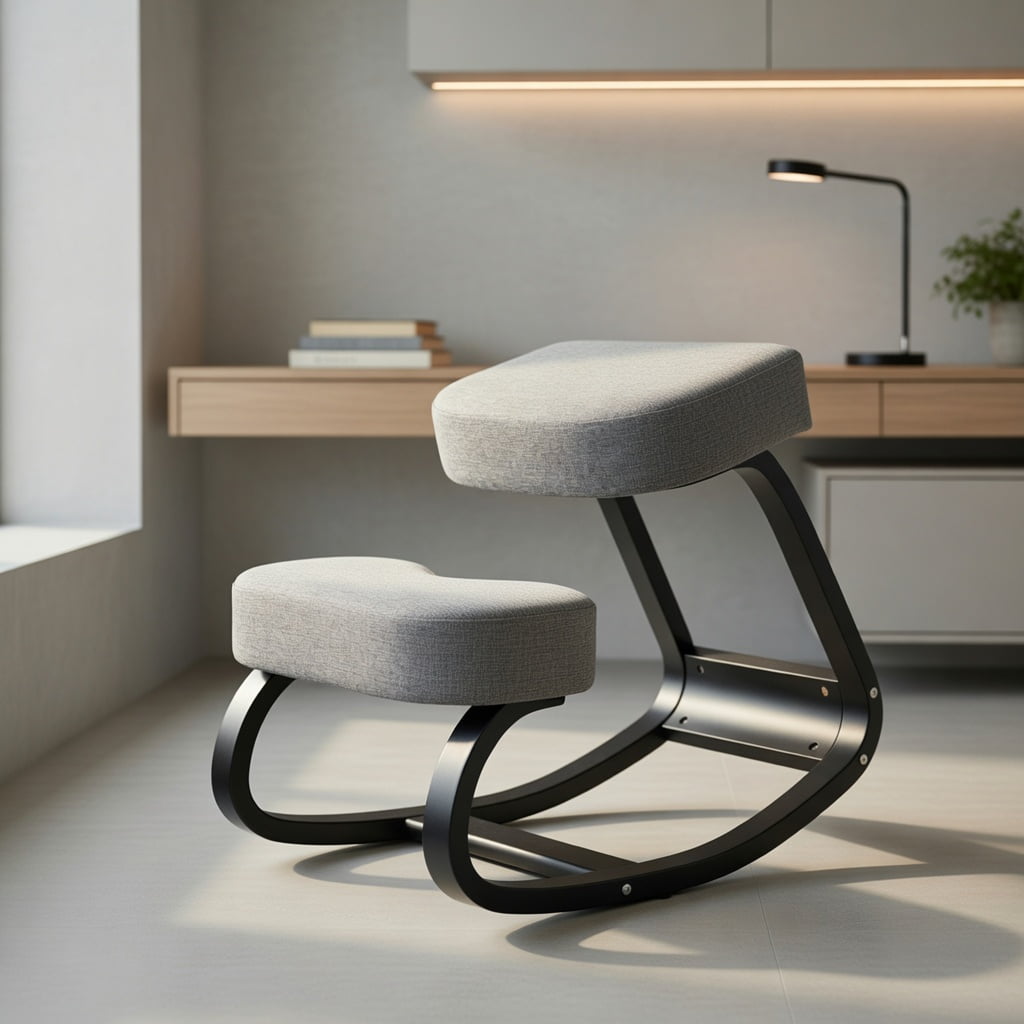
Imagine a chair that doesn't let you slump. A seat that turns your workstation into a gentle workout. That's the promise of a kneeling office chair. Unlike conventional chairs that encourage a passive, often harmful seated posture, kneeling chairs position your body in a way that mimics a balanced, upright stance—almost like you're floating just above the seat.
Ergonomic Insight: A study published in the journal "Work" found that participants using kneeling chairs reported a 33% reduction in lower back discomfort compared to standard office chairs, due to the decreased angle between the thighs and torso (approximately 120 degrees vs. 90 degrees).
The Biomechanics of Active Sitting
To understand why a kneeling chair works, picture your spine as a stack of blocks. When you sit in a traditional chair, your hips flex to 90 degrees, often pulling your pelvis backward and turning those blocks into a slumped "C" shape. A kneeling chair tilts your pelvis forward (anterior pelvic tilt), maintaining the spine's natural "S" curve. Your shins take about 20-30% of your body weight, reducing pressure on your tailbone and allowing your core muscles to engage naturally to keep you stable. This is active sitting—your body is subtly, constantly adjusting, which boosts circulation and focus.
Key Benefits Beyond Posture
🧘 Core Engagement
Your abdominal and back muscles work lightly but continuously, strengthening them over time without conscious effort.
🩸 Improved Circulation
The open hip angle prevents compression of blood vessels in your thighs, reducing numbness and improving blood flow.
🎯 Reduced Spinal Pressure
By sharing the load with your shins, pressure on the lumbar discs can decrease by up to 35% according to some biomechanical models.
⚡ Increased Alertness
The unstable nature of active sitting keeps your sensory system engaged, which can translate to better concentration.
Who Is a Kneeling Chair Ideal For?
- The posture perfectionist: Those tired of constantly reminding themselves to sit up straight.
- Graphic designers & writers: Professions that require leaning slightly forward—the kneeling position facilitates this naturally.
- Individuals with tailbone pain (coccydynia): Because the kneeling chair removes pressure from the coccyx.
- Remote workers with varied workspaces: Many kneeling chairs are lighter and easier to move than bulky executive chairs.
Potential Drawbacks & How to Mitigate Them
No chair is perfect. Some new users report initial discomfort in the knees or shins. This is normal as your body adapts. Here’s how to ease the transition:
- Start slow: Use the chair for 30-45 minutes at a time, then switch back to a conventional chair.
- Use cushions: If the shin pads feel hard, add a small gel cushion or wear thicker socks.
- Ensure proper desk height: You may need a footrest or a slightly higher desk to keep your arms at 90 degrees.
- Stretch regularly: Stand up and stretch your hip flexors every hour to counteract the constant flexion.
Adjustable vs. Fixed-Frame Kneeling Chairs
When shopping, you'll encounter two main types:
- Fixed-frame models: These are simpler, often more affordable, and have a set angle. Best for trying out the concept.
- Adjustable models: Allow you to change the angle of the seat and shin pads, and sometimes the height. They accommodate different body proportions and are better for long-term, personalized comfort.
We recommend an adjustable model if your budget allows, as it significantly increases the likelihood of finding your "sweet spot."
Material & Build: What to Look For
Since kneeling chairs distribute your weight differently, material choice affects durability and comfort.
Frame Material
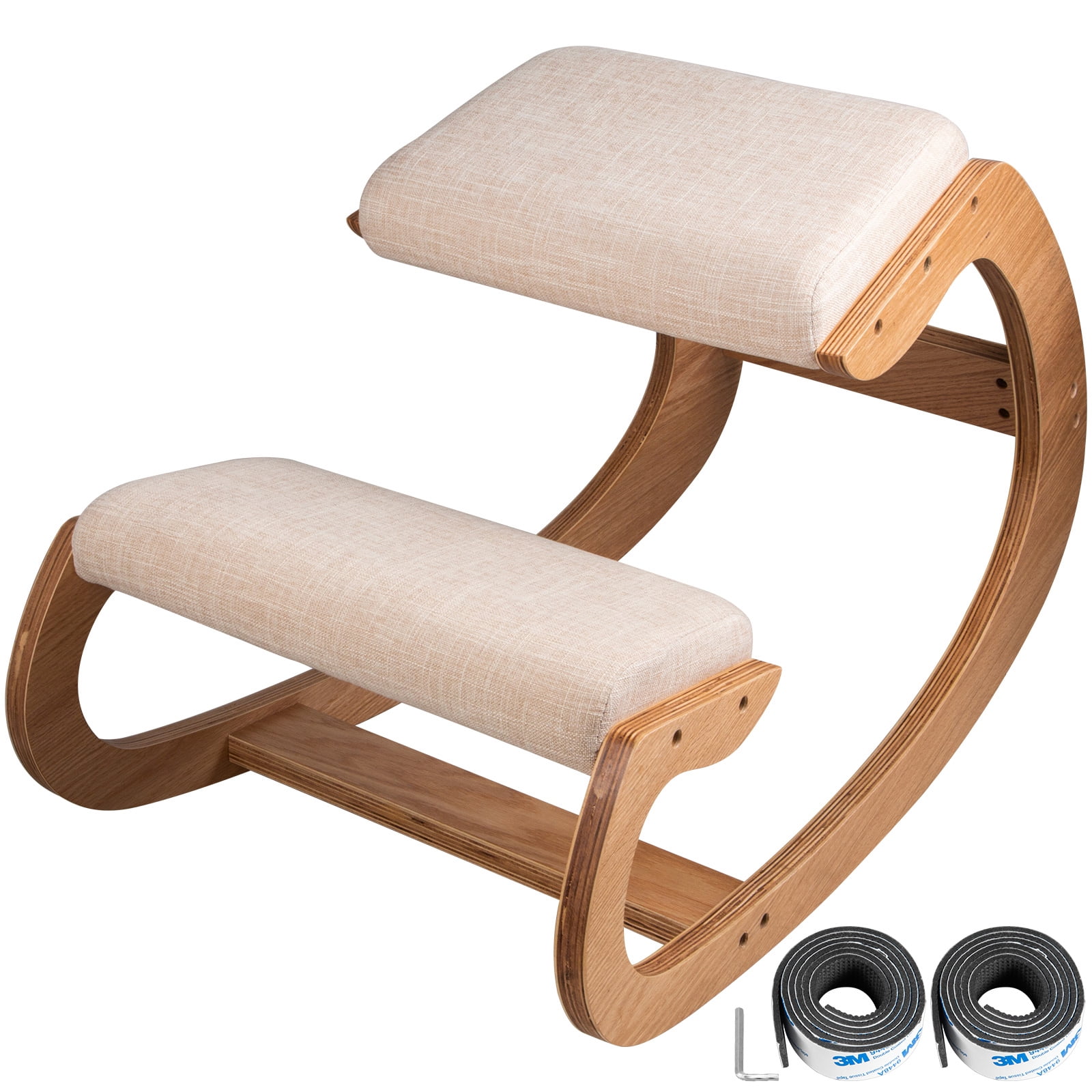
Wood Frames
- Aesthetics: Warm, natural look that fits home offices.
- Flexibility: Slight natural "give" can add comfort.
- Sustainability: Often made from birch or beech plywood.
- Weight: Generally lighter than steel.
Steel Frames
- Durability: Nearly indestructible, higher weight capacity.
- Stability: Very sturdy, no flex.
- Sleek design: Allows for thinner profiles and modern looks.
- Heavier: Can be harder to move around.
Cushioning & Upholstery
The seat and shin pads are critical. Look for high-density foam (at least 2 inches thick) that won't bottom out. Breathable fabric like mesh or performance knit is preferable to bonded leather, which can crack and doesn't breathe as well, leading to sweaty shins.
Kneeling Chair vs. Traditional Office Chair: Quick Facts
| Feature | Kneeling Chair | Traditional Office Chair |
|---|---|---|
| Spinal Alignment | Promotes natural S-curve | Often leads to slouching (C-curve) |
| Core Muscle Activity | High (active engagement) | Low (passive support) |
| Pressure on Tailbone | Minimal | Significant |
| Leg Circulation | Improved (open angle) | Can be restricted (90-degree angle) |
| Learning Curve | Short adaptation needed | None |
Frequently Asked Questions About Kneeling Office Chairs
Conclusion: Is a Kneeling Chair Right for Your Workspace?
A kneeling office chair isn't a magic bullet, but for many, it's a transformative tool. It breaks the cycle of static, damaging sitting by introducing gentle, constant movement. If you struggle with lower back pain from prolonged sitting, feel lethargic in your current chair, or simply want to proactively strengthen your core while you work, a kneeling chair is a worthwhile investment.
Remember to choose a model with adequate cushioning and adjustability, and give your body a few weeks to adapt. Pair it with a standing desk for the ultimate flexible workspace. Your back—and your focus—may thank you.