
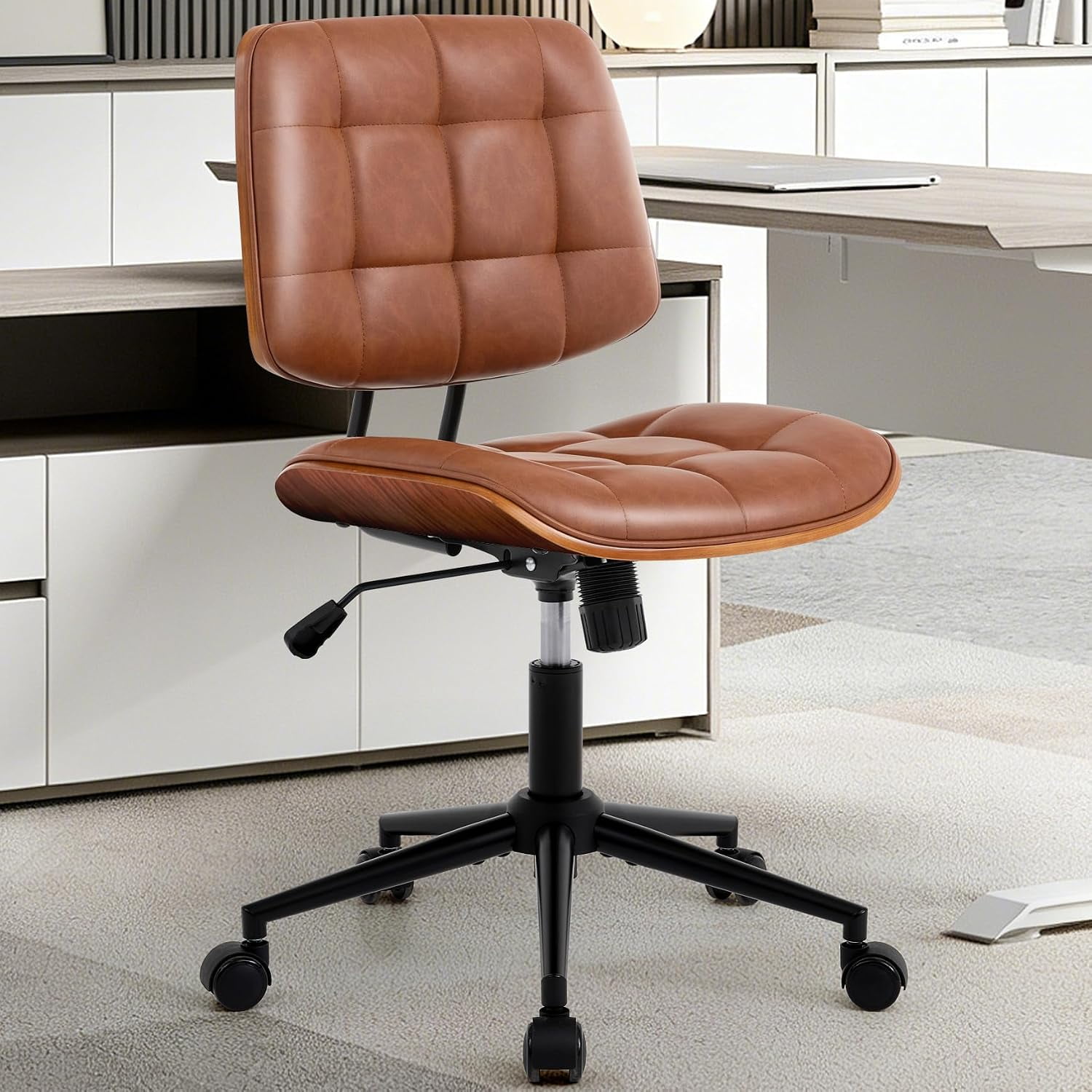
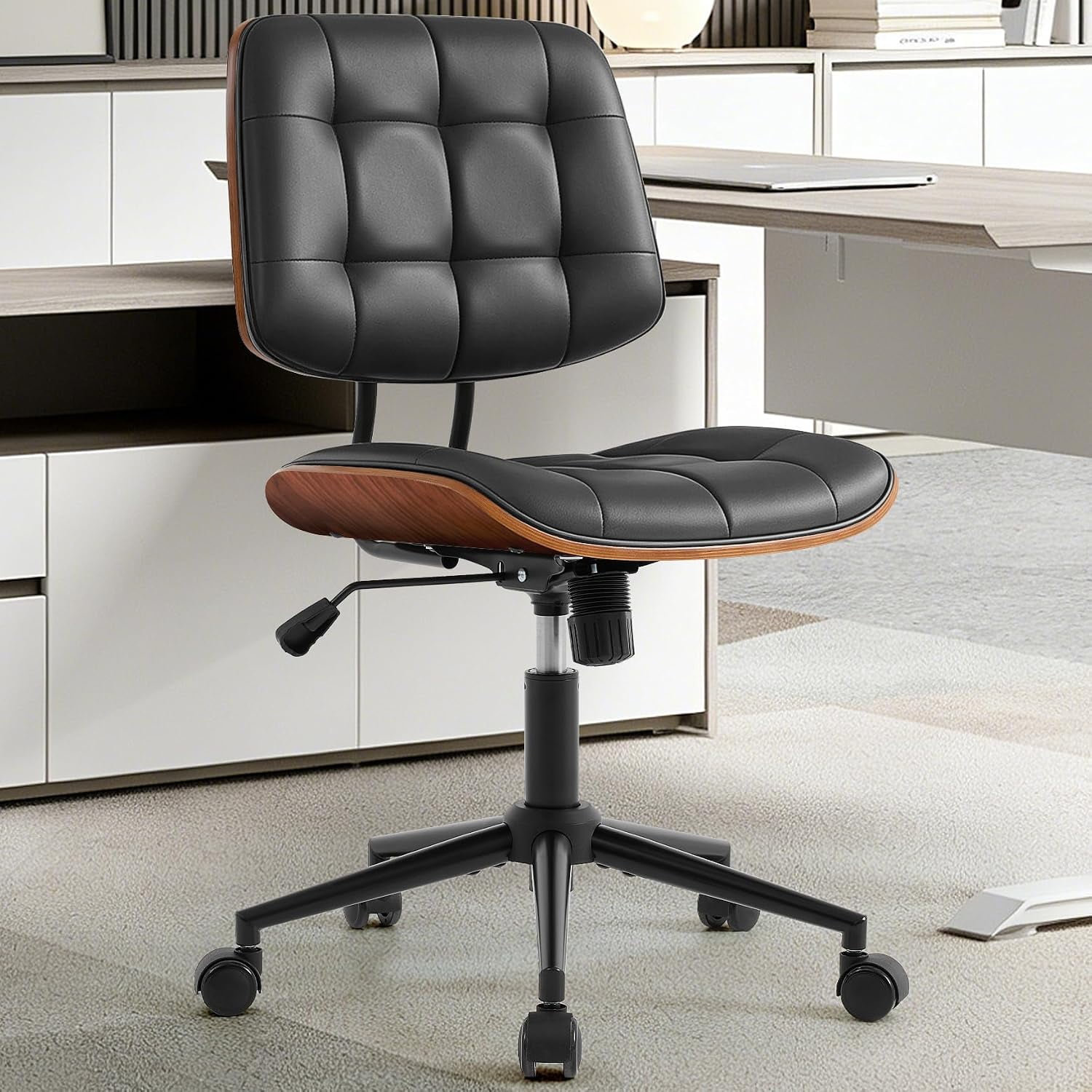
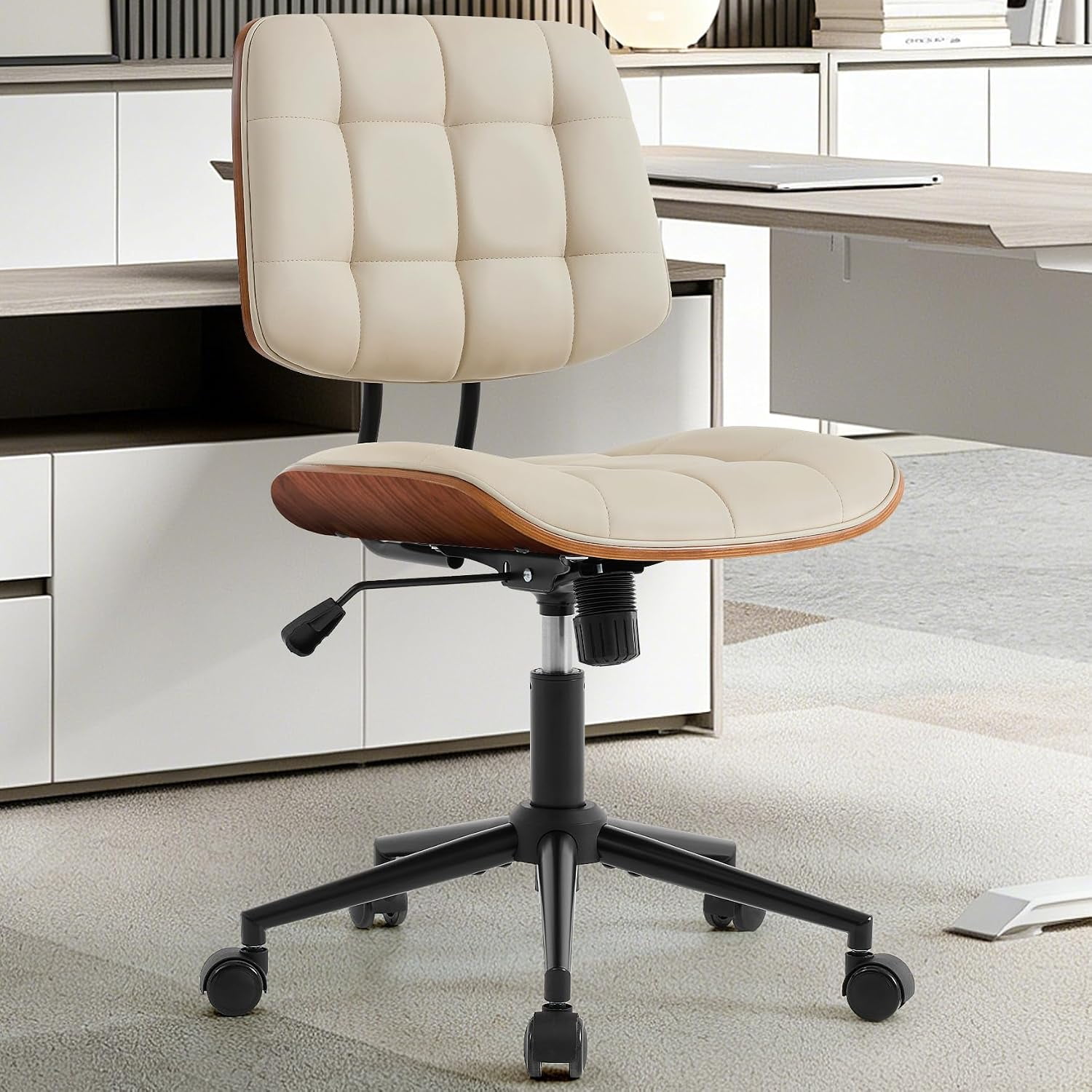
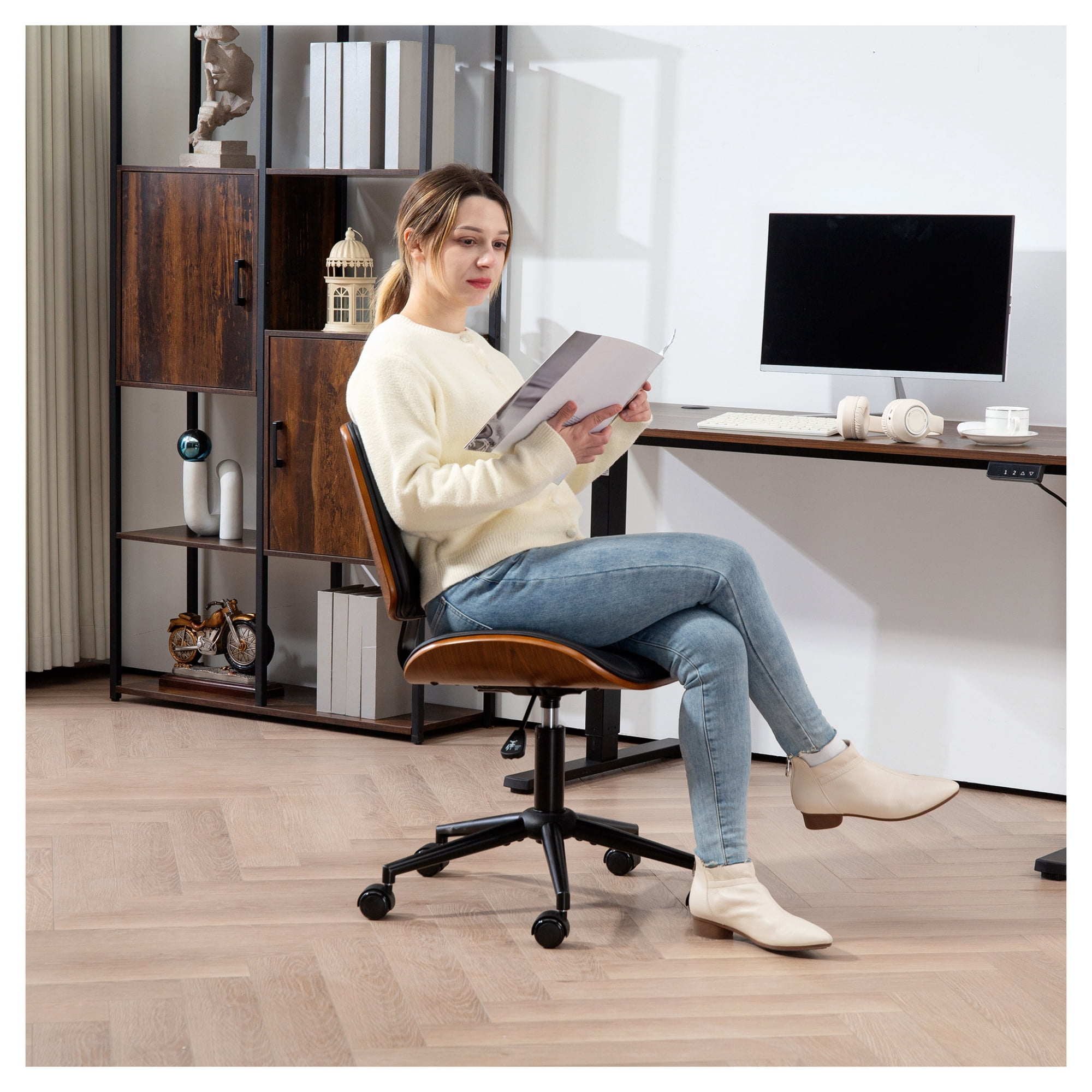
Rediscover Your Workspace: The Freedom of an Armless Office Chair
Imagine an office chair that doesn't box you in. A seat that lets you shift, reach, and move exactly as your body dictates, without plastic armrests dictating where your elbows should go. That's the simple yet profound promise of an office chair no arms. Often overlooked in favor of bulky executive thrones, armless chairs are the secret weapon of ergonomic flexibility and space efficiency. According to a study by the National Institute for Occupational Safety and Health (NIOSH), constrained postures are a leading cause of workplace discomfort; armless chairs can reduce constraint by allowing a fuller range of motion.
Think of your office chair like a well-fitted pair of shoes. Sometimes you need the robust support of a hiking boot (a high-back executive chair). Other times, you need the agility and freedom of a running shoe. An armless task chair is that running shoe. It's designed for action—for typing, drafting, or quick swivels between monitors. In this guide, we'll explore why ditching the arms might be the best decision for your productivity, your back, and your floor plan.
The Unspoken Benefits: Why "No Arms" Makes Sense
While the example page focused on executive luxury, our focus here is on practicality, movement, and adaptability. Armless chairs serve a distinct set of needs that standard chairs often fail to address.
1. The Space-Saving Superpower: Fit Where Others Can't
The most immediate advantage is physical footprint. In a typical home office or cubicle, every inch counts. A desk chair without arms can be pushed completely under the work surface when not in use, creating a clean, open look and freeing up walking space. This is a game-changer for:
- Small Apartments & Studios: Where the dining table doubles as a desk, an armless chair can be stored out of sight easily.
- Low Desks or Tables: Many standing desks or vintage desks have limited knee clearance. Arms often bang against the underside; an armless design slides right in.
- Multi-Purpose Rooms: Easily tuck the chair away when the room needs to transform from an office to a living space.
2. Ergonomic Freedom: Encouraging Dynamic Sitting
Static posture is the enemy of a healthy spine. Armrests, while supportive, can sometimes lock you into one position. An ergonomic armless office chair encourages what experts call "dynamic sitting"—the natural, fidgety movements your body craves. Without arms restraining you:
- You can easily turn sideways to talk to a colleague or reach a file.
- You naturally scoot closer to the desk, promoting better posture as your elbows rest on the work surface at a 90-degree angle (a key ergonomic principle).
- You have greater freedom to stretch, lean forward during intense focus, or shift your weight throughout the day.
Ergonomic Insight: The human body is not designed to be static. A 2022 study in the journal "Applied Ergonomics" found that workers with chairs allowing greater freedom of movement reported 28% less lower back discomfort by the end of the workday compared to those in highly restrictive seating.
3. Universal Fit: One Size Does Fit (Almost) All
Armrests are often a point of contention. They're either too wide, too narrow, or positioned poorly for your specific body type. An office chair no arms eliminates this issue entirely. It's inherently more accommodating for:
- Plus-size individuals: No worry about being squeezed by fixed armrests.
- Petite individuals: No struggling to get close enough to the desk because armrests hit the desk edge first.
- Shared workspaces: A single armless chair can comfortably serve multiple people with different body shapes throughout the day.
4. Specific Use-Cases: Beyond the Typical Desk Job
Armless chairs are not just for typing emails. They are the preferred choice for a variety of professions and activities:
- Musicians & Creatives: Guitarists, painters, and sculptors need free arm movement. Arms get in the way.
- Drafting & Design: Leaning over a large drafting table requires full torso mobility.
- Guest & Reception Seating: Office guest chairs are almost always armless to allow visitors to sit comfortably and rise easily without being obstructed.
- Call Centers: Operators often prefer the freedom to move and shift quickly between stations.
Key Features to Look For in a Quality Armless Chair
Just because it lacks arms doesn't mean it lacks features. When shopping, prioritize these elements to ensure you're getting a supportive, durable seat.
| Feature | Why It Matters for Armless Chairs | What to Look For |
|---|---|---|
| Lumbar Support | Without arms, lower back support becomes even more critical to maintain the spine's natural curve. | Integrated lumbar curve, or an adjustable lumbar pad. Avoid flat backs. |
| Seat Depth & Edge | A "waterfall" front edge prevents pressure on the back of your thighs, improving circulation. | Look for at least 2-3 inches of space between the back of your knee and the seat pan. Contoured foam helps. |
| Base & Casters | Stability is paramount. A five-point base is standard, but ensure it's sturdy for your weight. | Nylon or metal base. Casters should match your floor type (hardwood/carpet). |
| Material & Breathability | You'll be moving more, so a breathable material can prevent sweating. | Mesh backs are excellent. Fabric is comfortable; bonded leather can get sticky. |
| Pneumatic Height Adjustment | Essential for matching your desk height and ensuring your feet are flat on the floor. | Smooth gas lift mechanism with a wide range (usually 16"-21"). |
Armless vs. Armchair: A Quick Scenario Comparison
Still unsure? Let's compare two scenarios to see which chair type fits best.
Chair with arms: Armrests hit the sides of the desk alcove. Chair sticks out, blocking the walkway. User feels cramped.
Chair without arms: Slides neatly into the alcove. User can get closer to the screen. Room feels larger.
Chair with arms: User constantly bumps elbows while switching from keyboard to drawing tablet. Armrests are a nuisance.
Chair without arms: User flows seamlessly between tasks, using the desk surface for arm support when needed.
Chair with arms: Too wide for the kids, arm height wrong for adults. Everyone complains.
Chair without arms: Adapts to each user. Kids can climb on, adults can sit comfortably. One chair fits all.