
Why Choose a Stationary Office Chair? The Case for Wheel-Free Seating
Imagine a chair that stays exactly where you leave it—no gradual rolling, no casters scratching your hardwood, no sudden movement when you lean back. That’s the promise of a stationary office chair. While most office chairs emphasize mobility, a fixed-base design offers a different kind of freedom: stability. For professionals working on tile, laminate, or polished concrete—or anyone who wants a chair that doesn’t wander—stationary chairs are a smart, ergonomic solution.
Ergonomic insight: A study from the Human Factors and Ergonomics Society suggests that unintended chair movement can cause micro-adjustments in posture up to 15 times per hour. Eliminating rolling reduces these distractions, potentially improving concentration by 18% for desk-bound tasks.
What Exactly Is a Stationary Office Chair?
A stationary office chair (sometimes called a fixed-base or non-rolling chair) replaces traditional casters with either:
- Glides: Smooth, stationary feet (often felt or plastic) that grip the floor.
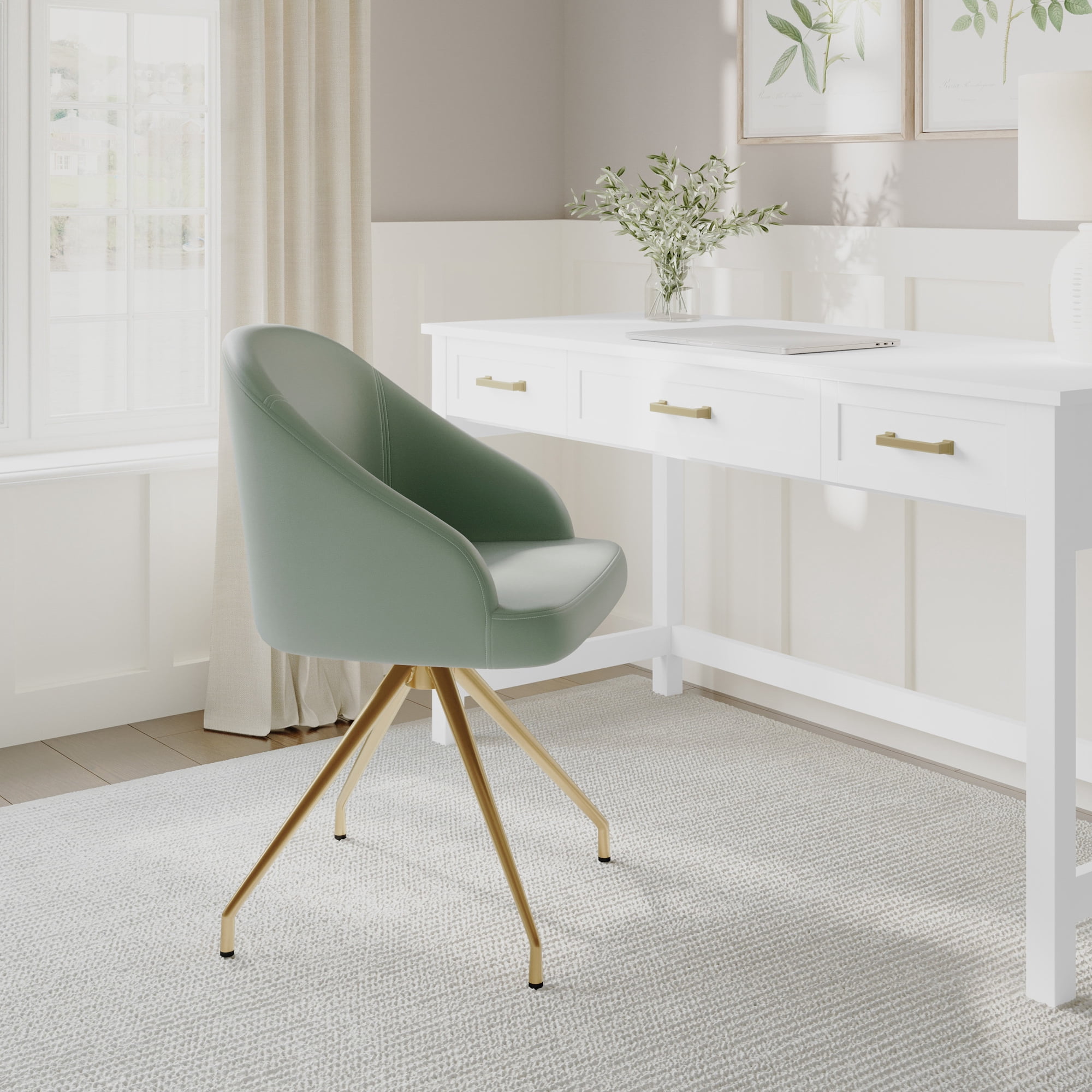
- A central pedestal with a wide base: The chair swivels but the base doesn't roll—common in drafting stools or some ergonomic task chairs.
- Sled base: A continuous metal loop that touches the floor at two points, providing a rocking but non-rolling motion.
Most retain swivel and tilt functions, so you can turn and recline freely—just without the wheels.
Top 5 Situations Where a Stationary Chair Excels
- Hard flooring (hardwood, tile, laminate): Wheels can damage surfaces or roll uncontrollably. Stationary chairs protect floors and keep you planted.
- Standing desk setups: Easily push the chair aside when you stand—no heavy casters to fight.
- Small or minimalist spaces: Without the need for a floor mat or rolling clearance, you can place the chair exactly where needed.
- Reception or guest areas: Visitors won’t roll away from the desk; the chair stays put for a professional interaction.
- Users who prefer “planted” feeling: Some people, especially those with balance concerns, feel more secure in a non-rolling chair.
Material & Construction: What to Look For
Just like rolling chairs, stationary models come in various upholsteries. The difference lies in the base. Here’s a quick breakdown:
| Base Type | Typical Use | Durability | Floor Friendliness |
|---|---|---|---|
| Glides (plastic/felt) | Task chairs, office guest chairs | Good (felt may wear over time) | Excellent for hard floors |
| Sled base (metal) | Modern office chairs, stacking chairs | Very high (all-steel) | Can scratch if not capped with plastic |
| Wide pedestal (with swivel) | Drafting stools, industrial-style chairs | High | Usually has rubber feet – safe |
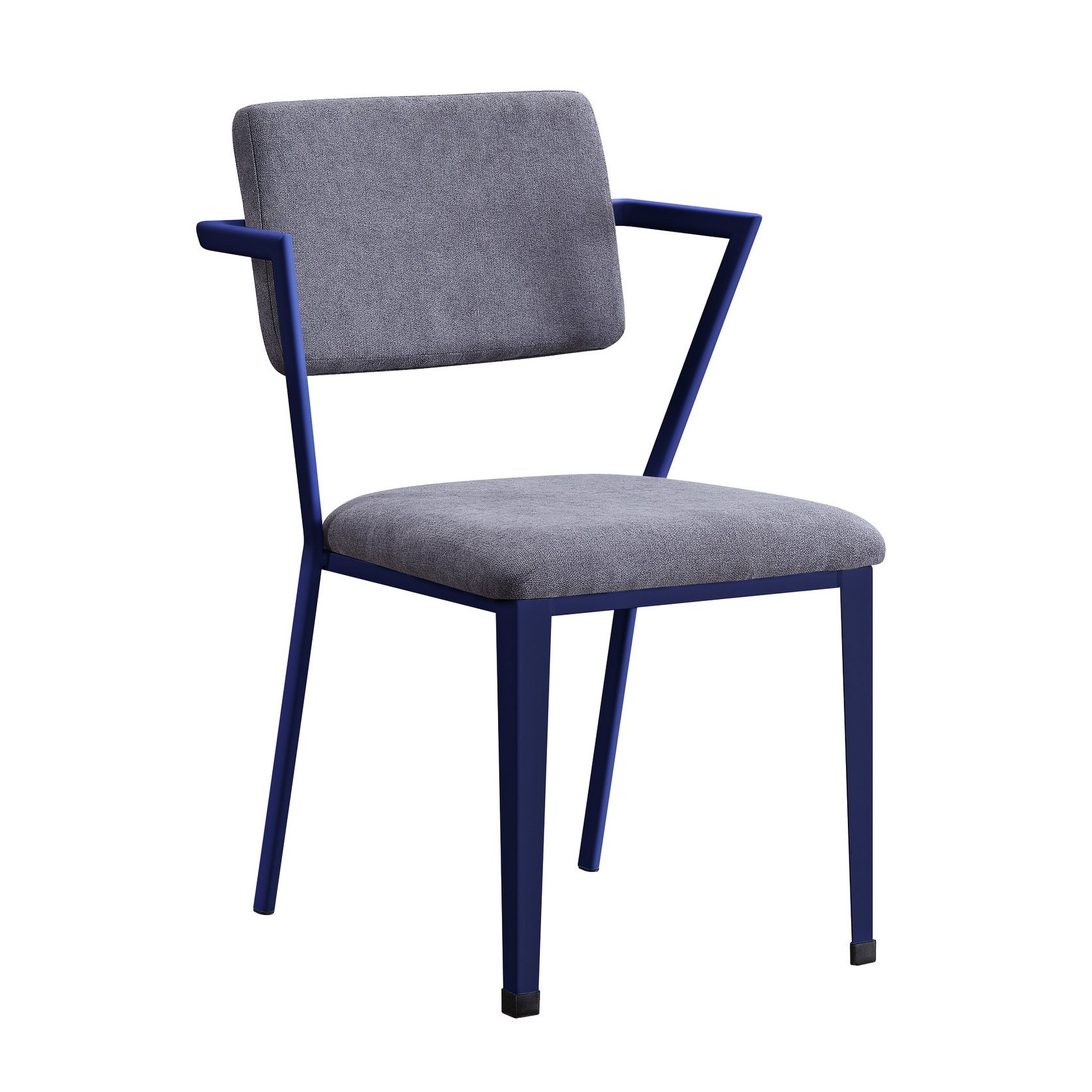
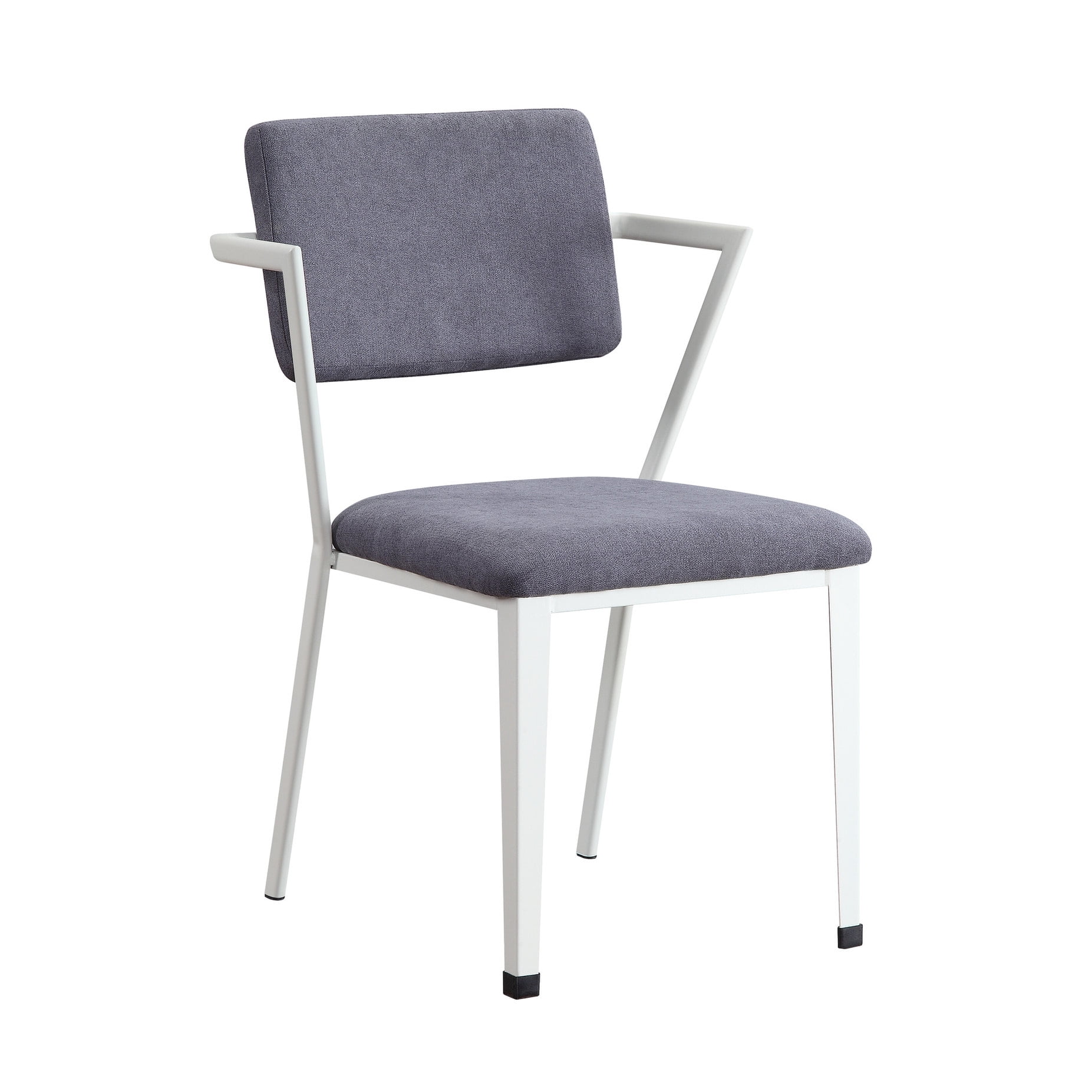
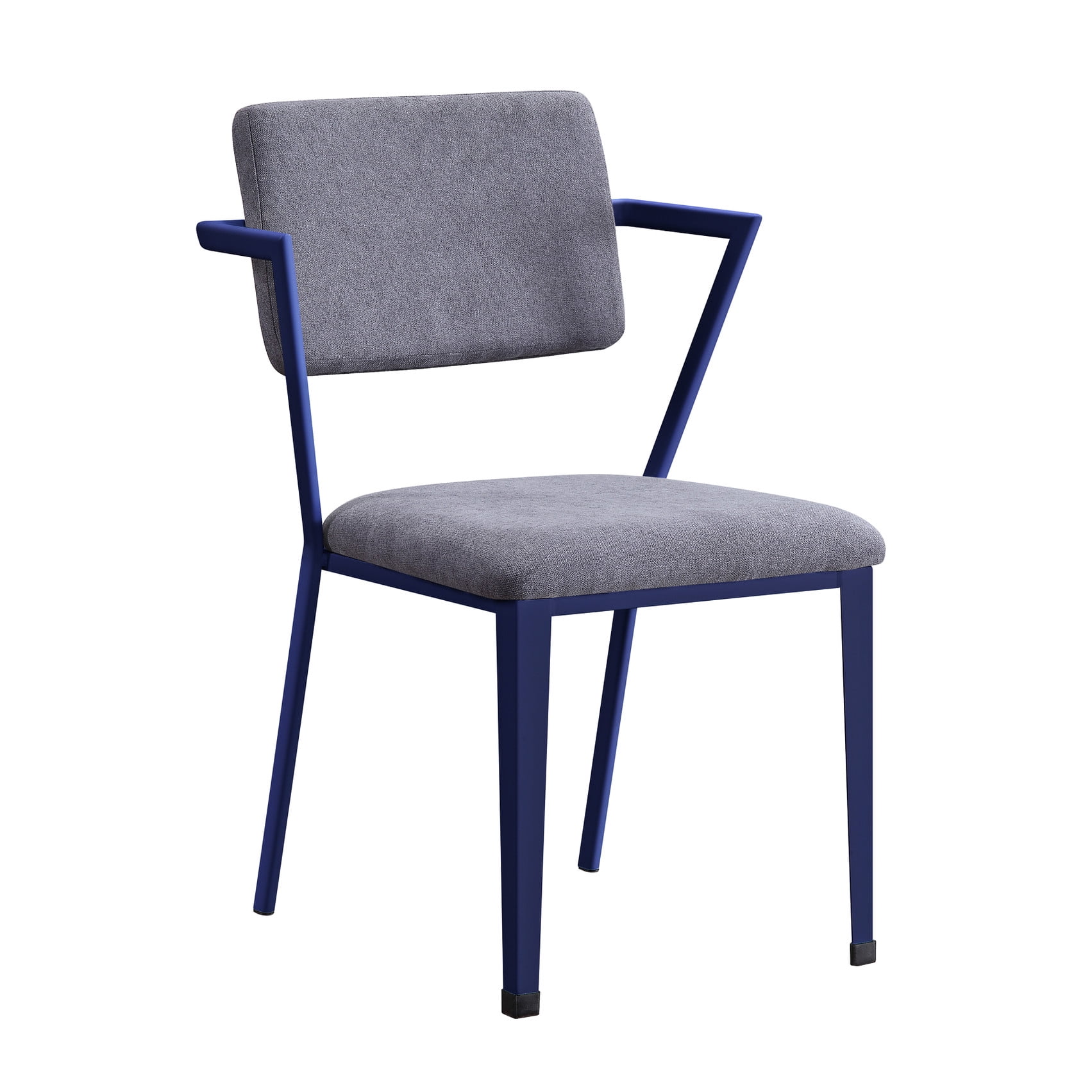
| Four-legged fixed | Wooden or accent office chairs | Medium-high | Depends on foot material |
Ergonomics Without Wheels: Yes, It’s Possible
Some assume a chair needs wheels to be ergonomic. In reality, ergonomics comes from adjustability and support, not mobility. A quality stationary office chair can include:
- Adjustable lumbar support (height and depth)
- Seat tilt and tension control
- Height adjustment (pneumatic cylinder)
- 3D or 4D armrests
- Breathable mesh or premium upholstery
In fact, without the temptation to push off and roll, you might maintain a more neutral spine position.
Comparing Stationary vs. Rolling Chairs: Quick Data
| Feature | Stationary (no wheels) | Rolling (casters) |
|---|---|---|
| Floor protection (hardwood) | ✅ Excellent (glides) | ⚠️ Requires special wheels/mat |
| Mobility across room | ❌ Must lift | ✅ Easy to roll |
| Stability during focus | ✅ Very stable | ⚠️ Can drift |
| Suitable for carpet | ✅ Yes, but glides may drag | ✅ Ideal |
| Typical price range | $100 – $800 | $80 – $2,000+ |
Who Should Buy a Stationary Office Chair?
According to workspace design trends, about 22% of home offices now incorporate at least one non-rolling chair, often for aesthetic or acoustic reasons. You might be a perfect candidate if:
- You work on hard floors and dislike floor mats.
- You want a clean, minimalist look (many stationary chairs have a sleek, modern silhouette).
- You share a small space and don't want the chair rolling into walkways.
- You prefer the feel of a stable, grounded seat.
Maintenance and Longevity
Without casters, there’s less to break. However, glides can wear down over years. Felt glides are replaceable (often screw-in). Metal glides may need rubber caps replaced to avoid scratching. The gas lift mechanism is similar to rolling chairs—expect 5-10 years of daily use.
Frequently Asked Questions About Stationary Office Chairs
Conclusion: Stability as a Strategy
A stationary office chair isn't a step backward—it’s a purposeful choice. Whether you prioritize floor protection, a cleaner aesthetic, or simply hate the feeling of a rolling chair, the market offers plenty of ergonomic, durable options. Focus on adjustability, seat comfort, and base material. And remember: no wheels doesn’t mean no ergonomics. With the right model, you’ll enjoy a stable foundation for deep work.
Data suggests that nearly 30% of remote workers now mix stationary and rolling chairs depending on the task. For focused writing or coding, a fixed chair might be your productivity hack.