
Why a Heavy Duty High Back Office Chair is a Smart Investment
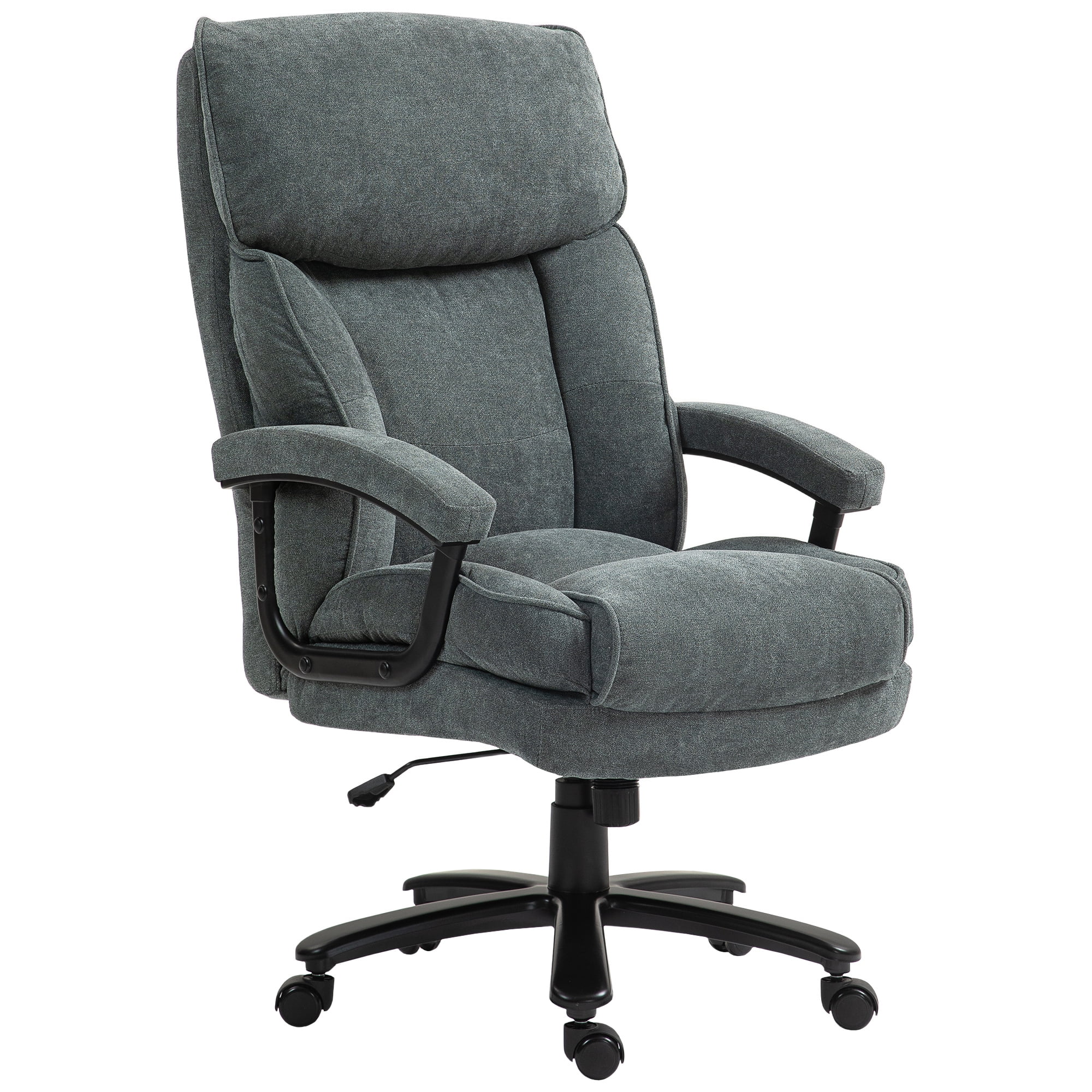
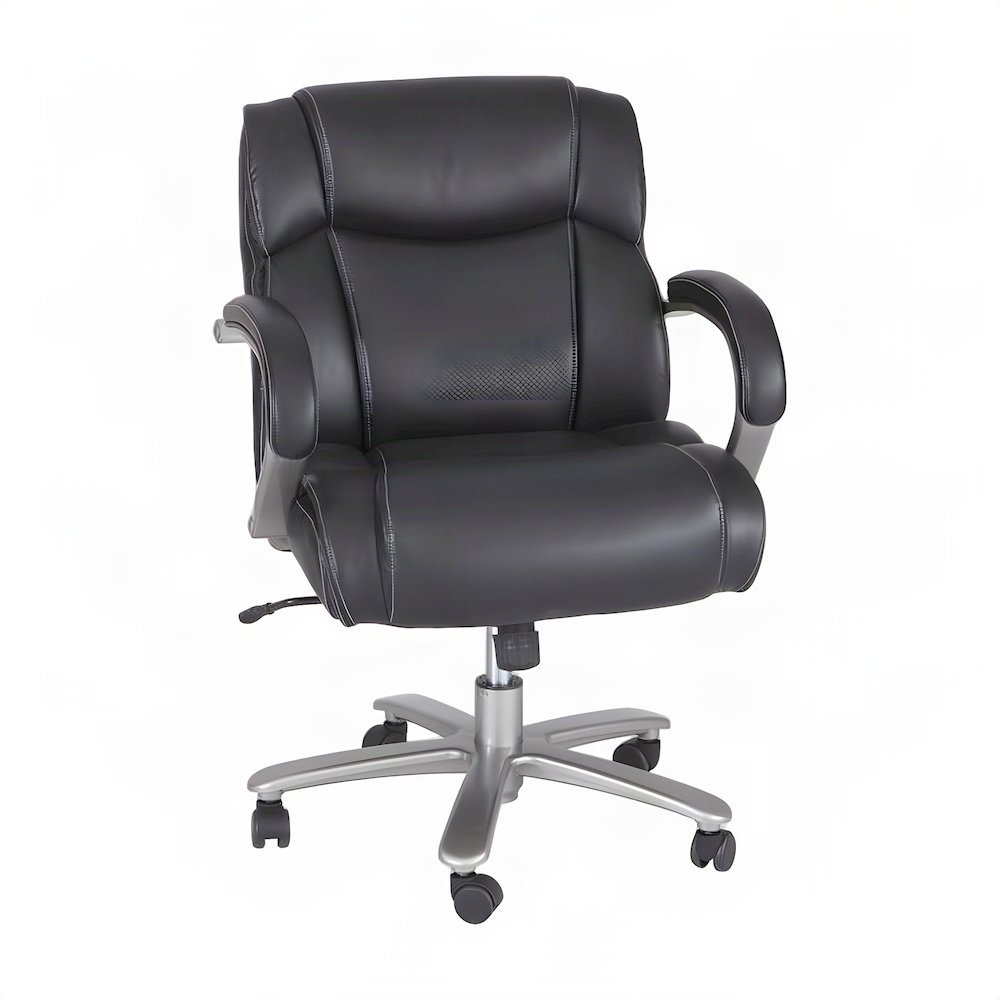
Think of your office chair like the foundation of a house. If the foundation is weak, everything built on top—your comfort, focus, and even your health—is at risk. A heavy duty high back office chair is that rock-solid foundation for professionals who demand more from their seating. Unlike flimsy standard chairs that wobble, sag, or break under pressure, these chairs are engineered with reinforced steel frames, commercial-grade mechanisms, and generous proportions.
According to ergonomic studies, a chair that fits your body properly can reduce spinal loading by up to 30%. For larger individuals, this isn't just about comfort—it's about safety. A chair collapsing under you can cause serious injury. Investing in a heavy duty model eliminates that risk while providing a throne-like seating experience that lasts for years.
The Anatomy of Strength: What Makes a High Back Chair "Heavy Duty"?
Not all chairs labeled "heavy duty" are created equal. Understanding the components that contribute to its strength helps you make an informed choice. Let's dissect the key elements that separate a true workhorse from an ordinary chair.
1. Frame Material: The Skeleton
The frame is the backbone. Standard chairs often use nylon or thin plastic which can crack over time. Heavy duty chairs feature:
- Reinforced steel frames: Welded, powder-coated steel that won't flex or break. Look for a frame thickness of at least 1.5mm.
- Metal seat plates: Instead of particle board, heavy duty chairs use steel plates to mount the mechanism, distributing weight evenly.
- Solid wood or metal armrest cores: Prevents armrests from snapping when you lean on them to get up.
Pro Tip If you can lift the chair with one hand easily, it's probably not heavy duty. A genuine heavy duty high back chair will have noticeable heft—usually 55 lbs or more—due to the metal components.
2. Gas Lift Classification: The Class 5 Difference
The gas cylinder (or gas lift) is what lets you adjust the seat height. It's also the most common failure point. Gas lifts are rated by "class":
| Gas Lift Class | Typical Capacity | Common Use |
|---|---|---|
| Class 2 | Up to 220 lbs | Basic task chairs, guest chairs |
| Class 3 | Up to 275 lbs | Standard office chairs |
| Class 4 | Up to 400 lbs | Heavy duty / Big & Tall chairs |
| Class 5 | Up to 500+ lbs | Industrial / Extra heavy duty chairs |
For a true heavy duty high back chair, always look for a Class 4 or Class 5 gas lift. It's identifiable by its wider diameter (typically 2 inches or more) and thicker chrome finish.
3. Base and Casters: The Foundation
A five-star base spreads your weight. In heavy duty chairs:
- Material: Nylon bases can work if they're reinforced, but aluminum or polished steel bases are the gold standard. They don't crack and provide a stable platform.
- Caster wheels: Standard casters might flatten under weight. Heavy duty chairs use dual-wheel casters with metal hubs or large 3" rollers that roll smoothly even under 400+ lbs. Some models offer "hard floor" or "carpet" specific casters to prevent damage.
Here's a simple analogy: If a standard chair is like a bicycle, a heavy duty chair is a pickup truck. Both get you from A to B, but one is built to haul a load safely.
4. High Back Design: More Than Just Height
The "high back" isn't just for looks. It serves a critical ergonomic purpose:
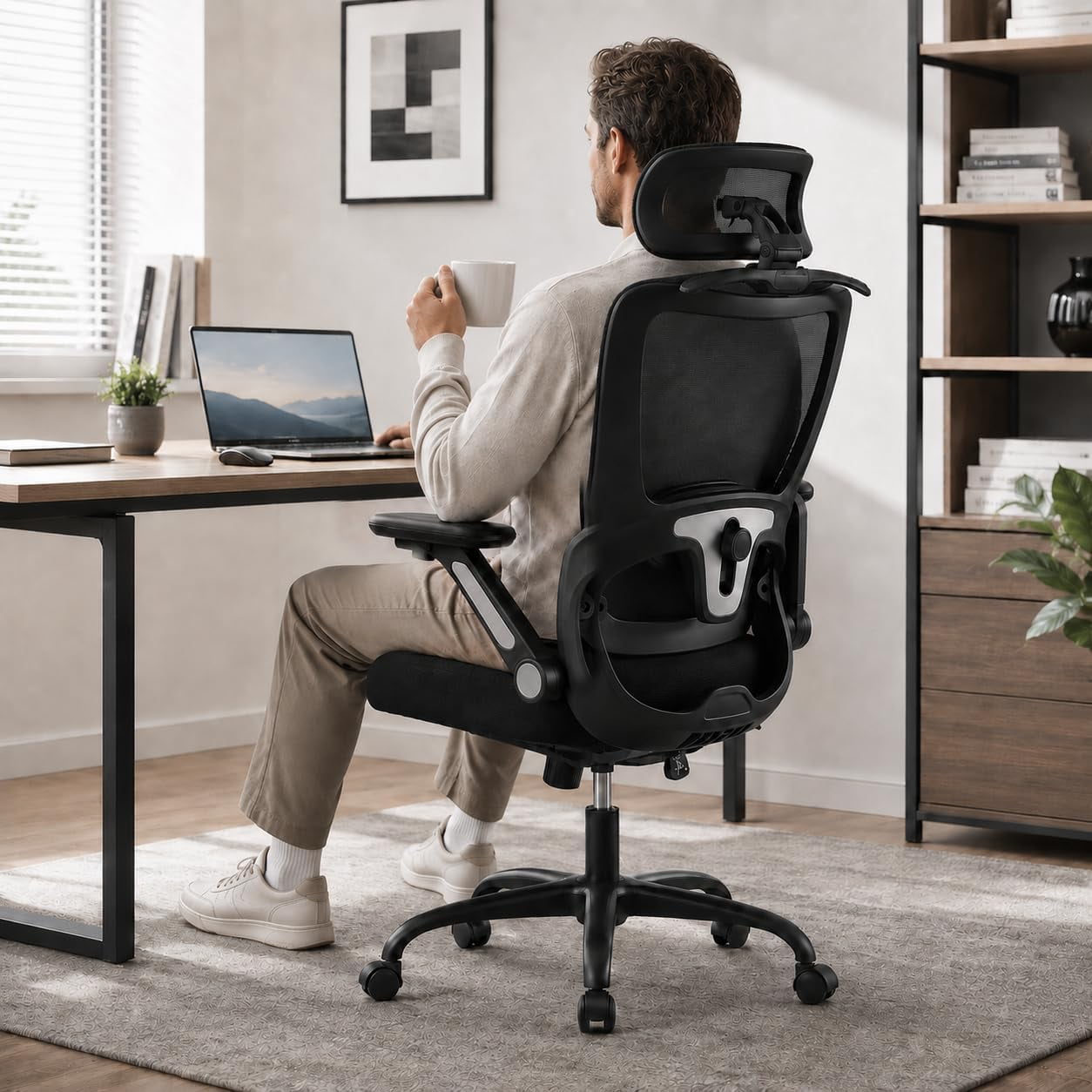
- Shoulder and neck support: A high back (usually 27 inches or taller from seat to top) supports the entire spine, including the thoracic and cervical regions. This is crucial for tall users whose heads would otherwise extend above a standard chair.
- Integrated headrest: Many heavy duty high back chairs include an adjustable headrest. This allows you to lean back and relax without your neck hanging unsupported, reducing strain during breaks.
- Wider backrest: Heavy duty models often have backrests 22 inches wide or more, accommodating broader shoulders comfortably without feeling squeezed.
5. Seat Construction: Where Comfort Meets Durability
A seat that bottoms out after six months is useless. Heavy duty chairs feature:
- High-density foam: Typically 2.5 to 3.5 lbs per cubic foot density. This foam resists compression and retains its shape for years.
- Thicker cushions: 4 to 6 inches of padding ensures that even heavier users don't feel the seat pan underneath.
- Waterfall edge: A gently sloping front edge reduces pressure on the thighs, improving blood circulation—a feature often overlooked but vital for long sitting sessions.
How to Choose Your Ideal Heavy Duty High Back Office Chair: A 5-Step Framework
Selecting the right chair can feel overwhelming. Use this structured approach to narrow down your options.
- Step 1: Measure Your Space and Yourself. Measure your desk height (standard is 29-30 inches). You need a chair that can go low enough for typing and high enough for proper armrest alignment. Also measure your seat width preference: hip width + 2 inches is a good rule.
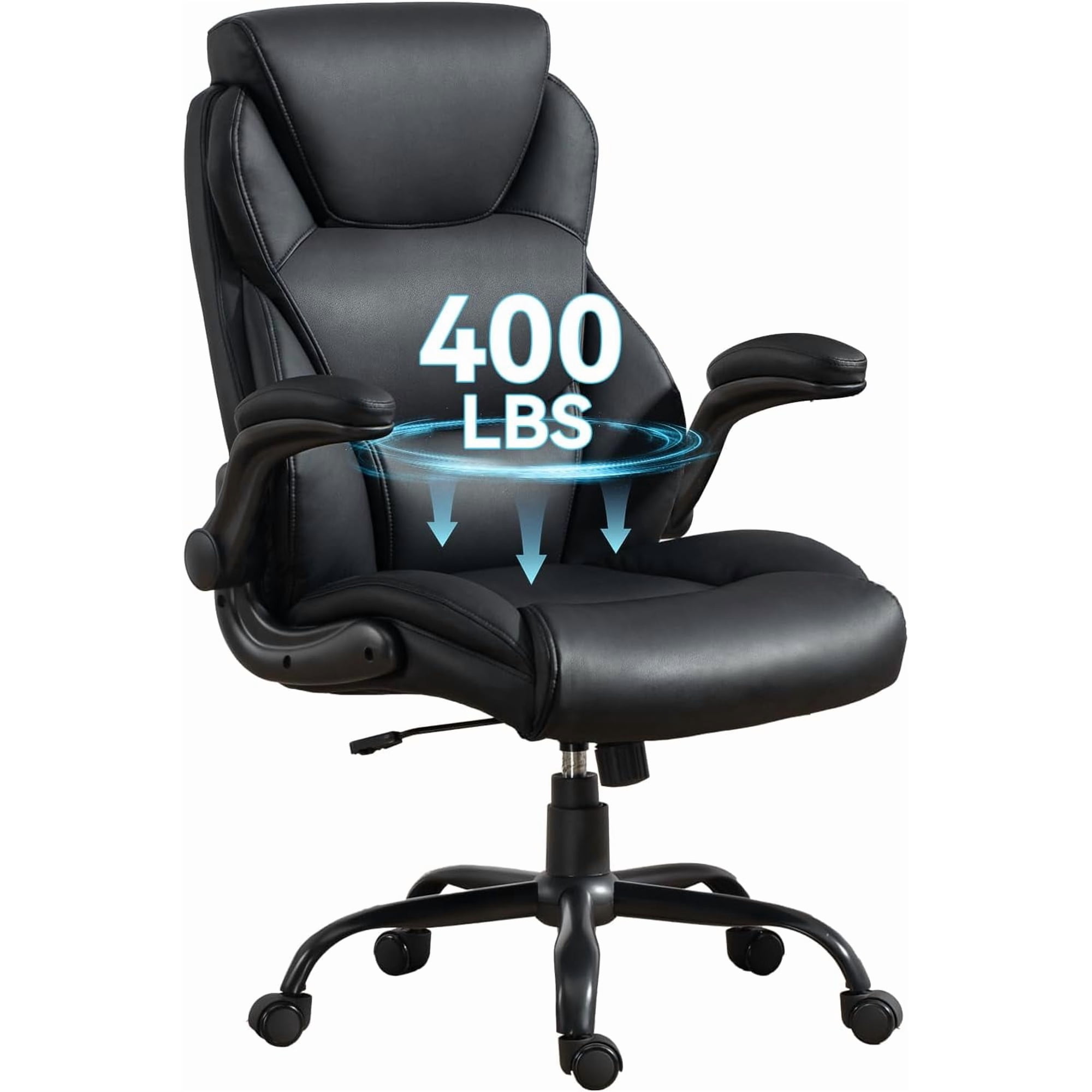
- Step 2: Define Your Weight and Height. If you're over 250 lbs or 6'0", automatically filter for chairs rated at least 400 lbs. Don't buy a chair rated exactly at your weight—always get a buffer of 50-100 lbs for safety and durability.
- Step 3: Prioritize Adjustability. At minimum, you need adjustable seat height, tilt tension, and lumbar support. 4D armrests (height, width, depth, pivot) are a bonus. For high backs, ensure the headrest is adjustable in height and angle.
- Step 4: Choose Upholstery Material. Options include commercial-grade fabric (breathable, durable), bonded leather (budget-friendly but may peel), and premium top-grain leather (luxury, long-lasting but expensive). For heavy duty use, reinforced stitching is non-negotiable.
- Step 5: Check the Warranty. A brand confident in its heavy duty construction will offer at least a 5-year warranty on parts, and 10+ years on the frame. Avoid chairs with only a 1-year warranty—they're not built to last.
Following this framework helps you move beyond marketing fluff and focus on specifications that matter.
Data from the Office Furniture Research Institute indicates that employees using properly fitted heavy duty chairs report 43% less lower back discomfort and 28% higher productivity after six months, compared to those using standard chairs that are too small or unstable. This isn't just about size; it's about creating a stable, ergonomic work environment.
Debunking Myths About Heavy Duty High Back Chairs
- Myth: "They're only for obese people." Reality: They're for anyone who values durability and has a larger frame or height. Even average-sized people enjoy the spacious comfort and longevity.
- Myth: "They look clunky and ugly." Reality: Modern designs feature sleek lines, premium materials like mesh and leather, and executive styling that fits in any corner office.
- Myth: "They cost too much." Reality: While upfront cost is higher ($400-$1000+), a heavy duty chair that lasts 10 years is cheaper than buying three $200 chairs that break every few years.
Still have questions? The following FAQs address the most common concerns about these robust chairs.
Frequently Asked Questions About Heavy Duty High Back Office Chairs
Conclusion: Build Your Workspace on a Foundation of Strength
Choosing a heavy duty high back office chair is a decision that pays dividends in comfort, safety, and longevity. It's a statement that you value your well-being and refuse to compromise on quality. By understanding the key components—frame, gas lift, base, and ergonomics—you can select a chair that not only supports your body today but also stands up to the demands of tomorrow.
Remember the analogy of the pickup truck: it might cost more upfront, but it carries you through every job without breaking down. Browse the top recommendations above, filter by your specific needs, and invest in a chair that will have your back for the next decade.