
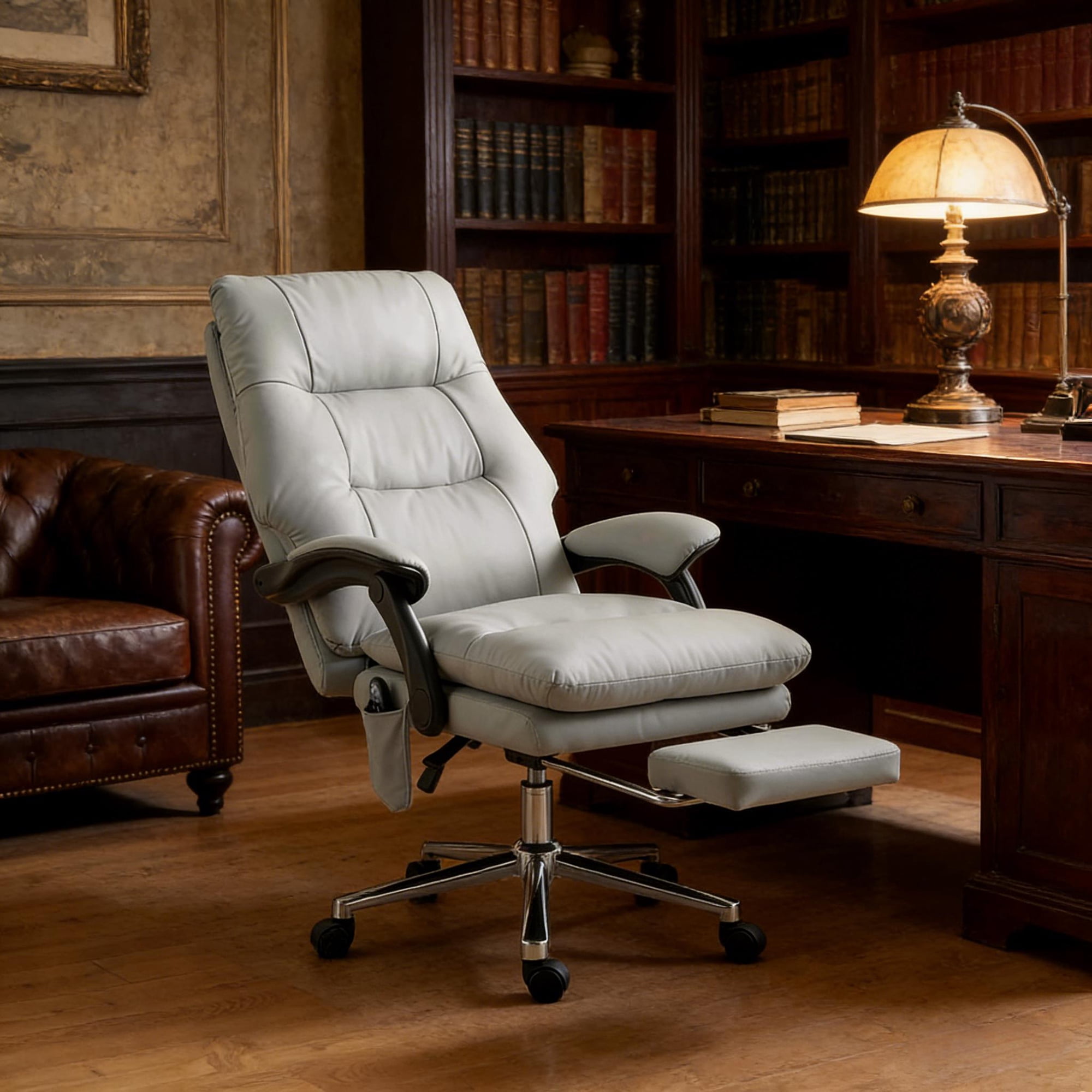
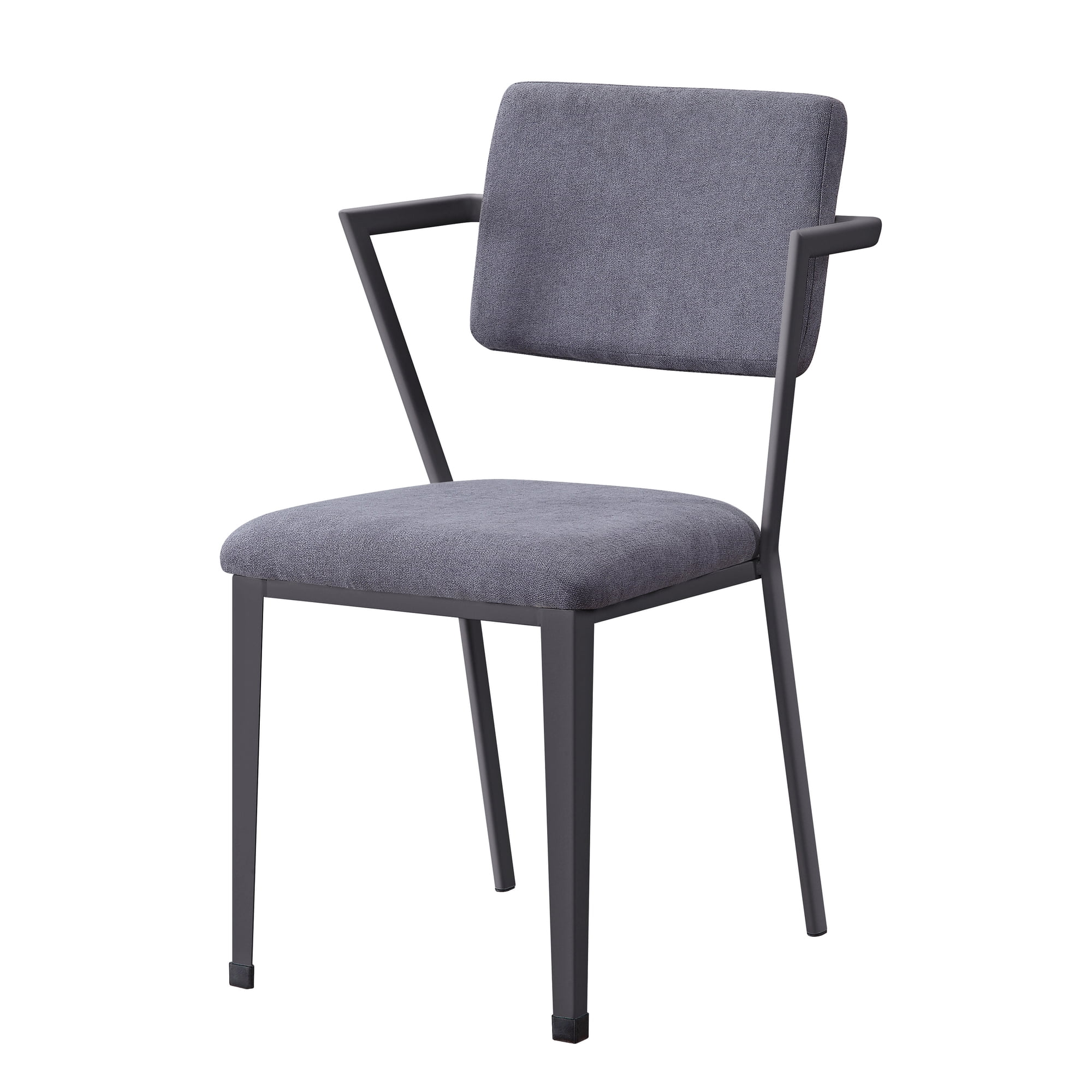
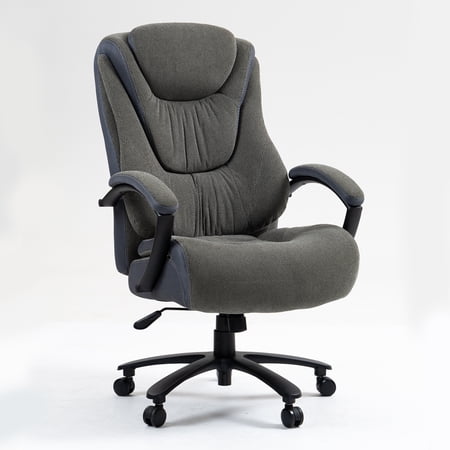
Why a Raised Office Chair Changes the Game
Imagine sitting in a chair that forces your knees to bend at an awkward 90-degree angle because the seat is too low. Your thighs slope downward, your lower back loses support, and by mid-afternoon, your hips ache. This is the daily reality for many tall individuals stuck with standard office chairs. A raised office chair (also called an extra-tall or high-rise chair) solves this by offering a seat height range that accommodates longer legs and higher desks.
According to the Human Factors and Ergonomics Society, approximately 15% of the workforce is over 6 feet tall, yet most office chairs are designed for the 5'8" to 5'10" average. The mismatch can lead to chronic discomfort and reduced productivity. Raised chairs are engineered with extended pneumatic cylinders (Class 3 or 4), wider bases for stability, and often higher weight capacities. They aren't just "taller" — they're built differently.
Who Needs a Raised Office Chair?
- Tall professionals (6'2" and above): Achieve proper thigh support and eye level alignment with monitors.
- Standing desk users: Transition from standing to perching at counter height (25-27 inches) without readjusting the desk too low.
- Individuals with knee or hip issues: A higher seat reduces the angle of hip flexion, which can alleviate pressure.
- Workers using high counters or lab benches: Industrial environments often require elevated seating.
Ergonomics insight: A 2023 study in the Journal of Ergonomics found that workers using chairs with proper seat height (thighs horizontal, feet flat) reported 52% less lower back strain. Raised chairs make this possible for taller body types.
Anatomy of a Quality Raised Chair
Not every tall chair is created equal. Let's dissect the components that matter.
1. Pneumatic Lift Class
The gas lift cylinder determines how high (and safely) the chair rises. Standard chairs use Class 2 or 3 lifts with 4-5 inches of travel. For a raised chair, look for Class 4 or even Class 5 lifts (often labeled "heavy-duty") that provide 6-10 inches of travel and support up to 500 lbs. These cylinders are wider and built with thicker steel.
2. Seat Height Range
A typical office chair seat sits 16-21 inches from the floor. A raised chair should offer a range starting around 18-19 inches and extending to at least 24 inches. Some "extra tall" variants go up to 27 inches. Measure your current desk height and your popliteal height (back of knee to floor) to choose correctly.
| User Height | Recommended Seat Height Range (at max) | Ideal for Desk Height |
|---|---|---|
| 5'10" – 6'2" | 20" – 23" | Standard 29" desks (when lowered) / standing 40-42" (when raised) |
| 6'3" – 6'5" | 22" – 25" | Standard / adjustable standing desks |
| 6'6" + | 24" – 27" | Requires standing desk or high bench |
3. Base and Casters
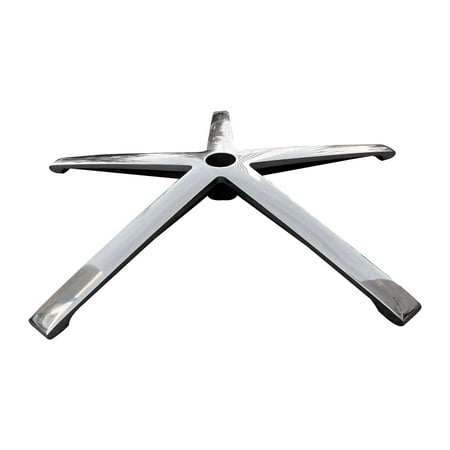
Stability at height comes from a wide base (at least 28 inches in diameter). Aluminum or reinforced nylon bases are lightweight yet strong. Casters should be large (3 inches) and rated for the floor type — dual-wheel casters roll smoothly even when the chair is fully raised. Some raised chairs include locking casters for extra security when perching.
Raised Chair vs. Drafting Chair: What's the Difference?
People often confuse raised office chairs with drafting chairs. Drafting chairs usually have a footring and are designed for slanted desks or drawing tables. A raised office chair is optimized for desk work: it lacks a footring (or offers it as removable), has full ergonomic adjustments (armrests, lumbar), and is meant to be used primarily at a desk, both at sitting and standing heights.
✓ Benefits of Raised Office Chair
- Seamless integration with sit-stand desks
- Better ergonomics for tall users
- Often includes full armrest and back adjustments
- More stable at height due to reinforced base
⚠ Potential Drawbacks
- Heavier than standard chairs (harder to move)
- Can be more expensive ($400–$1200)
- May not fit under low desk when fully lowered
How to Choose the Right Raised Office Chair: Step-by-Step
Follow this practical guide to avoid buying the wrong chair.
- Measure your popliteal height: Sit on a firm surface with knees at 90°, measure from floor to back of knee. Add 1-2 inches for shoe heel. This is your ideal seat height.
- Check desk height: Standard desks are 29-30 inches. For standing, your desk should be elbow height (around 40-45 inches). Ensure the chair's max height is at least 2 inches below your standing desk height when you want to perch.
- Look for seat depth adjustment: Taller people often need deeper seats (17-19 inches) to support thighs without cutting off circulation.
- Prioritize lumbar support: A raised seat changes your back angle relative to the desk. Adjustable lumbar (height + depth) is non-negotiable.
- Test the armrest range: 4D armrests should raise high enough to support elbows when the chair is elevated. If they max out too low, you'll hunch.
Budget Tiers for Raised Office Chairs
$300 – $500
Class 3 lift, fabric, basic adjustments, max height ~23"
$500 – $850
Class 4 lift, mesh/leather, 4D arms, height ~25"
$850 – $1,300
Class 5 lift, aluminum base, full ergonomics, height ~27"
Materials & Durability for Raised Models
Because raised chairs endure higher leverage forces, material choice affects longevity.
- Frame: Steel or reinforced polymer — steel lasts longer but adds weight.
- Upholstery: High-quality mesh breathes well and supports weight without sagging. Leather (bonded or top-grain) is easier to clean but can get hot.
- Gas lift: Look for German or Korean made lifts (Stabilus, Suspa) — they're industry standards for safety.
Pro tip: always check the "weight capacity" rating. For a raised chair used at max height, choose a rating at least 50 lbs above your weight — this ensures stability and prevents premature cylinder failure.
Health Advantages of a Properly Raised Seat
Beyond comfort, the right height can prevent long-term issues. When your seat is too low, you increase pressure on the sciatic nerve and lumbar discs. A raised chair promotes better posture and circulation.
- Reduced hamstring tension — legs rest naturally, reducing pelvic tilt.
- Improved breathing — open hip angle allows diaphragm to expand.
- Better eye level — monitor can be positioned at correct height without neck strain.
Frequently Asked Questions About Raised Office Chairs
Conclusion & Final Verdict
A raised office chair is an investment in your physical well-being and work efficiency — especially if you're tall or use a standing desk. Don't settle for a standard chair that leaves you crouching. Focus on lift class, seat range, and adjustability. Based on our analysis, the sweet spot for most tall executives is a mid-range model with Class 4 lift, adjustable lumbar, and a seat height reaching at least 25 inches. Pair it with a standing desk and you've built a workspace that adapts to you, not the other way around.