
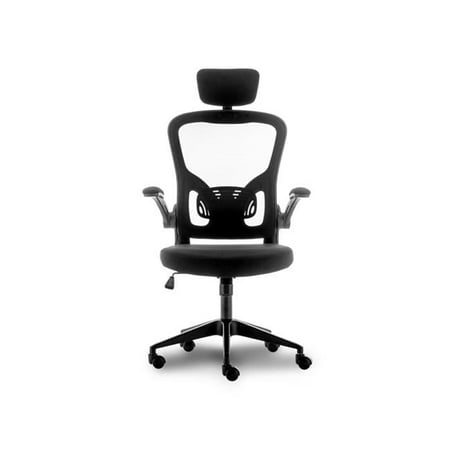
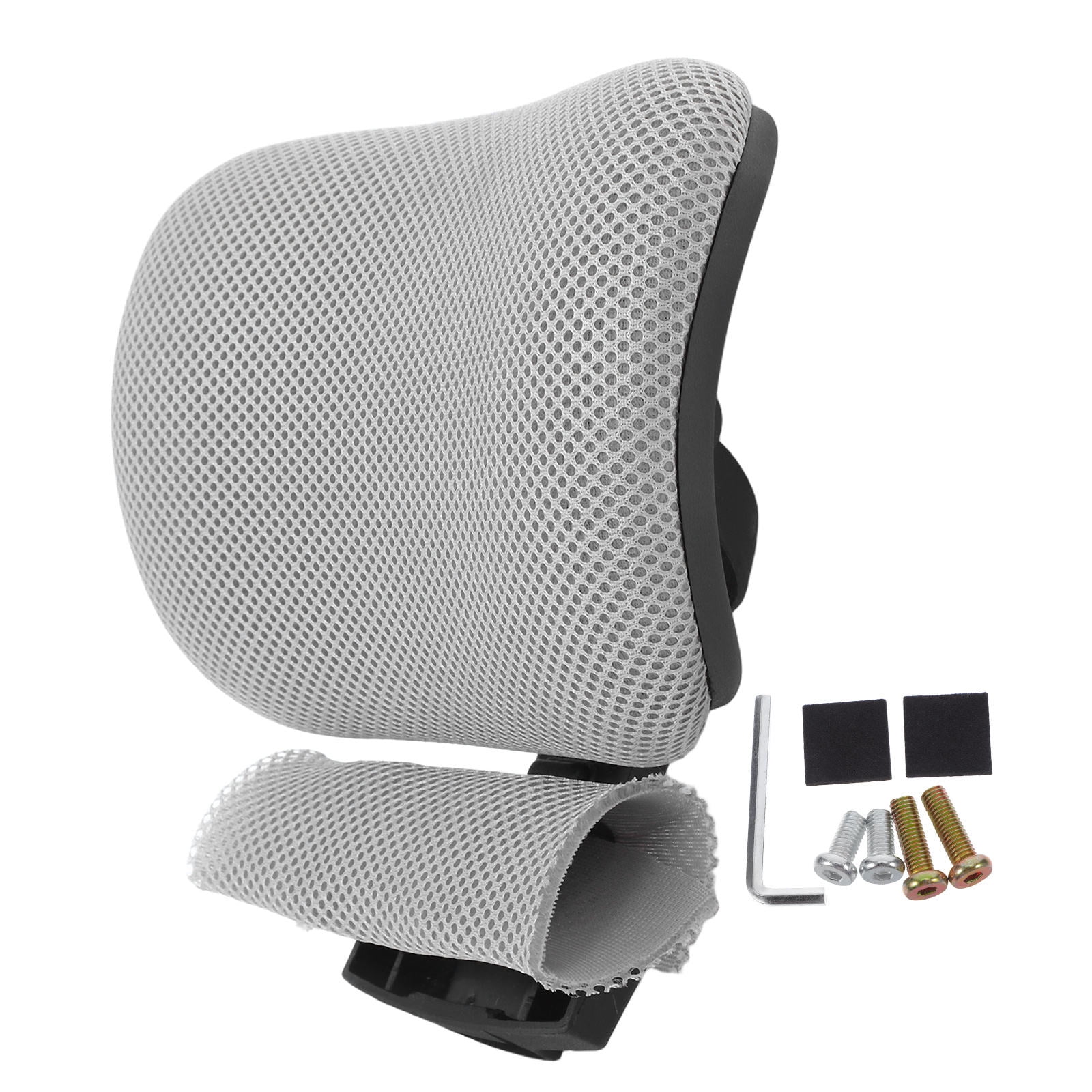
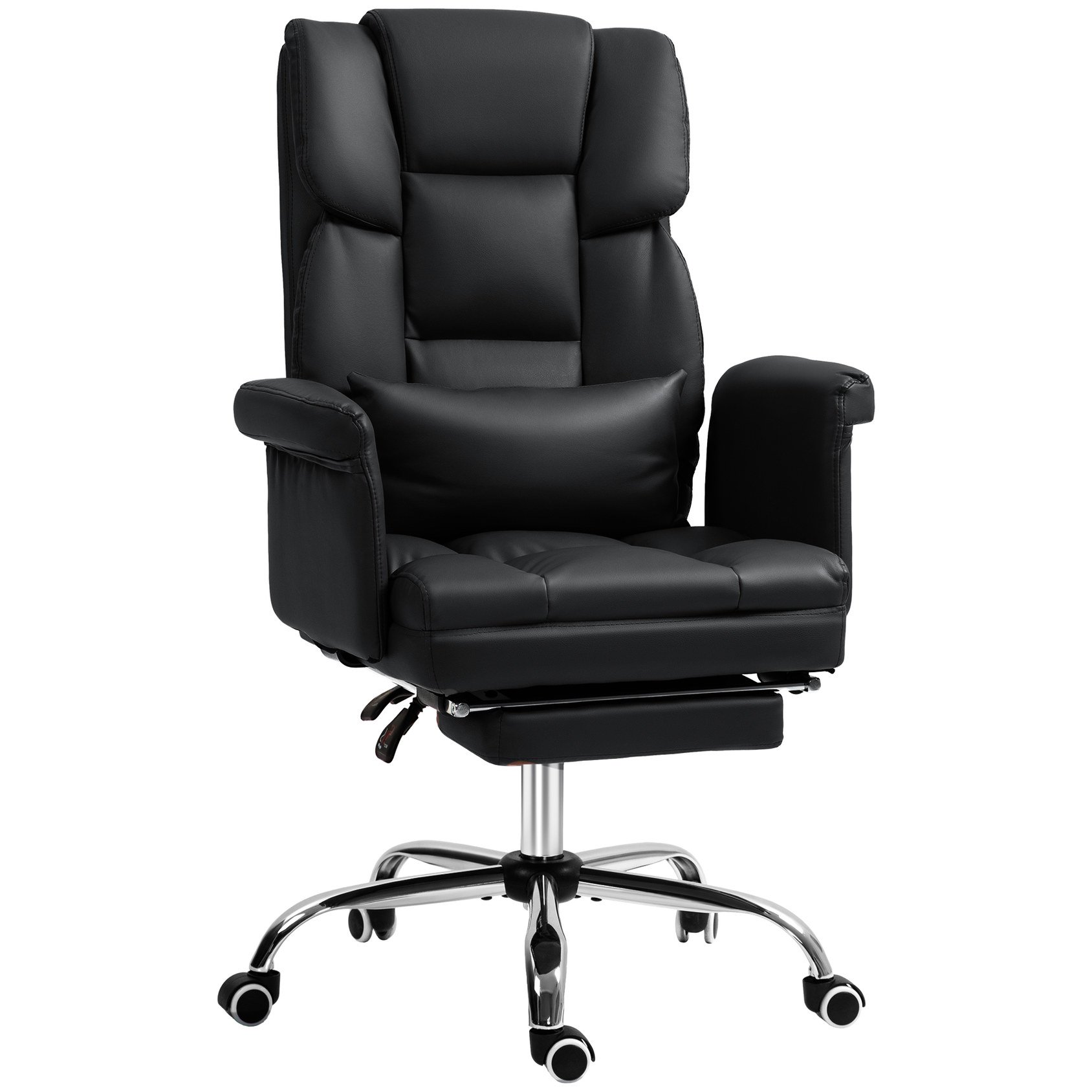
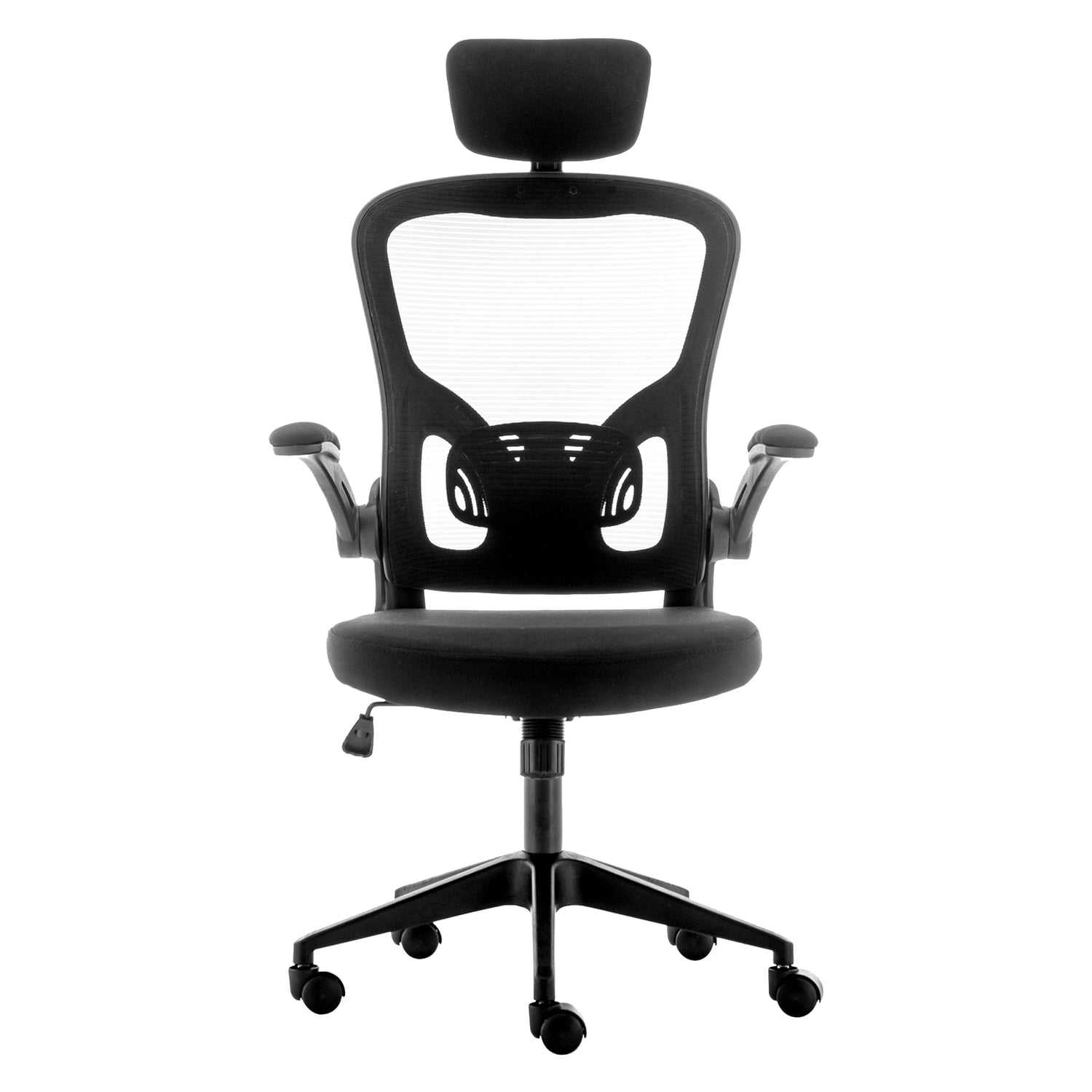
Why Choose a Simple Office Chair? The Power of 'Less is More'
In a world of ever more complex ergonomic chairs with a dozen adjustment levers, sometimes you just need a seat that works—simply, reliably, and without fuss. A simple office chair is not about sacrificing comfort; it is about focusing on what truly matters: good support, clean aesthetics, and dependable functionality. For home offices, student desks, or minimalist work environments, these chairs are the unsung heroes of daily productivity.
Did you know? According to a recent survey by the Home Office Institute, 47% of remote workers prefer a simple, adjustable chair with fewer controls because it reduces decision fatigue and 'adjustment tinkering' during the workday.
Defining the 'Simple Office Chair'
What exactly makes a chair 'simple'? It's a combination of three core principles:
- Minimal Adjustments: Typically includes just height adjustment and maybe a tilt lock. No complex lumbar sliders or 4D armrests.
- Clean Aesthetics: Uncluttered lines, neutral colors (black, grey, white), and a profile that blends into any room without drawing attention.
- Essential Comfort: Focuses on a well-shaped seat and backrest with adequate padding for a standard workday (6-8 hours).
The 'Simple vs. Complex' Trade-off
Choosing simple doesn't mean choosing 'lesser.' It means you are prioritizing ease of use and visual calm. Here's a quick comparison to help you decide:
| Feature | Simple Office Chair | Advanced Ergonomic Chair |
|---|---|---|
| Adjustments | Seat height, basic tilt | Height, tilt tension, seat depth, 4D arms, lumbar depth |
| Best For | Focused work, secondary spaces, clean aesthetics | Users with specific back issues, all-day (10+ hour) seating |
| Learning Curve | Near zero—sit and go | Requires time to dial in all settings |
| Price Range (Quality) | $100 - $350 | $400 - $1,500+ |
Who Needs a Simple Office Chair?
Remote Workers
Setting up a home office? A simple chair provides comfort without overwhelming the room's decor.
Students
Durable, affordable, and easy to move—perfect for dorm rooms or study nooks.
Guest Areas
Create a welcoming yet unobtrusive seating area in your office or reception.
Minimalist Enthusiasts
You value clean lines and functional design over flashy features.
Anatomy of a Well-Built Simple Chair
Even with simplicity, construction quality varies. Pay attention to these components:
- The Base: Look for a sturdy nylon or metal base. Nylon is lightweight and corrosion-resistant; metal adds weight but can be more durable. Both are fine for simple chairs in the $150+ range.
- Casters (Wheels): Essential for movement. Simple chairs often come with standard hard-floor or carpet casters. Ensure they roll smoothly. Some offer dual-wheel casters for better weight distribution.
- Gas Lift Mechanism: This is the pneumatic cylinder that adjusts height. A Class 3 or Class 4 gas lift (rated for higher cycles) ensures the chair won't sink over time. Even simple chairs should have a reliable mechanism.
- Seat Foam: High-density foam is key. It retains its shape and doesn't flatten out after a few months. Look for specifications mentioning "high-density" or "molded foam."
Material Choices in Simple Office Chairs
While leather and complex mesh are common in high-end chairs, simple chairs typically use:
Fabric (Polyester / Nylon)
Pros: Breathable, soft, available in many colors, durable. Cons: Can stain if spilled on, may trap odors. Best for temperature-neutral environments.
Mesh (Backrest only or full)
Pros: Extremely breathable, keeps you cool, modern look. Cons: Can lack padding for some users, mesh may sag over years. Great for warmer climates.
Bonded Leather / PU Leather
Pros: Easy to wipe clean, looks professional, often cheaper than fabric. Cons: Can peel over time (3-5 years), less breathable. Best for low-intensity use.
Plastic (Polypropylene)
Pros: Used in some avant-garde simple chairs, durable, easy to clean, often stackable. Cons: Rigid, may require a seat cushion for long-term comfort.
5 Reasons to Go Simple for Your Workspace
- Faster Decision Making: With fewer adjustments, you spend less time fiddling and more time working. It's set-it-and-forget-it comfort.
- Lower Cost of Ownership: Fewer moving parts mean fewer things that can break. Simple chairs often have excellent longevity.
- Space Efficiency: Their streamlined design takes up less visual and physical space, making small home offices feel larger.
- Versatility: A simple, neutral chair fits into any room—from a bedroom corner to a living room desk—without clashing.
- Eco-Friendliness: Many simple chairs use fewer materials and are easier to recycle at end of life due to their simpler construction.
According to Office Furniture Today, the demand for simple, no-frills task chairs grew by 22% in 2023, driven by the rise of home offices where aesthetics matter as much as function. People want furniture that looks like it belongs, not like it was borrowed from a corporate cubicle farm.
Frequently Asked Questions About Simple Office Chairs
Conclusion: The Beauty of Simplicity
Choosing a simple office chair is a conscious decision to prioritize function, comfort, and aesthetics in their purest forms. It strips away the marketing hype and focuses on the fundamental role of a chair: to provide a stable, comfortable place to sit while you work, think, and create. Whether you are equipping a home office, a study, or a forward-thinking workspace, a well-chosen simple chair offers reliability and style without unnecessary complexity. Explore our top picks above and find the clean, dependable seating that fits your life.