
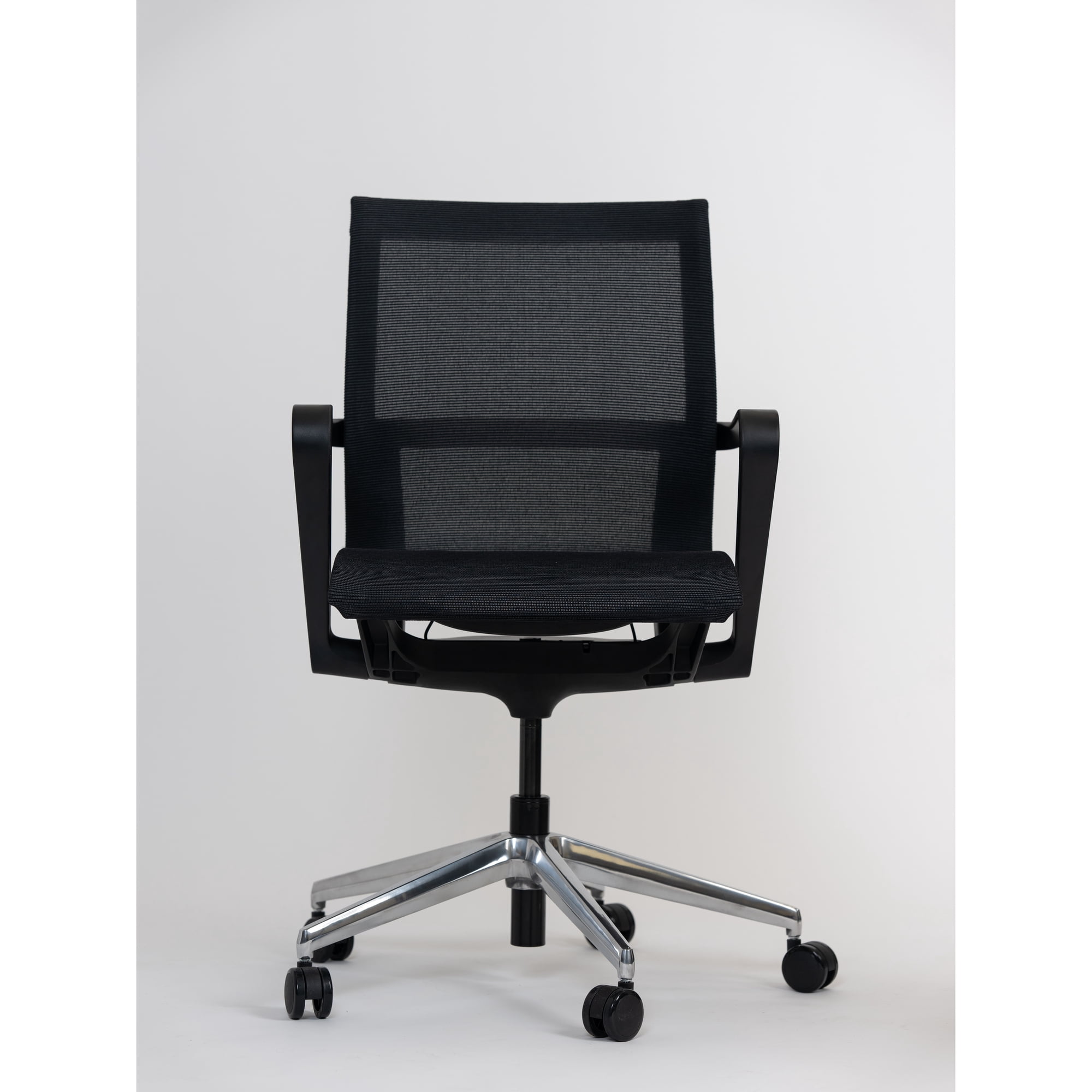
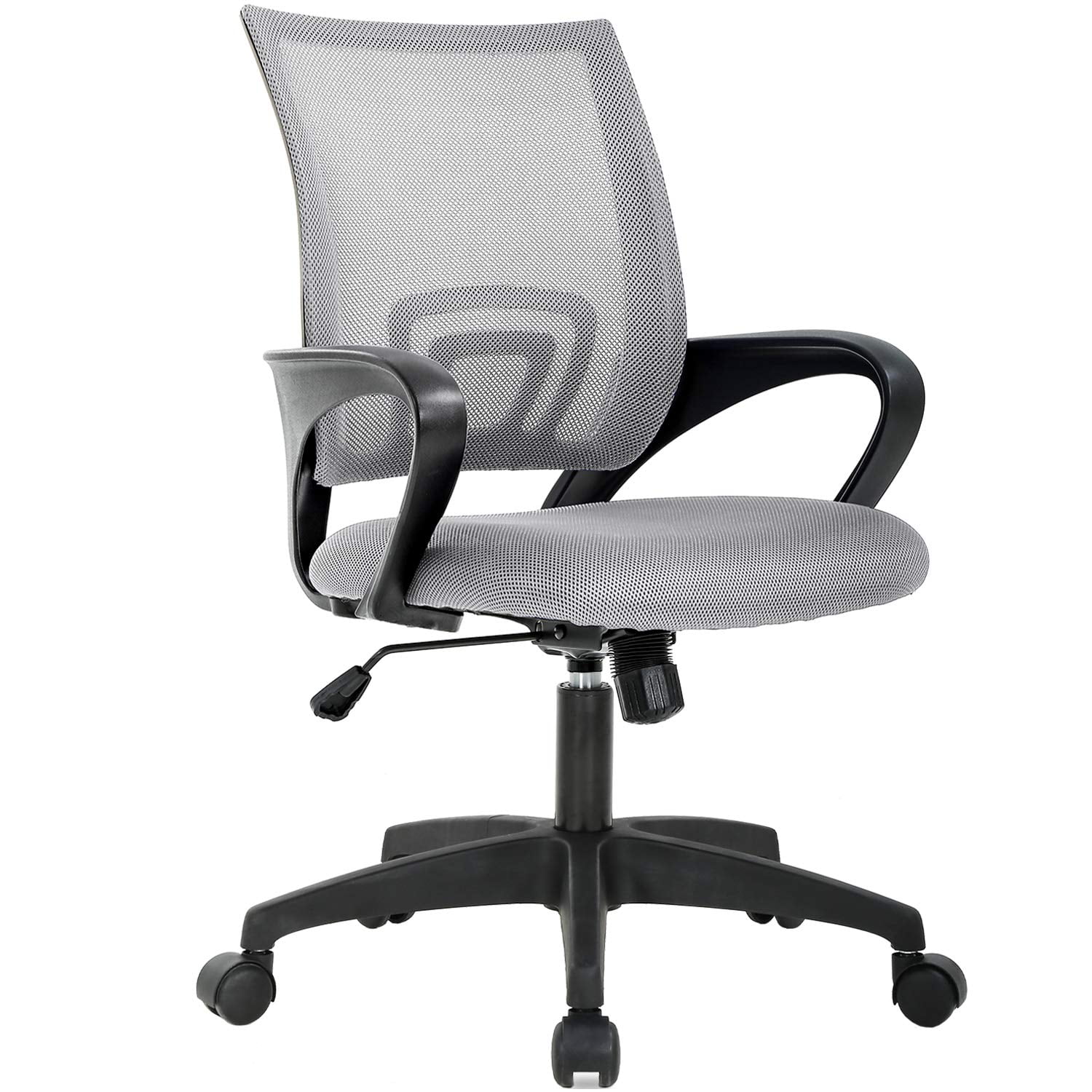
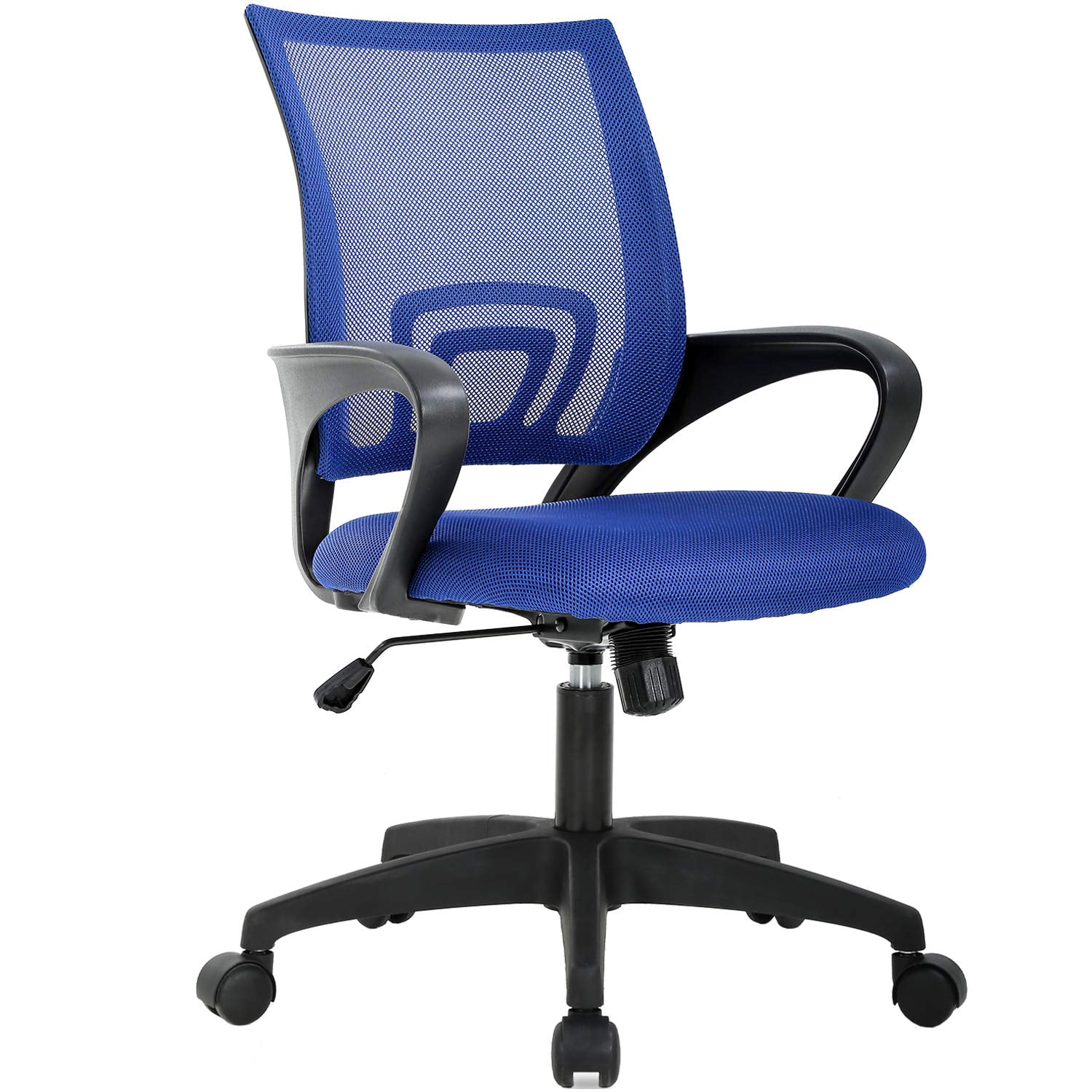
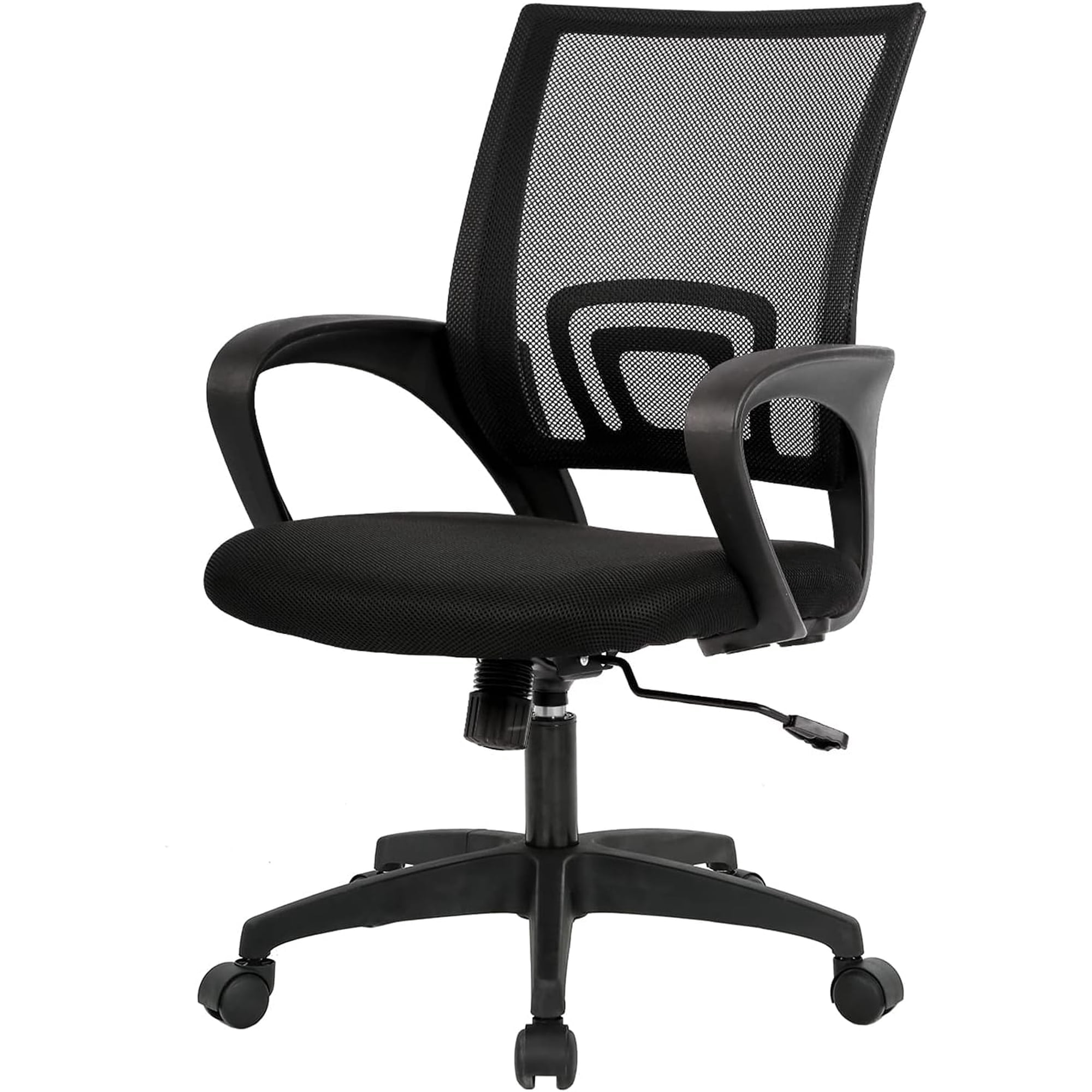
Why Choose a Mid Back Office Chair?
Imagine a chair that supports your lower back like a firm handshake, yet leaves your shoulders completely free to gesture, type, or stretch. That’s the essence of a mid back office chair. Unlike high‑back executive chairs that wrap around your head, or low‑back stools that offer minimal support, the mid back design hits the sweet spot: it cradles the lumbar and thoracic regions while allowing unrestricted arm movement. For dynamic work—whether you're brainstorming, coding, or in back‑to‑back video calls—this freedom can transform your comfort.
According to a 2023 ergonomics survey by Occupational Health & Safety, 68% of desk workers who switched from a high‑back to a well‑adjusted mid back chair reported less shoulder stiffness by the end of the day. Why? Because a mid back chair encourages micro‑movements: you naturally shift, turn, and reposition without a headrest getting in the way. It’s the "just right" chair for the modern, agile workspace.
Ergonomic insight: The human spine needs movement. A mid back chair provides structured support for the lumbar curve (L1–L5) while leaving the cervical spine free. Studies show that workers in mid back task chairs change posture 33% more often than in restrictive high‑back chairs, reducing muscle fatigue.
Anatomy of a Mid Back Office Chair: What Makes It Different?
To pick the right mid back chair, you need to understand its core components. Think of it like choosing a running shoe: the cushion, flexibility, and support must match your stride. Here are the key elements that define a quality mid back chair.
1. Backrest Height and Shape
A true mid back chair typically has a backrest height between 18 and 22 inches (measured from the seat pan). It should reach just below your shoulder blades—usually around the T3–T4 vertebrae. This height supports the natural S‑curve of your spine without pressing on the scapulae. Look for chairs with a contoured frame that mimics the spine’s curvature; flat backs are a red flag for long‑term comfort.
2. Lumbar Support: The Heart of the Chair
Because the mid back doesn’t include a headrest, manufacturers often invest more in advanced lumbar systems. You’ll find:
- Height‑adjustable lumbar: Allows you to position the pad exactly at your belt line.
- Depth adjustment: Increases or decreases the forward curve (ideal for those with pronounced or flat lower backs).
- Dynamic lumbar: A flexible backrest that moves with you, common in high‑end mesh chairs.
Pro tip: when testing, the lumbar support should feel firm but not intrusive. If it pushes you too far forward, it may cause lower back strain.
3. Seat Pan Design and Mechanism
A mid back chair’s seat is your foundation. Key features include:
- Seat depth slider: Essential for proper thigh support (2‑3 finger gap between knees and seat edge).
- Waterfall edge: Reduces pressure behind the knees, promoting circulation.
- Synchronous mechanism: Tilts the seat and backrest together, keeping your feet planted while reclining. This is a game‑changer for mid back chairs because it maintains lumbar contact even in recline.
In fact, a 2022 study in Applied Ergonomics noted that synchronous chairs reduced spinal disc pressure by 26% compared to fixed‑back chairs.
4. Material Matters: Mesh, Fabric, or Leather?
Mid back chairs come in three main upholstery families. Your choice affects breathability, grip, and style.
✅ Mesh
Highly breathable, contours to the back, easy to clean. Best for warm environments and all‑day sitting. Some mesh chairs lack plushness, so try before you buy.
✅ Fabric
Soft, warm, available in many colors. Often combined with foam for a plusher feel. Needs occasional vacuuming; may retain heat.
✅ Leather (or PU)
Classic executive look, easy wipe‑clean. However, non‑breathable leather can get sticky. Only choose if your room is climate‑controlled.
5. Armrests: 2D, 3D, or 4D?
For mid back chairs, armrest adjustability is crucial because you don’t have a headrest to lean on; your arms bear some weight. Prioritize:
- Height adjustment: Allows elbows to rest at 90°.
- Width adjustment: Accommodates different shoulder breadths.
- Pivot/angle: Tilts inward or outward for natural forearm support while typing.
Some premium models even offer depth adjustment (4D). If you’re on a budget, at least ensure height and width adjust.
Mid Back vs. High Back vs. Low Back – Quick Comparison
| Feature | Mid Back | High Back | Low Back |
|---|---|---|---|
| Support area | Lumbar + thoracic | Full spine + head | Lumbar only |
| Shoulder freedom | High | Limited (if fixed headrest) | Very high |
| Best for | Active workers, multitaskers | Relaxed posture, nappers | Drafting, short‑term use |
| Typical user height | 5'4" – 6'0" | 5'8" – 6'4" | Any, but lacks upper support |
Who Should Choose a Mid Back Office Chair? (And Who Should Not)
Let’s be honest: mid back chairs aren’t for everyone. Use this guide to see if it matches your work style.
✔️ Ideal for:
- Programmers, writers, designers who need arm mobility.
- People who sit upright and rarely recline fully.
- Small to average‑height users (under 6').
- Hot climates (especially mesh mid backs).
❌ Less ideal for:
- Tall individuals (6'2"+), who may need a taller back.
- Those with chronic neck pain (consider high back with headrest).
- People who like to nap or heavily recline during work.
5 Features That Define a High‑Quality Mid Back Chair
- Adjustable lumbar support (height + depth) – non‑negotiable for ergonomics.
- Seat depth adjustment – ensures proper thigh support without cutting circulation.
- Synchronous tilt mechanism – keeps your back supported while reclining.
- Breathable back material – mesh or perforated fabric to avoid sweaty backs.
- Sturdy base and casters – at least 250 lb capacity with smooth‑rolling wheels for carpets/hard floors.
According to Consumer Reports, chairs that meet these five criteria have a 92% satisfaction rate after one year of use.
Health Benefits of a Properly Adjusted Mid Back Chair
Using a mid back chair with correct settings can yield measurable health wins:
- Reduced slouching: Lumbar support encourages a neutral pelvis, preventing the “C‑curve” spine.
- Less shoulder tension: Without a headrest, you naturally relax your shoulders instead of hunching forward.
- Improved core engagement: The freedom to move subtly activates core muscles, which static high‑back chairs may bypass.
A pilot study at Cornell University found that workers using mid back active chairs reported 41% less upper back pain after 4 weeks, compared to those in generic fixed chairs.
Frequently Asked Questions About Mid Back Office Chairs
Conclusion: Is the Mid Back Office Chair Right for You?
Choosing a chair is a personal journey, but the mid back office chair offers a compelling balance for the majority of desk workers. It delivers targeted support exactly where you need it — the lower and mid back — while respecting your need to move, gesture, and shift positions. If you’ve ever felt trapped by a high back or unsupported by a low back, the mid back is your “Goldilocks” solution.
Remember: no chair works miracles alone. Pair your mid back chair with a standing desk, monitor arms, and regular movement breaks. But start with a solid foundation. Explore the top picks below (updated via Walmart API) and take the next step toward a more comfortable, productive workday.