
The Struggle of Tall Users: Finding a Chair That Fits
If you're over 6'2", you know the frustration: standard office chairs force you to look down at your screen, offer zero thigh support, and leave your shoulders unsupported. This isn't just uncomfortable—it's a fast track to chronic back pain, neck strain, and reduced productivity. An extra tall office chair bridges the gap, literally lifting you to the correct height while providing a backrest that matches your spine's length.
Ergonomic fact: According to a study in the journal "Applied Ergonomics," workers over 6' tall are 63% more likely to report discomfort in standard seating. An extra tall chair with proper fit can reduce spinal loading by up to 40%.
What Defines an Extra Tall Office Chair? (Beyond Height)
It's not just about a taller cylinder. A genuine extra tall office chair is a complete system designed for anthropometric differences. Here are the critical dimensions and features you must evaluate:
1. Seat Height Range: The Non-Negotiable
Standard chairs top out at around 20-21 inches. For tall users, you need a minimum seat height of 22 inches, ideally adjustable down to 19" and up to 25" to accommodate different desk heights. Pro tip: Measure your popliteal height (back of knee to floor) while wearing work shoes; add 1-2 inches for ideal seat height.
| User Height | Minimum Seat Height Range | Recommended Backrest Height |
|---|---|---|
| 6'2" – 6'4" | 19" – 23" | 27" – 29" |
| 6'5" – 6'7" | 20" – 25" | 29" – 32" |
| 6'8"+ | 22" – 27" | 32"+ (often with headrest) |
2. Seat Depth: Support for Longer Femurs
Tall individuals usually have longer femurs. If the seat pan is too short, half your thigh hangs unsupported, leading to circulation issues. Look for a seat depth of at least 20-22 inches with sliding seat adjustment. You should have 2-3 finger widths between the back of your knee and the seat edge.
3. Backrest Height & Lumbar Placement
Extra tall chairs must have a backrest that reaches your shoulder blades (or higher). A backrest height of 28-32 inches is ideal. But more important is adjustable lumbar support that can move up/down to hit the natural curve of your lower back—which sits higher on tall people.
4. Essential Adjustments Checklist
- 4D armrests: Height, width, depth, and pivot adjustments to support long arms and prevent shoulder shrug.
- Tilt tension and lock: Heavier users need stronger springs; look for tension adjustment that accommodates your weight.
- Heavy-duty base: A 350 lb+ rating ensures the chair won't wobble. Nylon or polished aluminum bases are common.
- Larger casters: 3" or larger rollers move smoothly under higher weight; optional rollerblade-style wheels for hard floors.
- Headrest adjustability: For those over 6'4", a headrest that raises and pivots is crucial for neck support during breaks.
5. Step-by-Step Selection Guide for Tall Users
- Measure your current setup: Desk height, knee height, and preferred recline angle.
- Identify your pain points: Is it neck pain (need higher back/headrest), thigh numbness (need deeper seat), or lower back (adjustable lumbar)?
- Filter by specifications: Ignore marketing "tall" claims; check actual numbers: seat height range, backrest height, weight capacity.
- Consider material durability: Tall users put more stress on seat edges. Look for high-density foam (2.5 lb+ density) and reinforced stitching.
- Read verified reviews from tall users: Search for "I'm 6'5" and this chair..." to get real-world feedback.
Think of an extra tall chair as a custom-tailored suit versus off-the-rack. Off-the-rack (standard chairs) might work in a pinch, but a tailored suit (extra tall chair) fits every contour, moves with you, and prevents the fabric from pulling—just as the chair prevents pressure points. According to the Human Factors and Ergonomics Society, proper fit can boost typing speed by 12% and reduce error rates by 20% due to better posture and reduced fatigue.
Material & Construction: What Works Best for Tall Bodies?
Tall users often generate more torque on chair components. Here’s how materials play a role:
Mesh for tall users
- Breathable – great for larger body surface area
- Flexible – conforms to longer spine
- Lightweight – easier to move
- Durability note: Choose high-tensile mesh (e.g., 8-year warranty) to avoid sagging.
Leather/Faux Leather for tall users
- Premium feel – professional aesthetic
- Durable – if top-grain, resists wear
- Caution: Can be hot for tall frames; look for perforated leather.
- Stitching: Reinforced seams essential for long-term use.
For extra tall users, a hybrid approach often works best: mesh back for breathability and lumbar flexibility, plus a dense foam seat with fabric or leather to distribute weight evenly.
Comparison of Common Extra Tall Chair Types
| Style | Best For | Typical Backrest Height | Key Consideration |
|---|---|---|---|
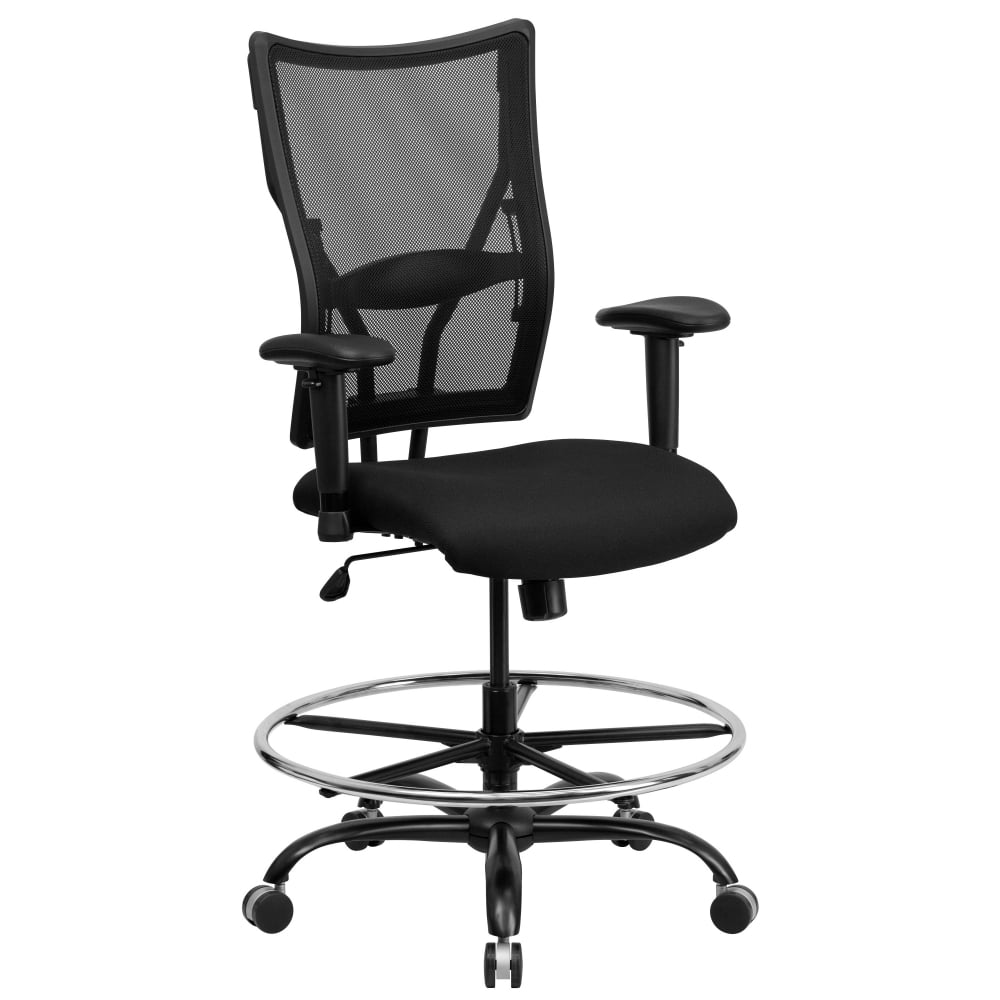
| High-Back Mesh | All-day comfort, hot climates | 28"-31" | Check mesh tension; should be firm |
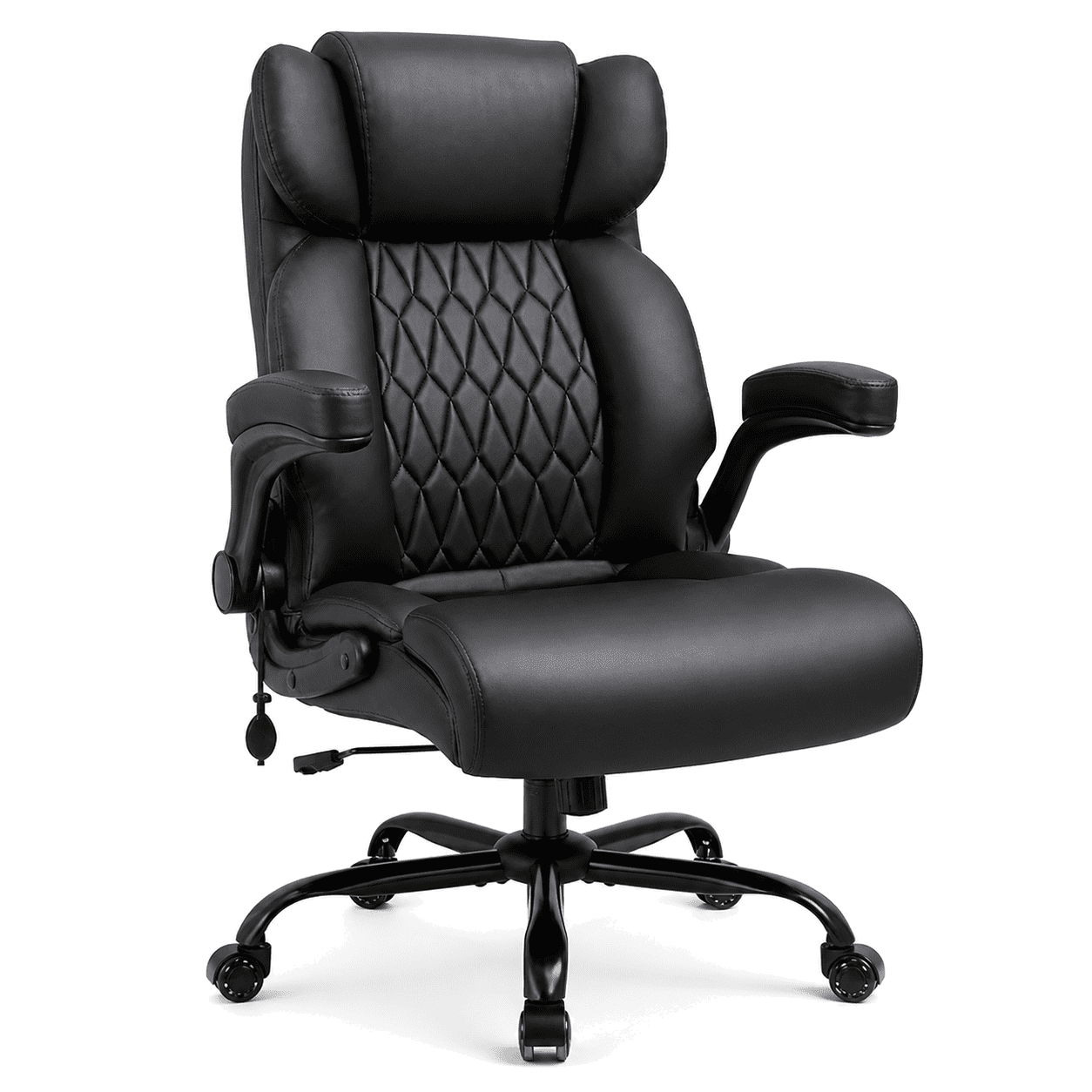
| Leather Executive | Management, client-facing | 29"-33" | Often heavier; ensure pneumatic lift strong |
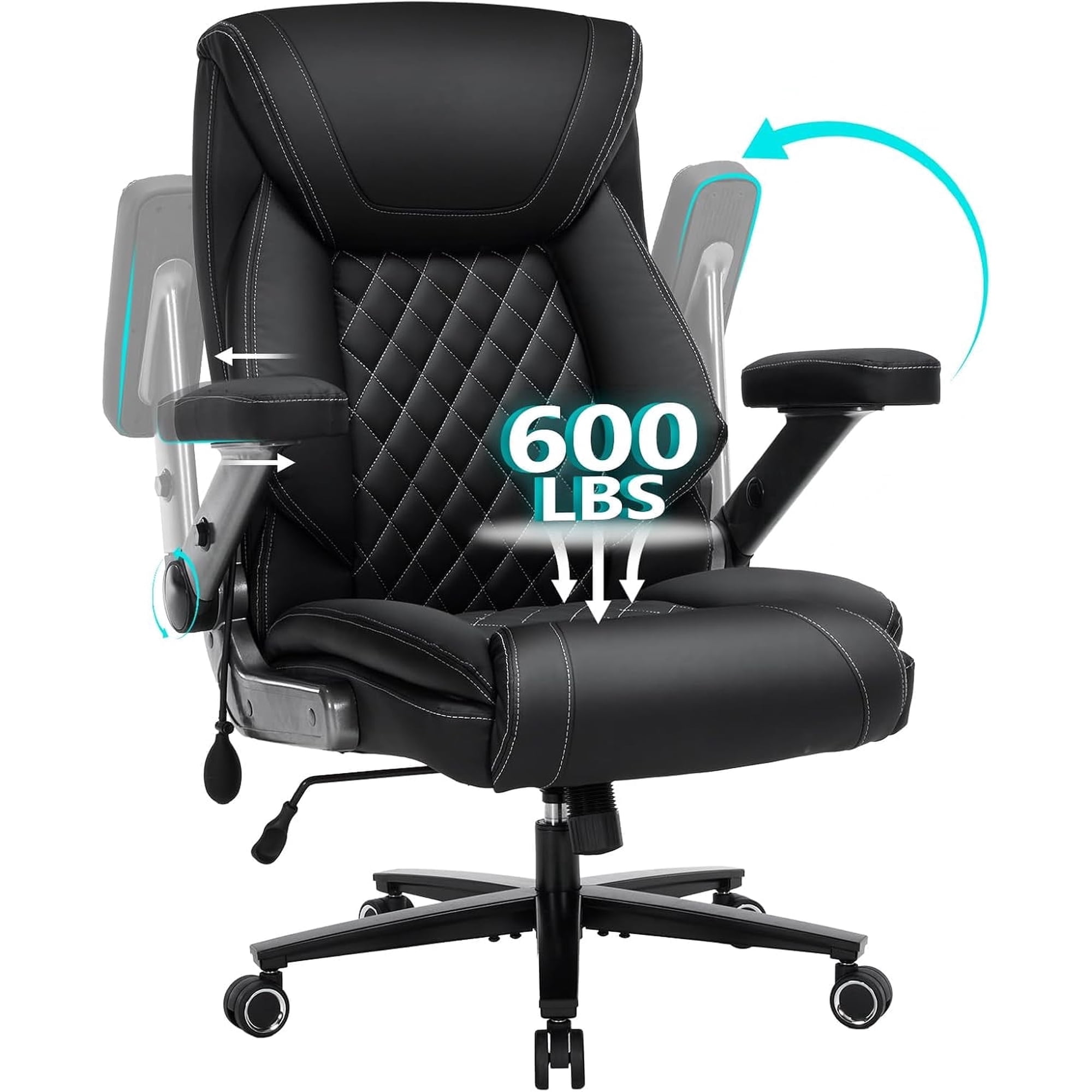
| Big & Tall Specific | Users over 300 lbs + tall | 30"-34" | Reinforced frame, wider seat |
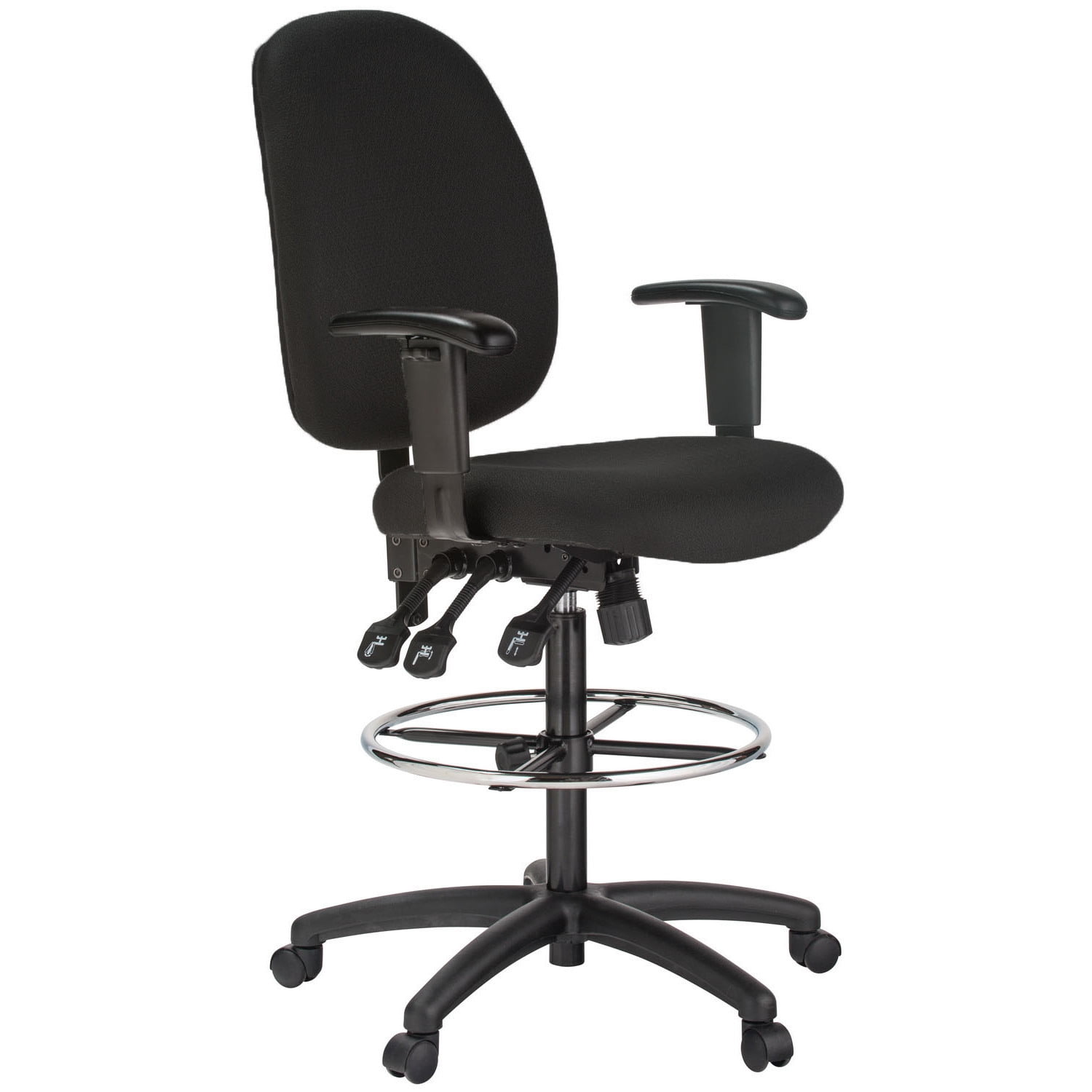
| Ergonomic Task | Programmers, designers | 27"-30" | Many adjustments, often headrest optional |
Health Benefits: Why Proper Fit Matters More for Tall People
When you're tall, sitting in a chair that's too low forces your knees to sit higher than your hips—a position called posterior pelvic tilt. This flattens the natural curve of your lower back and increases disc pressure by up to 40% (source: National Library of Medicine). An extra tall chair restores the ideal 90-100 degree hip angle, promoting neutral spine alignment. Additionally, proper seat depth prevents the "waterfall edge" from hitting the back of your knees, maintaining healthy circulation.
Frequently Asked Questions About Extra Tall Office Chairs
Conclusion: Elevate Your Workspace—Literally
Choosing an extra tall office chair is an investment in your long-term health and daily performance. Don't settle for a chair that treats you like an average-sized user when you're not. Prioritize adjustability, robust construction, and dimensions that match your body. Whether you opt for a sleek mesh model or a luxurious leather high-back, ensure it meets the criteria we've outlined. Your spine (and your productivity) will thank you.
Final tip: Whenever possible, test the chair or buy from a retailer with a solid return policy. Sitting is a personal experience—make sure it's yours.