
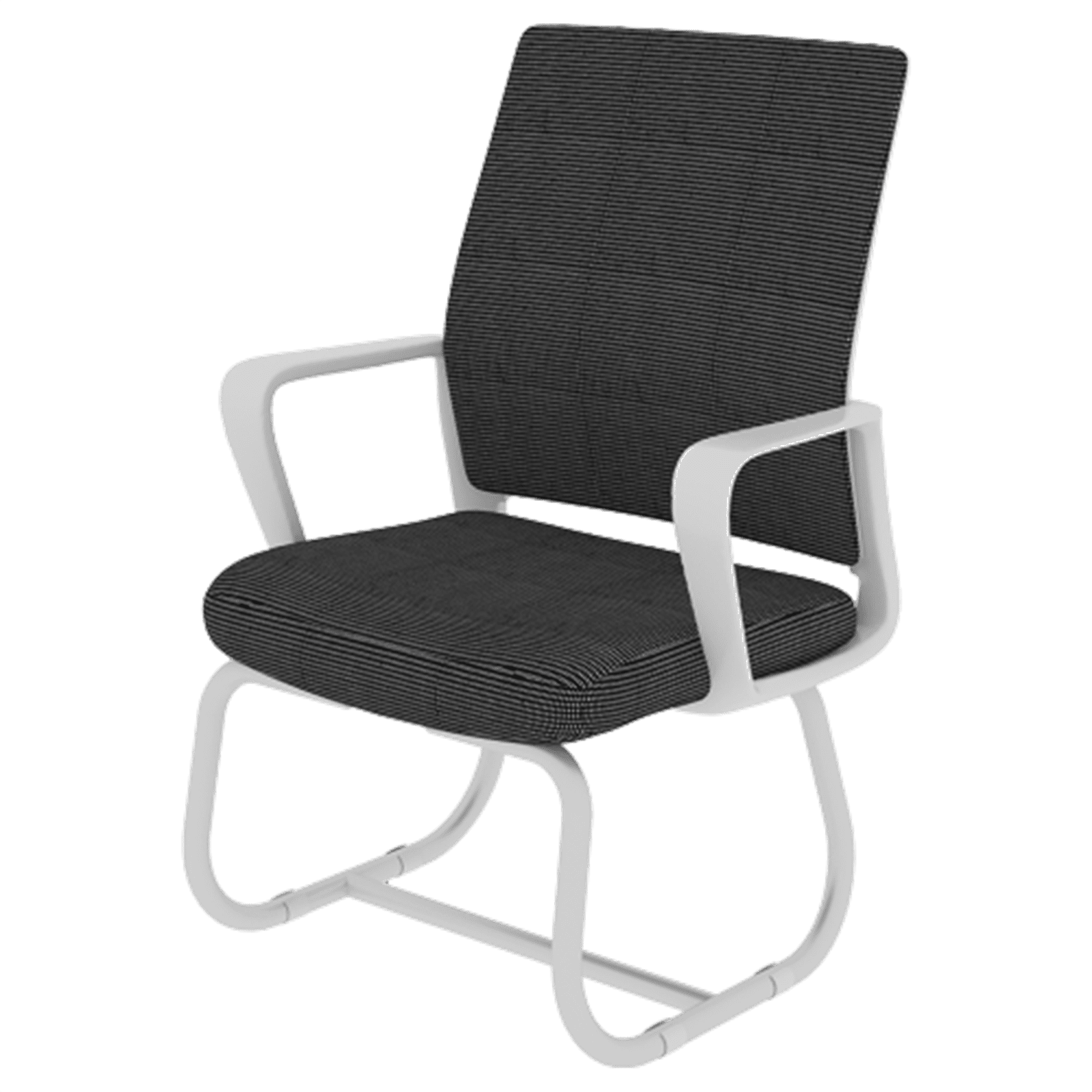
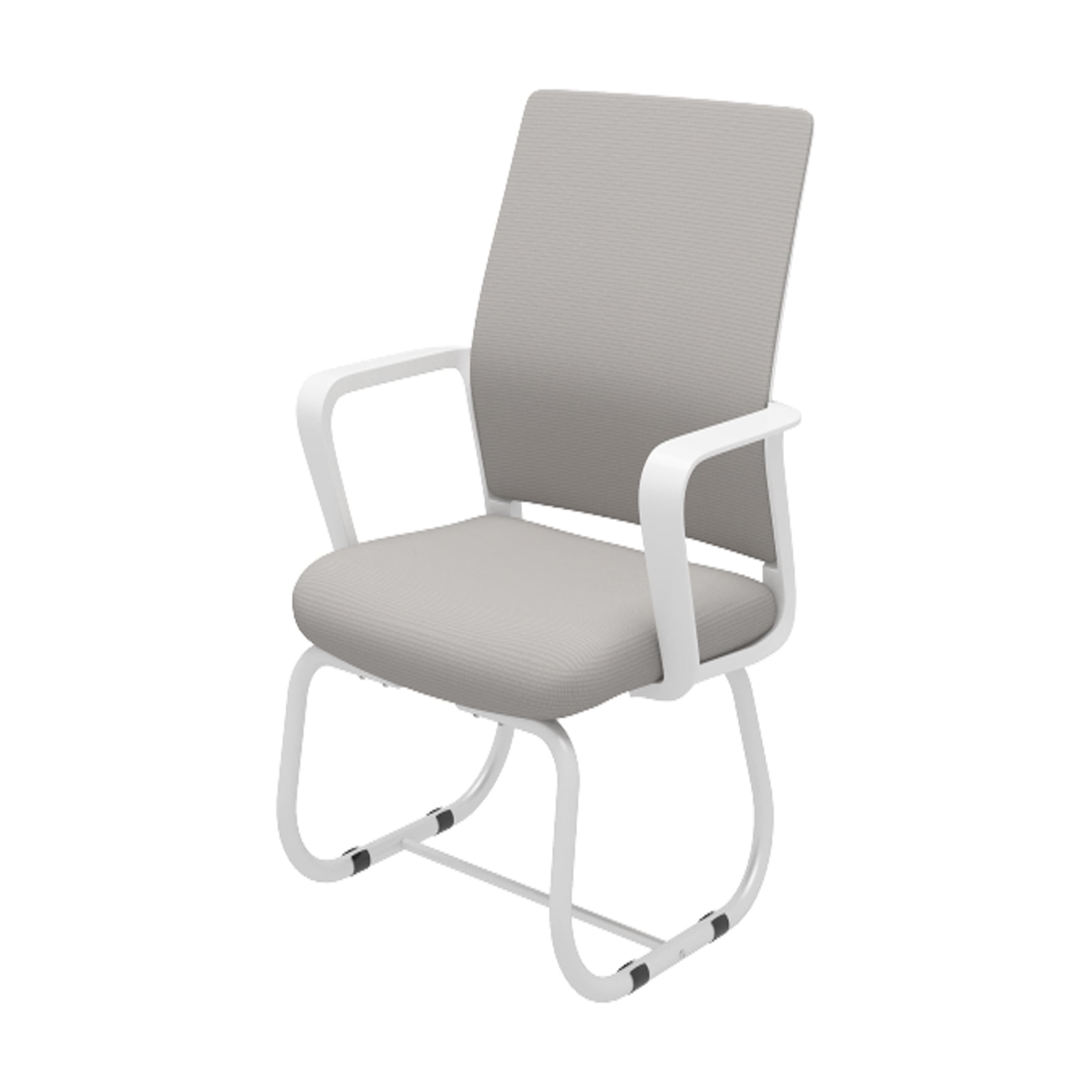
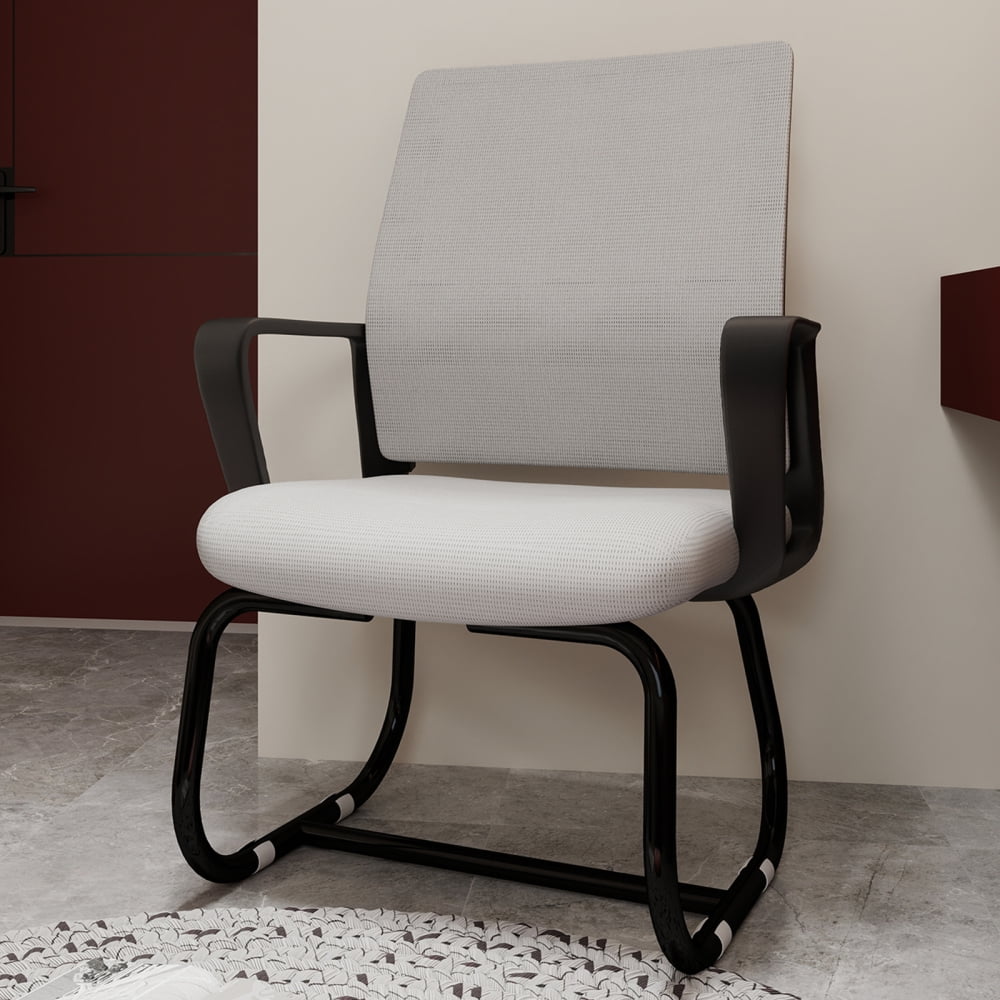
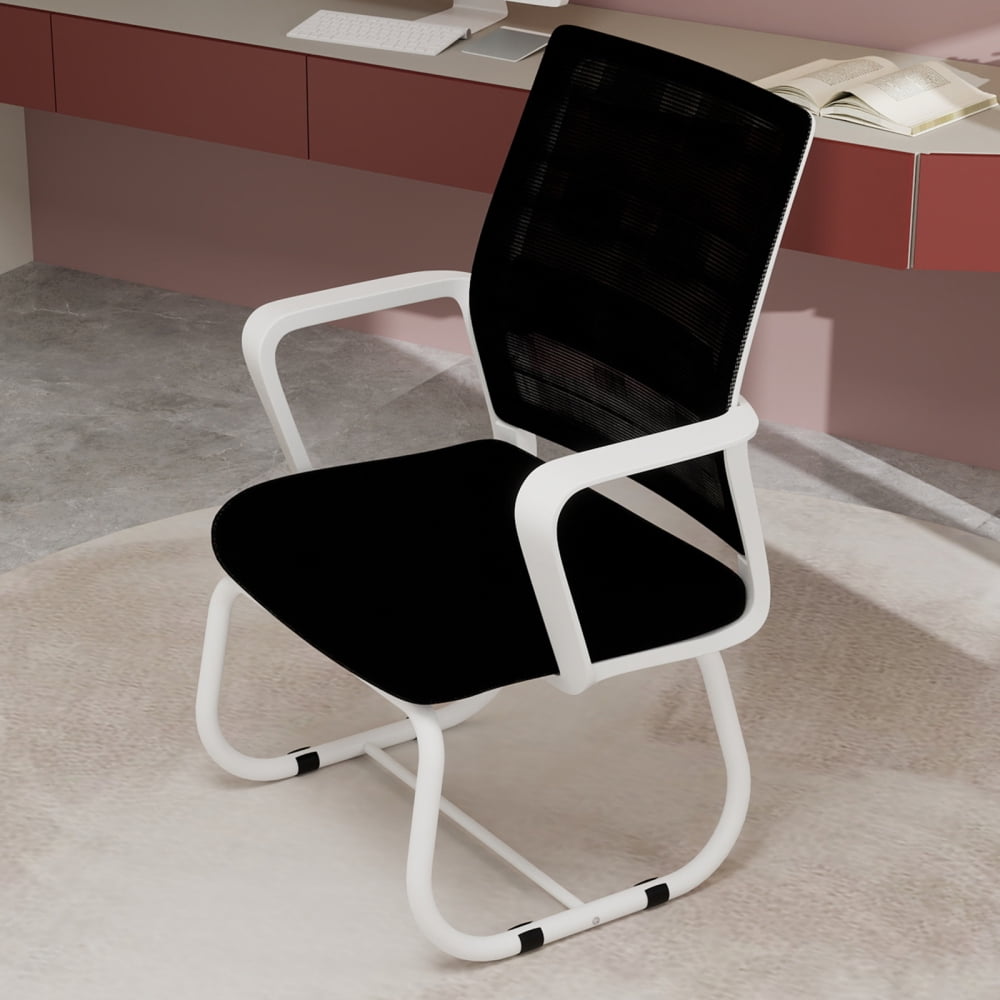
Embracing Simplicity: The Rise of the Minimalist Office Chair
Imagine walking into a workspace that feels calm, uncluttered, and intentionally designed. Every element serves a purpose. Nothing distracts. This is the philosophy behind the minimalist office chair—a piece of furniture that whispers rather than shouts, yet provides everything you need for hours of focused work.
The minimalist movement in office furniture isn't just about aesthetics; it's a response to our increasingly cluttered digital and physical lives. As remote work becomes permanent for millions, home offices need to serve as sanctuaries of productivity. A sleek office chair with clean lines doesn't compete for your attention—it supports your work silently and elegantly.
Design Philosophy Insight: The Bauhaus principle "form follows function" is the foundation of minimalist chair design. Every curve, every material choice, and every adjustment mechanism is visible only when needed. According to design experts, a truly minimalist office chair should reduce visual noise by at least 40% compared to traditional executive chairs, while maintaining or improving ergonomic support.
The Psychology of Minimalist Workspaces
Research from Princeton University Neuroscience Institute reveals that physical clutter competes for your attention, reducing focus and increasing stress. A modern minimalist seating solution addresses this by:
- Reducing cognitive load: Clean lines mean fewer visual distractions, allowing your brain to focus on work
- Creating visual calm: Neutral colors and simple forms promote a sense of order and control
- Improving spatial perception: Open-backed designs make small rooms feel larger
- Supporting mindfulness: Intentional design encourages intentional work habits
- Enhancing professional image: A minimalist chair communicates confidence—you don't need flashy details to prove your worth
Anatomy of a Minimalist Office Chair: What to Look For
Unlike traditional office chairs that announce their features with bulky padding and visible levers, a simple office chair integrates its functionality seamlessly. Here's a detailed breakdown of the components that matter:
1. The Silhouette: Form That Follows Function
The profile of a minimalist chair should appear almost architectural. Designers achieve this through:
Continuous Lines
The backrest flows into the seat without visible breaks. This unbroken visual line creates a sculptural quality that defines high-end minimalist design.
Negative Space
Openings in the backrest or gaps between components aren't just aesthetic—they reduce visual weight and improve breathability.
Tapered Profiles
Edges are softened or tapered to avoid a bulky appearance. The chair should look light enough to float, even if it's structurally robust.
2. Material Selection: Quality Over Quantity
Minimalist chairs rely on material quality because there are fewer elements to distract from imperfections. The best clean design office chair options use:
Each material serves a dual purpose: functional performance and aesthetic contribution. For instance, mesh isn't just for breathability—its transparency creates visual lightness. Polished aluminum bases reflect light, making the chair appear less imposing.
3. Color Philosophy: The Power of Restraint
Traditional office chairs often feature multiple colors and contrasting accents. A contemporary office chair with minimalist principles typically limits the palette to:
- Monochromatic schemes: All-black, all-white, or shades of gray create sophistication
- Natural tones: Wood finishes paired with black or white add warmth without complexity
- Single accent colors: If color is used, it appears in just one element—perhaps the stitching or a subtle base detail
The goal is to create a chair that doesn't fight for attention in your office. It should recede into the background when not in focus, yet reveal its quality when observed closely.
4. Ergonomic Integration: Hidden Intelligence
Here's where minimalist design proves its sophistication. Unlike bulky ergonomic chairs with exposed mechanisms, a streamlined office seating solution integrates adjustments seamlessly:
- Lumbar support built into the backrest curve rather than as an add-on pad
- Adjustment levers tucked beneath the seat or designed as subtle knobs that blend in
- Armrests that follow the chair's lines, appearing as natural extensions rather than attachments
- Recline mechanisms that maintain the chair's profile whether upright or tilted
- Headrests that appear as continuous extensions of the backrest when present
5. Proportions for Modern Living
Today's homes and apartments demand furniture that fits both physically and visually. A compact office chair designed with minimalist principles typically features:
| Dimension | Traditional Chair | Minimalist Chair | Benefit |
|---|---|---|---|
| Overall Width | 26-28 inches | 23-25 inches | Fits smaller spaces, easier movement |
| Backrest Height | 32-34 inches | 28-32 inches | Lower profile doesn't overwhelm rooms |
| Seat Depth | 20-22 inches | 18-20 inches | Better for petite users, cleaner look |
| Base Diameter | 28 inches | 24-26 inches | Less floor space, easier to tuck under desk |
Scandinavian Influence: The Nordic Approach to Office Seating
No discussion of minimalist design is complete without acknowledging Scandinavian influence. The Nordic philosophy of "hygge" (cozy contentment) combined with practical minimalism has produced some of the most iconic scandinavian office chair designs. Key principles include:
- Light woods: Beech, birch, and oak add warmth without visual weight
- Organic shapes: Curves that mimic natural forms rather than strict geometric lines
- Textural contrast: Smooth surfaces paired with woven textiles or matte finishes
- Democratic design: Beautiful objects that remain accessible and functional for everyone
The Scandinavian approach reminds us that minimalist doesn't mean cold or sterile. A well-designed minimalist chair can feel inviting and warm while maintaining visual simplicity.
Materials Deep Dive: What Works Best for Minimalist Chairs
Understanding material properties helps you make an informed choice. Here's a detailed analysis of materials commonly found in simple office chair construction:
Mesh: The Modern Classic
Mesh has become synonymous with contemporary office seating. For minimalist applications:
- Advantages: Breathability, visual transparency, lightweight appearance, easy to clean
- Best applications: Backrests where breathability matters most; full-mesh chairs for maximum airflow
- Quality indicators: Tight weave without loose threads; reinforced edges; consistent tension across the surface
Molded Plastic/Polypropylene
This material enables the seamless forms that define minimalist design:
- Advantages: Can be formed into complex organic shapes; durable; affordable; recyclable options available
- Best applications: One-piece shell chairs where back and seat form a continuous surface
- Quality indicators: Even thickness; no visible mold lines; slight flexibility without brittleness
Leather and Vegan Alternatives
For a more luxurious minimalist aesthetic:
- Advantages: Develops patina over time (genuine leather); easy to wipe clean; professional appearance
- Best applications: Seat cushions and headrests where softness matters
- Quality indicators: Consistent grain; even color; supple feel without cracking when flexed
Wood Accents
Wood brings warmth to minimalist designs:
- Advantages: Natural variation makes each piece unique; sustainable when certified; timeless appeal
- Best applications: Armrests, base components, or as visible structural elements
- Quality indicators: Smooth finish without rough spots; proper sealing against moisture; sturdy joinery
Space Planning: Integrating a Minimalist Chair in Your Office
A compact office chair isn't just about the chair itself—it's about how it interacts with your space. Consider these placement strategies:
- The floating effect: Choose a chair with a transparent back or mesh to maintain sight lines across the room
- Under-desk storage: Measure seat height when fully lowered to ensure the chair tucks completely under your desk
- Visual weight distribution: Dark chairs against light walls create contrast; light chairs against dark walls recede
- Multi-functional spaces: In home offices that double as guest rooms, a minimalist chair looks less "office-like"
- Natural light optimization: Low-back chairs don't block window light, keeping spaces bright and open
Maintenance and Longevity: Caring for Your Minimalist Investment
Quality minimalist chairs are built to last, but proper maintenance ensures they remain beautiful for years:
Weekly Care Routine
- Wipe mesh and plastic surfaces with a microfiber cloth to prevent dust accumulation
- Vacuum fabric or leather crevices using a soft brush attachment
- Check and tighten any visible fasteners
Monthly Maintenance
- Clean leather with appropriate conditioner (for genuine leather) or mild soap (for vegan leather)
- Apply furniture polish to wood accents following grain direction
- Test all adjustment mechanisms for smooth operation
Annual Professional Care
- Consider professional deep cleaning for fabric chairs
- Have gas lift mechanisms inspected if height adjustment becomes sticky
- Replace casters if they show wear or become noisy
Budget Considerations: Investing in Simplicity
One misconception about minimalist furniture is that it should be cheap because it uses fewer materials. In reality, the opposite is often true. A well-designed minimalist chair represents significant investment in:
- Design expertise: Creating something simple requires more skill than adding ornamentation
- Material quality: With fewer elements, each material must be perfect
- Engineering: Integrating ergonomics into clean forms requires sophisticated engineering
- Durability: Minimalist chairs are often designed for decades of use, not disposable consumption
Think of a minimalist office chair not as an expense but as a long-term investment in your daily comfort and your home's aesthetic. A quality piece at $800-$1,200 that lasts 15 years costs just $50-$80 per year—less than a monthly coffee subscription.
Frequently Asked Questions About Minimalist Office Chairs
Conclusion: The Lasting Appeal of Thoughtful Simplicity
Choosing a minimalist office chair is more than a design decision—it's a statement about how you want to work and live. In a world of constant notifications, visual noise, and information overload, your workspace can become a sanctuary of calm intention. A well-chosen minimalist chair supports this goal by fading into the background when not needed, yet providing exceptional comfort when you sit down to focus.
Remember these key takeaways as you shop:
- Look beyond the surface: True minimalist design integrates function, it doesn't hide from it
- Prioritize materials: With fewer elements, quality becomes even more critical
- Consider your space: The best chair complements your room's proportions and lighting
- Test for comfort: Simplicity should never mean sacrificing support for long work sessions
- Think long-term: A quality minimalist chair will serve you for a decade or more
The chairs featured above represent the best current options across various price points and design philosophies. Whether you're drawn to Scandinavian warmth, industrial precision, or organic curves, there's a minimalist chair waiting to complete your workspace. Take your time, consider your needs, and choose a chair that will bring you comfort and satisfaction for years to come.