
Complete Guide to Office Chairs Without Wheels
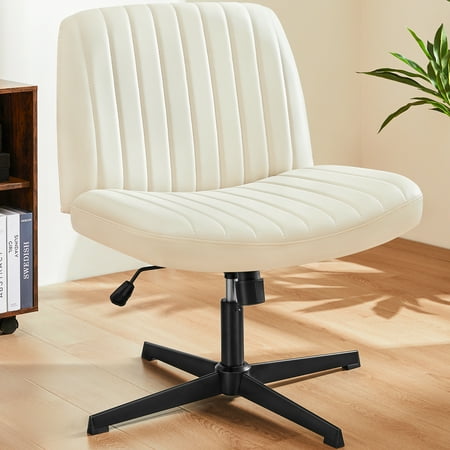
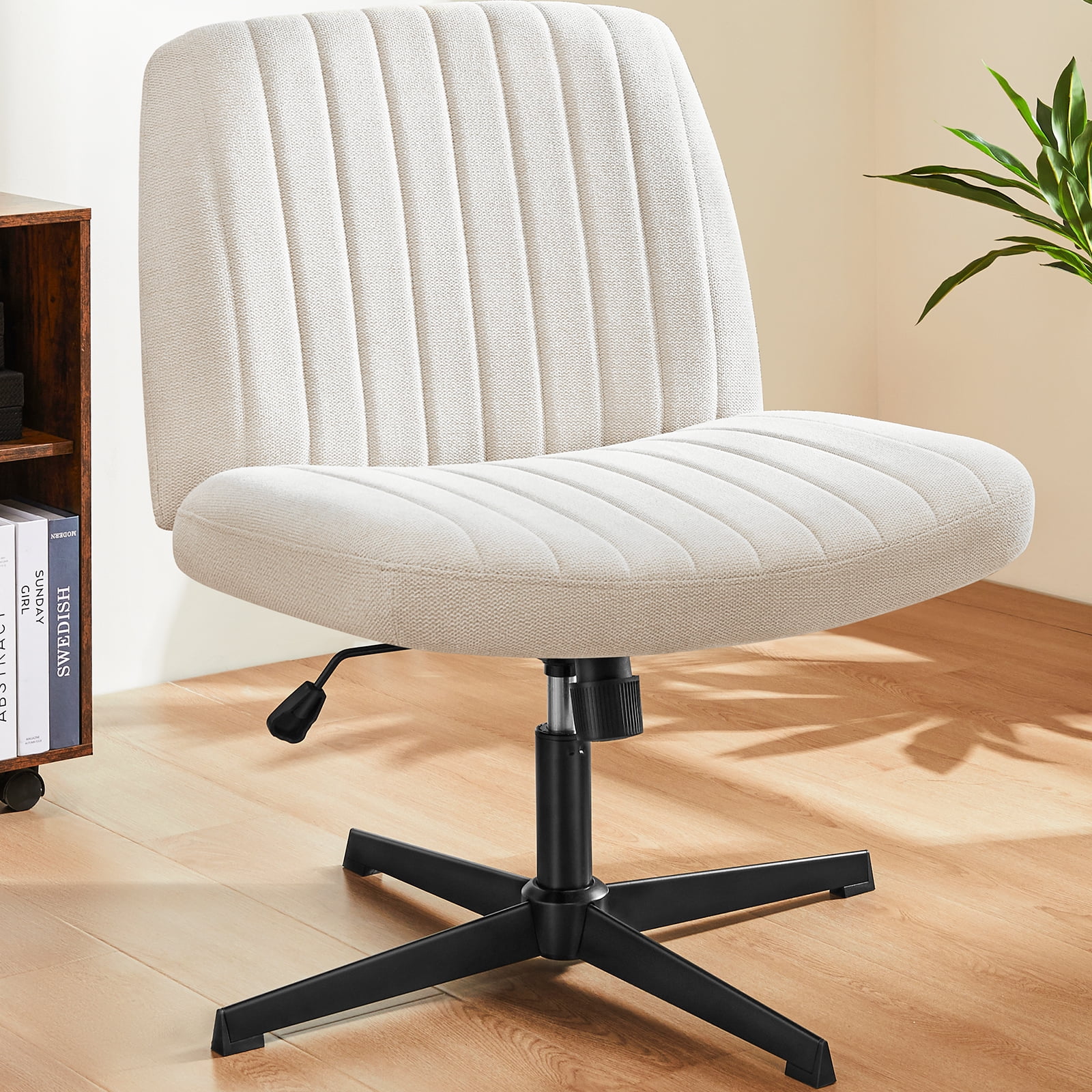
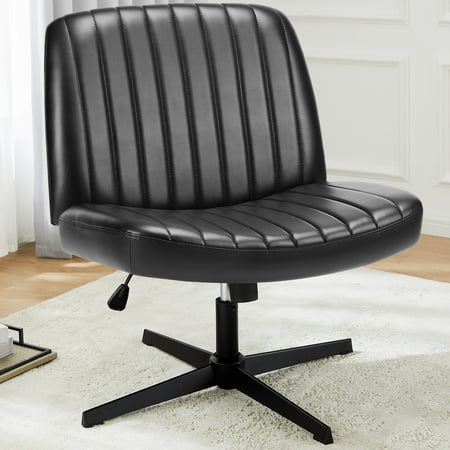
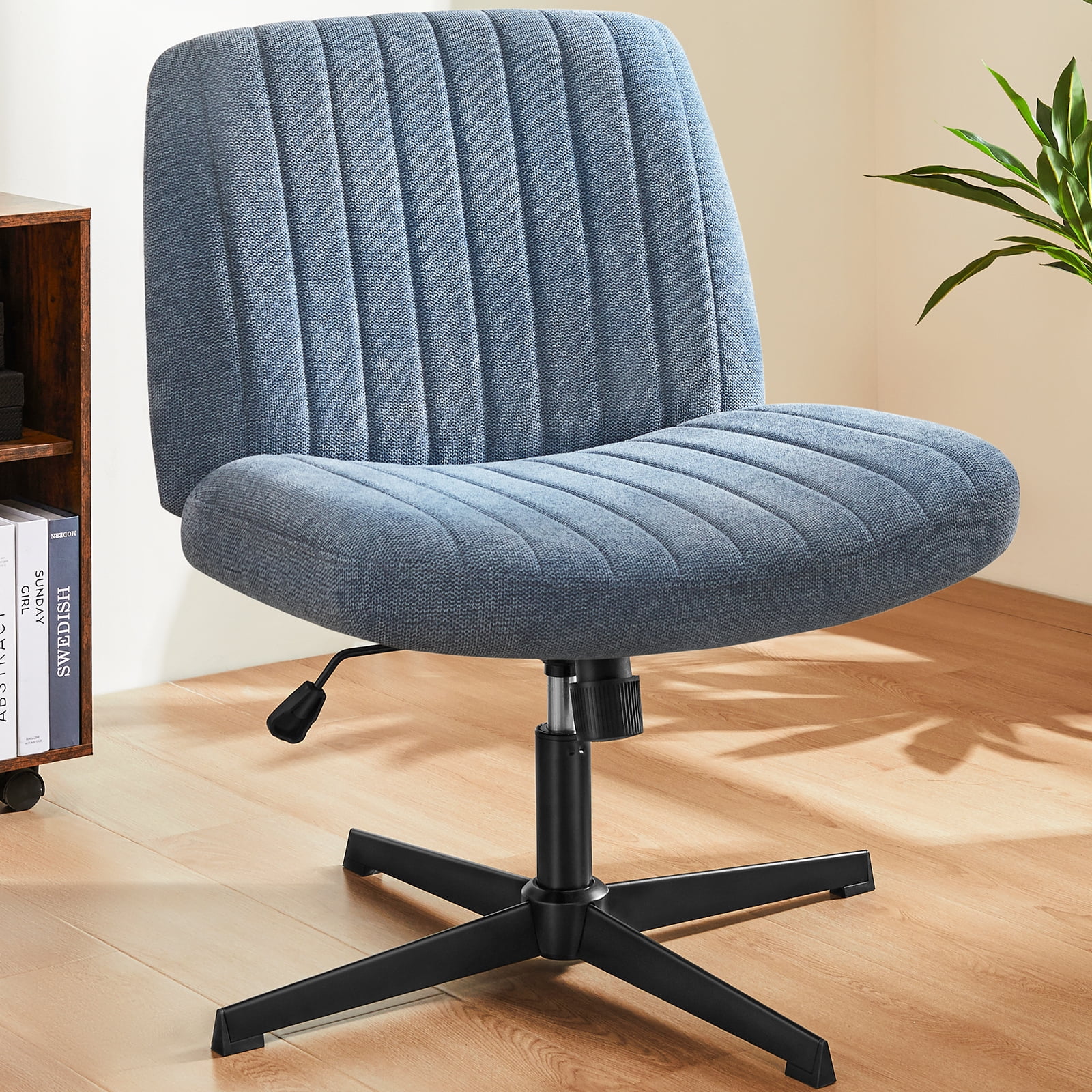
Imagine an office chair that stays exactly where you leave it — no gradual rolling, no casters scratching your hardwood, no need to chase after it when you stand up. That’s the quiet appeal of an office chair no wheels. Often called stationary chairs, fixed‑base chairs, or sled‑base task seating, they offer a blend of stability, floor protection, and minimalist design. In this guide, we explore why you might choose a wheel‑free chair, what features to look for, and how to pick the perfect model for your workspace.
1. The Rise of Stationary Task Seating
For decades, the standard office chair has been synonymous with five casters. But the modern workspace — especially the home office — has challenged that norm. Hardwood floors, luxury vinyl plank, and area rugs are easily damaged by traditional wheels. Moreover, many people find that constant micro‑movements distract them. A stationary chair provides a grounded feeling, similar to sitting in a quality dining chair, but with ergonomic support.
In creative fields (architects, designers, musicians), a fixed position is often required. Drafting chairs, for instance, frequently use glides instead of wheels to maintain precise positioning. The office chair no wheels category now includes ergonomic masterpieces with advanced lumbar support, breathable mesh, and plush upholstery — all without a single caster.
2. Types of Wheel‑Free Office Chairs
Not all stationary chairs are the same. Understanding the base styles helps you choose the right one for your floor and usage:
• Sled base chairs
The frame is a continuous piece of metal (often steel) that forms both the arms and the base, curving to rest on the floor. Sled bases are incredibly sturdy and distribute weight evenly. They usually have floor‑protective caps or integrated glides. Ideal for corporate settings, conference rooms, and modern home offices.
• Four‑leg fixed chairs
Similar to a traditional side chair but built for desk work. They often feature casters removed and replaced with rubber or felt feet. Some come standard with glides. These chairs have a classic, timeless look and are very stable.
• Pedestal base with glides
A central column (like a typical office chair) but instead of wheels, it has smooth glides (often nylon or felt). This allows swivel and height adjustment without rolling. Best for those who want full ergonomic adjustability but zero movement.
• Fixed wood or metal legs
Often seen in executive or guest chairs. Sturdy legs with floor protectors. Less adjustability, but maximum visual appeal. Combine with a seat cushion for long hours.
3. Pros and Cons of Office Chair No Wheels
✅ Advantages
- Floor protection: No casters means zero scratches on delicate surfaces.
- Stability: The chair won’t roll away when you sit down or stand up — safer for seniors or those with mobility aids.
- Cleaner look: Often more furniture‑like, blending with home decor.
- No wheel jams: Long hair, dust, and carpet fibers won’t get tangled.
- Better for carpet: Wide glides or sled bases distribute weight and prevent carpet dents.
⚠️ Disadvantages
- Limited mobility: You must get up to reach something behind you.
- Fewer models: Selection is smaller than rolling chairs.
- Harder to move: If you need to frequently reposition, a wheeled chair is better.
- Glide wear: Over years, glides may need replacement (but it’s easy).
4. Who Should Buy a Stationary Office Chair?
Based on real‑user scenarios and ergonomic recommendations, a no‑wheel chair is ideal for:
- Homeowners with hardwood, tile, or luxury vinyl floors: prevent costly damage.
- Artists, designers, architects: need a fixed position for drawing or drafting.
- Reception areas: guest chairs shouldn’t roll; fixed looks professional.
- People who dislike constant micro‑movements: some find rolling distracting.
- Minimalist or Scandinavian style offices: clean lines without visible wheels.
- Conference / meeting rooms: sled base chairs are standard.
5. Key Features to Look For (Beyond Wheels)
Just because it has no casters doesn’t mean you should compromise on ergonomics. Here’s what matters:
| Feature | Why It Matters | What to Look For |
|---|---|---|
| Glide material | Smooth movement when shifting weight, floor protection | Felt glides for hardwood, wide plastic for carpet |
| Seat height adjustability | Match desk height, maintain 90° angle | Pneumatic lift (gas cylinder) even without wheels |
| Lumbar support | Prevents back pain during long sitting | Adjustable or built-in lumbar curve |
| Seat depth & tilt | Accommodates different thigh lengths | Slider seat or tilt tension control |
| Base width | Stability (chair won’t tip) | Wider sled or leg span (at least 24") |
6. Floor Compatibility Guide
Choosing the correct base/glide for your floor type ensures longevity and safety:
- Hardwood / Laminate / Tile: felt glides or soft rubber feet. Avoid hard plastic that can scratch.
- Low‑pile carpet: wide nylon glides or sled base with smooth caps.
- High‑pile / plush carpet: broad sled base or add carpet protectors under glides. Some stationary chairs offer optional carpet glides (larger surface area).
- Concrete / vinyl: most glides work; felt is quiet.
7. Comparing Materials: Leather, Mesh, Fabric
Like wheeled chairs, stationary models come in various upholsteries. Here’s a quick rundown:
Leather / Faux leather
Easy to clean, looks executive. Can be warm in summer. Sled base leather chairs are common in law firms.
Mesh back
Breathable, modern. Often combined with fabric seat. Good for long hours.
Fabric / Wool
Wide color range, comfortable, but may stain. Ideal for guest chairs.
8. Maintenance & Longevity
Stationary chairs often outlast wheeled counterparts because there are no casters to break or jam. However, glides can wear down after years. Replacing glides (if screw‑on) is a $5 fix. Wood legs may need felt pads re‑applied. Otherwise, maintenance is similar to any chair: tighten bolts occasionally, clean upholstery per instructions. Most high‑quality no‑wheel chairs last 8–12 years.
9. Frequently Asked Questions (H2)
Conclusion: Is an Office Chair Without Wheels Right for You?
Choosing a stationary chair is about prioritizing stability, floor care, and aesthetics over mobility. If you work in a fixed position, value your hardwood floors, or simply prefer a chair that doesn’t wander, the office chair no wheels category offers rich possibilities. From sleek leather sled bases to ergonomic mesh task chairs with glides, you no longer have to sacrifice comfort for the absence of casters. Evaluate your floor type, desired adjustability, and style — then use the product grid above to find a chair that will stay put, year after year.